- Category
- Defense Tech
When Drone Swarms Leave Seconds to React, Germany’s New IRIS-T Packs Eight Missiles
 Prefer U24 Media on Google
- Authors

-111f0e5095e02c02446ffed57bfb0ab1.jpeg "Photo of Roman Kohanets")
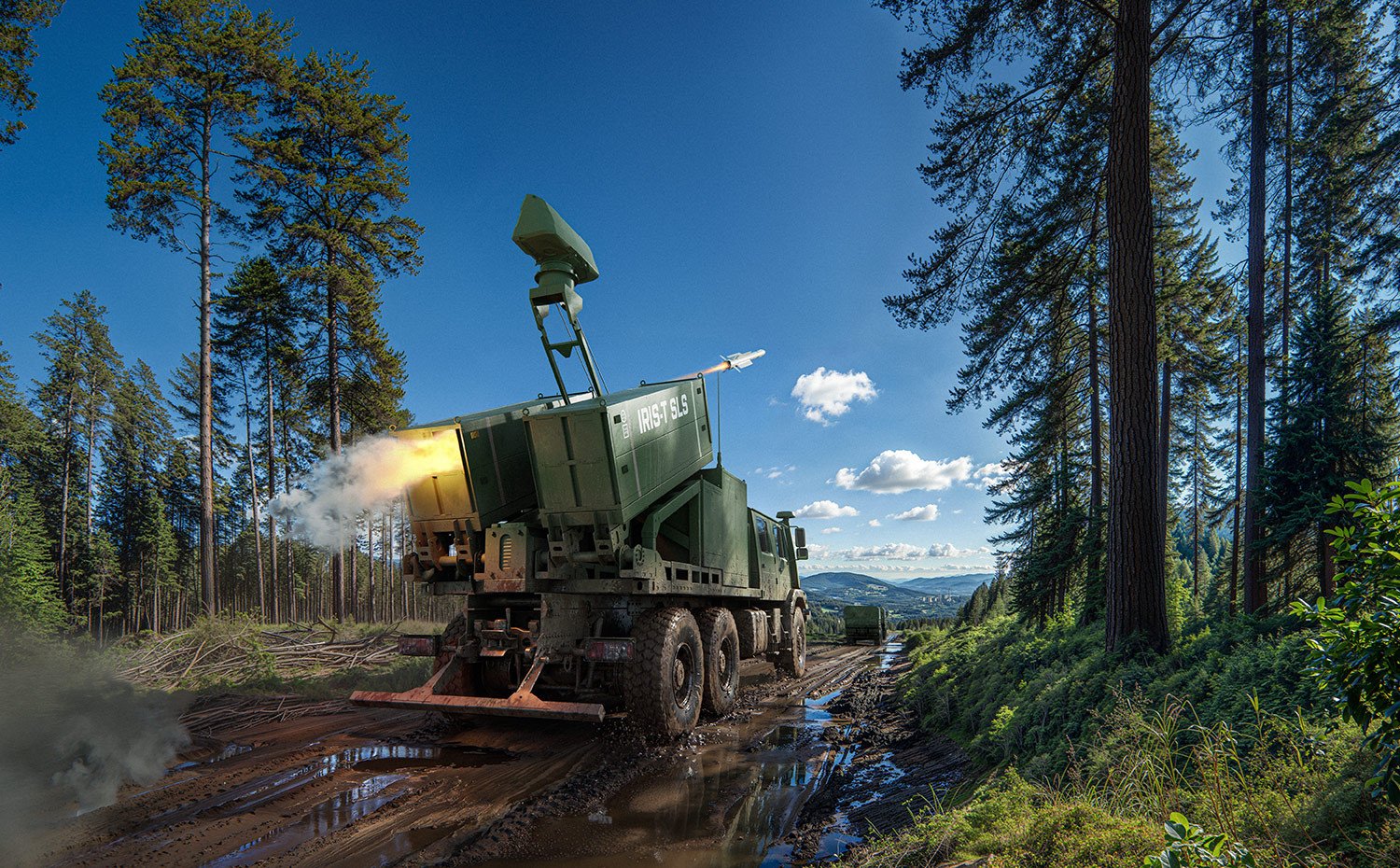
German defense manufacturer Diehl Defence unveiled the IRIS-T SLS MK 4, a next-generation short-range air defense system, at the ILA 2026 air show in Berlin on September 3, according to ArmyInform, which cited analysts from the Belgian defense center Army Recognition Group.
The system is presented as the fourth generation of the combat-proven IRIS-T SLS platform. Diehl Defence, headquartered in Überlingen in western Germany, described it on its official website as a direct evolution of a system already tested in battlefield conditions—an implicit reference to its use in Ukraine's defense against Russian strikes.
We bring you stories from the ground. Your support keeps our team in the field.
According to Diehl Defence's official product release, the IRIS-T SLS MK 4 "is a further development of the combat-proven IRIS-T SLS system" and represents a "high-performance solution in dynamic threat scenarios."
The IRIS-T SLS MK 4 consolidates radar, command-and-control systems, and a launch unit onto a single highly mobile vehicle.
Its effective engagement range reaches 12 kilometers, with altitude coverage up to 6 kilometers. The architecture is vehicle-independent, allowing the system to be mounted on different platforms to meet varied customer requirements, Diehl Defence noted on its official portal.
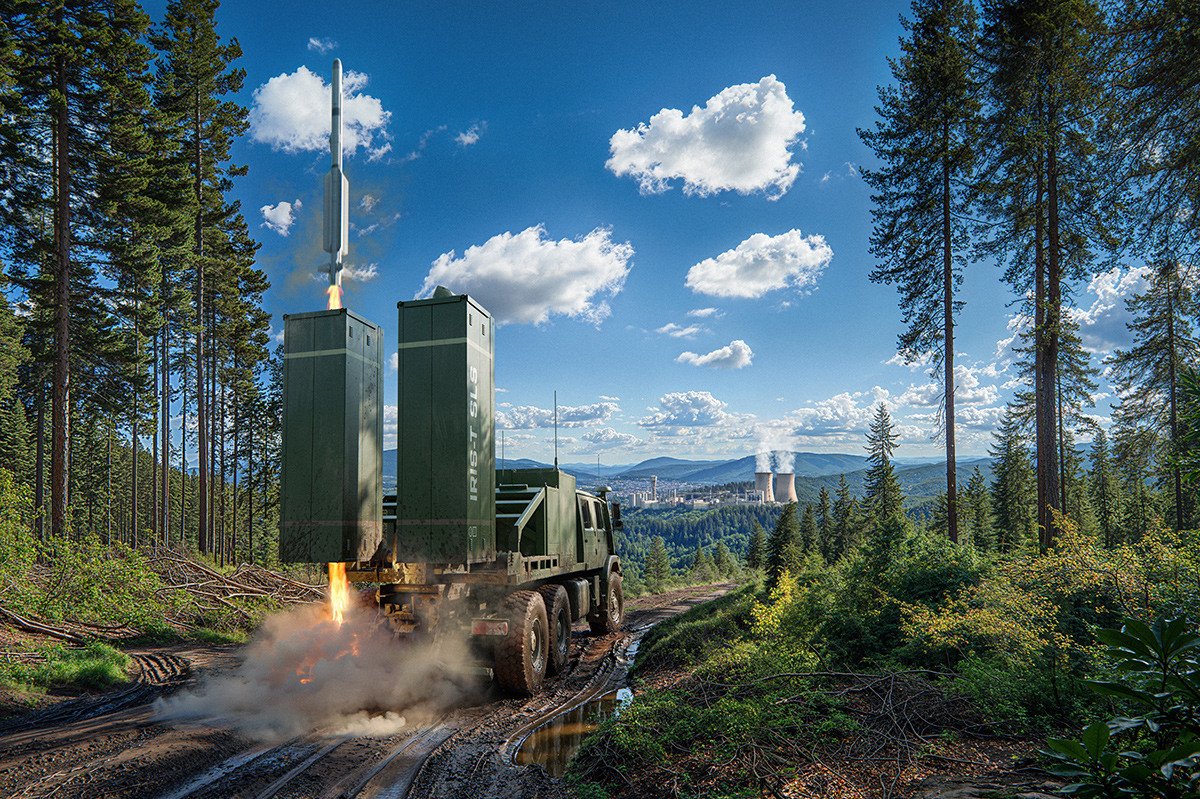
A key upgrade in the MK 4 standard is the increase in the number of ready-to-fire missiles from four to eight, effectively doubling engagement capacity compared with previous configurations.
ArmyInform, citing Army Recognition Group analysts, reported that this improvement is particularly relevant for countering swarm attacks involving drones and loitering munitions—scenarios in which reaction windows are measured in seconds.
Automation is another defining feature of the new system. Automated target detection, tracking, engagement planning, and firing sequencing reduce crew requirements while accelerating response times, according to Army Recognition Group specialists cited by ArmyInform.
This capability is described as especially critical against modern aerial threats such as cruise missiles and strike drones.
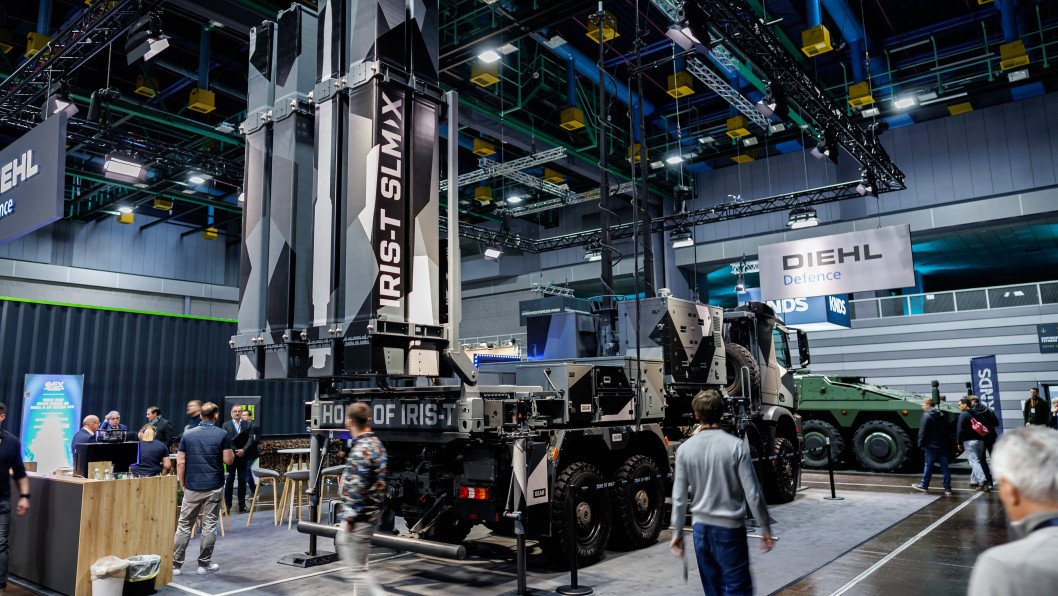
Defence Industry Europe, also cited by ArmyInform, reported that the missile hardware itself remains unchanged in the MK 4 variant. The system is expected to gain a fire-on-the-move capability in the future, allowing missile launches while the vehicle is in motion—a feature that would further compress response times in mobile operations.
The MK 4 standard was developed in alignment with NATO requirements and operational specifications, reflecting the alliance's growing emphasis on integrated, rapidly deployable short-range air defense.
The SLS system is already incorporated into the Ukrainian layered air defense concept and can integrate additional effectors, including the unmanned armed missile system or a combat station.
Discuss this article:
-9a7b3a98ed5c506e0b77a6663f5727c5.png)


-6ff4efaedd2092e0205aad37f9e7b98a.jpg "Illustrative image. US F-16 and Polish MiG-29 over Poland, 2005.")