- Category
- Latest news
How Russian Athletes With Military Ties Are Competing at the 2026 Winter Olympics
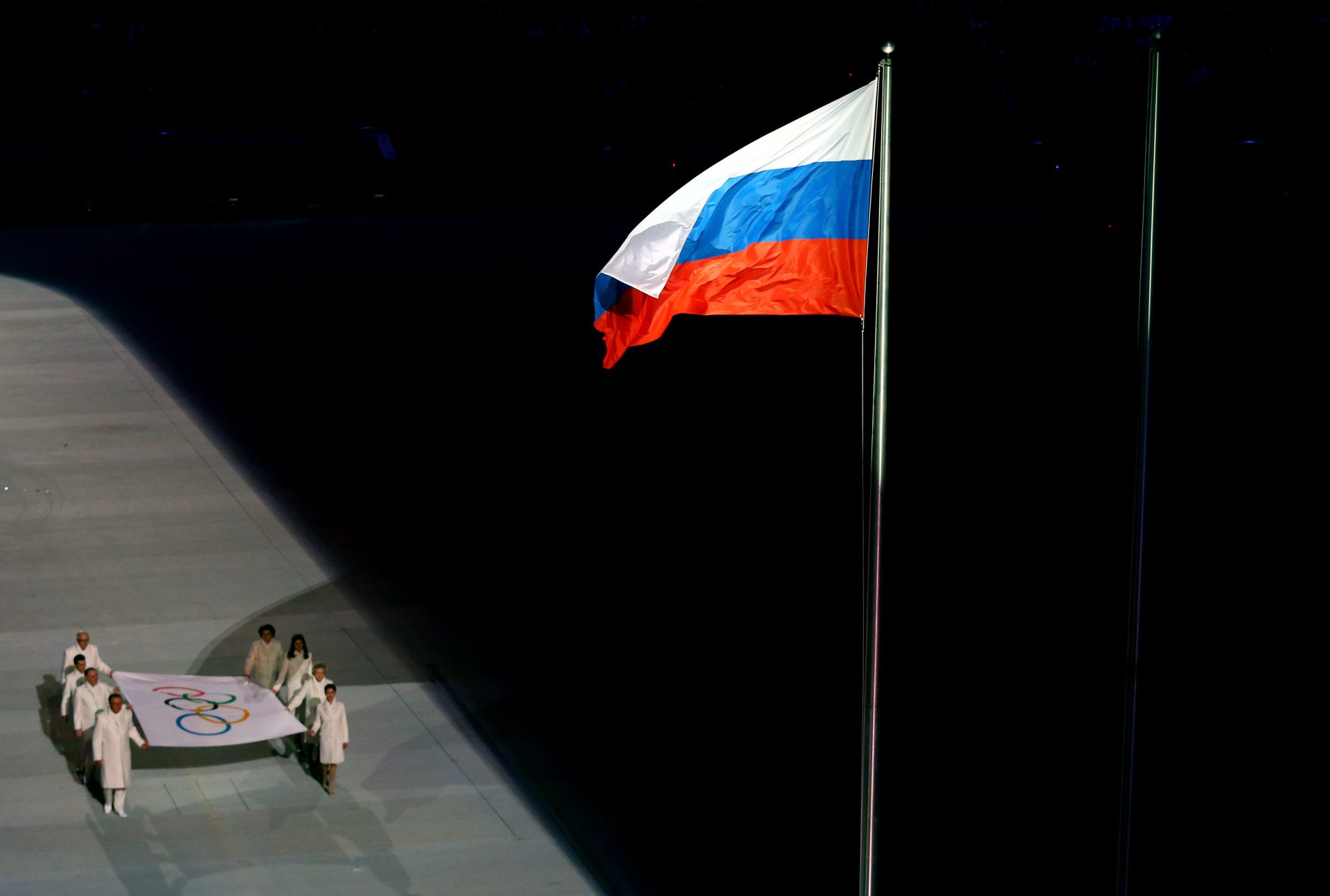
Despite promises of neutrality, Russia’s presence at the 2026 Winter Olympics is becoming increasingly political. The International Olympic Committee (IOC) set strict conditions: only individual athletes from Russia and Belarus can compete—under a neutral flag, with no teams allowed. Those who support the war or serve in the Russian army or security forces were supposed to be excluded.
But will these rules hold?
 Prefer U24 Media on Google
- Authors


Analysts from Molfar Intelligence Institute (MII) compiled a dossier on 56 Russian athletes who plan to compete in the Games—uncovering military affiliations, Kremlin grants, propaganda ties, and even trips to occupied Crimea.
Short Track
Six Russian short-track skaters—including Illarion Saboltashev and Elena Seryogina—have been granted “neutral” status and received visas to compete in qualifying events in the United States and Canada.
Illarion Saboltashev (Bogdanov), 19
Saboltashev’s online posts tell a different story from the neutrality he claims. In a Telegram post, he likely referred to his experience of military service or training, writing: “Feels like being back in the army,” and in January 2025, he shared a photo with the Russian flag and the slogan “Forward, Russia!”
Saboltashev also wrote that if he didn’t win a medal at the Olympics, he’d return “at least with good vibes and a few chants of ‘Forward, Russia!’”
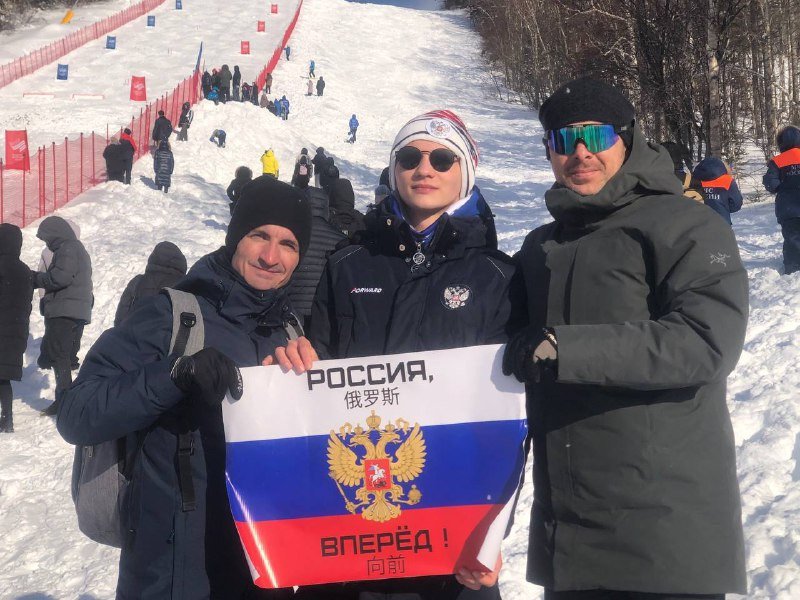
His past usernames include @Goida_goi—a reference to the nationalist slogan “Гойда!”, popularized in 2022 by pro-Kremlin actor Ivan Okhlobystin at rallies celebrating Russia’s illegal annexation of Ukrainian territories.
Even his family ties run deep into the system: his brother works at the Center for Sports Training of National Teams in Leningrad region, heading the department of “information support and propaganda of sports.” He follows patriotic and pro-war groups such as “Patriots | Russia” (“Putin is God’s servant” as a description) and “Russian Cats | Z.”
Elena Seryogina, 23
In 2019, Seryogina received a grant personally from Russian leader Vladimir Putin for her “sporting achievements.”
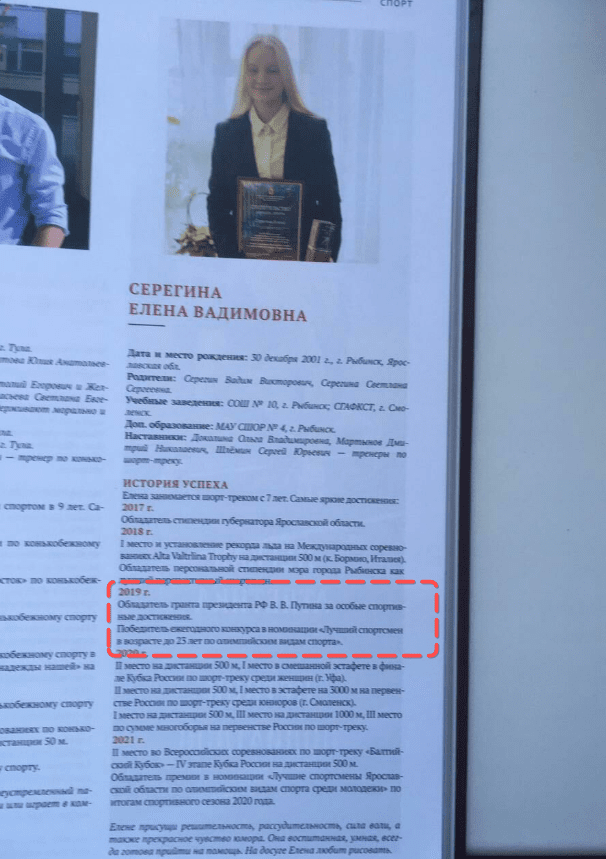
Two years later, she visited occupied Crimea, violating international law.
She continued wearing gear with the Russian Olympic Committee logo throughout 2022–2023.
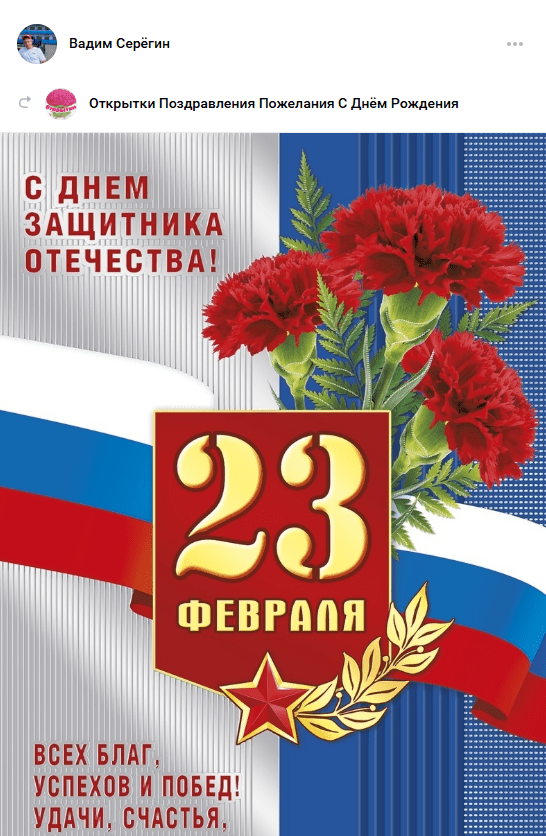
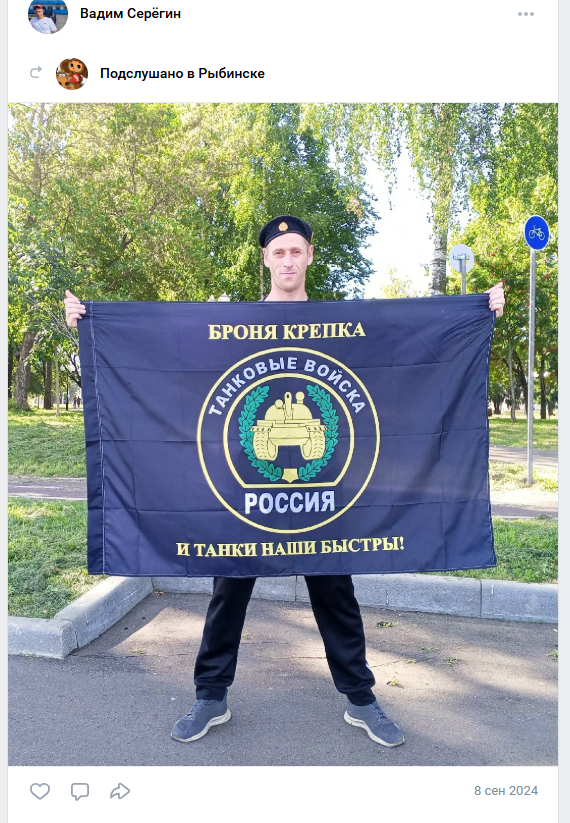
Her father’s social media activity further exposes the family’s stance. In 2025, he posted greetings for “Defender of the Fatherland Day,” and in 2024 he shared a photo of a man in Russian tank forces uniform holding the national flag.
Bobsleigh
The International Bobsleigh and Skeleton Federation (IBSF) initially banned all Russian athletes in September. Yet, in October 2025, an appeals tribunal allowed some to compete as “neutral athletes.” According to the IOC’s decision, teams made up of athletes holding Russian passports will not be considered—but the final status of Russian bobsleigh athletes remains unclear.
Maxim Andrianov, 37
In March 2022, Andrianov appeared in a Krasnodar regional sports ministry video promoting the idea of holding the Paralympic Games in Russia. The video ended with the Z-symbol, the emblem of Russia’s war aggression.
He also liked a 2025 post of former bobsledder Vladislav Zharovtsev, who appeared in military uniform. Several other supposedly neutral athletes featured in the Molfar dossier reacted similarly.
Before 2020, Andrianov was featured on the official CSKA (Central Sports Club of the Army) website as a “military bobsledder.”
Anastasia Makarova, 26
Makarova serves in the Russian National Guard (Rosgvardiya) and, as of 2024, held the rank of warrant officer. She also appeared in the same propaganda video as Andrianov in 2022, promoting Russian militarism under the guise of sport.
Skeleton
In September 2025, reports suggested a full ban on Russian skeleton athletes—but a month later, the IBSF appeals tribunal allowed participation under neutral status.
Anastasia Tsyganova, 22
Her pinned Instagram post shows her at a Moscow “Spartak” football match, singing the wartime song Katyusha .
She was previously a member of the military-patriotic club “Cadets-Zhukovites” during her school years and visited occupied Crimea in 2022.
On VKontakte , she follows the page of “Supporters of United Russia,” Putin’s ruling party.
Behind the IOC’s promise of neutrality lies a network of athletes linked to the Russian military, propaganda, and state rewards. Many of them—while competing under white flags—continue to wave the symbols of war at home.
As the 2026 Olympics approach, the question remains: Can neutrality exist when the athletes themselves refuse to be neutral?
Discuss this article:
-8321e853b95979ae8ceee7f07e47d845.png)

-c439b7bd9030ecf9d5a4287dc361ba31.jpg "Photo of Katherina Popilnichenko")