- Category
- Latest news
Russian Grain Carrier Sinks After Drone Strike in Sea of Azov
 Prefer U24 Media on Google
- Authors


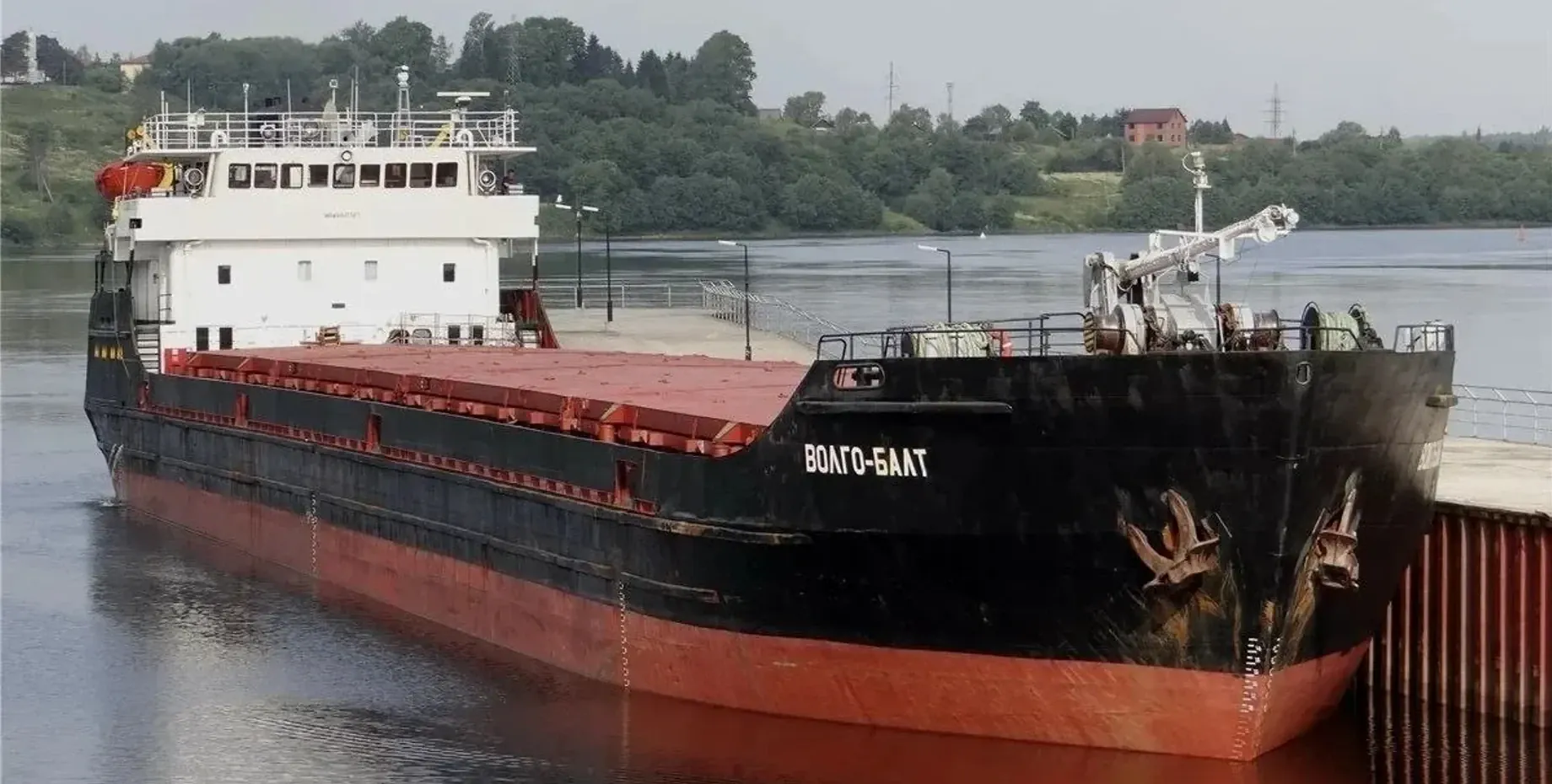
A Russian dry cargo vessel of the Volgo-Balt type sank in the Sea of Azov on April 5 following what Russian officials described as a drone strike, according to Russian state news agency TASS and statements from the Russian-installed administration in occupied Kherson region.
We bring you stories from the ground. Your support keeps our team in the field.
The vessel was carrying grain at the time of the incident. Vladimir Saldo, the Russian-appointed head of the temporary occupied part of Kherson region, said the ship sustained damage and later sank.
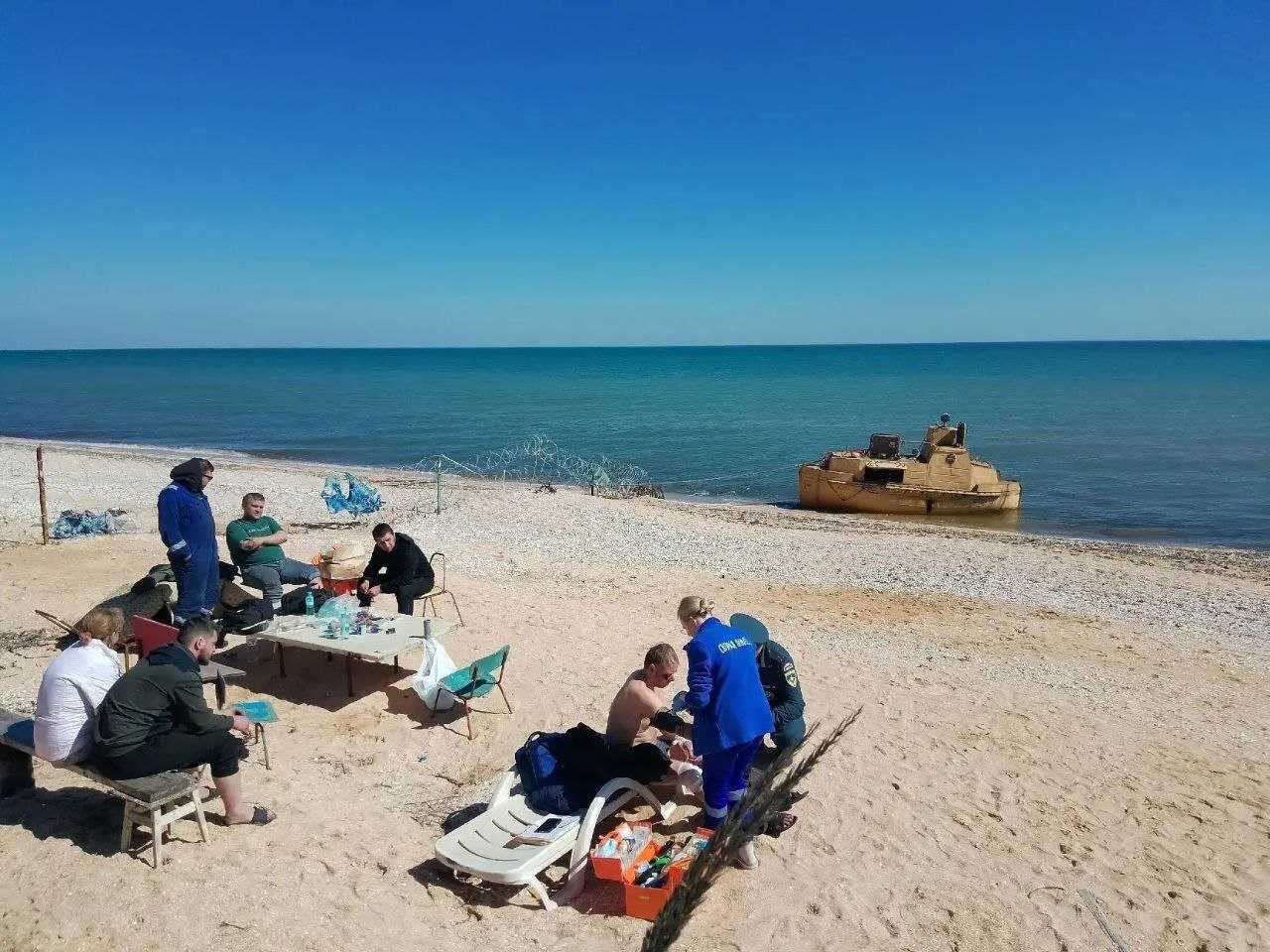
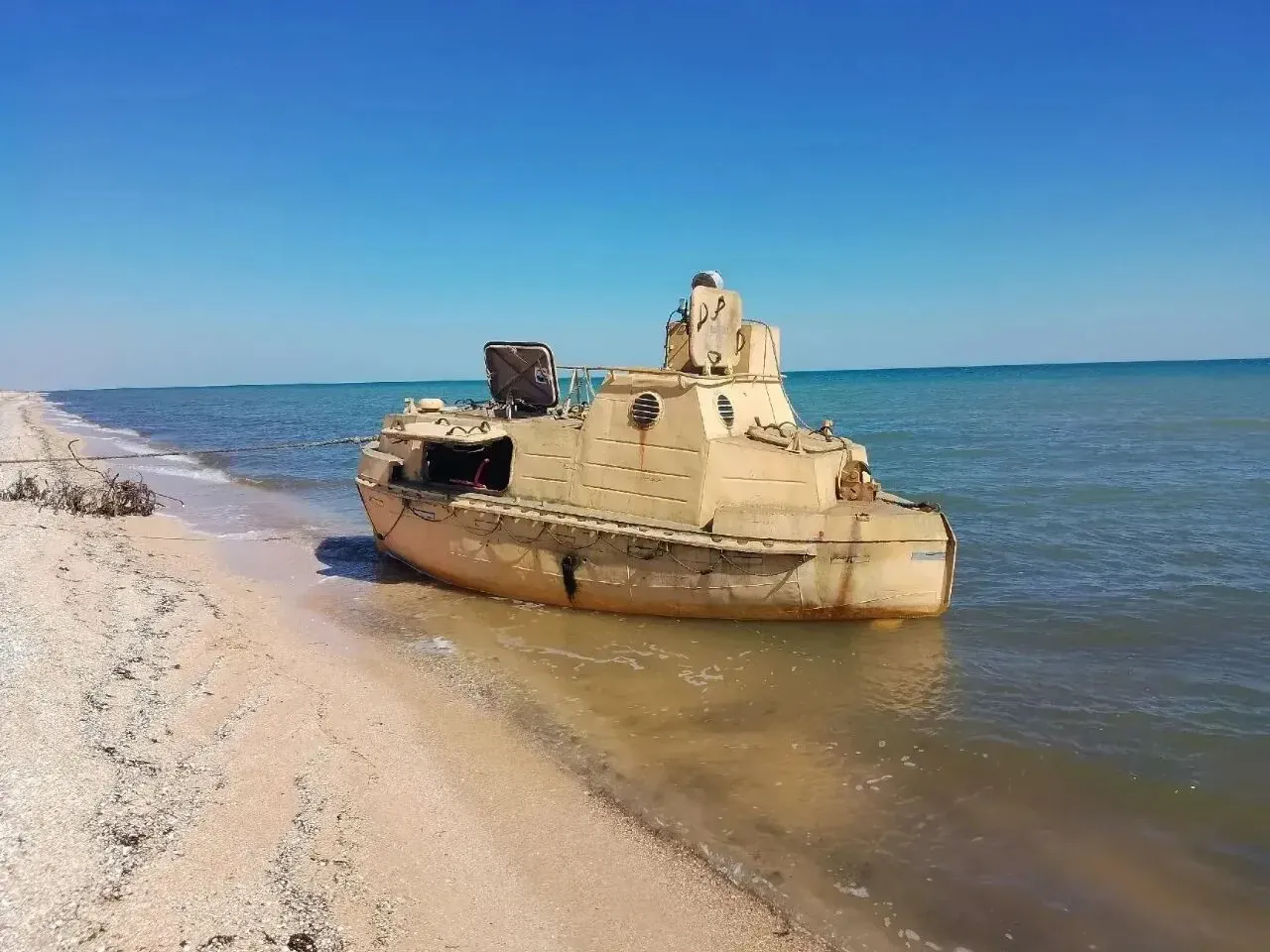
He reported that crew members abandoned the vessel and reached the shoreline near the village of Shchaslyvtseve.
Details about casualties vary across reports. According to the occupation administration cited by Ukrainian and Russian outlets, between one and three crew members were reported dead, while others were evacuated in a lifeboat capsule and made it to shore. Emergency services later provided assistance to the survivors.
The vessel was identified as part of the Volgo-Balt class, a series of river-sea cargo ships frequently used in regional transport. According to Ukraine’s Defense Intelligence (HUR) War & Sanctions database, several ships of this type—including Volgo-Balt 106, 216, 230, and 237—have previously been linked to the transportation of grain from temporarily occupied Ukrainian territories.
Shipping patterns involving such vessels typically include disabling AIS tracking systems while transporting cargo from occupied ports to Russia, where the grain is re-exported and reclassified as Russian-origin, according to Ukrainian authorities.
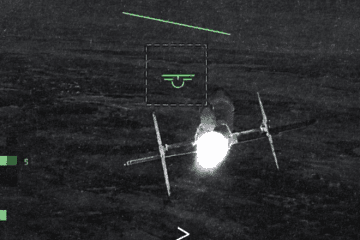
The reported sinking follows previous Ukrainian operations targeting Russian naval assets in the Sea of Azov. In August 2025, Ukrainian military intelligence reported a successful strike on a Project 21631 Buyan-M class missile ship, a platform capable of launching Kalibr cruise missiles.
Earlier, a Russian shadow fleet LNG carrier, Arctic Metagas, was left drifting in the Mediterranean after an explosion damaged its hull. The vessel, carrying over 60,000 tons of liquefied natural gas, was abandoned by its crew and remains stranded between Malta, Italy, and Libya.
Discuss this article:
-9a7b3a98ed5c506e0b77a6663f5727c5.png)