- Category
- Latest news
Russian Pavilion Reopening Sparks EU Threat to Cut $2,2M Funding to Venice Biennale
 Prefer U24 Media on Google
- Authors


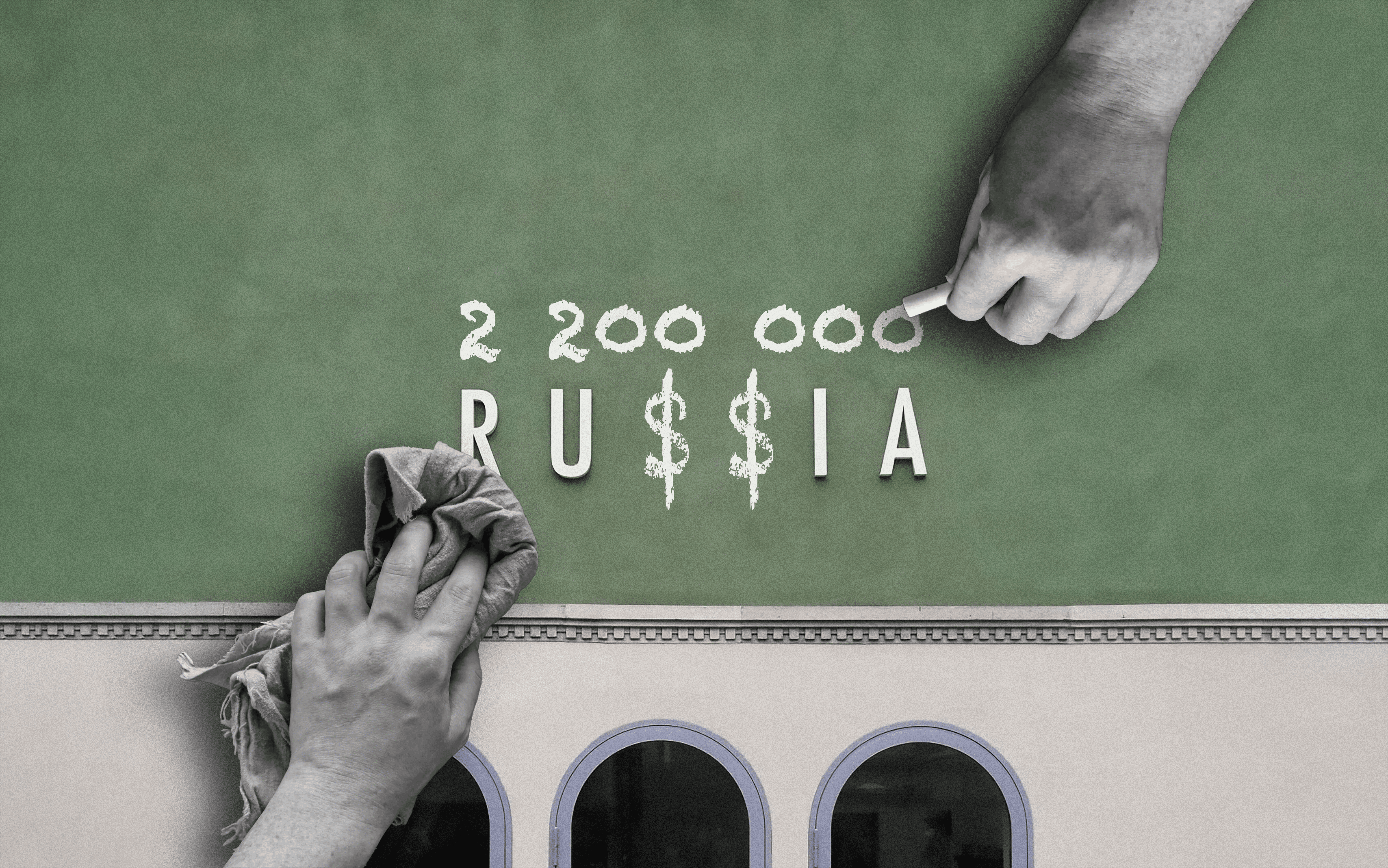
The European Commission has threatened to freeze €2 million ($2.2 million) in funding to the Venice Biennale over the planned reopening of the Russian pavilion, escalating tensions between Brussels and Italian authorities ahead of the 2026 exhibition.
According to Euronews on April 13, citing Italian media reports, the Commission’s Education and Culture Executive Agency sent a letter to Biennale president Pietrangelo Buttafuoco initiating a procedure that could suspend or revoke financial support allocated to the institution through 2028. The Biennale has been given 30 days to clarify its position or risk losing the grant.
We bring you stories from the ground. Your support keeps our team in the field.
The controversy centers on Russia’s planned participation in the 61st International Art Exhibition, set to open on May 9, the outlet reported. The Russian pavilion has remained closed since 2022 following the start of Russia’s full-scale invasion of Ukraine.
The European Commission has previously voiced strong opposition. In a note published on March 10, Executive Vice-President Henna Virkkunen and Culture Commissioner Glenn Micallef condemned the decision by Biennale management.
Vice-Premier Matteo Salvini, however, sharply criticized the Commission’s position.
“In the last few hours I have been reading about the vulgar blackmail that is allegedly being carried out by the European bureaucracy against one of the most important and free cultural bodies in the world, the Venice Art Biennale: ‘I will take away your funds because you dare invite Russian artists’. We are truly at madness,” he said during an event in Milan, according to Euronews.
Regional officials in Italy have also pushed back. Veneto region president Alberto Stefani called the EU’s stance “unacceptable,” arguing that art should “foster moments of cultural confrontation that can become opportunities for building bridges, especially when official diplomacy struggles to find solutions.”
Furthermore, on March 20, the Venice Biennale Foundation stated that Russia’s participation in the exhibition does not breach European Union sanctions imposed after the full-scale invasion of Ukraine.
The Biennale, led by Pietrangelo Buttafuoco, submitted “all requested documentation” to the Italian Ministry of Culture after Minister Alessandro Giuli requested urgent clarification on the matter. The review was intended to assess whether any logistical, financial, or material aspects of the Russian pavilion could conflict with EU restrictions introduced in 2022.
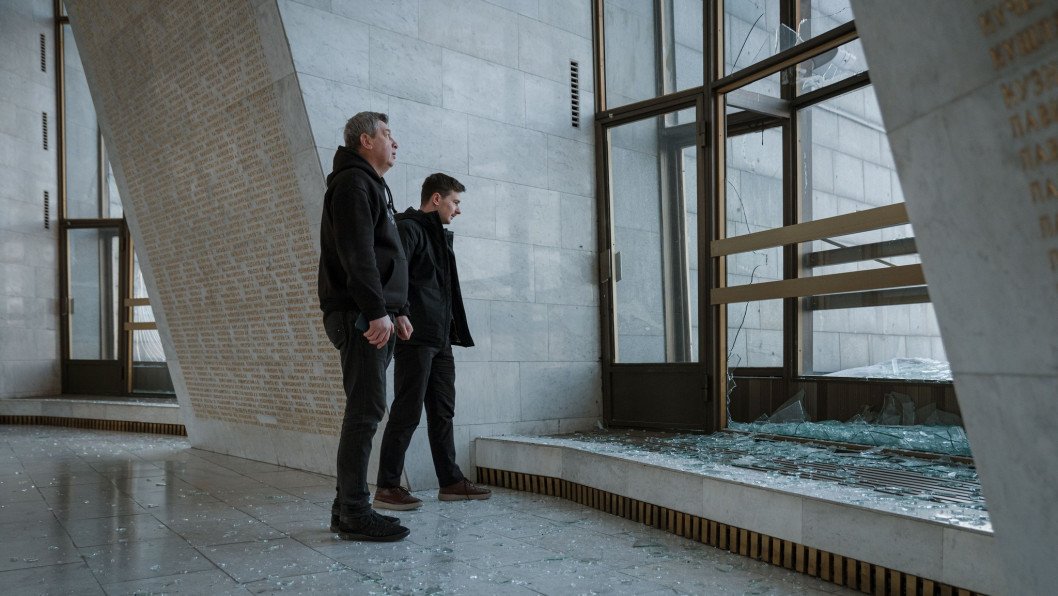
Italian news agency Adnkronos reported that current sanctions do not explicitly ban Russian artists from taking part in international cultural events. In its response, the Biennale stated that “no rules were violated, and sanctions against the Russian Federation were fully respected.”
However, Ukrainain Foreign Minister Andrii Sybiha and Minister of Culture Tetyana Berezha underline, there can be no place in the cultural sphere for those responsible for destruction, as Russia continues to target Ukrainian cultural sites. With numerous cultural sites damaged, artifacts at risk, and losses among artists and media professionals since the start of the full-scale invasion, they argue that “any admission of russian representatives to international art events is unacceptable.”
During the latest attack on Lviv on March 24, Russian forces carried out a drone strike targeting the historic center of the city, damaging a residential building and impacting sites protected under UNESCO heritage status.
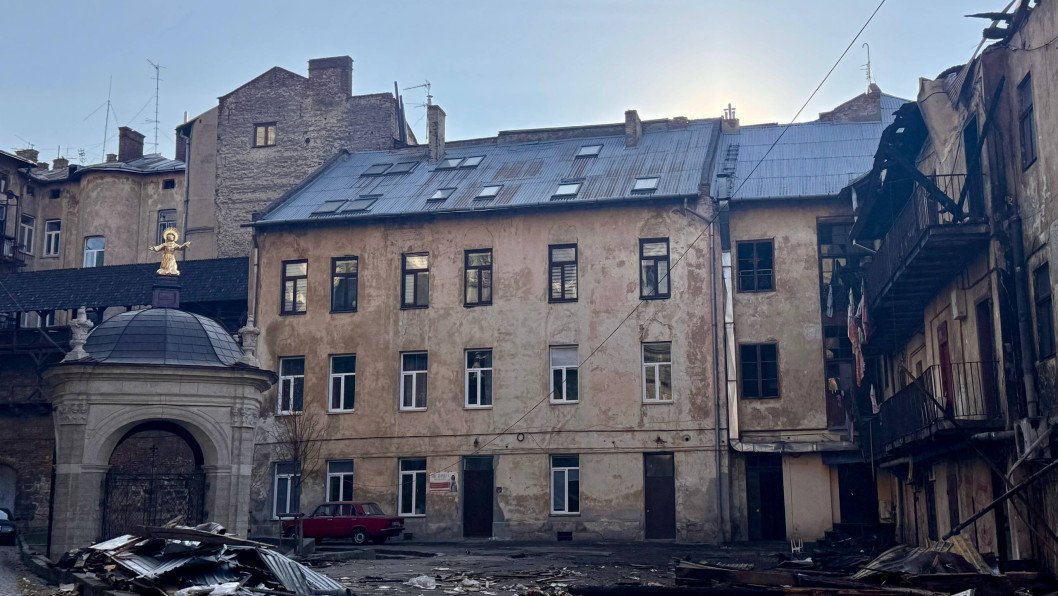
According to the reports, damaged site is the Bernardine Monastery Complex, located within the historical area of Lviv, a site listed in the International Register of Cultural Heritage under enhanced protection.
Since the start of Russia’s full-scale invasion of Ukraine, more than 100 UNESCO-listed sites have sustained damage, including 44 in Odesa, 59 in Lviv, and the Hryhorii Skovoroda National Literary and Memorial Museum in the Kharkiv region.
The damage to Ukraine’s cultural heritage continued to escalate. According to the Ministry of Culture, in 2025, 307 heritage sites and 261 cultural infrastructure facilities were either destroyed or heavily damaged over the course of the year.
Overall, the number of affected cultural landmarks has now reached 1,640, alongside 2,446 impacted cultural infrastructure sites. Among them, 153 are classified as nationally significant, 1,333 as locally significant, and 154 are newly identified heritage objects. The destruction has been recorded across 18 regions of the country.
Discuss this article:
-4a56a6b482ec132402c16ef6fcabf9a2.png)