- Category
- Latest news
Stolen EU Vehicles Reappear in Russia With “Clean” Papers After Donbas Detour
 Prefer U24 Media on Google
- Authors


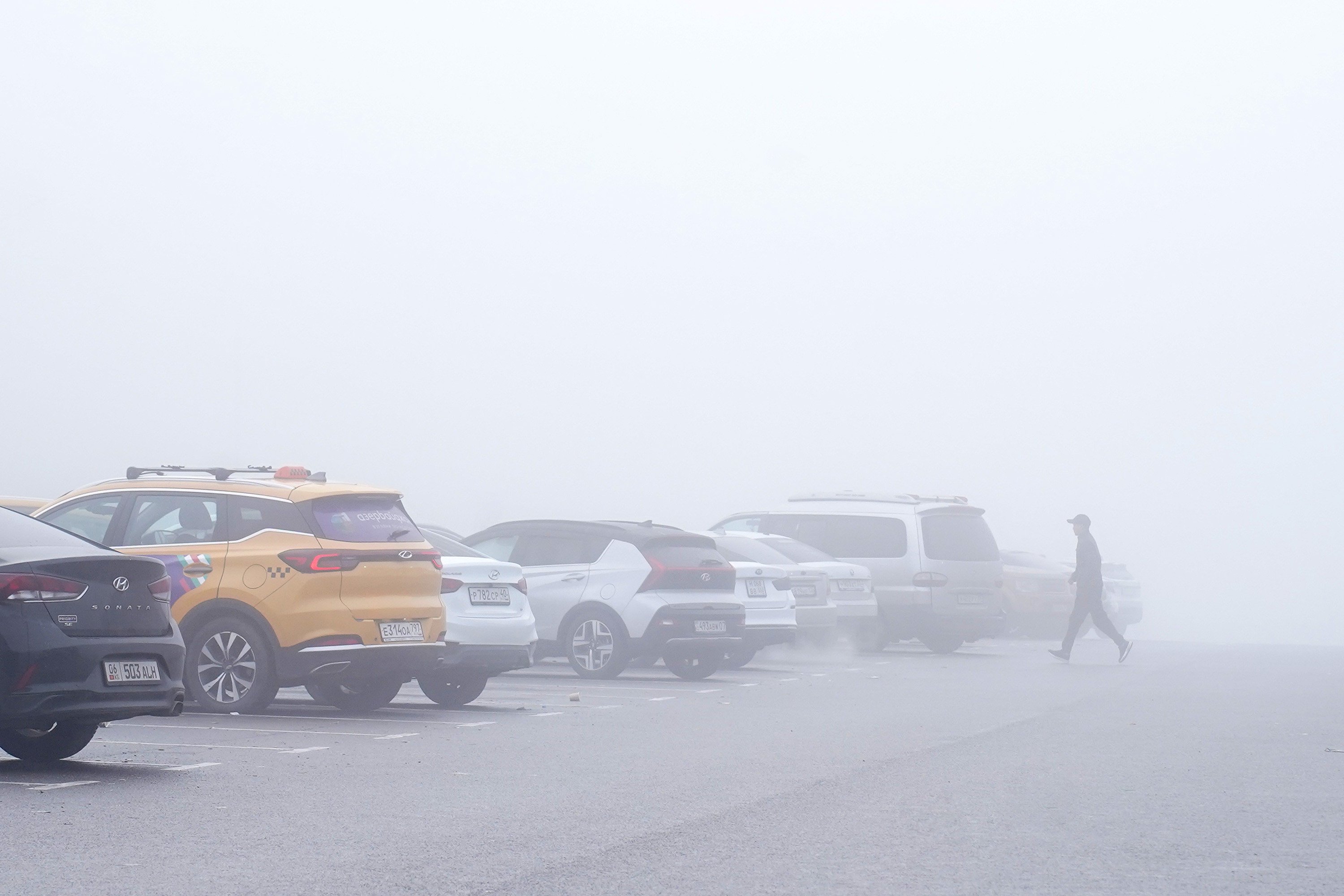
Russia has built a pipeline for laundering stolen European cars by routing them through Russian-occupied regions of Ukraine, according to The Moscow Times on November 21.
Vehicles stolen in EU countries are first driven into Ukraine and then moved into the occupied portions of Luhansk and Donetsk.
We bring you stories from the ground. Your support keeps our team in the field.
Those territories, the outlet notes, operate under “simplified vehicle-control procedures,” making them a convenient gateway for wiping or obscuring a car’s foreign history before bringing it into Russia.
A security expert said stolen vehicles are temporarily registered to individuals with clean documents—known as “drops.”
Once the car is registered under a drop, it is transported to Rostov-on-Don and re-registered to the final Russian buyer. According to the expert, the car then appears in Russian databases as if it were undergoing its first-ever registration, with no trace of its European origin.
Because the cars are not altered or re-stamped, they can pass standard Russian inspections without issue. Drivers can use them freely until the vehicle surfaces in an Interpol alert.
At that point, Russian police are obligated to seize the car and send it to an impound lot. Confiscation is also a risk for any Russian driver who takes such a vehicle across an international border.
The Moscow Times notes that Russia’s cooperation with Interpol has become severely restricted since the full-scale invasion of Ukraine. That disruption means European stolen-vehicle databases are updated irregularly, and in some cases not at all—particularly from countries such as Poland, Estonia, Latvia, and Lithuania, which have effectively suspended law-enforcement cooperation with Moscow.
The car stolen in #Ukraine was found in #Tver. A relative of the marauder decided to show off the stolen car in a regional group on social networks. In the post, they ask people how to register a car in #Russia. pic.twitter.com/PXxR4Rk8kC
— NEXTA (@nexta_tv) April 19, 2022
Valentin Stanovov, a retired police colonel and expert on organized crime, told The Moscow Times that once Russia’s links with Interpol are restored, “a large volume of stolen vehicles will suddenly become visible in international databases,” putting hundreds of Russian buyers at risk of losing both their cars and the money they paid to criminal middlemen.
Earlier, reports emerged that thousands of foreign-made cars brought into Russia under parallel import schemes have ended up flagged as stolen in Interpol’s international database.
Discuss this article:
-9bd5e1532102621f8fb1c4ba871a3171.png)


-c439b7bd9030ecf9d5a4287dc361ba31.jpg "Photo of Katherina Popilnichenko")

-111f0e5095e02c02446ffed57bfb0ab1.jpeg "Photo of Roman Kohanets")