- Category
- Latest news
UK Councils Sit on $400M in Refugee Housing Funds as Ukrainians Face Homelessness
 Prefer U24 Media on Google
- Authors


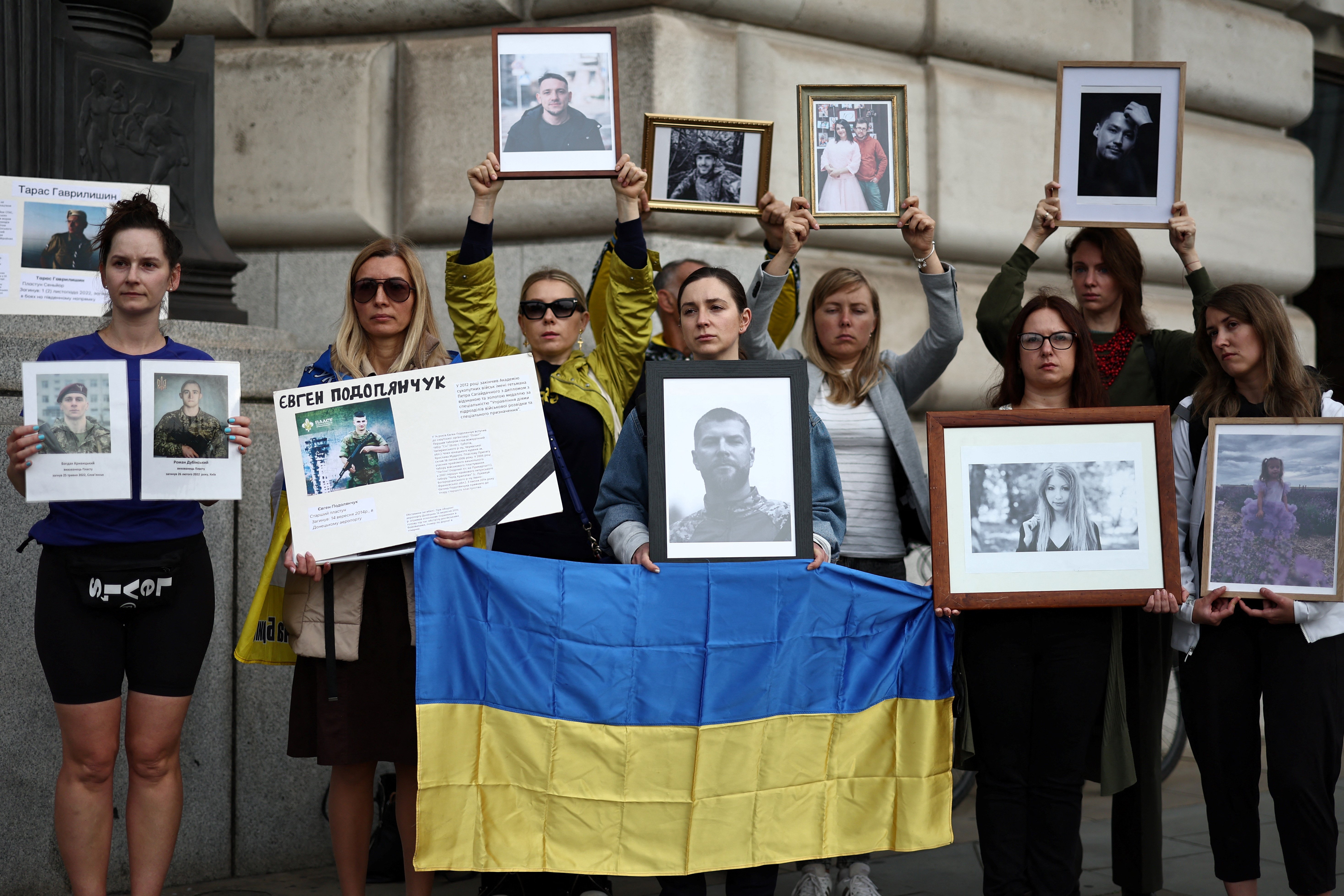
More than $400 million allocated to English councils to help Ukrainian refugees secure housing remains unused, even as thousands face homelessness, according to The Guardian on August 18.
Freedom of information (FoI) requests submitted to 150 councils in England, shared with the Guardian, revealed that $427 million—roughly a third of the $1.2 billion budget—is still sitting in council accounts more than three years after Russia launched its full-scale invasion of Ukraine.
Most of the money spent so far has gone toward paying council staff and partner organizations. Just $29 million has been used for temporary accommodation for Ukrainians, and $19.6 million to help them access private rentals.
Many Ukrainians continue to struggle in the private rental sector, where deposits are required and guarantors are often needed. Councils can provide support, but refugees say the process is slow, bureaucratic, and difficult to navigate—especially for those with limited English.
-95f6bcc4daa5579b0f4d10991f1e0fad.jpg)
Earlier this year, British Red Cross research showed Ukrainian refugees are more than twice as likely as British citizens to experience homelessness. The study, which covered the whole of Britain, estimates that over 6,400 Ukrainian families will face some form of homelessness this year.
According to The Guardian, Baljeet Nijjhar of UKrainian Refugee Help, who compiled the FoI data, said: “Local councils are allocated thousands of pounds per Ukrainian arrival, yet the guests we support seem to struggle to access this directly when in need.
“The most common issue is inability to rent privately and people often don’t know anyone in the UK who could act as a guarantor, so it’s the local council that they must rely on here to solve this problem,” Nijjhar stated
She added that their research shows many councils still hold significant levels of funds but have helped very few people to rent, while others have demonstrated a “can do,” proactive approach and supported significantly more.
Nijjhar also called for clear spending targets to ensure government money earmarked for Ukrainians is used effectively, and urged the Ministry of Housing, Communities and Local Government to step in and accelerate access to private housing.
Solomiia Baranets, a Ukrainian refugee and trainee lawyer running the Ukrainian Employment Integration Project, said she struggled to secure housing for her family while also helping others in similar situations, The Guardian reported.
“The status of Ukrainians here is not stable. I have two children and a disabled mother. I contacted more than 50 landlords. They were very polite but they never came back to me. The council did not help me. I had to help myself,” she said.
Stan Beneš, director of “Opora”, an organization supporting Ukrainians as they rebuild their lives, added: “The quality of council support for Ukrainians is often a postcode lottery. Since the Ukraine visa schemes began, councils have had significant discretion over how to use government-allocated funds, and whether to top them up from their own budgets.”
Earlier, it was reported that more than $1 million in European Union aid intended for Ukrainian war refugees in Lithuania was wrongly allocated to Russian, Belarusian, and other non-Ukrainian citizens.
Discuss this article:



-c439b7bd9030ecf9d5a4287dc361ba31.jpg "Photo of Katherina Popilnichenko")