- Category
- Latest news
Ukrainian MiG-29 Spotted With Domestic KAB Bombs—A Game-Changer in the Skies
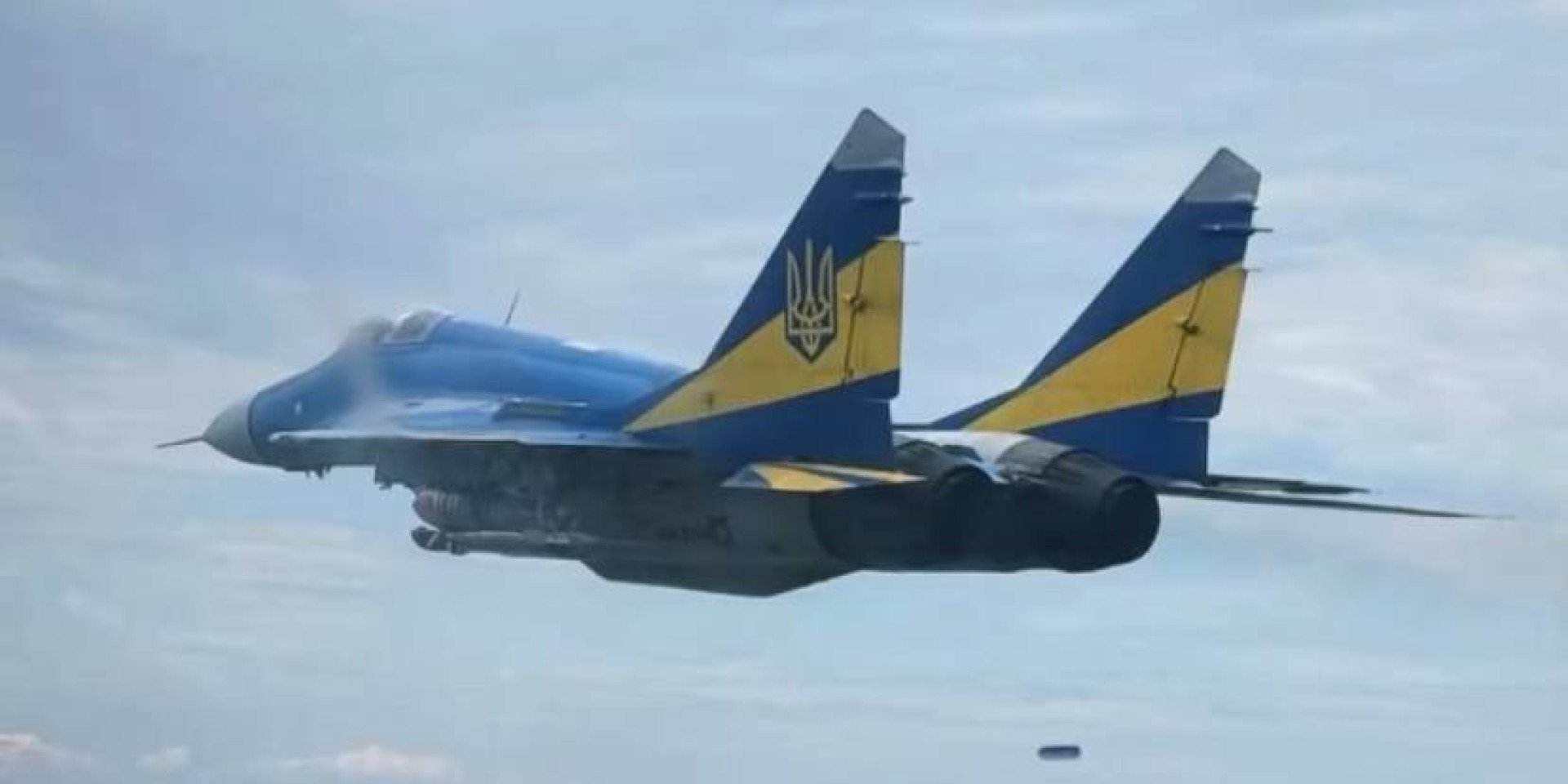
Ukraine’s MiG-29s are getting a new lease on life: the fighters have been spotted carrying homegrown glide bombs, marking a major step toward boosting Kyiv’s strike capabilities.
 Prefer U24 Media on Google
- Authors


Ukraine appears to have integrated its domestically developed glide bomb kit—known locally as a KAB—onto the MiG-29 fighter jet, which remains a backbone of the country’s Air Force fleet, Ukrainian defense media outlet Defense Express reported on September 2.
A MiG-29 was recently spotted carrying a 500-kg bomb fitted with Ukraine’s KAB guidance kit, an indigenous counterpart to Russia’s UMPK system. The sighting suggests Kyiv is moving toward broader deployment of these weapons on its most numerous aircraft. It remains unclear whether the photo was taken during a combat sortie or a testing flight.
🇺🇦 Ukraine tests its own glide bomb—analog of Russia’s KAB.
— Ivan Khomenko (@KhomenkoIv60065) June 25, 2025
Range: 60 km, planned: 80 km.
Now developers need funding to scale up production.
🎥:Defense Express pic.twitter.com/NEAngBg4wP
Earlier, Defense Express published footage of tests involving the KAB developed by the Ukrainian design bureau “Medoid.” At that stage, the weapon was mounted on a Su-24 frontline bomber, which was likely used only as a trial platform.
Ukraine’s inventory of Su-24M/MR bombers is limited, and today they are primarily tasked with launching Storm Shadow and SCALP cruise missiles supplied by Western partners—a role that, in part, could eventually be filled by the French Mirage 2000.
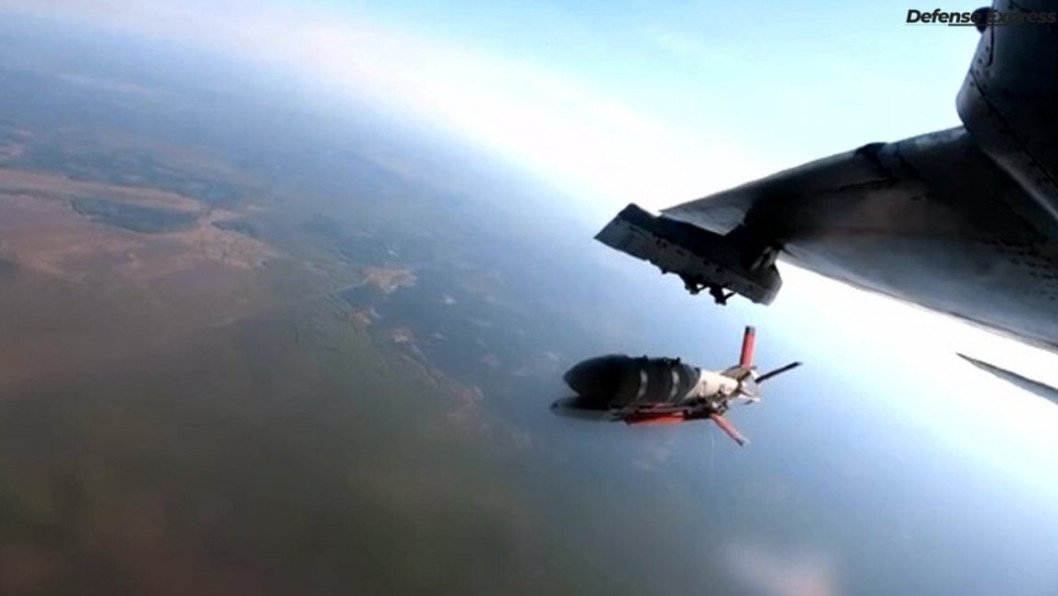
From testing on Su-24s to combat deployment on fighters
By contrast, the MiG-29 is the most numerous fighter in Ukraine’s arsenal and benefits from fully localized maintenance and service support. The aircraft can carry 500-kg bombs, meaning that if the KAB is successfully integrated, the Air Force could significantly increase the frequency and scale of precision strikes.
This would not be the first time the MiG-29 has been adapted for guided munitions. Previous upgrades have allowed it to carry American GBU-39 bombs and French AASM HAMMERs. However, given the limited supply of Western-made weapons, Ukraine’s homegrown alternative could prove critical.
✈️🇺🇦🤩 MiG-29 of the Ukrainian Air Force destroyed position of the Russian UAV operators with GBU-39 bombs. pic.twitter.com/iyOPIz7ckv
— MAKS 25 🇺🇦👀 (@Maks_NAFO_FELLA) July 13, 2025
Cheaper production, more sustainable than Western supply
Ukrainian engineers state that the current KAB can hit targets at ranges of up to 60 kilometers, with plans to extend that to 80 kilometers. The kit is designed for 500-kg-class bombs and is already reported to be cheaper than Western equivalents, even at the prototype stage.
Analysts suggest that earlier modifications to integrate foreign systems may have paved the way for smoother adaptation of Ukraine’s own weapons on Soviet-era jets. This raises the possibility that the KAB could eventually be fitted onto the Su-27, or that such integration is already underway.
MiG-29 UAF pic.twitter.com/Lanp8Q2G99
— Ukrainian Air Force (@KpsZSU) August 8, 2025
For now, Ukraine’s Air Force reportedly requires at least 100 such glide bombs per day—a demand that foreign deliveries cannot meet. Domestic production of the KAB offers a potential solution, strengthening Ukraine’s capacity to sustain frequent, precise, and cost-effective airstrikes.
Earlier, Ukraine developed an advanced electronic warfare (EW) system known as “Lima” that can interfere with the navigation of Russian glide bombs equipped with the Universal Planning and Correction Module (UMPK).
Discuss this article:


-c439b7bd9030ecf9d5a4287dc361ba31.jpg "Photo of Katherina Popilnichenko")