- Category
- War in Ukraine
How Russian Forces Use "Illegal-2026" Raids to Force Passports in Temporarily Occupied Ukraine
 Prefer U24 Media on Google
- Authors


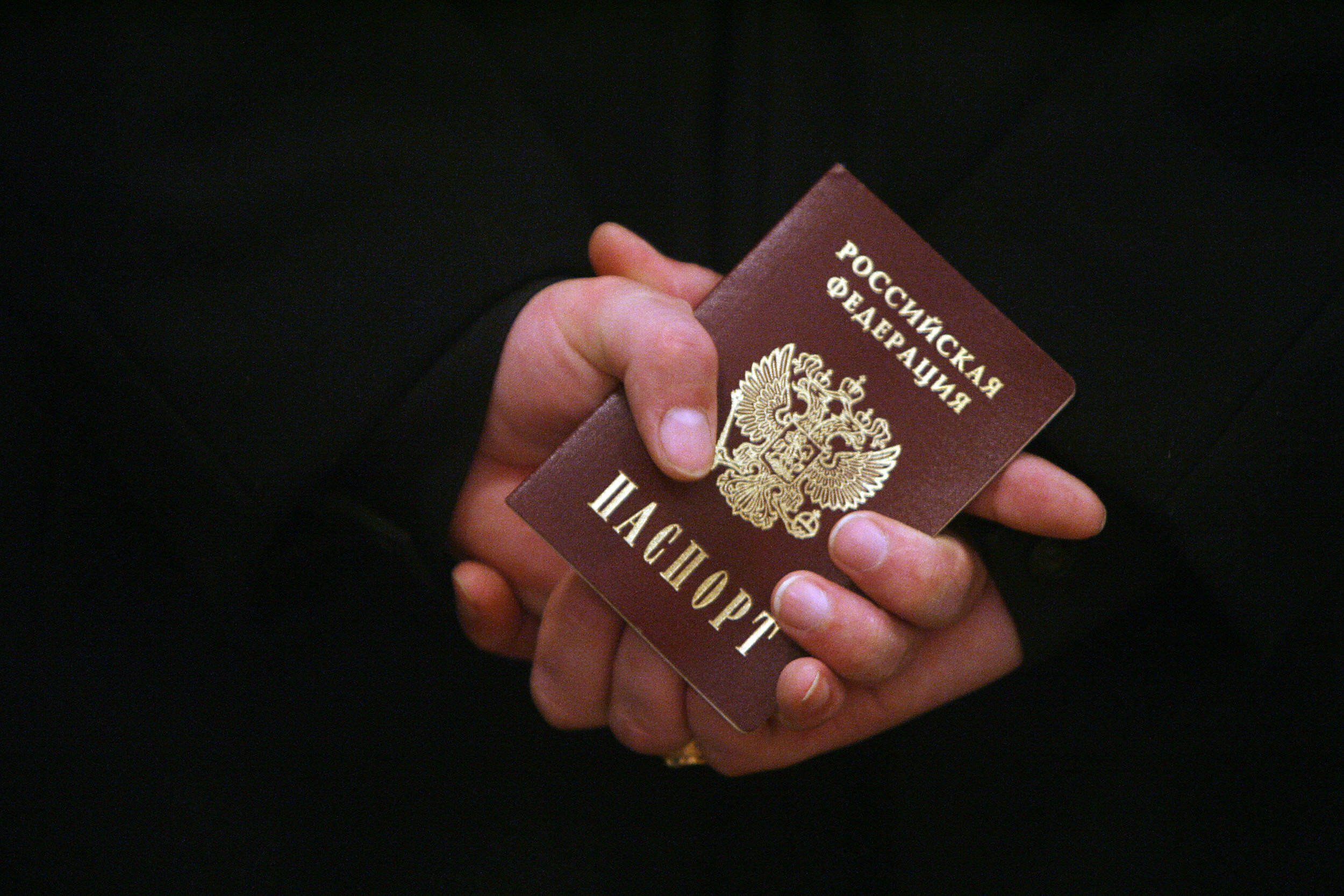
During the first 10 days of October 2026, Russian security forces and the FSB carried out another stage of an operation named "Illegal-2026" across the temporarily occupied territories of Ukraine, targeting people who have not received Russian citizenship.
According to Ukraine’s Main Directorate of Intelligence (HUR), occupation authorities categorize Ukrainians without Russian documents as foreign citizens and apply Russian migration law to them.
We bring you stories from the ground. Your support keeps our team in the field.
Ukrainian intelligence reports that the campaign aims to force local residents into obtaining Russian passports, push them out of the occupied areas, seize their property unlawfully, and dismiss them from their jobs.
In the temporarily occupied Luhansk Oblast, Russian security personnel are also checking minors. Parents who refuse to obtain Russian passports for their children face threats of fines, imprisonment, and the loss of parental rights.
Ukrainian intelligence views these measures as an instrument of ethnocide, designed to displace local residents from the occupied territories and replace them with citizens of Russia. Defense intelligence officials also note that the forced change of Ukrainian identity shows signs of genocide.

Similar raids under the "Illegal-2026" framework are taking place inside Russia as well. Security officers there inspect labor migrants, who can later be pressured into signing contracts with the Russian military to participate in Russia’s full-scale invasion of Ukraine.
Amid ongoing political repressions and forced measures across occupied territories, a Russian court sentenced 77-year-old Volodymyr Ananiev, the oldest Crimean political prisoner, to 18 years in prison over an alleged plot to assassinate Moscow-installed Crimean leader Sergei Aksyonov.
Under the sentence, he was expected to spend the first four years in prison and the remainder in a high-security penal colony, along with a fine of 600,000 rubles ($7,362). His wife described the case as fabricated and called the sentence a mockery of justice. Human rights advocates warned that, given his severe health issues and advanced age, the prolonged confinement essentially amounted to a death sentence.
Discuss this article: