- Category
- War in Ukraine
Russia Hides Potential Pneumonic Plague Outbreak After Fatal Lab Breach
 Prefer U24 Media on Google
- Authors


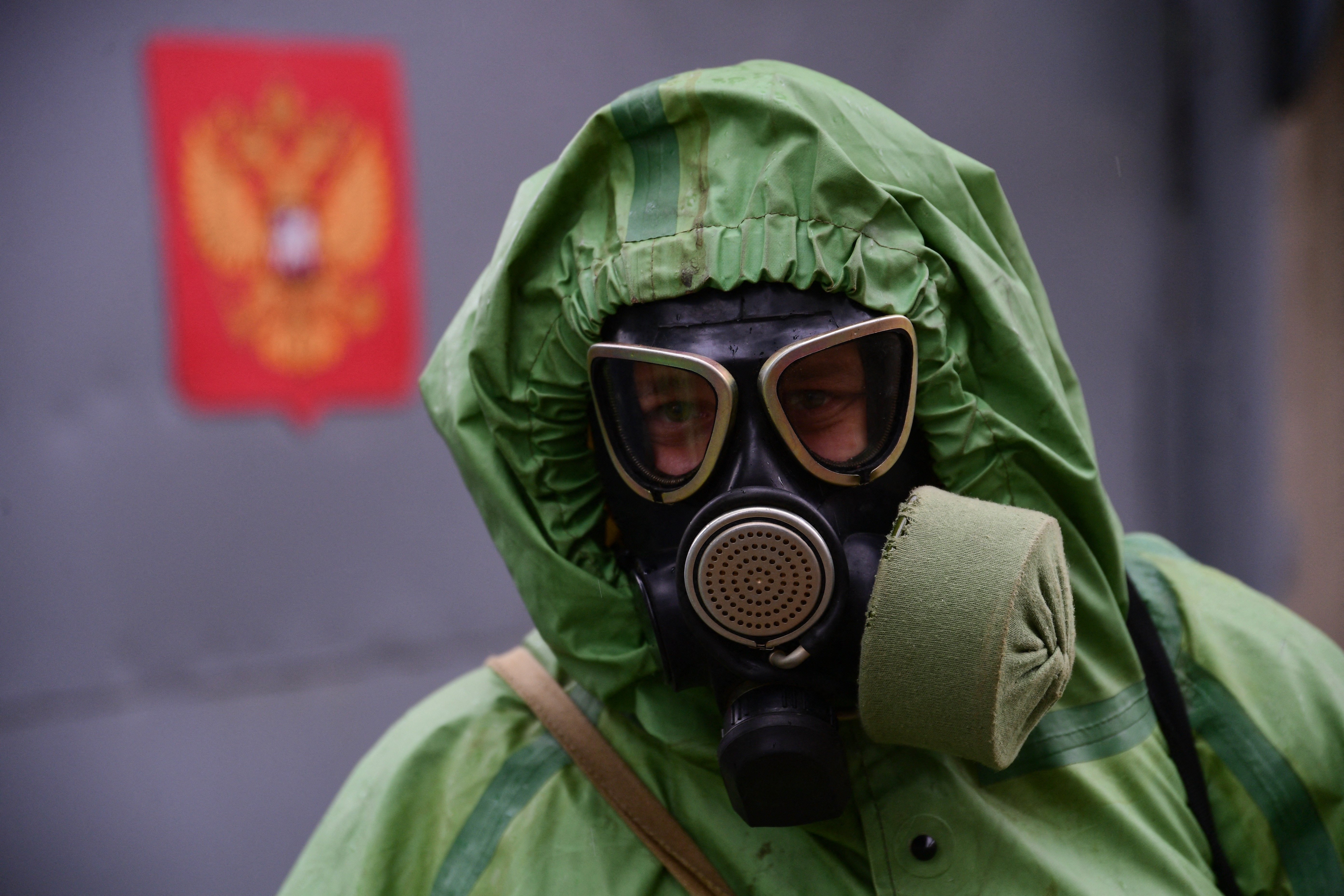
A health scare in Siberia is raising questions over what Russian authorities are trying to hide, as public warnings vanish, officials avoid naming the infection, and emergency measures quietly expand.
A suspected case of pneumonic plague has triggered emergency measures in Russia’s Irkutsk region after a 28-year-old employee of an anti-plague research institute died and nearly 200 people were placed under medical observation, while Russian officials have avoided publicly identifying the disease.
We bring you stories from the ground. Your support keeps our team in the field.
According to The Sun on October 3, Daria Shipilova, 28, who worked at the Irkutsk Anti-Plague Research Institute, reportedly died from plague, prompting the isolation of 189 people and an emergency response involving Russia’s top infectious disease official.

Shipilova was hospitalized in the town of Shelekhov with severe pneumonia-like symptoms before her death. The Shelekhov district hospital was subsequently placed under quarantine as health authorities began tracing people who may have come into contact with her.
Russian outlet Lyudi Baikala reported that Shipilova worked as a laboratory technician and may have been exposed on September 25 after breaking a test tube containing the pneumonic plague pathogen. The circumstances of the reported incident have not been officially confirmed.
Despite the scale of the response, authorities in the Irkutsk region have stopped short of publicly confirming pneumonic plague. Governor Igor Kobzev referred only to a suspected case of a “particularly dangerous infection,” saying identified contacts had been placed under medical observation and had so far tested negative.
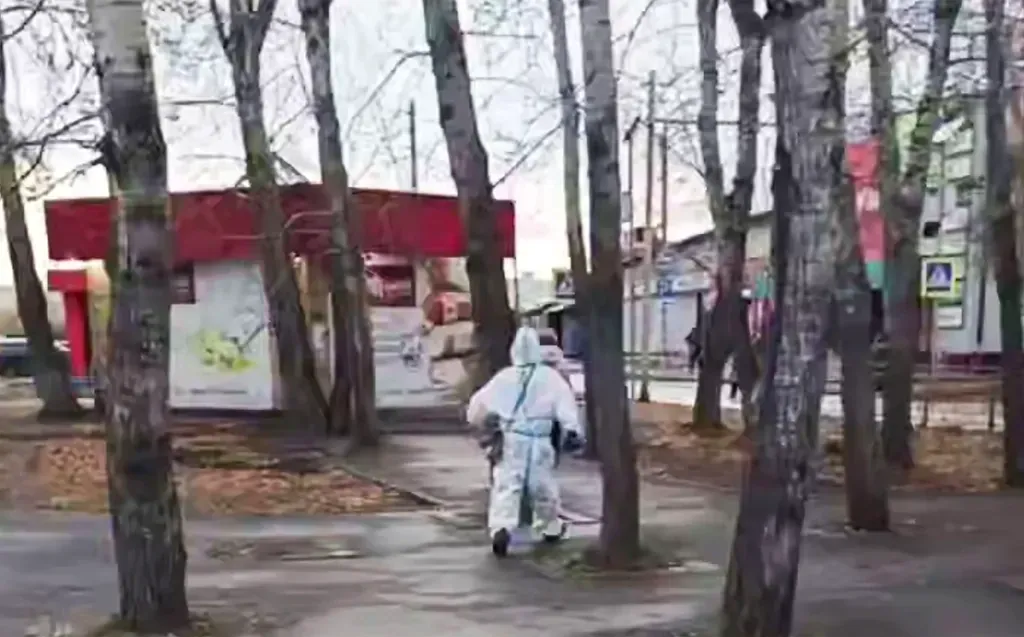
Russia’s chief sanitary official and head of Rospotrebnadzor, Anna Popova, rushed more than 2,600 miles from Moscow to Irkutsk to oversee the emergency response, according to The Sun, yet Russian authorities have still refused to publicly name the infection behind the alarm.
The Sun reported that 189 people were isolated—114 in one hospital, 63 in another, and 12 at the Irkutsk Anti-Plague Research Institute. Antibiotics reportedly disappeared from some pharmacy shelves amid panic buying, while authorities canceled public events.
The head of neighboring Buryatia, Alexey Tsydenov, initially said Shipilova had died from plague, only to later soften his statement to say she “may have died from plague.”

The information surrounding the suspected outbreak has also begun disappearing. Authorities in Baikalsk deleted a warning urging residents to avoid travel to Shelekhov, while Kremlin-linked REN TV removed five posts mentioning plague.
Russian epidemiologist Mikhail Favorov, now based in the US, told The Sun that Popova’s personal intervention suggested the situation was “terrible” and “critical,” while accusing authorities of concealing the full circumstances surrounding the case.
Despite the quarantine, emergency response and nearly 200 people being placed under observation, Russian officials continue to publicly describe the case only as a suspected “particularly dangerous infection.” As of October 4, however, authorities said those under observation showed no symptoms and had tested negative.
The suspected plague case comes amid broader concerns over infectious diseases in Russia. In September, researchers identified the drug-resistant tuberculosis strain EurA1.1 in several Russian regions, while the country recorded around 48,000 tuberculosis cases in 2025, including tens of thousands involving drug-resistant forms of the disease.
Discuss this article:


-efa69d4733b5af9f7cd0a642f85424a6.jpeg "Thick black smoke rises from the heavily damaged Proton-Electrotex plant in Orel, Russia, following a reported strike. (Source: Exilenova+)")