- Category
- War in Ukraine
Russia Loses Nearly 140 of Its Most Powerful Non-Nuclear Rocket Systems in Ukraine
 Prefer U24 Media on Google
- Authors


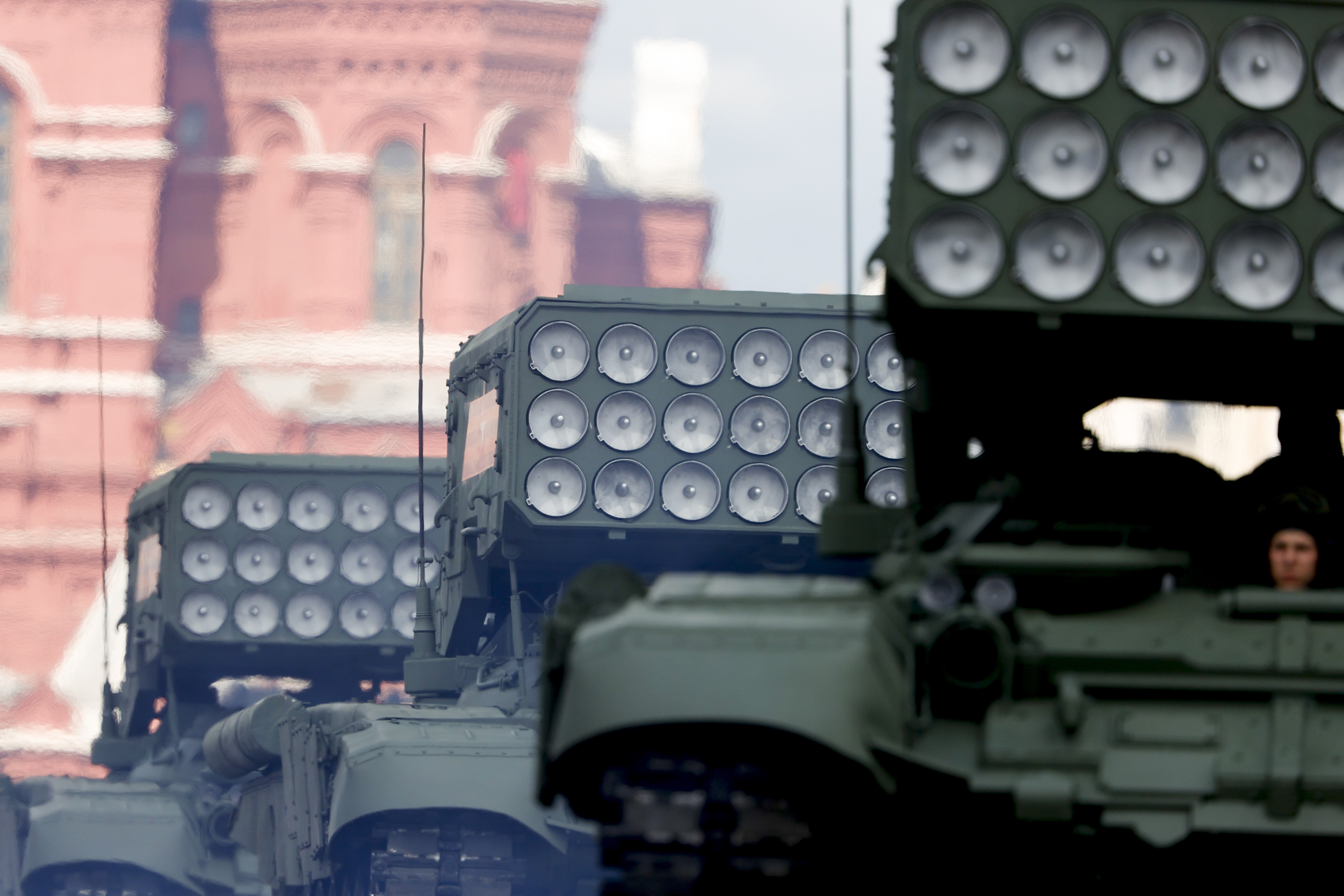
Russia has lost nearly 140 heavy thermobaric rocket launcher systems during its full-scale invasion of Ukraine, exceeding estimates of its entire prewar fleet. Despite the losses and their vulnerability to Ukrainian drones, Moscow continues to manufacture the weapons and introduce new variants.
We bring you stories from the ground. Your support keeps our team in the field.
According to Defense Express on November 9, citing Ukrainian General Staff data as of November 3, Russian forces have lost 138 systems from the TOS family, including the TOS-1A Solntsepyok, TOS-2 Tosochka, and TOS-3 Drakon.
The failed launch of a rocket from the Russian TOS-1A Solntsepek 220mm thermobaric multiple rocket launcher.
— Status-6 (@Archer83Able) June 5, 2026
The booster falls off at the start and engulfs in flames just centimeters from the vehicle. pic.twitter.com/4Ll6mBLf8x
The reported losses are several times higher than estimates of Russia’s inventory at the beginning of the full-scale invasion in 2022, which ranged from a handful of vehicles to approximately 45 units.
In May 2024, Russian state media reported that production of the TOS-1A Solntsepyok had increased threefold to fourfold. That same year, Russian forces were documented operating the wheeled TOS-2 Tosochka, while the newer TOS-3 Drakon was publicly unveiled.
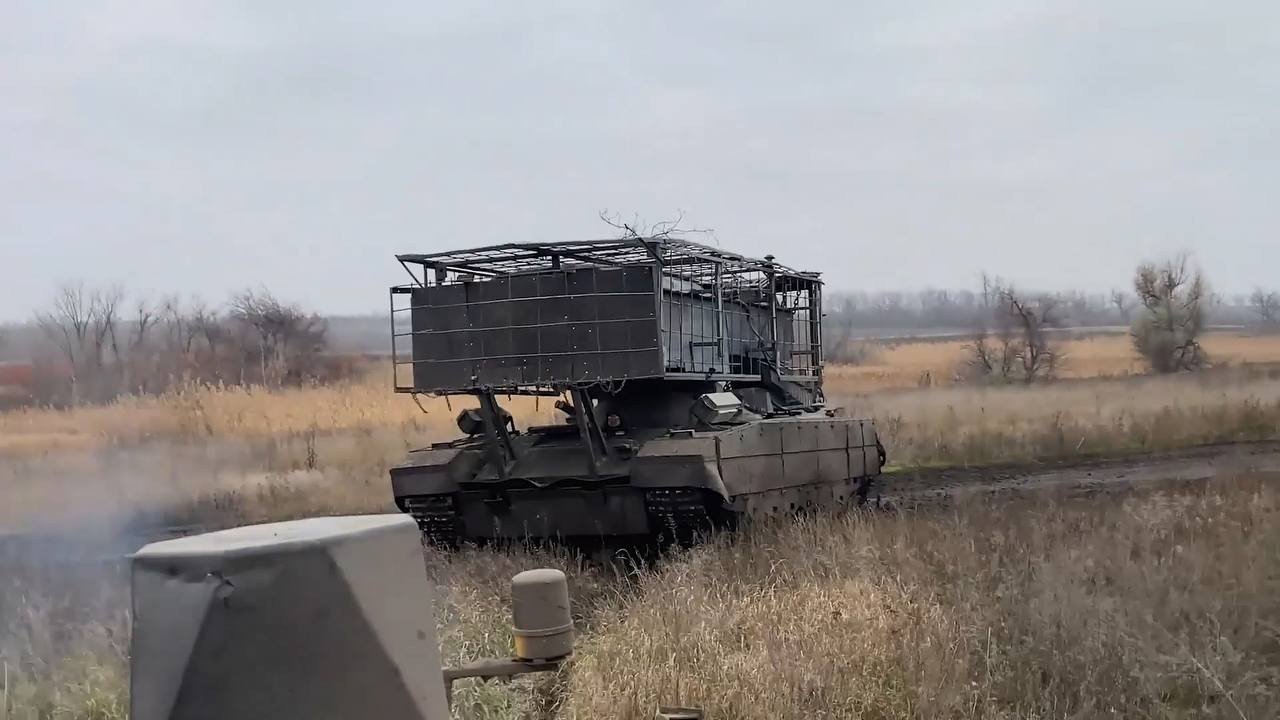
The TOS-3 combines a tracked chassis derived from the TOS-1 family with a launcher configuration associated with the TOS-2.
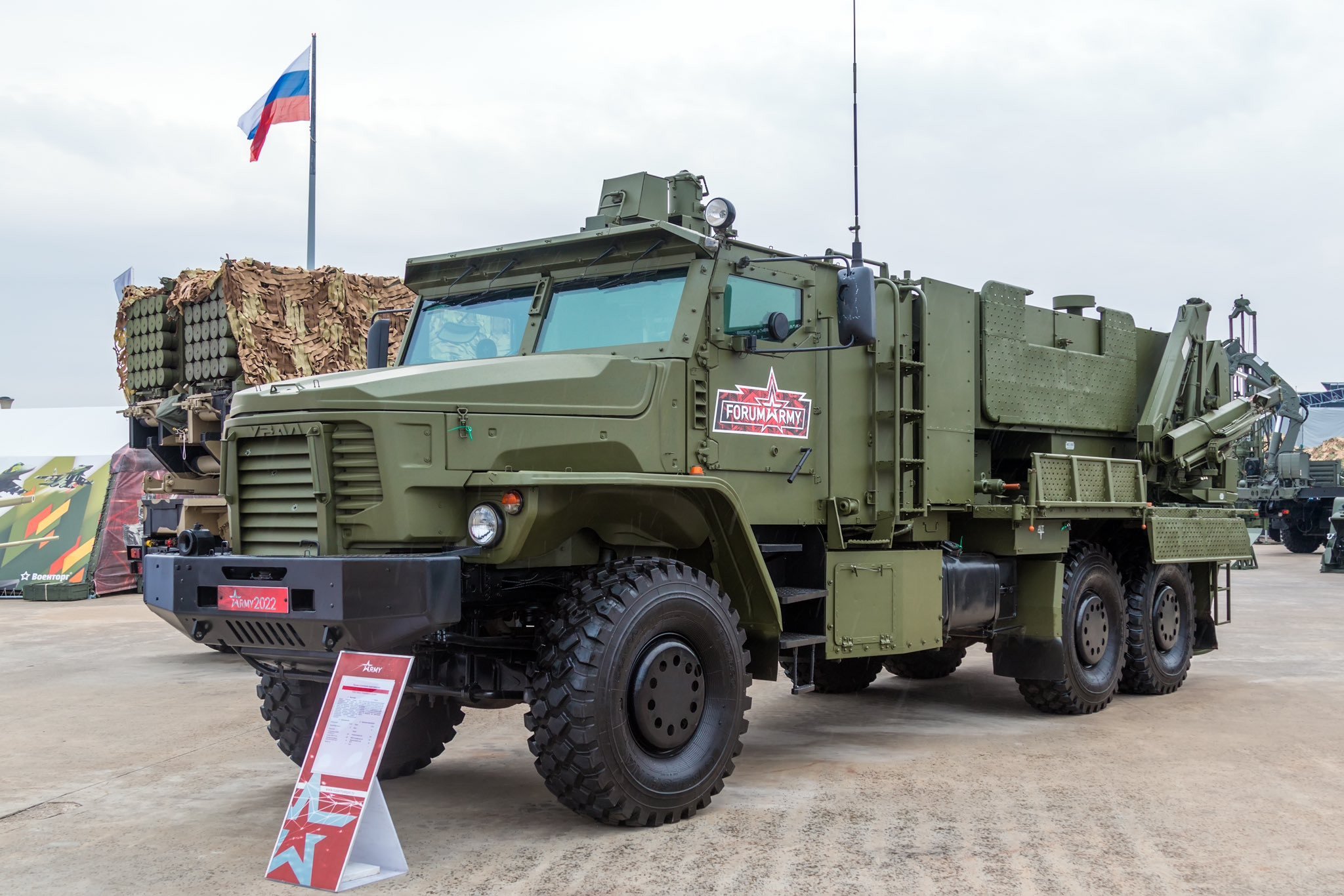
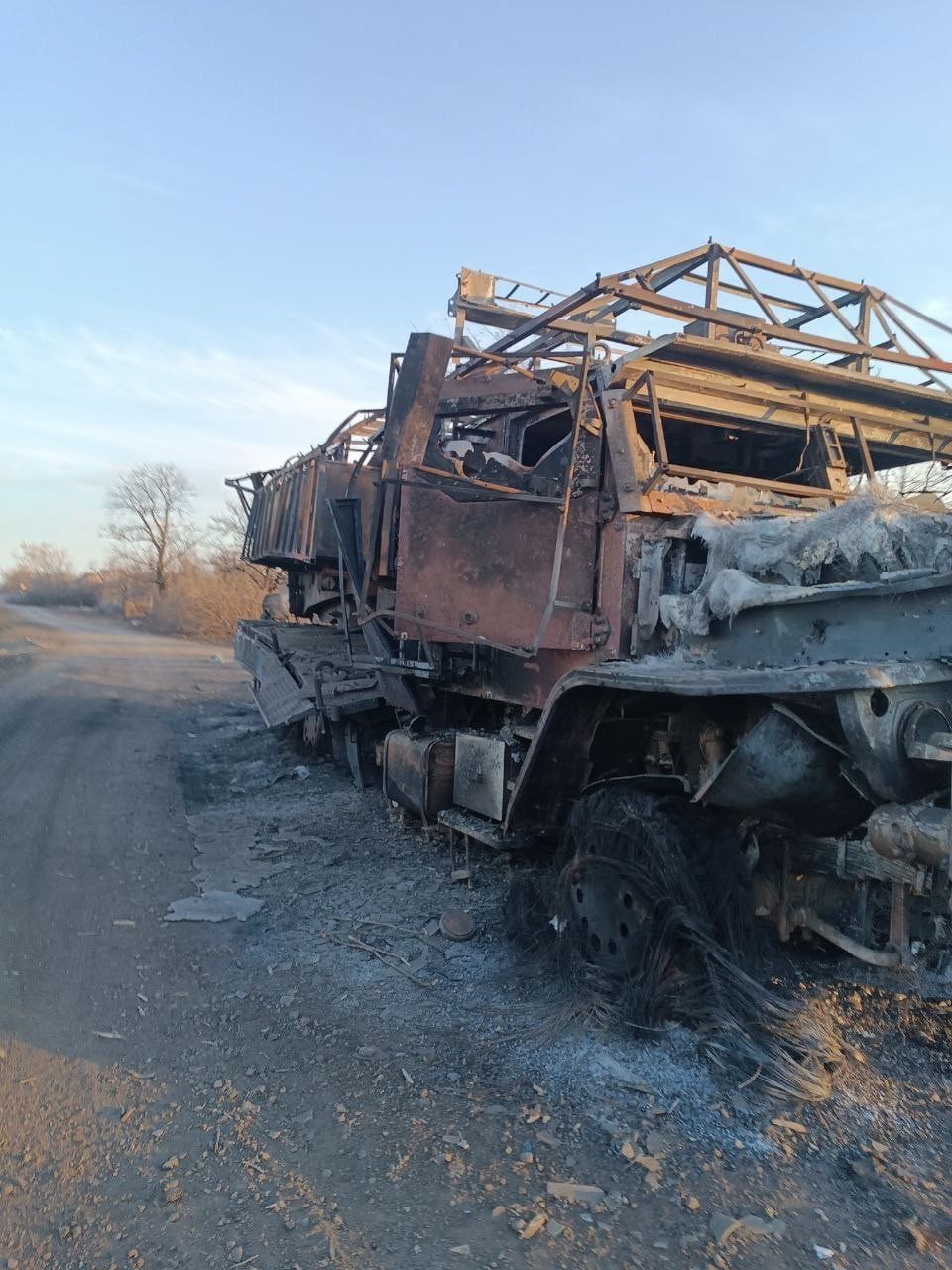
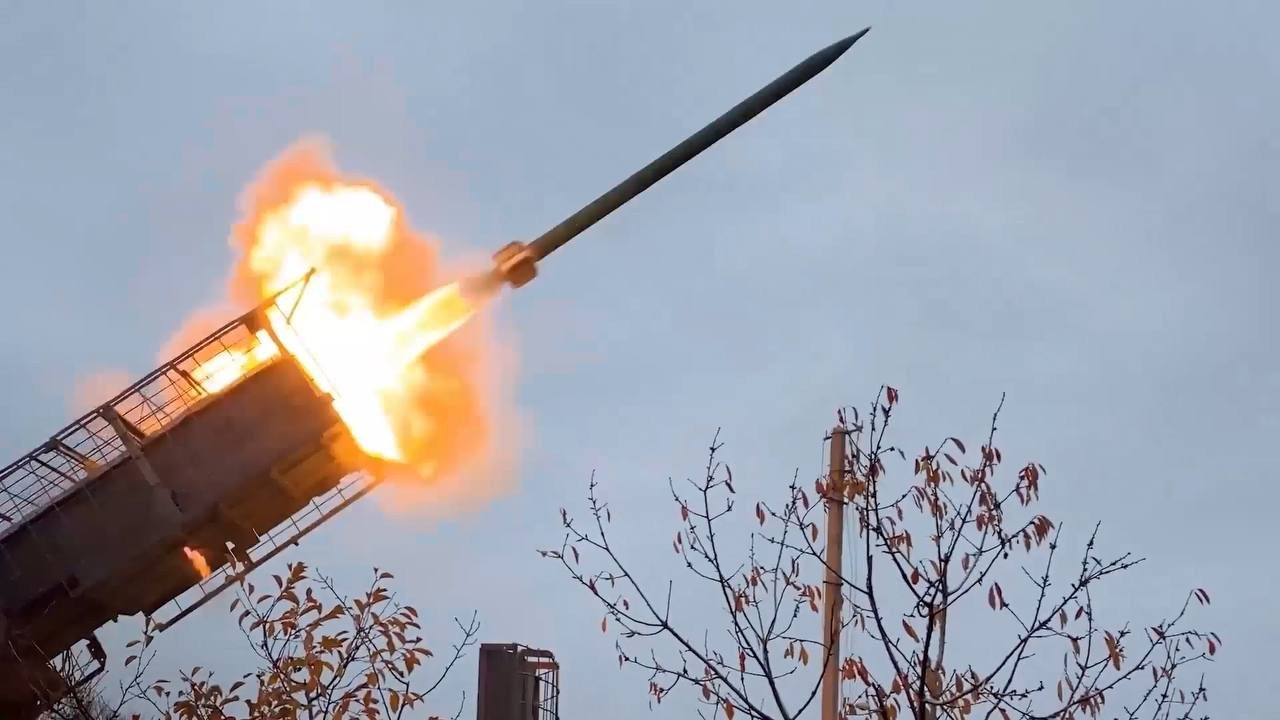
These systems fire thermobaric rockets that generate intense heat and blast pressure, making them particularly effective against fortified positions and defensive structures. However, their relatively short firing ranges expose them to Ukrainian reconnaissance and attack drones.
Unlike conventional rocket artillery, Russia’s TOS systems are primarily operated by its Radiological, Chemical, and Biological Defense troops.
According to Defense Express, Russia previously explored an alternative through the development of the Vozrozhdeniye modular multiple-launch rocket system, first disclosed in December 2023.
Based on the Zemledeliye remote mining platform, Vozrozhdeniye was designed to accommodate both 220mm Uragan rockets and thermobaric ammunition used by the TOS-2. Its projected firing range was approximately 35 kilometers with Uragan rockets and up to 15 kilometers with thermobaric ammunition.
Russian officials announced plans to begin serial production in the second half of 2024, but the system has yet to be confirmed in frontline service. Defense Express suggested that concerns over its survivability may have contributed to the apparent lack of deployment, although the reasons remain unconfirmed.
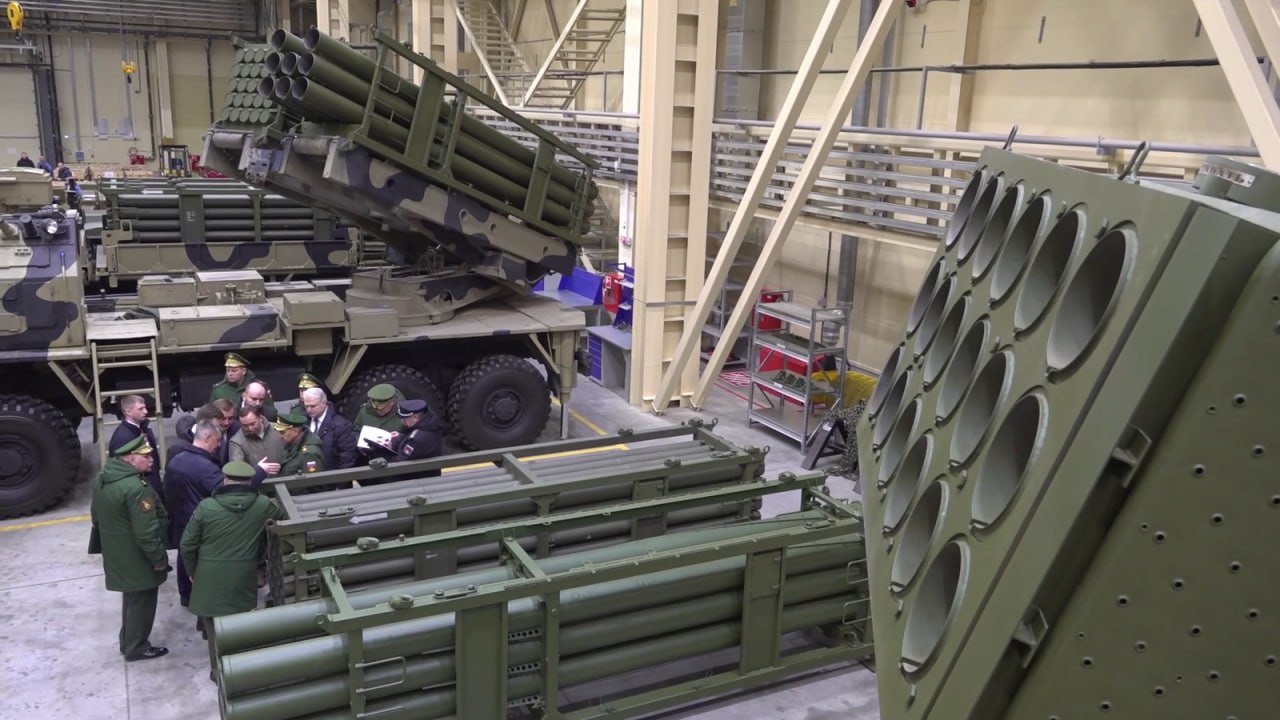
Despite the growing threat from Ukrainian drones, Russia continues producing TOS systems, suggesting its military leadership prioritizes their concentrated firepower over the risks associated with operating them near the front line.
Defense Express noted that Russian commanders may assess these weapons not only by their battlefield losses but also by their ability to deliver powerful thermobaric strikes against Ukrainian positions.
The vulnerability of these systems was further demonstrated on November 10, when Ukrainian drone operators from the 413th Raid Regiment struck a Russian TOS-1A Solntsepyok concealed in a shelter in the occupied Donetsk region.
Discuss this article: