- Category
- War in Ukraine
Russia Revives Secret Nuclear Bunker Built to Launch Retaliatory Strike. Here’s What We Know
 Prefer U24 Media on Google
- Authors


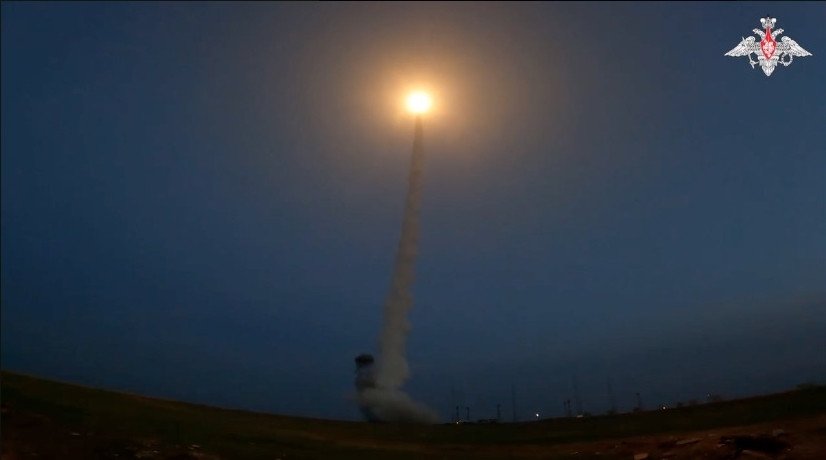
Russia has carried out a major modernization of a secret underground command complex in the Ural Mountains linked to Perimetr, the Cold War-era nuclear command system known in the West as “Dead Hand.”
We bring you stories from the ground. Your support keeps our team in the field.
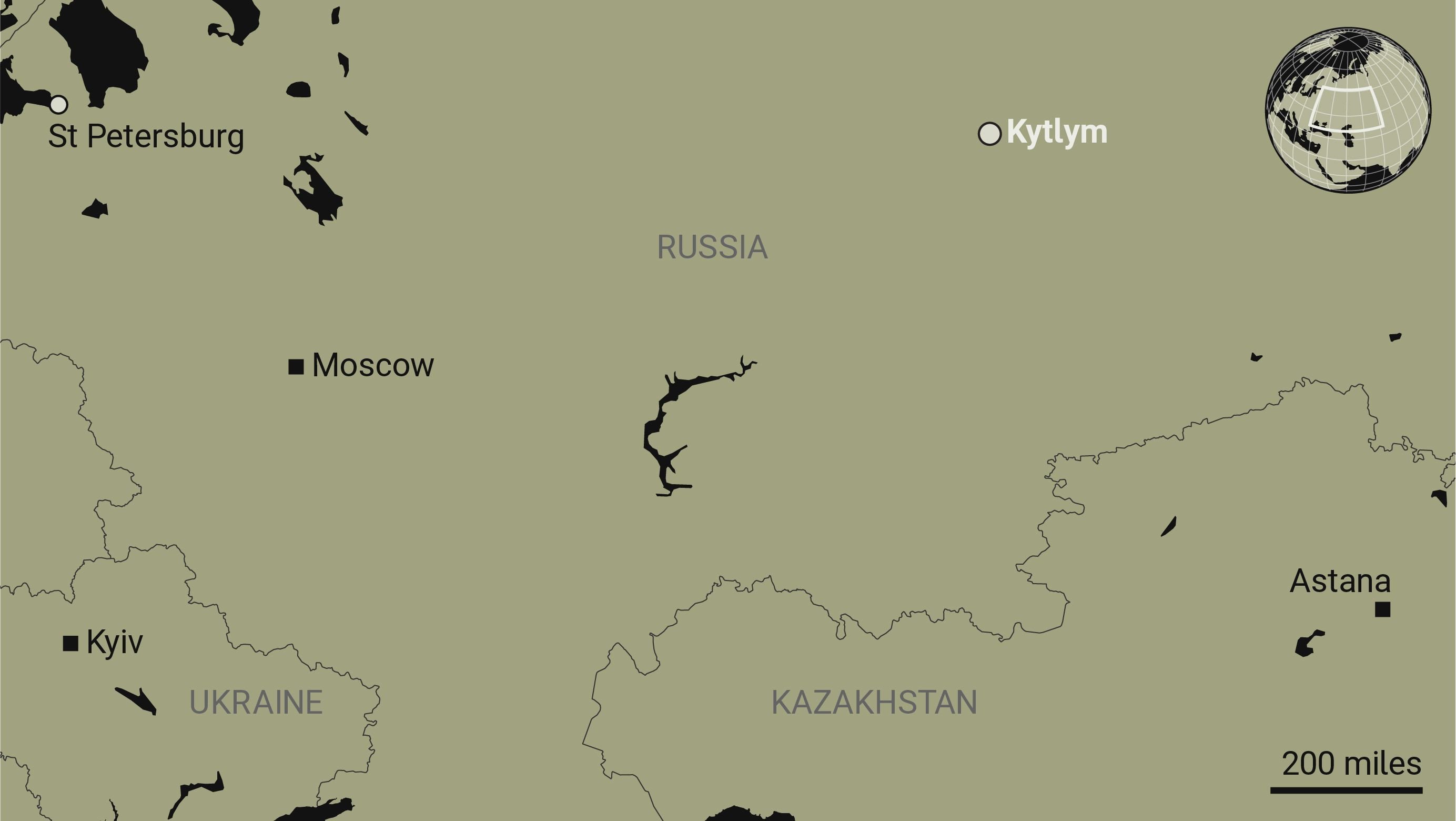
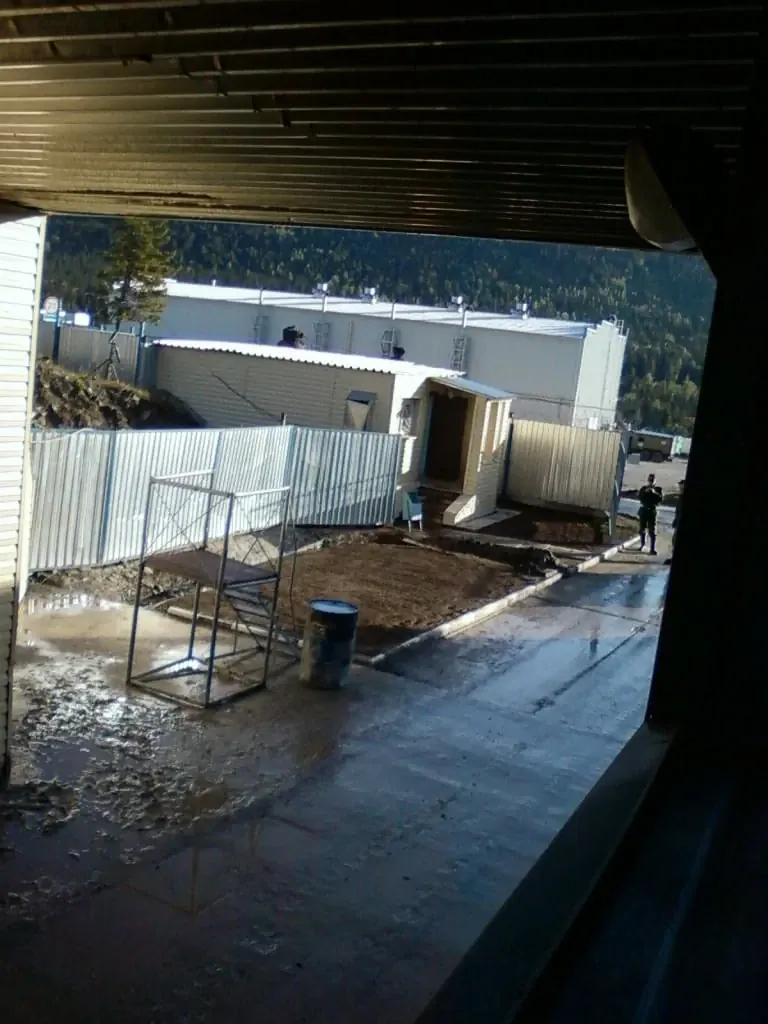
According to a joint investigation by Danwatch, The Sunday Times, and the Dossier Center published on September 26, thousands of Russian military procurement records indicate that large-scale work at Object 1335, buried inside Mount Kosvinsky in the Sverdlovsk region, began in 2018.
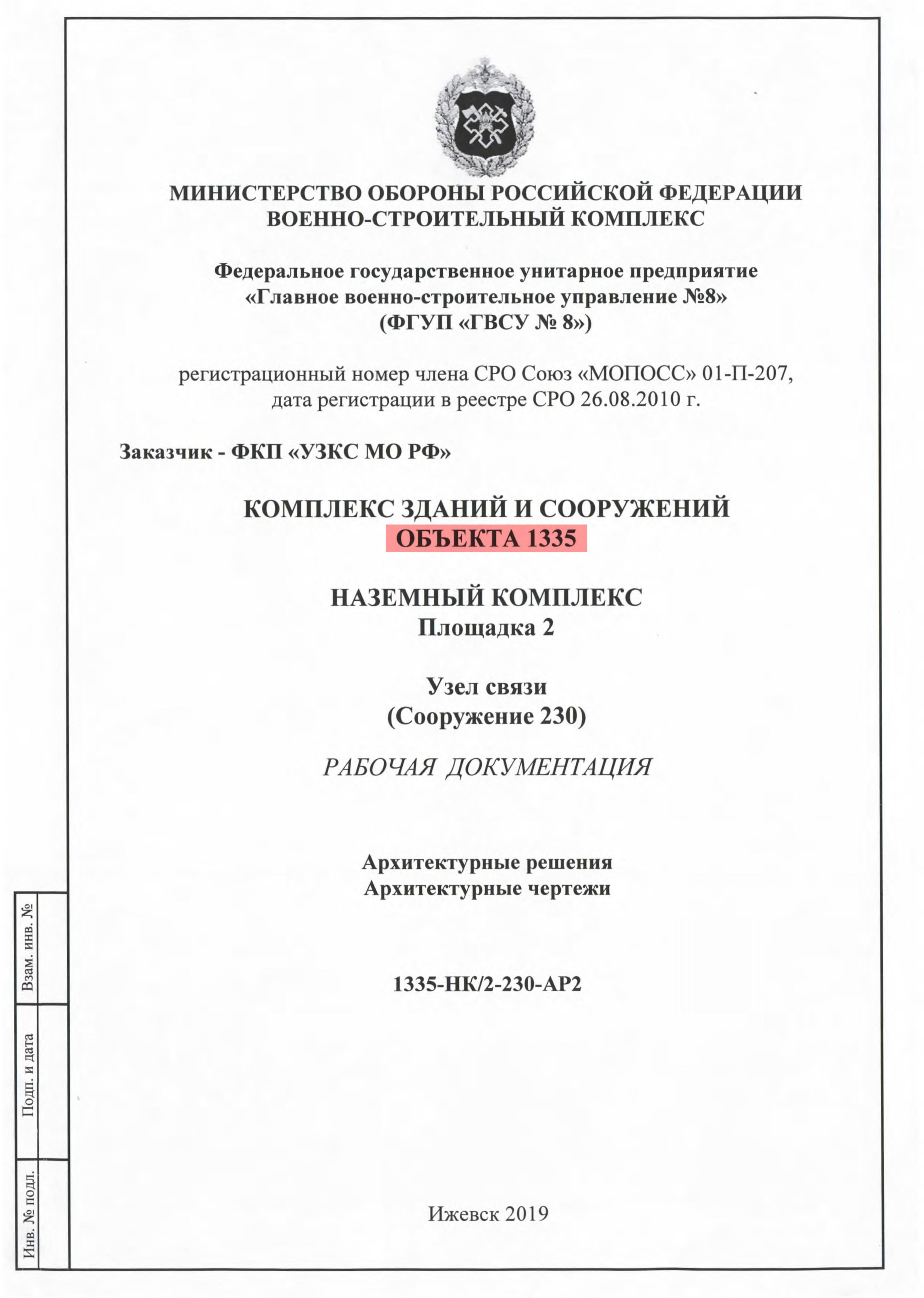
The investigators reviewed more than two million Russian military procurement documents and found orders for construction materials, excavation equipment, ventilation systems, electrical infrastructure, and protective equipment associated with the facility.
The purchases included around 22,000 tons of steel, more than 56,000 tons of cement, roughly 600 kilometers of electrical cables, as well as specialized filtration systems designed to protect against chemical, biological, and radioactive contamination.
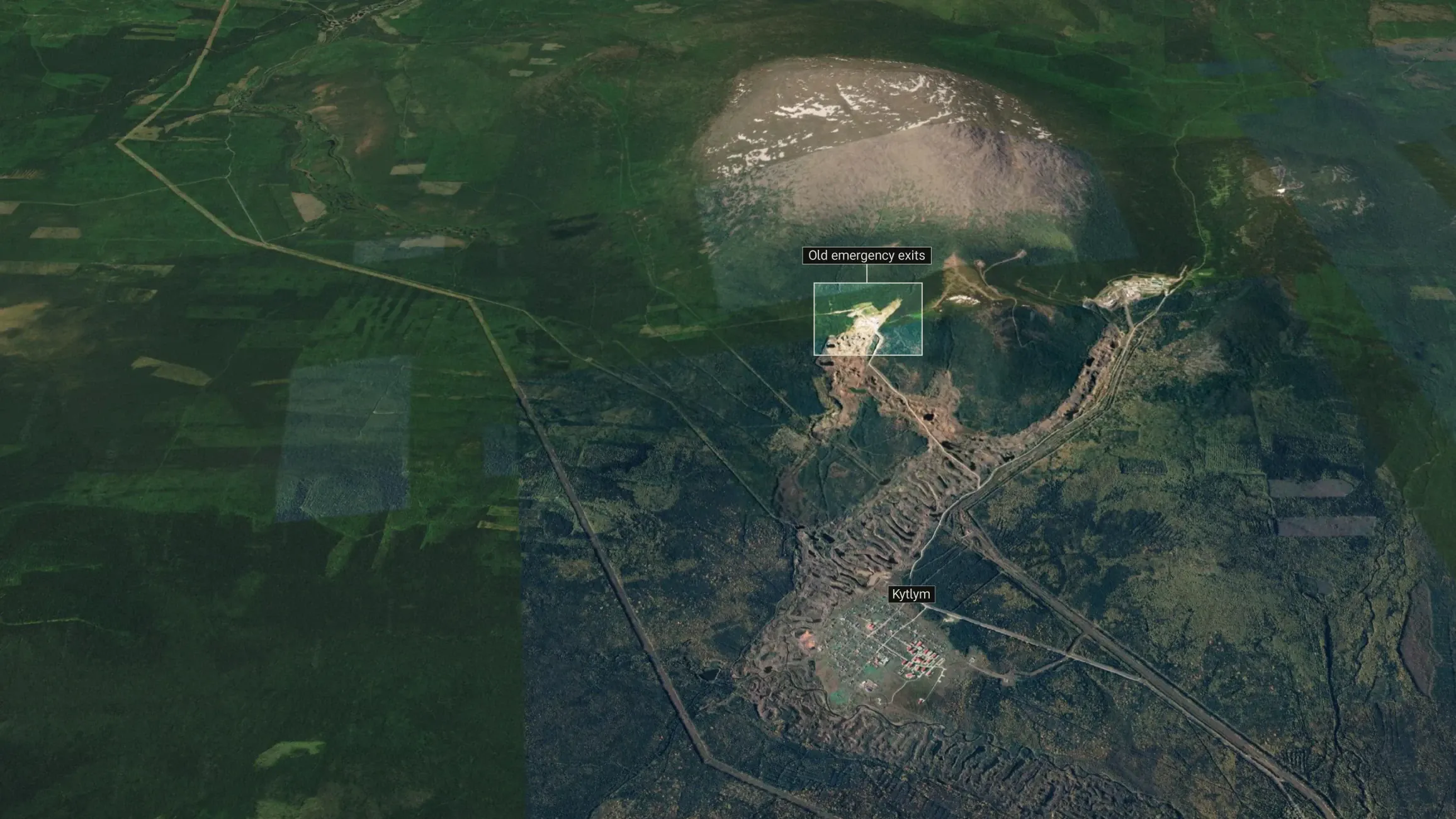
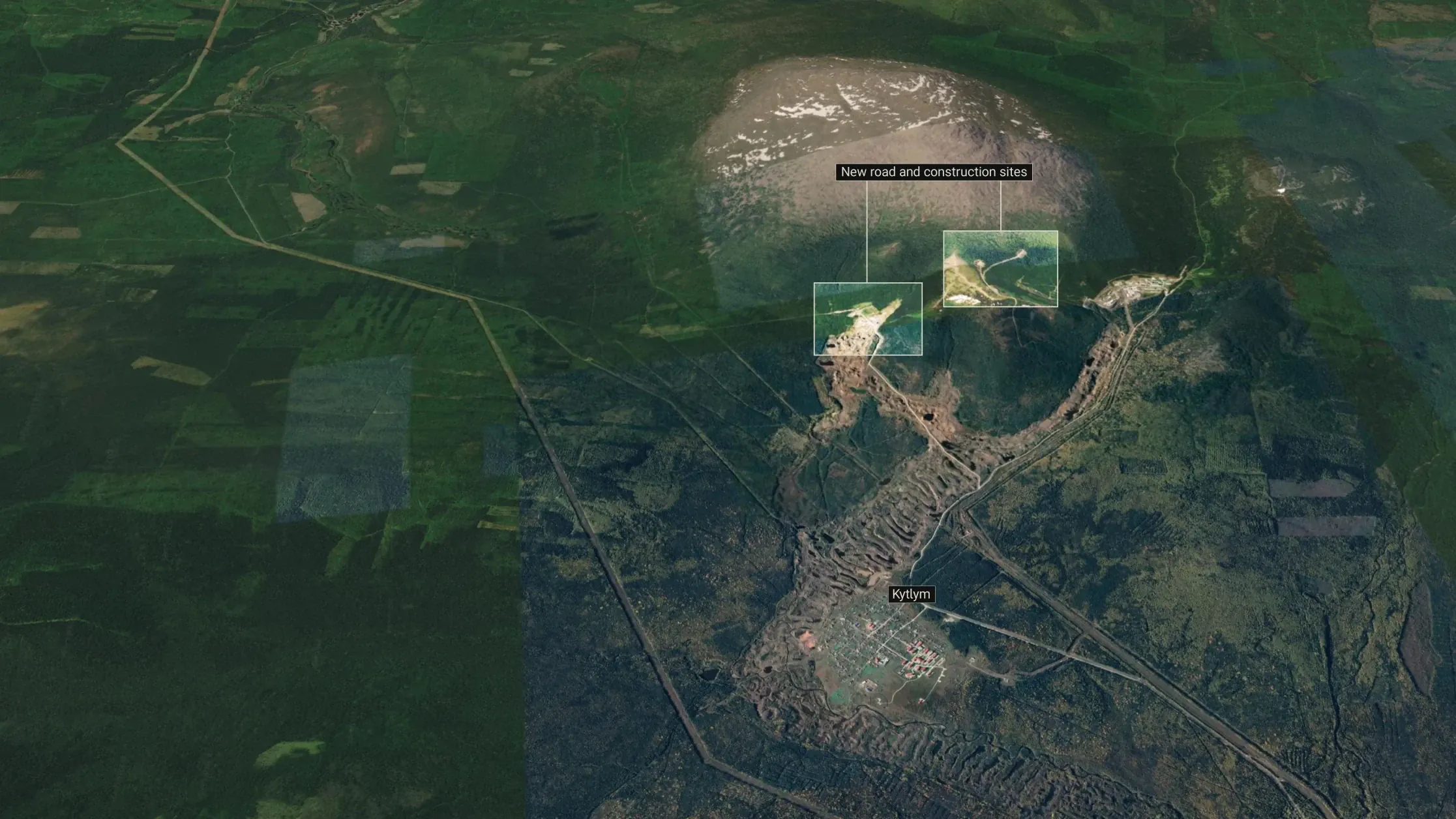
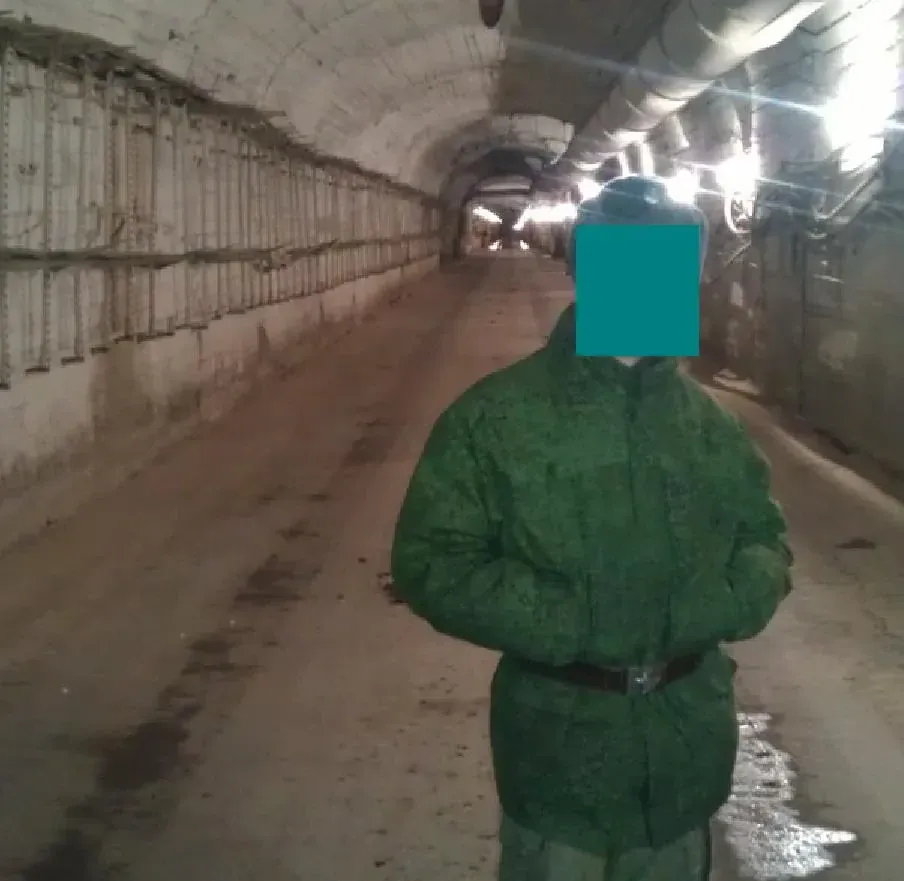
The Sunday Times separately reported that procurement documents refer to at least 24 underground chambers and show that the distance between the facility’s main and emergency exits is approximately 2.5 kilometers. Satellite imagery also shows extensive excavation and new construction around the mountain.
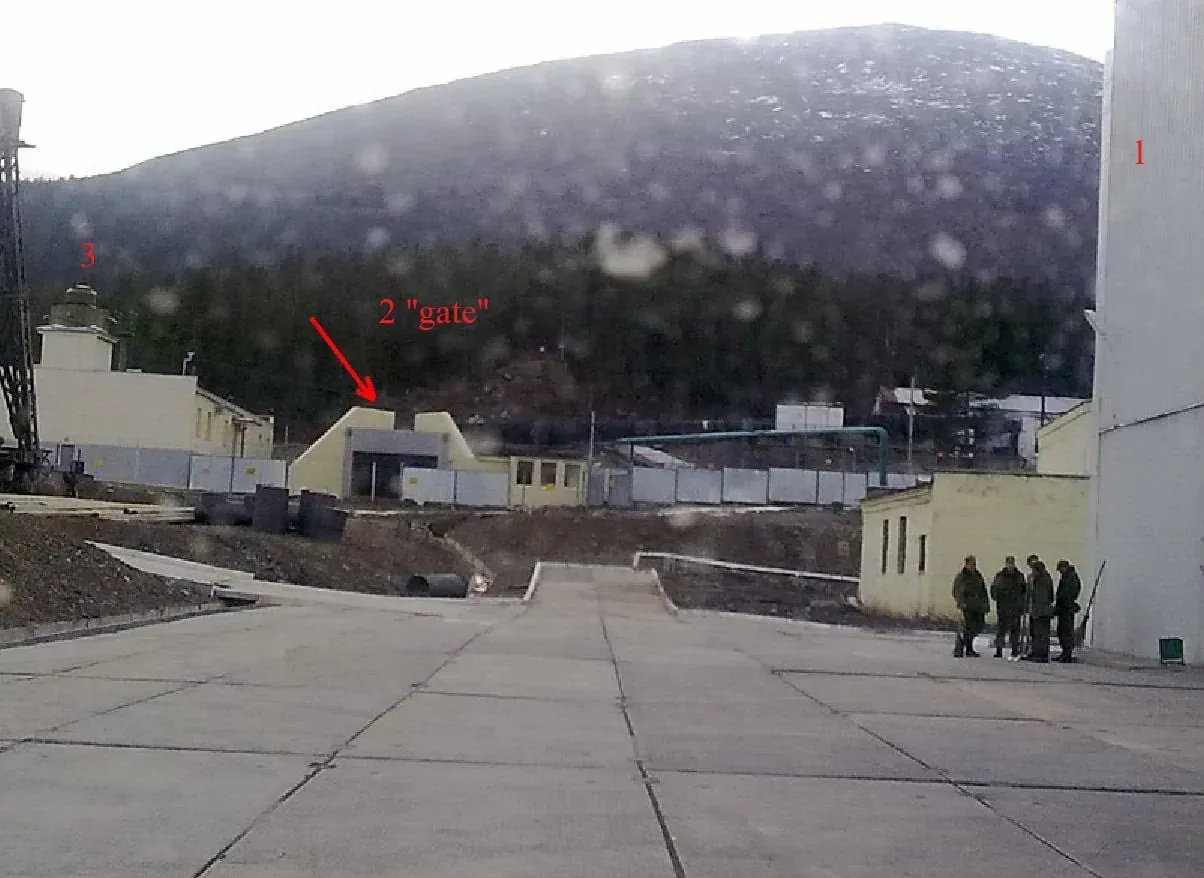
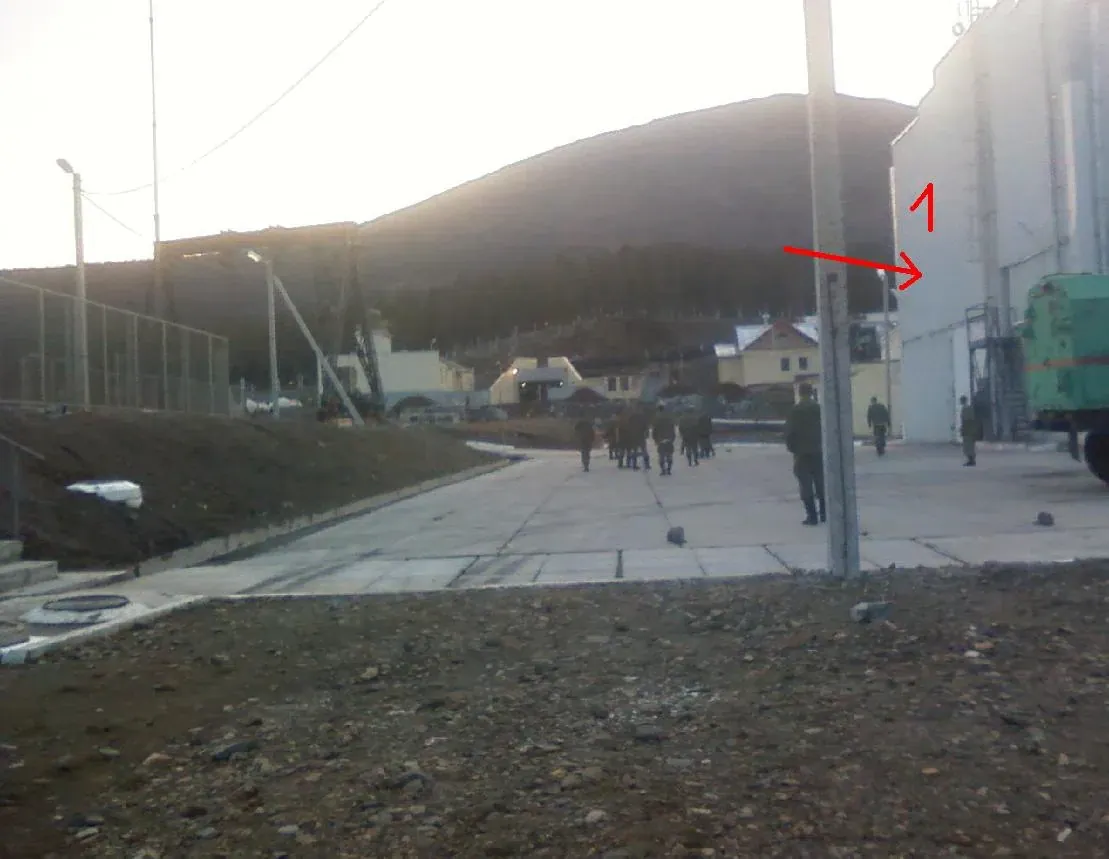
Object 1335 is believed to serve as a protected command center for Russia’s Strategic Missile Forces. Former personnel described the underground network as extensive enough for buses to move between different sections of the complex.
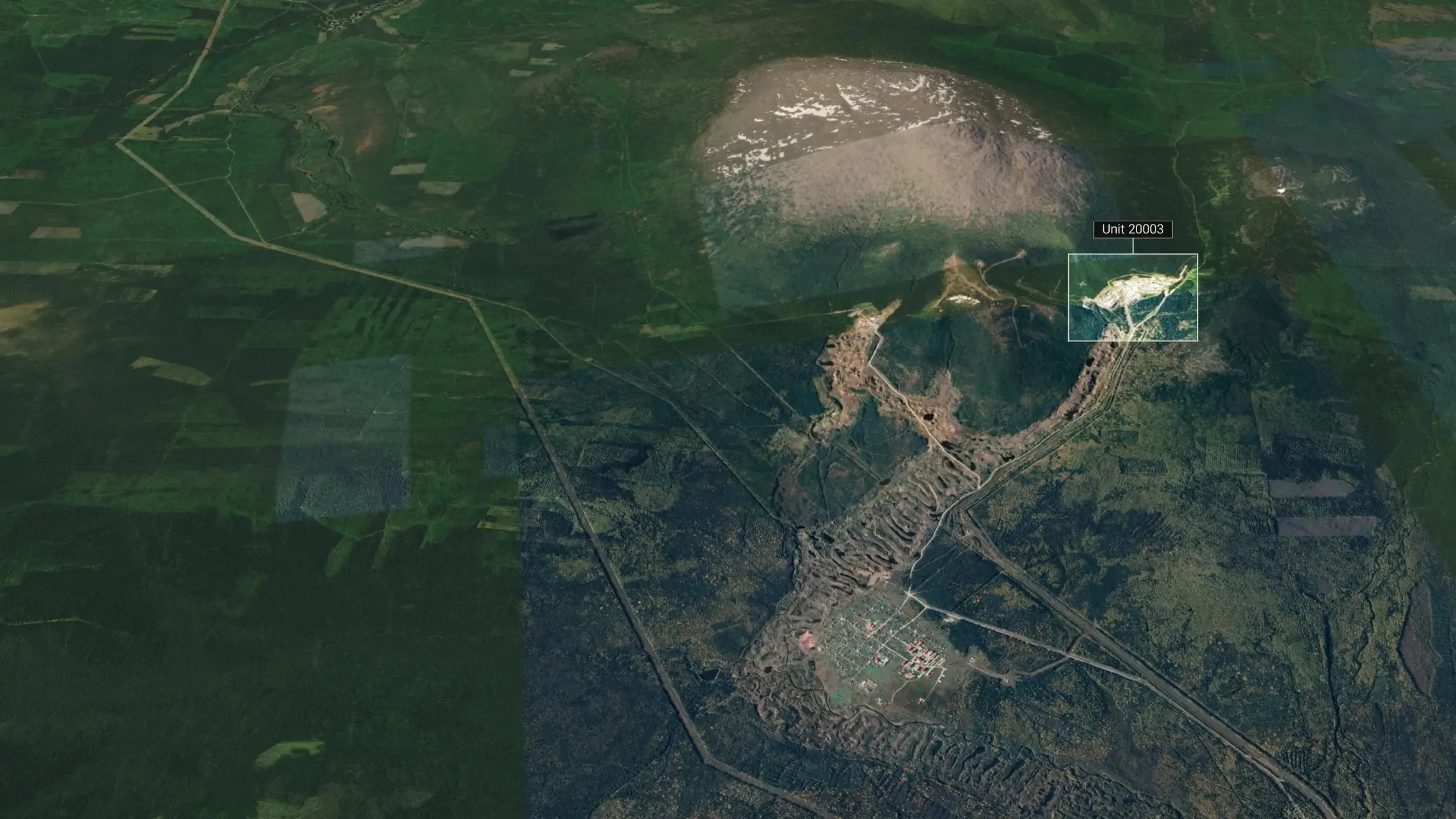
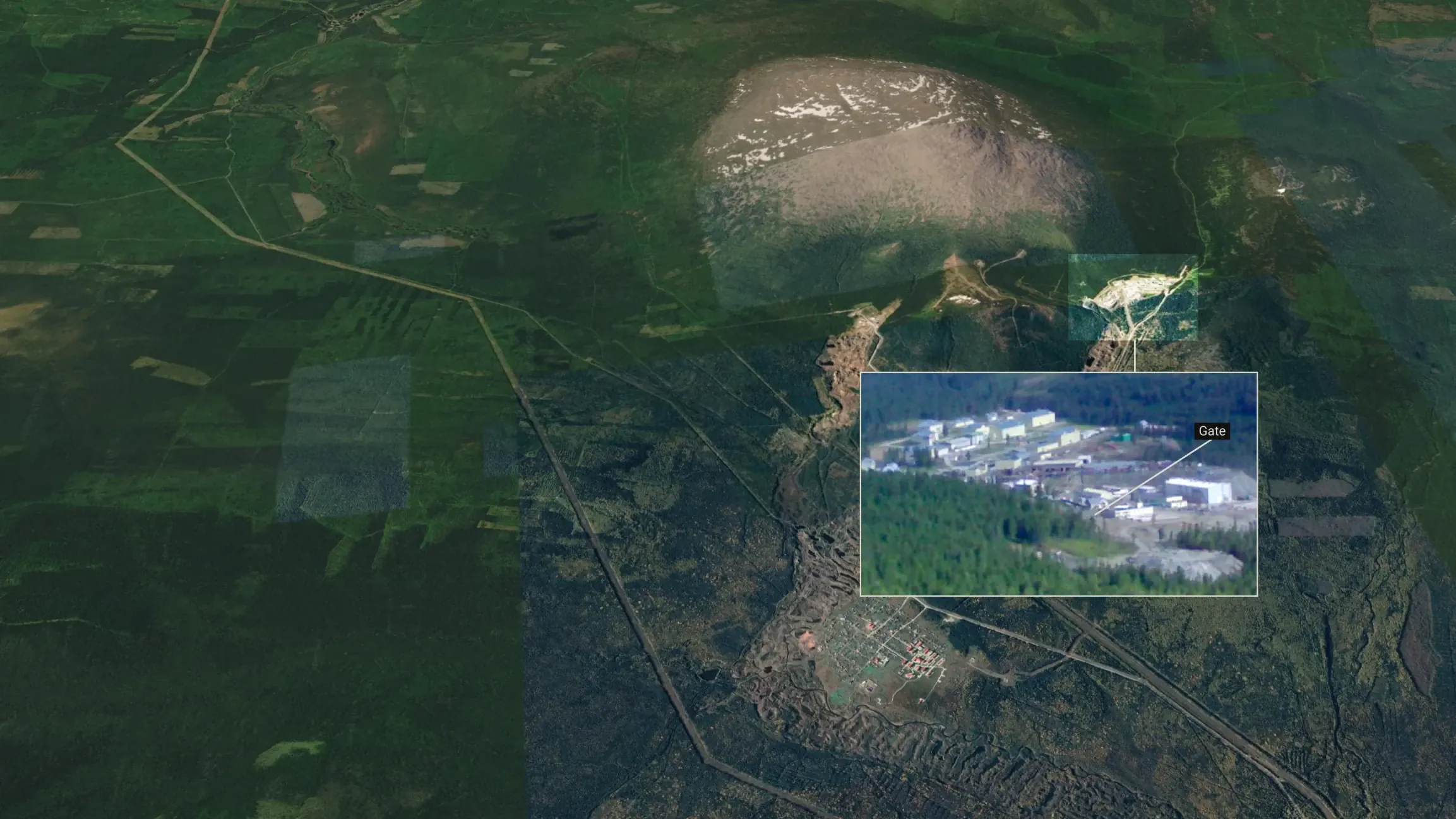
The facility has long been associated with Perimetr, a Soviet-designed backup nuclear command system intended to preserve Russia’s ability to order a retaliatory strike if its senior leadership and normal communications channels were destroyed in a nuclear attack.
Pavel Podvig, a nuclear disarmament expert and head of the Russian Nuclear Forces project, told The Sunday Times that “Perimeter is actually a communication system,” designed to ensure that a retaliatory order can still be transmitted after an attack.
Details of Perimetr’s current operation remain classified. However, Russian military publications uncovered by the investigators indicate that the system has undergone further modernization.
Retired Major General V. G. Khalin, who participated in its development, wrote that its automation system and technical capabilities had been upgraded, including through mobile command posts and space-based communications.
Another Russian military veteran wrote that Object 1335 was placed on combat duty in 2023, while Khalin later referred to the facility as having the technical capability for an automatic retaliatory strike.
Danwatch said the expansion of Object 1335 forms part of a broader modernization of Russia’s nuclear forces and command infrastructure. The Kremlin and presidential spokesperson Dmitry Peskov did not respond to requests for comment from the investigative outlets.
Russia has also continued exercising other parts of its strategic nuclear forces. On April 2, Russia conducted drills in Siberia involving mobile RS-24 Yars intercontinental ballistic missile systems, with crews practicing dispersal, combat duty, protection from simulated air attacks, and operations under conditions of radioactive contamination.
The Yars is one of the core systems in Russia’s nuclear arsenal, with a reported range of up to 11,000 kilometers and the ability to carry multiple independently targetable warheads.
Discuss this article:
-9a7b3a98ed5c506e0b77a6663f5727c5.png)