- Category
- War in Ukraine
Russian Official Proposes Museum Exhibit Where Visitors Walk Over Fallen Ukrainian Soldiers’ Belongings
 Prefer U24 Media on Google
- Authors


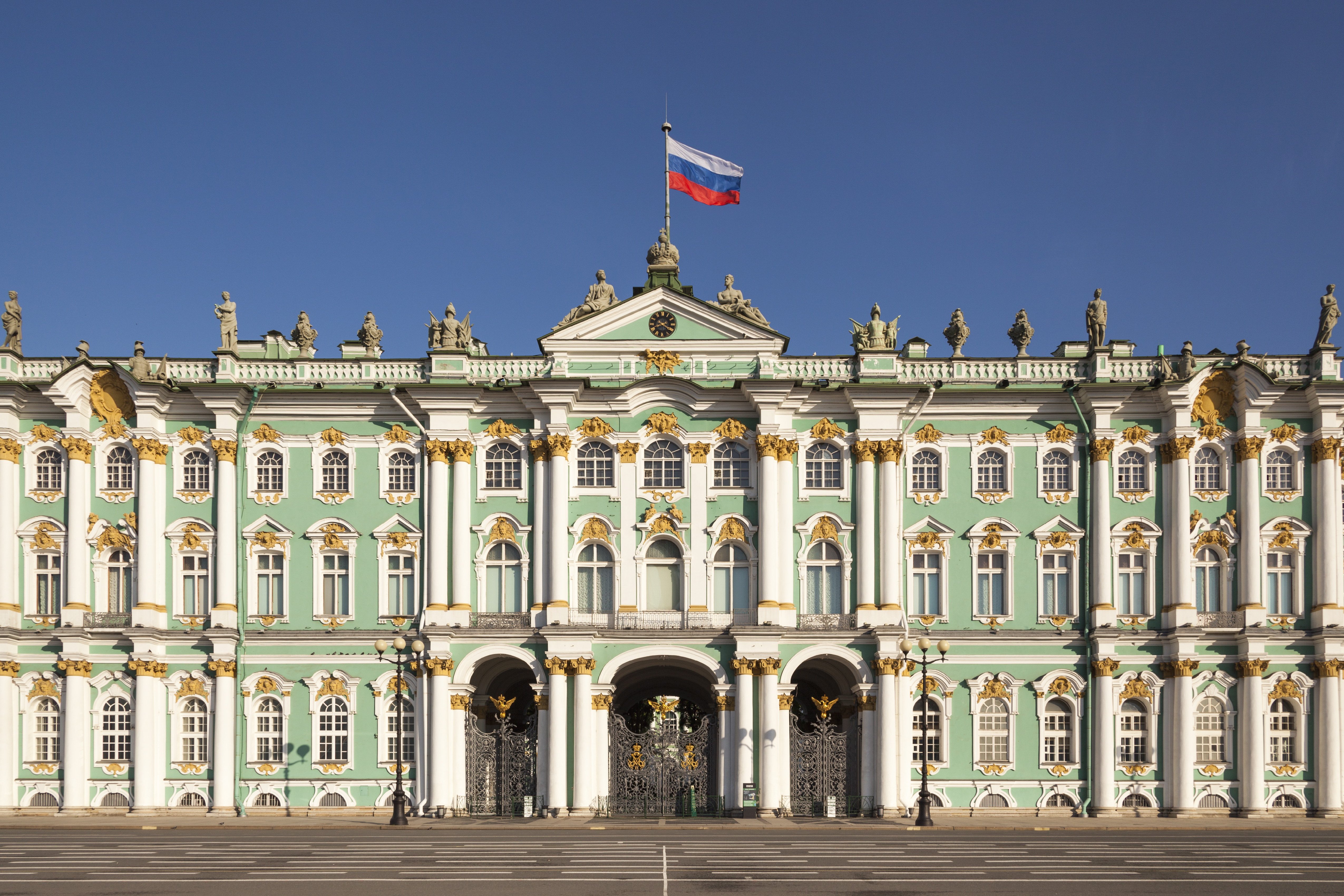
A Russian regional official has proposed incorporating personal belongings taken from dead Ukrainian soldiers into a museum exhibit where visitors would walk over them beneath a glass floor, presenting the display as a symbol of Russia's victory in the war.
According to The Telegraf, the initiative was announced by Oleg Melnichenko, governor of Russia's Penza region, who said he had transferred military insignia, identification cards, and a helmet purportedly recovered from deceased Ukrainian troops to the region's so-called “special military operation” museum.
We bring you stories from the ground. Your support keeps our team in the field.
“These are the insignias of our enemies, Bandera and Nazi symbols,” Melnichenko said in a Telegram video while displaying items that appeared to include a Ukrainian military patch and a tactical first-aid kit.
During his remarks, Melnichenko initially referred to the items as belonging to “eliminated Ukrainian servicemen” before replacing the term with “Banderites”—a reference to Stepan Bandera that Russian officials frequently use in anti-Ukrainian propaganda.
He said the exhibit would be installed beneath a transparent floor.
“These items will be placed beneath a glass floor, such that every step across them serves as a reminder of the strength of our people’s spirit in the struggle for independence,” Melnichenko said.
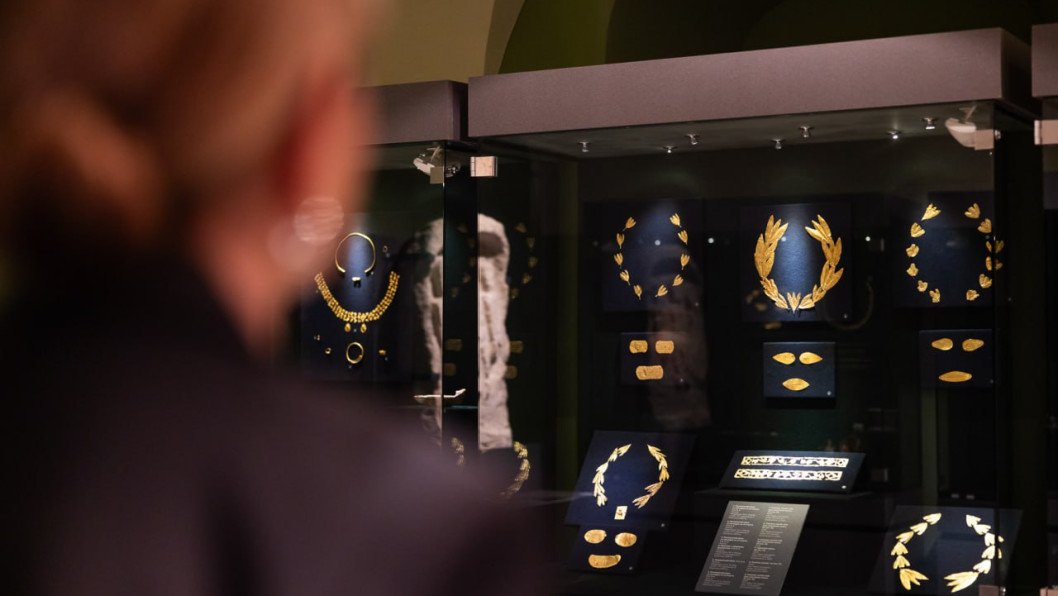
According to The Telegraf, the Penza SVO museum, opened in 2023 as part of the regional museum system, houses more than 500 exhibits, including weapons, ammunition, documents, photographs, drone debris, maps, and personal belongings connected to Russia's military campaign. The museum also features an interactive trench installation intended to recreate front-line conditions.
More than 150 SVO museums have been established across Russia and in occupied Ukrainian territories since the start of the full-scale invasion. Roughly 60% of these exhibitions are located in educational institutions, including schools, colleges, and universities, as reported by the Polish-Russian media project Vot Tak, according t.
Ihor Solovei, head of Ukraine's Center for Strategic Communications, described the proposal as another example of Russia's broader information campaign targeting Ukrainian identity.
“This is a typical example of so-called ‘symbolic violence’, which consists of the demonstrative desecration of the enemy’s sacred symbols,” Solovei said, according to The Telegraph.
“Russia has used this against Ukraine throughout the entire period of its armed aggression since 2014: trampling on and burning Ukrainian flags, the deliberate destruction of state symbols, burning Ukrainian books, destroying monuments to Ukrainian figures, renaming streets in occupied cities, and so on,” he added.
Solovei said the practice formed part of Russia's cognitive and information-psychological warfare, aimed at symbolically humiliating the Ukrainian state and its defense forces, involving as many Russian civilians as possible in what he described as a “symbolic” war through the desecration of Ukrainian symbols, while seeking to demoralize, traumatize, and frustrate Ukrainians who witness such actions.
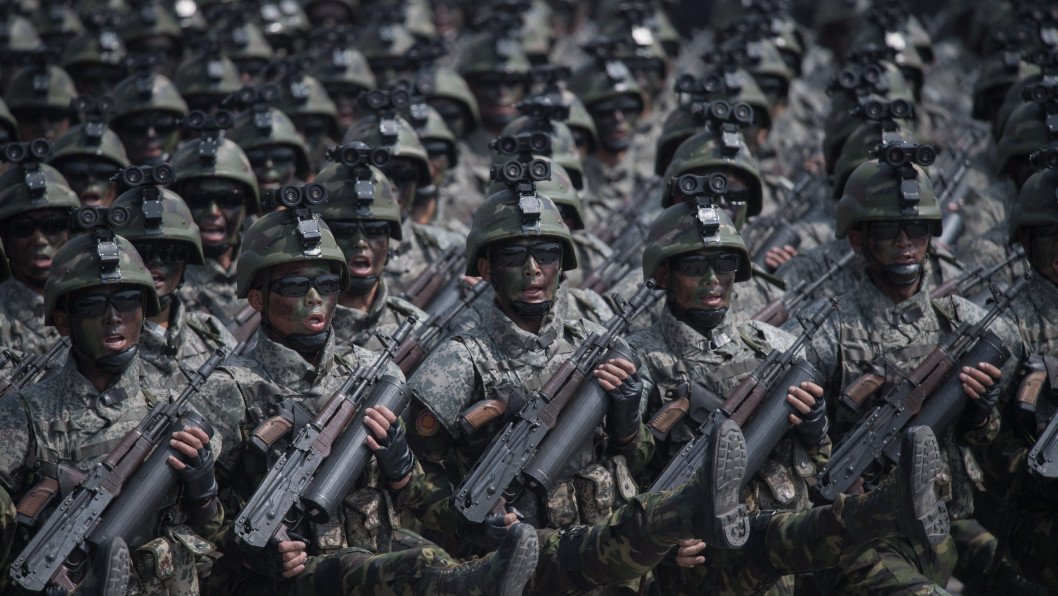
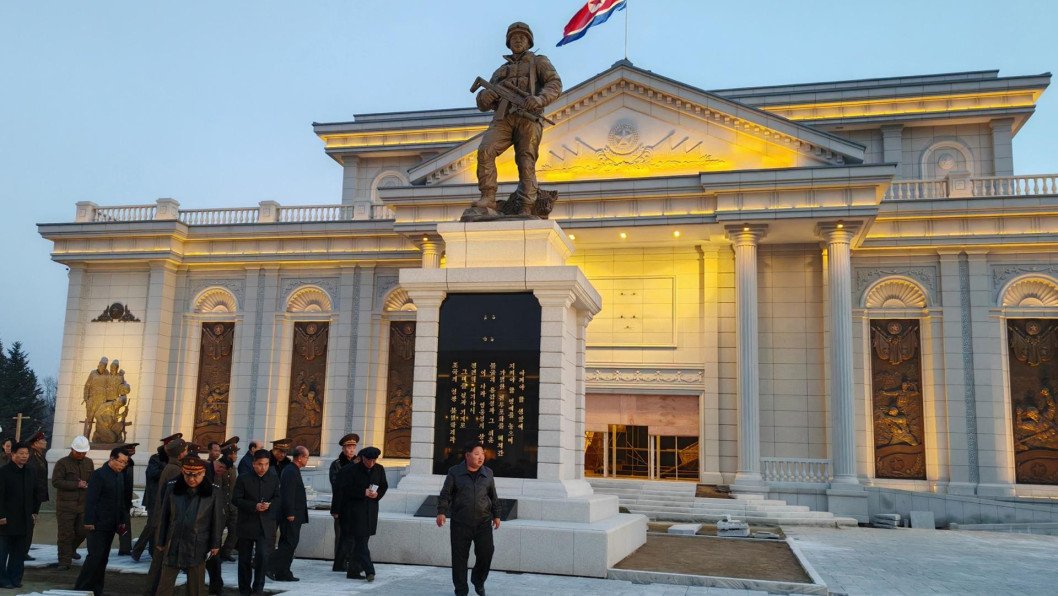
North Korea is building a museum honoring its soldiers killed while fighting alongside Russian forces in the war against Ukraine.
According to Yonhap News Agency on Jan. 26, construction of the Memorial Museum of Heroic Deeds in Overseas Military Operations has been underway in Pyongyang since October 2024.
Discuss this article:
-9a7b3a98ed5c506e0b77a6663f5727c5.png)

-80134f2dc17b4a887d01513a1c7bc929.png "Illustration of Russian military infrastructure targeted by Ukrainian strikes in temporarily occupied eastern Ukraine. (Source: General Staff of the Armed Forces of Ukraine)")