- Category
- War in Ukraine
Ukraine’s Neptune Missiles Strike Crimean Bridge—The Same Weapon That Sank Russia’s Moskva
 Prefer U24 Media on Google
- Authors


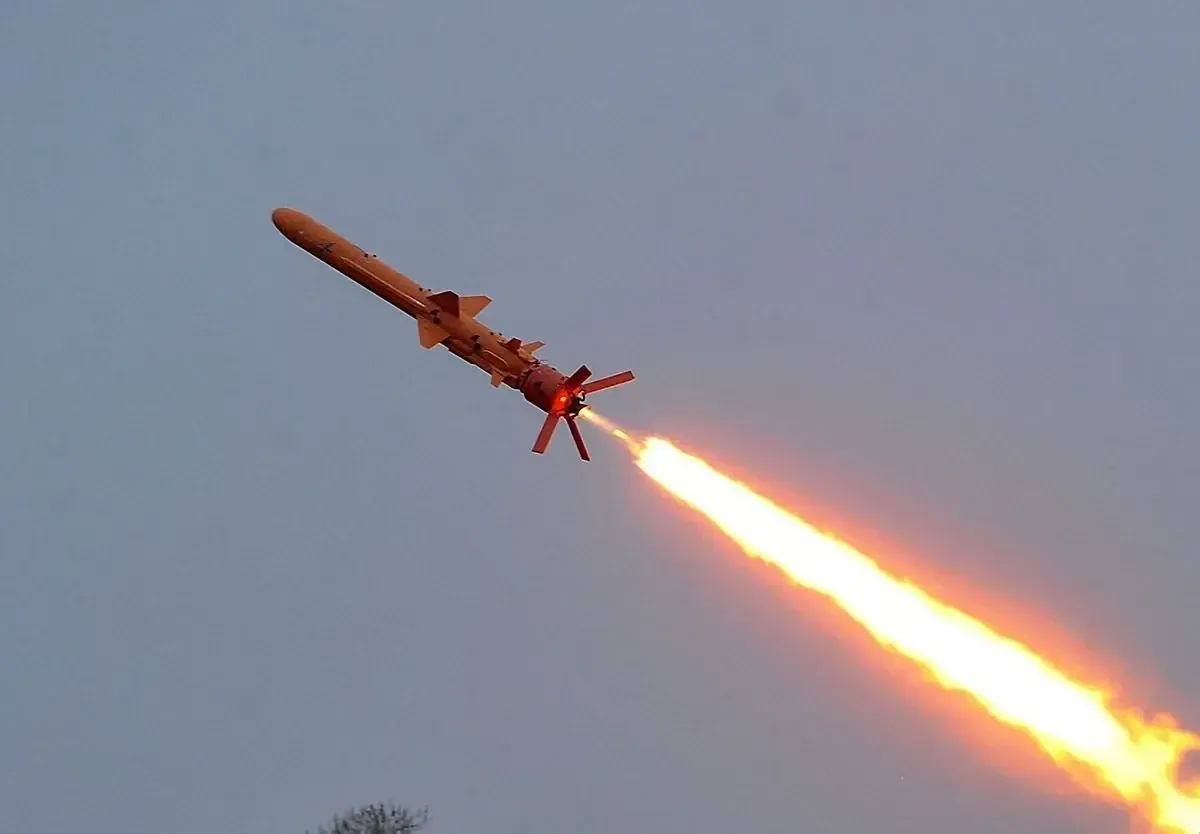
Ukrainian Naval Forces struck the Crimean Bridge with Neptune cruise missiles overnight on November 19, targeting the strategic crossing connecting Russia to the temporarily occupied Crimean Peninsula, according to Ukraine’s General Staff.
The attack was carried out using Neptune coastal missile systems operated by the Ukrainian Navy, the General Staff reported on Telegram.
We bring you stories from the ground. Your support keeps our team in the field.
The Crimean Bridge serves as a major supply route for Russian forces operating in occupied southern Ukraine, allowing Moscow to transport fuel, ammunition, and military equipment to its troops.
Russia constructed the bridge following its occupation of Crimea in 2014, presenting the crossing as a symbol of its control over the peninsula and repeatedly portraying it as a secure and protected piece of infrastructure.
The latest strike also highlights the continued use of Ukraine’s domestically developed Neptune missile system against high-value Russian military targets.
"This train terminates here."
— Defense of Ukraine (@DefenceU) November 19, 2026
On the night of November 19, Ukrainian Neptune missiles struck the railway section of the Crimean Bridge, with hits recorded near the arch and on the tracks. The extent of the damage is still being assessed, but train traffic has stopped.
Now a… pic.twitter.com/ytZOeQCzvG
In April 2022, Ukrainian forces used Neptune anti-ship missiles to strike the Moskva, the flagship of Russia’s Black Sea Fleet. The cruiser subsequently sank, marking one of Russia’s most significant naval losses since the beginning of its full-scale invasion.
“Now, Neptune missiles and other Ukrainian weapons are delivering their own decisive blows to the bridge that Russia relies on to maintain its grip on Crimea,” the statement read.
The November 19 attack targeted the railway section of the crossing, marking the third reported Ukrainian strike on the bridge within four days.
Earlier attacks on November 16 and 17 damaged its road section and reportedly caused a major span to collapse into the Kerch Strait.

The repeated strikes have also raised concerns over potential disruptions to fuel supplies in occupied Crimea, where residents have reportedly begun queuing at gas stations.
According to Exilenova+, long lines formed at gas stations in Russian-occupied Sevastopol on November 19, as residents feared possible fuel shortages amid uncertainty over the bridge’s accessibility.
The project noted that many residents had previously used the crossing to transport fuel into occupied Crimea in private vehicles, often carrying between 100 and 200 liters per trip.
Discuss this article: