- Category
- World
Russian Fuel Rules Eased To 15 Times EU Sulfur Limits After Refinery Attacks
 Prefer U24 Media on Google
- Authors


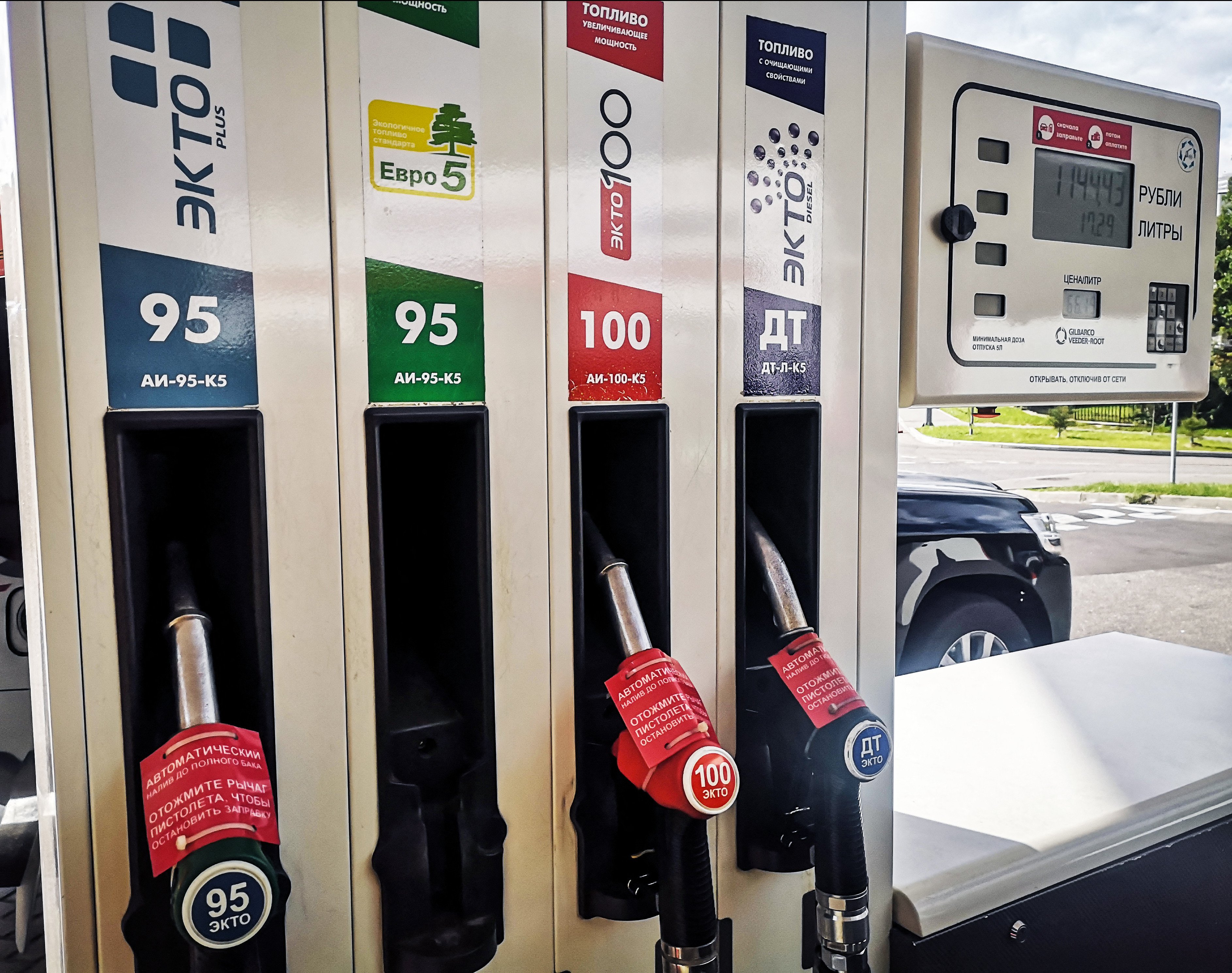
Russia has eased environmental standards for domestically sold fuel in an effort to prevent shortages as repeated Ukrainian drone attacks continue to disrupt the country's refining sector.
This was reported by Reuters, citing a report by the Russian newspaper Kommersant published on June 16.
We bring you stories from the ground. Your support keeps our team in the field.
The move comes as strikes on Russian energy infrastructure place increasing pressure on fuel supplies. According to Reuters, the number of drone attacks targeting Russian oil refineries has doubled since the beginning of 2026. The disruptions have led to full or partial shutdowns at several facilities and contributed to declines in the production of gasoline, diesel fuel, and jet fuel.
Reuters reported that Russian authorities first introduced the measure last autumn in an attempt to avert potential fuel shortages. The policy allows certain refineries to supply the domestic market with fuel that does not meet previously established environmental requirements. According to the report, the arrangement was extended on May 1.
Under the relaxed standards, gasoline sold in Russia may contain up to 150 parts per million of sulphur. The newspaper noted that this level is approximately 15 times higher than the maximum limits permitted in Europe, China, and India.
The revised rules also allow for a higher concentration of aromatic hydrocarbons in fuel. These compounds are considered toxic and have been associated with various health risks.
Pressure on Russia's domestic fuel market appears to be mounting, with shortages and sales restrictions reported across a growing number of regions. Fuel supply disruptions and gasoline shortages have now been recorded in at least 25 Russian regions as ongoing Ukrainian strikes on the country's oil infrastructure continue to strain Russia's energy sector, The Moscow Times reported.
The number of affected regions has expanded rapidly. At the beginning of June, fuel shortages and sales restrictions were reported in 15 Russian regions. Similar measures were also reported in six Russian-occupied Ukrainian territories, including Crimea, Sevastopol, and parts of the Luhansk, Donetsk, Kherson, and Zaporizhzhia regions.
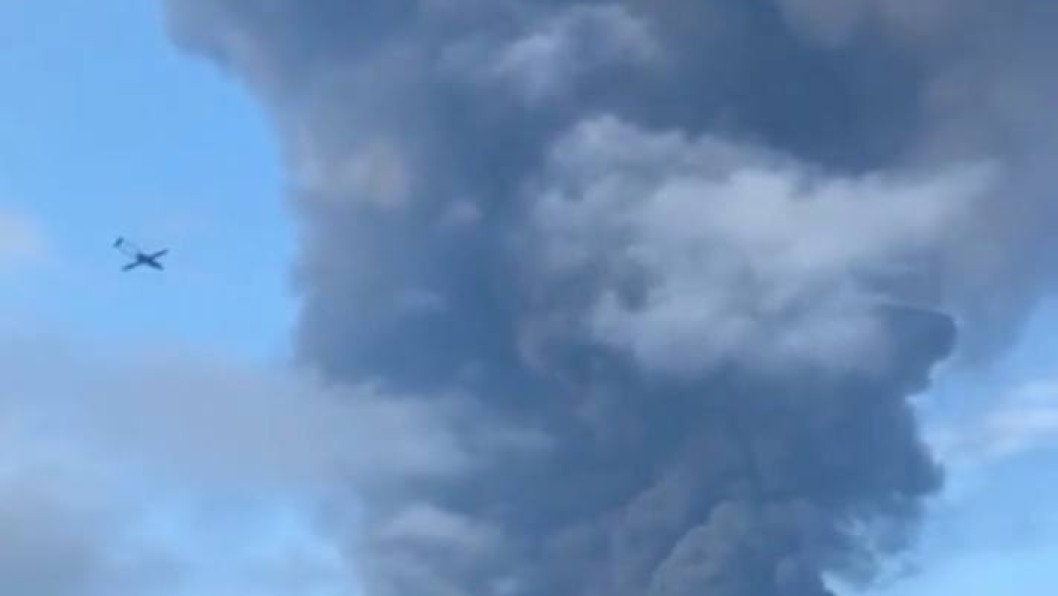
The worsening situation has been linked to a sustained campaign targeting Russian oil refineries. Between January and May 2026, refinery facilities were reportedly struck 38 times, with 16 attacks occurring in May alone — the highest monthly figure since the beginning of Russia's full-scale invasion of Ukraine.
According to data from OilX, refinery utilization rates in Russia have declined by 14% since the start of the year and remain roughly 20% below pre-war levels.
Russian regional officials have offered differing interpretations of the fuel shortages. Acting Governor of the Belgorod region Alexander Shuvaev acknowledged that supply problems exist, while Krasnodar region Governor Veniamin Kondratyev dismissed the situation as a case of “artificial panic.”
In a related incident, fuel supplies have effectively been depleted in the Russian-occupied part of Donetsk region, with shortages impacting both civilians and Russian military units engaged in combat operations, according to Russian propagandist Romanov Light.
Romanov claimed that fuel occasionally appears at some gas stations but is quickly purchased and disappears almost immediately. He added that along the Donetsk–Avilo-Uspenka highway, there are currently no functioning filling stations with available fuel. A similar situation, he said, is also unfolding in temporarily occupied Donetsk.
Discuss this article:
-9a7b3a98ed5c506e0b77a6663f5727c5.png)

-1a53a90a73ce3e7127f5eef46d0c6c71.webp "The Russian cargo ship Sabetta, previously known as BBC Mississippi. (Source: ShipSpotting.com)")


-29a1a43aba23f9bb779a1ac8b98d2121.jpeg "Photo of Illia Kabachynskyi")

-72b63a4e0c8c475ad81fe3eed3f63729.jpeg "Photo of Cyril Barabaltchouk")