- Category
- World
Russia’s “Spy Priests”: FSB Allegedly Uses Orthodox Church to Reach US Targets
 Prefer U24 Media on Google
- Authors

-111f0e5095e02c02446ffed57bfb0ab1.jpeg "Photo of Roman Kohanets")
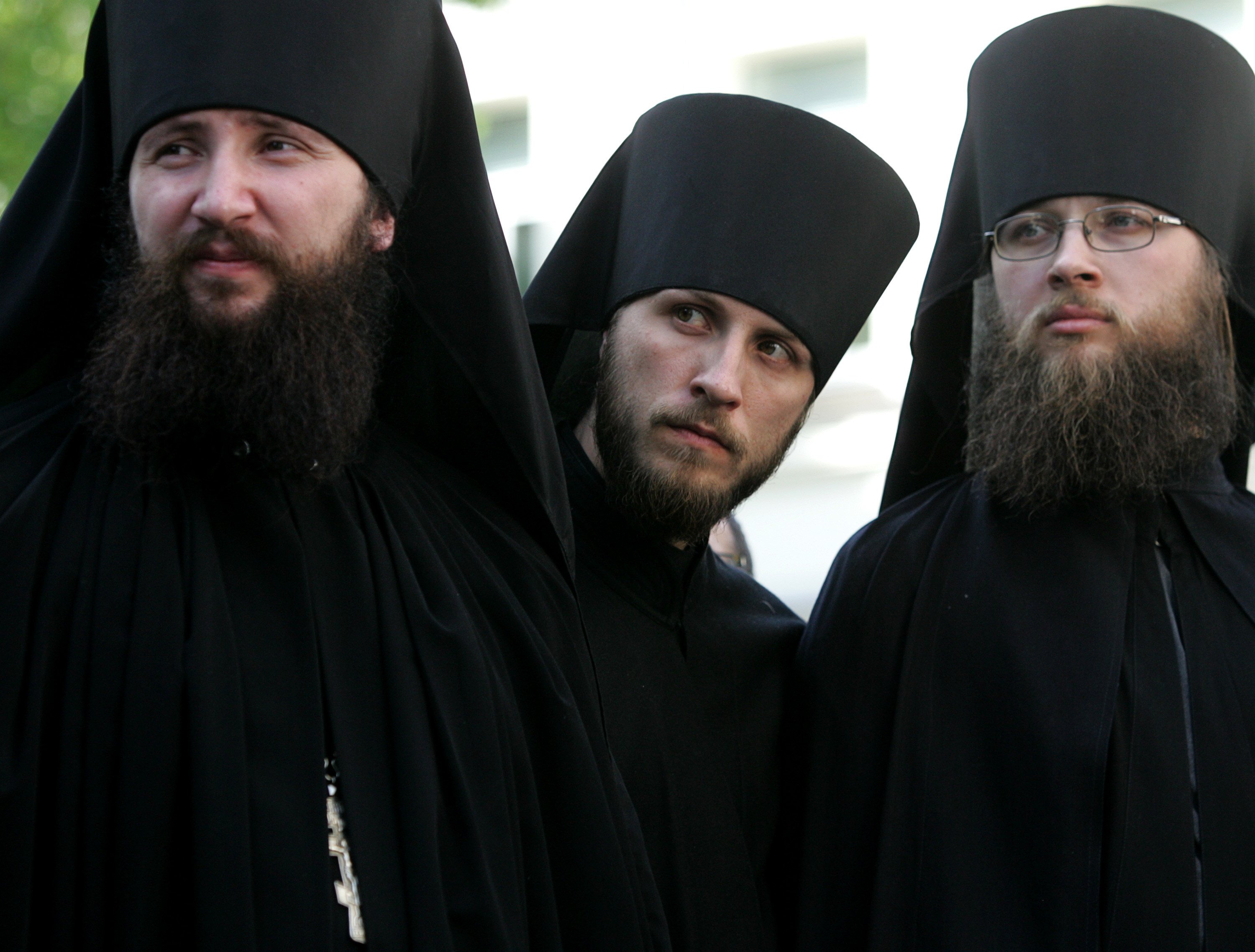
The Russian Orthodox Church (ROC) has systematically coordinated with Russia's FSB security service to identify and punish priests who oppose the war against Ukraine, religious scholar Sergei Chapnin alleges in a newly published book.
The findings were reported by the independent Russian outlet Agentstvo on August 12, drawing on Chapnin's English-language study, "Religious Communities Under Pressure: Documenting Religious Persecution in Russia 2022–2026."
We bring you stories from the ground. Your support keeps our team in the field.
Chapnin, a former editor of the Journal of the Moscow Patriarchate, wrote that documented cases reveal notable patterns of coordination between state agencies and church authorities.
That coordination, according to Chapnin's account, took several forms. Evidence gathered by state agencies—wiretapped calls and intercepted messages—surfaced verbatim in church court proceedings.
State-controlled media and church information services published nearly identical accounts of targeted clergy, deploying the same arguments to discredit them. In many regions, FSB officers personally visited local bishops to discuss priests who had taken, or might take, an anti-war stance.
After the invasion, the FSB sharply expanded monitoring of parish-level communications, social media groups, and correspondence among believers, Chapnin noted, allowing it to flag dissent early.
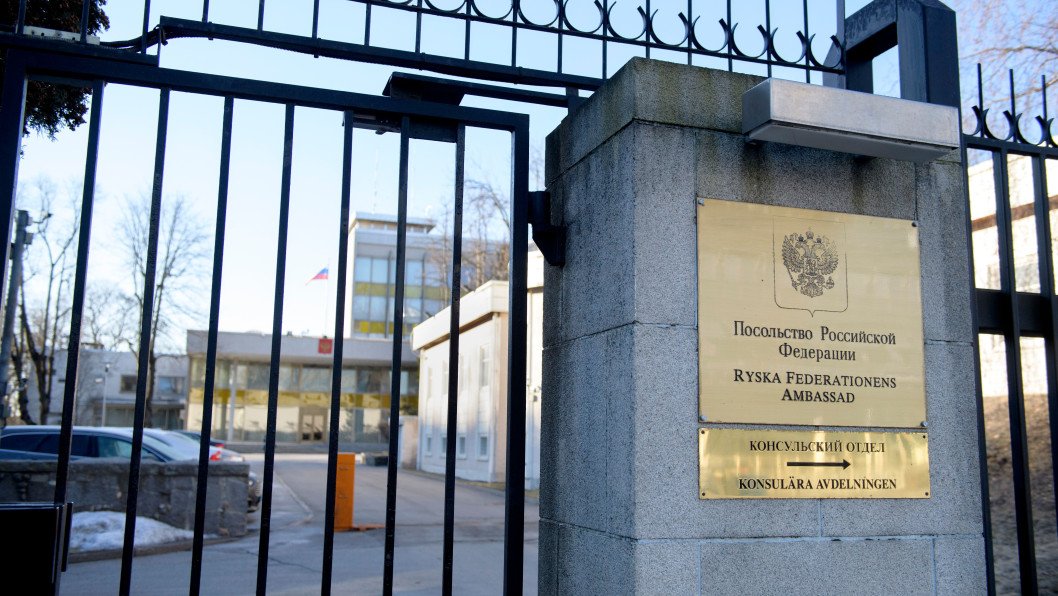
He also pointed to a declassified 2009 memorandum, recovered in part from the laptop of a church external-relations official and disclosed by journalists Andrei Soldatov and Irina Borogan.
In Chapnin's telling, the document authorized "coordination with the counterintelligence service of the FSB" and treated church representatives as intermediaries for reaching potential intelligence targets in the US. Enlisting them for operational work, it noted, required only the patriarch's blessing, with a dedicated church body coordinating contact with the security services.
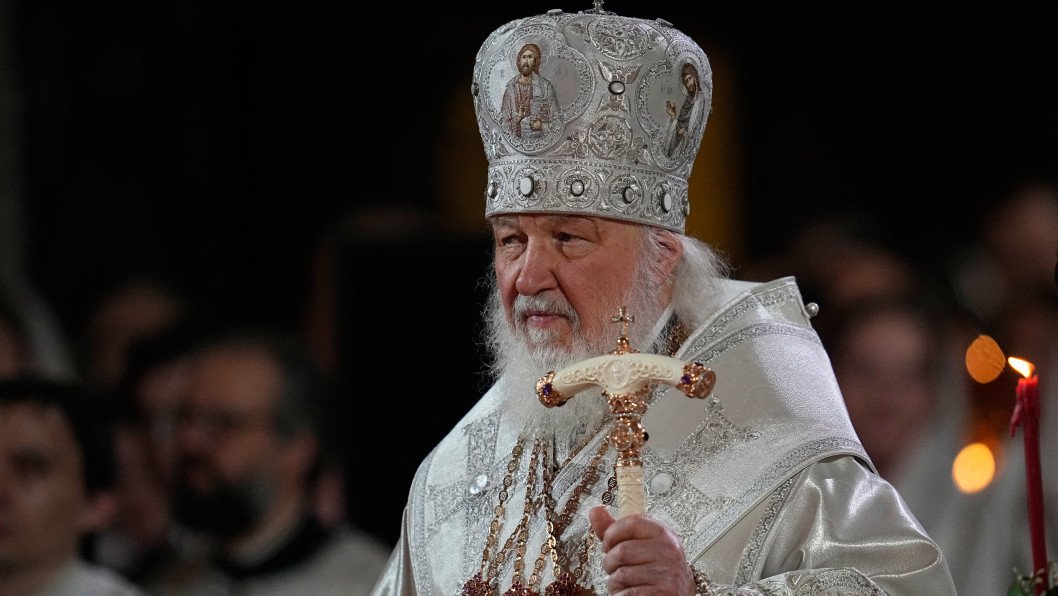
Chapnin traced the arrangement to Patriarch Kirill, writing that one of the ROC leader's first initiatives after taking office was to restore cooperation with Russia's intelligence services.
The book cites the case of Archpriest Sergei Rybakov, former rector of a university church in Samara, who criticized the war online. In March 2023, Rybakov recounted, a local metropolitan warned him he was under FSB surveillance; by September, he had been barred from the ministry.
In another instance, seminary graduates Denis Popovich and Nikita Ivankovich, both ethnic Ukrainians, were accused in 2025 of plotting to kill Metropolitan Tikhon. A campaign to discredit them began in late 2022 via a Telegram channel that Chapnin linked to the Moscow Patriarchate and the FSB.
By Chapnin's count, authorities have secured at least 35 convictions against religious figures and believers since the full-scale invasion, with at least three more criminal cases under investigation as of June 2026.
At least 30 administrative cases were recorded for "discrediting" the army, 13 religious figures and organizations were labeled "foreign agents," five people were placed on "terrorist" lists, and 10 organizations were declared "undesirable."
The church imposed its own penalties on at least 38 priests, defrocking 17, barring 14 from ministry, and pushing seven into retirement. In all, the study documents more than 115 cases involving clergy, believers, and religious activists.
Meanwhile, assessments circulated in mid-2026 described ROC priests posted abroad as recruited by or affiliated with Russian intelligence agencies, including the FSB, casting the church's overseas parishes as instruments for espionage and pro-Kremlin influence across Europe.
Discuss this article:


-c439b7bd9030ecf9d5a4287dc361ba31.jpg "Photo of Katherina Popilnichenko")