- Category
- World
This US WWII Mine Helped Trap Japanese Warships—Now Ukraine Is Turning It Into Drone Warheads
 Prefer U24 Media on Google
- Authors


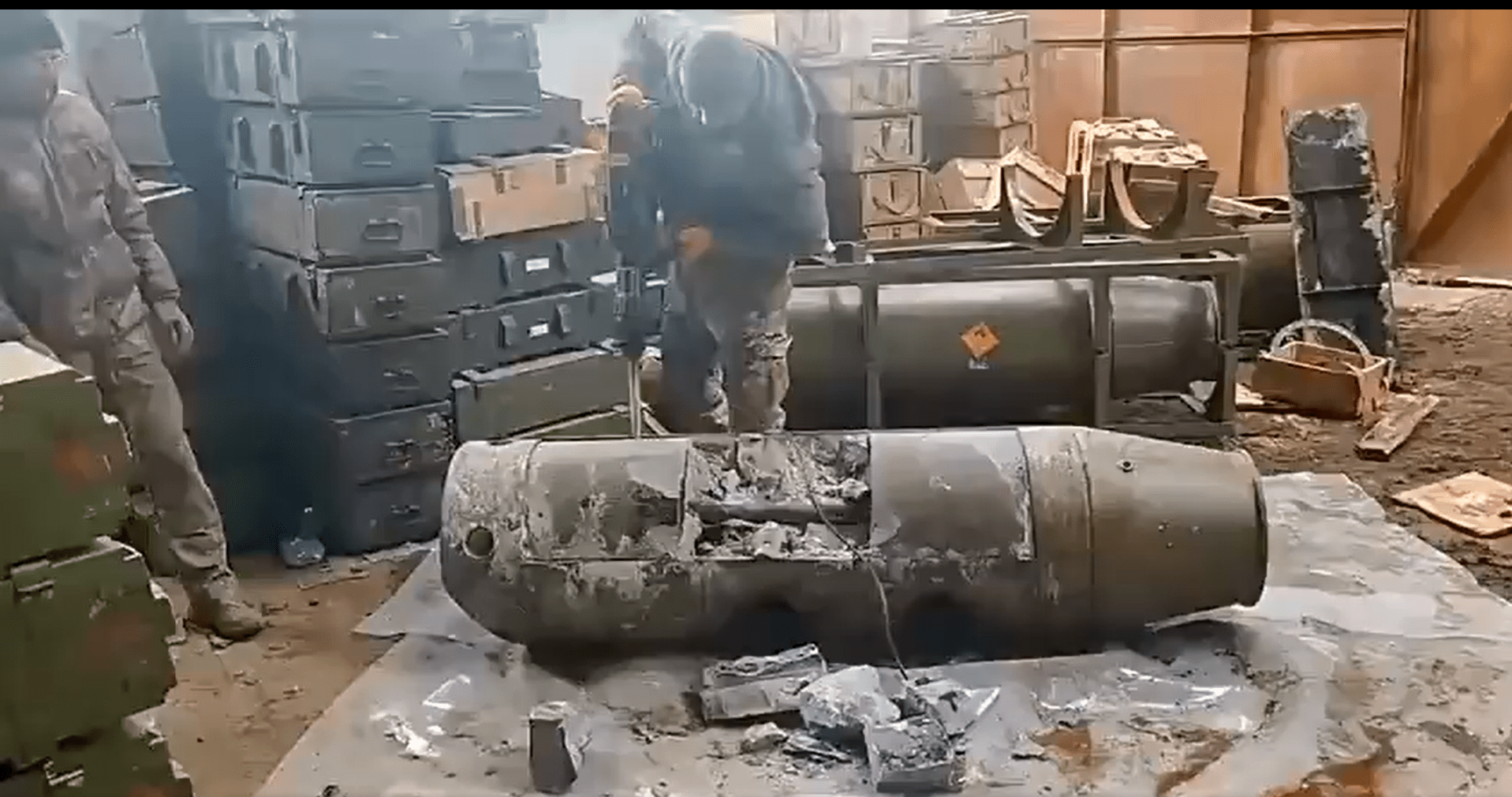
An American weapon that helped choke Japanese shipping during World War II has found an unexpected second life eight decades later—Ukrainian troops are now harvesting hundreds of kilograms of explosives from old Mk 25 sea mines for drone munitions.
American Mk 25 aerially delivered bottom mines have apparently appeared in Ukrainian military service for the first time, according to Defense Express on November 4.
We bring you stories from the ground. Your support keeps our team in the field.
Videos circulating online show Ukrainian troops using angle grinders and demolition hammers to open large munitions and remove the explosive filling inside.
Footage of Ukrainian soldiers recovering the HBX-1 explosive filler from donated surplus Mk.25 naval mines.
— OSINTtechnical (@Osinttechnical) November 3, 2026
The 1,200 pounds of filler per mine will likely be reused in other munitions. pic.twitter.com/caABPcdzFZ
The weapons were later identified as US-made Mk 25 naval mines.
Ukraine had not publicly announced that it had received Mk 25s, and the mines had not been seen in Ukrainian service before.
Curious video of Ukrainian servicemen cutting up what appears to be a US-made Mk 25 naval mine with an angle grinder.
— Status-6 (@Archer83Able) October 31, 2026
A rather obscure type of weaponry from the WW2 era. Wondering how it ended up there. pic.twitter.com/lETz00iUkh
Weapon from the Pacific War
Developed during World War II, the mine entered US service during the Pacific campaign and was designed to be dropped from aircraft into shipping lanes, harbor approaches, and other waterways enemy vessels had to pass.
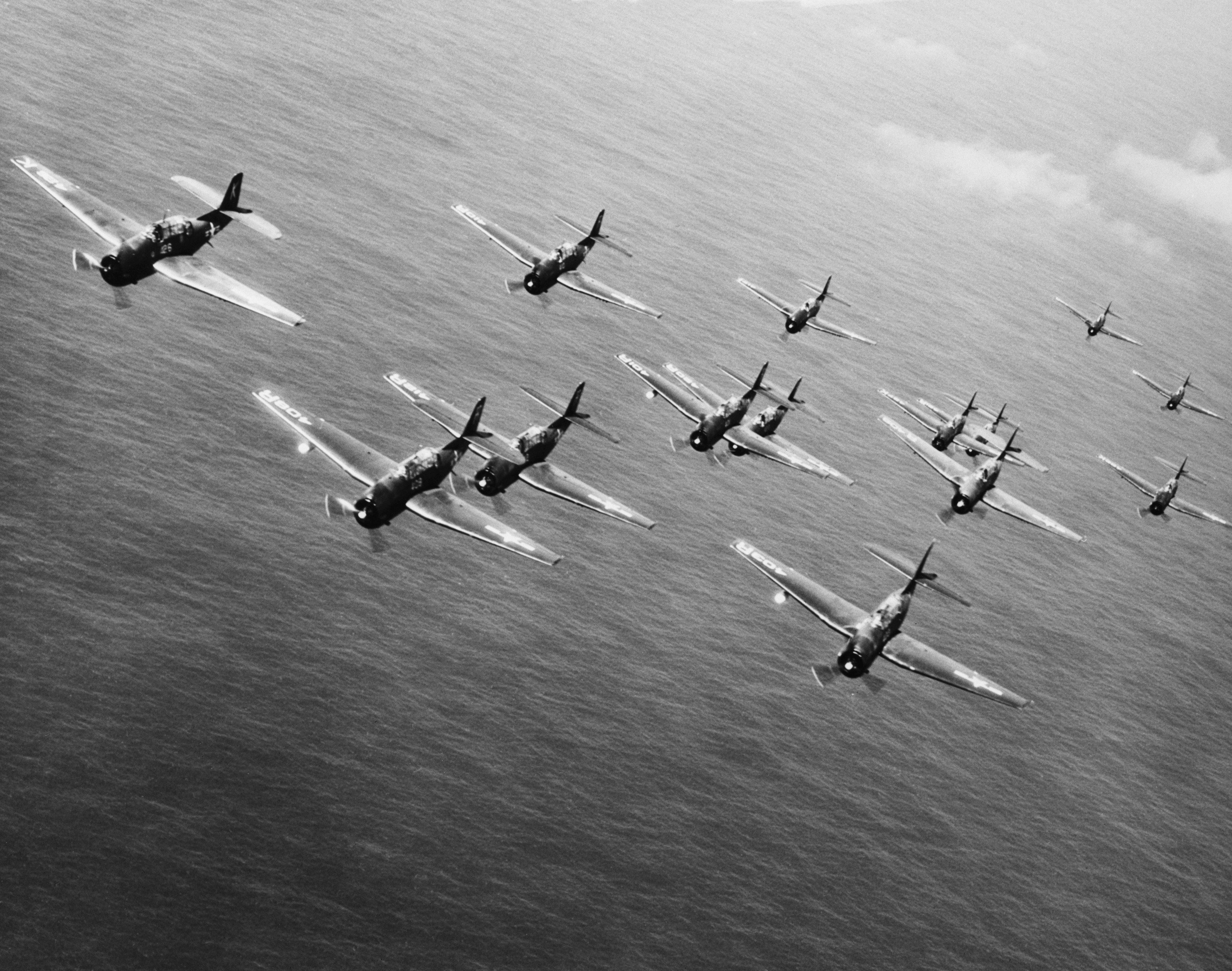
An early example came at Palau on March 30-31, 1944, when 78 TBF Avenger torpedo bombers from three US carriers dropped Mk 10 and Mk 25 mines across harbor exits after American intelligence identified 32 Japanese ships there.
The minefield helped trap the vessels inside before US aircraft attacked the anchorage the following day.
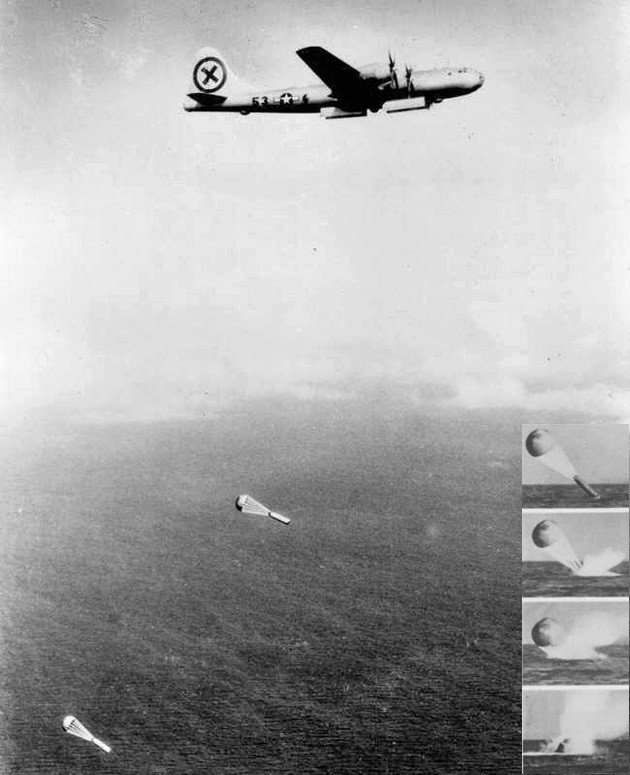
But the Mk 25’s far larger role came in 1945 with Operation Starvation, one of the most effective and least remembered American campaigns against Japan.
Beginning on March 27, US Army Air Forces B-29 Superfortresses began systematically mining Japan’s shipping routes and harbor approaches. The objective was straightforward: choke the maritime traffic carrying food, fuel, raw materials, and military supplies between the Japanese home islands and the rest of the empire.
The Mk 25 became particularly important as the campaign expanded. During the second phase of Operation Starvation, B-29s mined approaches to Tokyo, Nagoya, Kobe, and Osaka and reseeded the strategically vital Shimonoseki Strait, relying heavily on 2,000-pound Mk 25 bottom mines.
By the end of the war, the 313th Bombardment Wing had flown 1,529 sorties across 46 mining missions and laid 12,135 mines in 26 minefields. US Navy historical assessments credit the campaign with sinking or severely damaging more than 670 Japanese ships totaling more than 1.25 million tons.
The mines became so disruptive that by May 1945 they were sinking more Japanese shipping than US submarines. Postwar assessments concluded that the relatively small share of B-29 missions devoted to mining caused extraordinary disruption to Japanese industrial production by choking off the raw materials factories needed.
Thousands once sat in US storage
The United States continued producing and storing Mk 25 mines long after World War II.
The exact size of the remaining US inventory is unknown, but a Government Accountability Office audit of American ammunition storage in 1995-1996 offers a glimpse of how many once existed.
Auditors found 5,382 Mk 25 bottom mines stored at centralized facilities that did not appear correctly in the Navy’s own inventory records.
Some of the mines were manufactured as early as 1954.
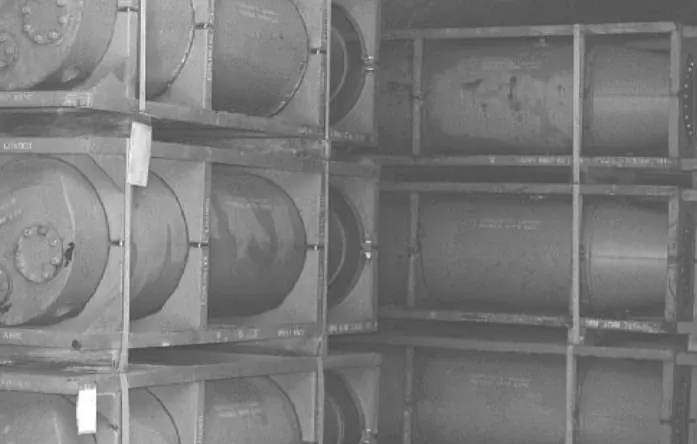
Around 40% of those identified in the audit had an unknown technical condition, while mines at one storage facility had reportedly remained unmoved for more than a decade.
Some were later expected to be disposed of, but their appearance in Ukraine suggests at least part of the broader stockpile survived much longer.
Ukraine has a very different job for them
Ukraine is not apparently preparing to use the Mk 25 for its original purpose.
Delivering large aerial mines into Russian-controlled naval bases and harbor entrances in the Black Sea would be difficult and, in many cases, unnecessary.
Instead, Ukrainian troops appear to be interested in what is inside them.
An Mk 25 weighs roughly 1,990 pounds, or about 903 kilograms. As much as 572 kilograms of that weight can consist of explosive material, depending on the version, including TNT, Torpex, or HBX.
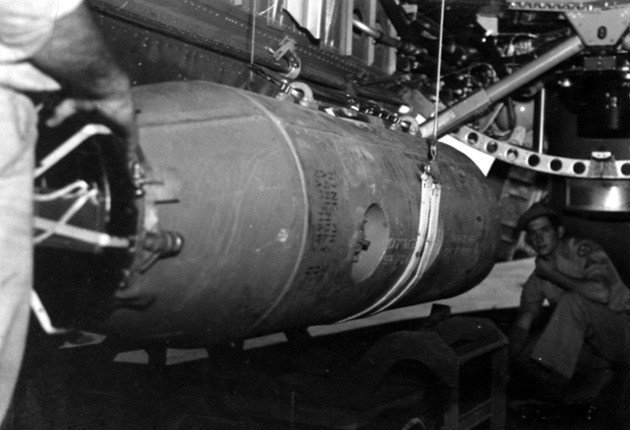
That makes even an obsolete naval mine an enormous source of explosive material for drone warheads and aerially dropped munitions.
The original Mk 25 could use magnetic, acoustic, or hydrodynamic fuzes depending on the modification. A parachute in the tail stabilized the mine during its descent after release from an aircraft.
From TBF Avengers to FPV drones
The transformation illustrates how Ukraine continues extracting battlefield value from weapons that would otherwise appear hopelessly obsolete.
The Mk 25 was designed when US Navy TBF Avengers were dropping mines around Japanese-held islands in the Pacific. Eight decades later, the same basic explosive material can be removed and placed into warheads carried by unmanned aircraft.
Earlier, Ukraine added one of the most powerful artillery systems ever fielded to its growing arsenal, with US-made 203mm M110 self-propelled howitzers from the late 70s.
Discuss this article: