- Category
- World
Ukraine Gets Two-Thirds of Its Allied Intelligence From Europe, France Says
 Prefer U24 Media on Google
- Authors


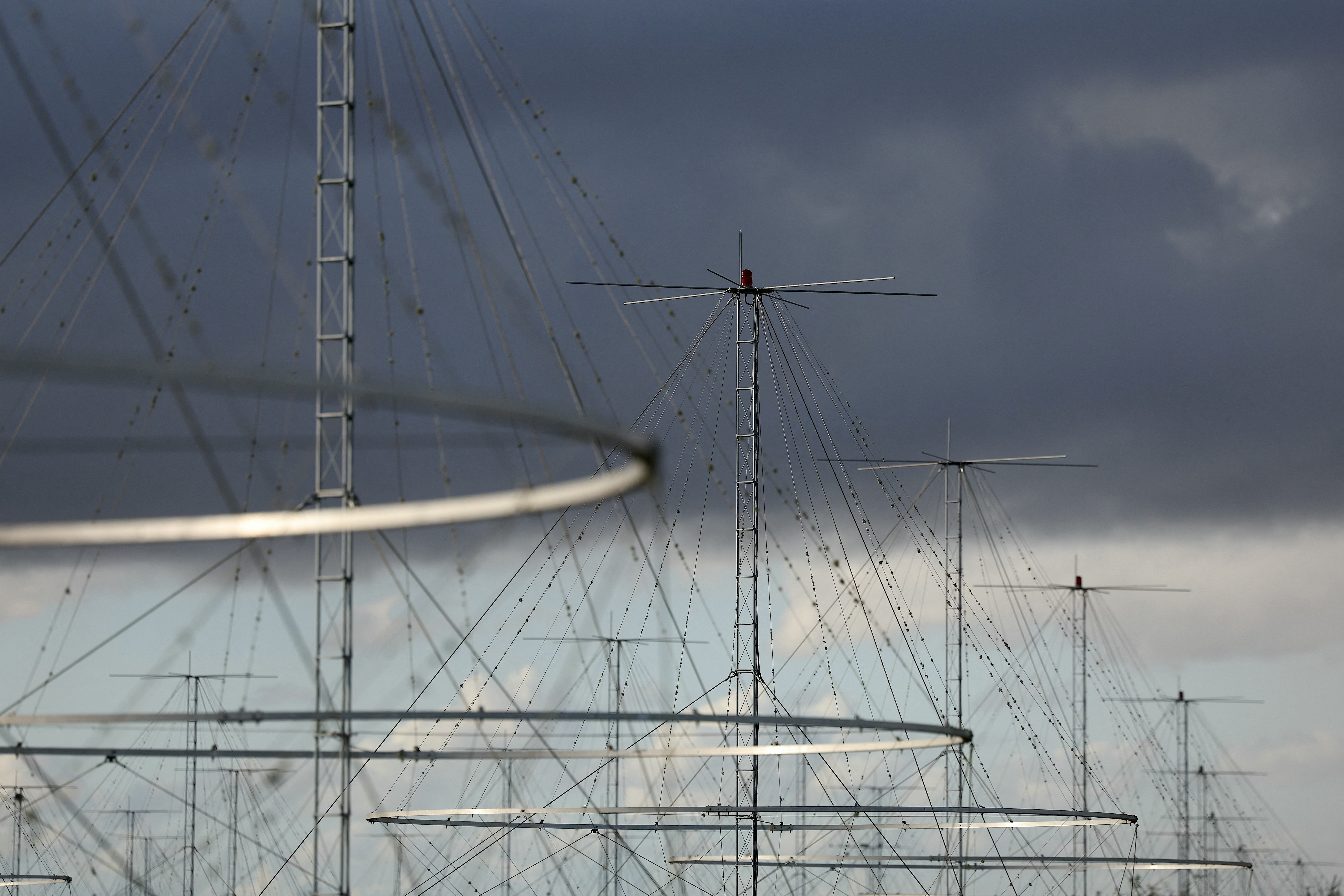
European countries now provide roughly two-thirds of the intelligence Ukraine receives from its international partners, with France among the major contributors, French Foreign Minister Jean-Noël Barrot said on France Inter on October 15.
“Two-thirds of the intelligence provided to Ukraine today comes from Europeans, including France,” Barrot said.
We bring you stories from the ground. Your support keeps our team in the field.
His comments come as Kyiv faces uncertainty over US intelligence support following tensions surrounding Ukrainian strikes on Russian oil refineries. The figures suggest that Europe has already assumed a much larger role in supplying the battlefield and strategic intelligence Ukraine needs than it had earlier in Russia’s full-scale war.
According to Militarnyi, European assistance covers a broad range of intelligence capabilities, including optical and radar satellite imagery, signals intelligence, information on Russian force movements, and warnings about ballistic missile threats. The latter have become especially important because ballistic weapons leave Ukrainian civilians and air defense units very little time to react after launch.
European countries can detect some ballistic threats using ground-based electronic intelligence systems and long-range radars capable of tracking missiles once they rise beyond the radar horizon. France is also investing heavily in expanding those capabilities.
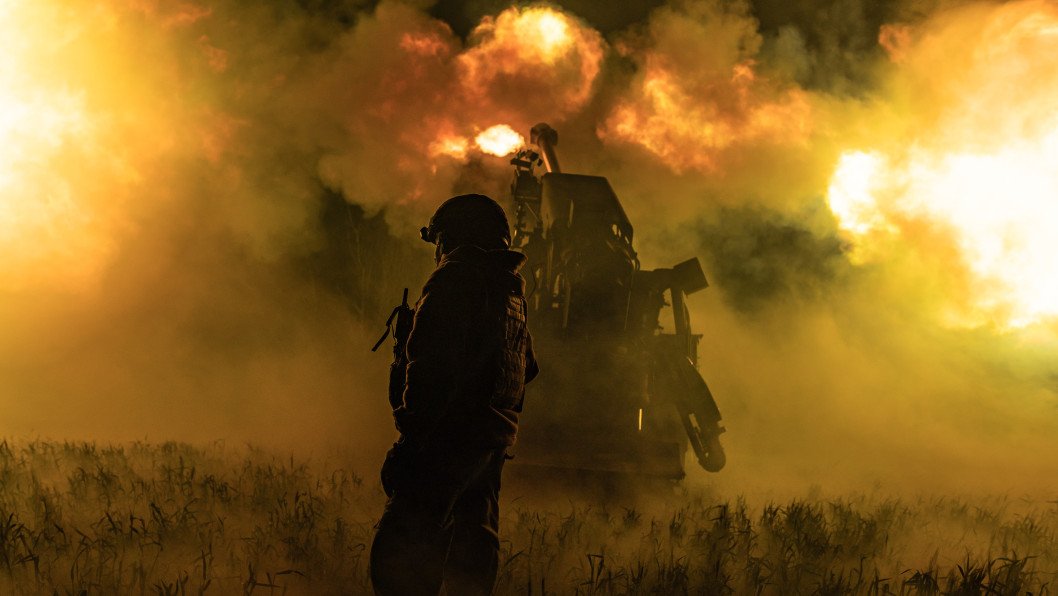
Paris recently announced a major modernization of its Nostradamus strategic radar in the Eure-et-Loir department. The over-the-horizon system is capable of detecting activity thousands of kilometers away, covering an area stretching from the North Sea toward the Ural Mountains without mechanically rotating its antennas.
Developed by France’s ONERA aerospace research agency in the 1990s, Nostradamus spent years largely mothballed. France is now bringing the system back into a more active role amid growing threats from Russia and Iran, investing more than €50 million in its modernization.
Unlike conventional radar, Nostradamus uses high-frequency radio waves reflected by the ionosphere, allowing it to detect objects far beyond the normal line of sight. Its antennas are arranged across roughly 12 hectares in a star-shaped configuration and can monitor an enormous volume of airspace extending from ground level to an altitude of around 250 kilometers.
Earlier, Russian leader Vladimir Putin stated that Moscow will consider using all available weapons, including its nuclear arsenal, if Kaliningrad or any other Russian territory faces a direct attack or blockade.
Discuss this article:
-9a7b3a98ed5c506e0b77a6663f5727c5.png)

-c439b7bd9030ecf9d5a4287dc361ba31.jpg "Photo of Katherina Popilnichenko")