- Category
- Defense Tech
Ukraine’s Zvook Acoustic System Tests Mobile Detection of Low-Flying Missiles and Drones
 Prefer U24 Media on Google
- Authors

-111f0e5095e02c02446ffed57bfb0ab1.jpeg "Photo of Roman Kohanets")
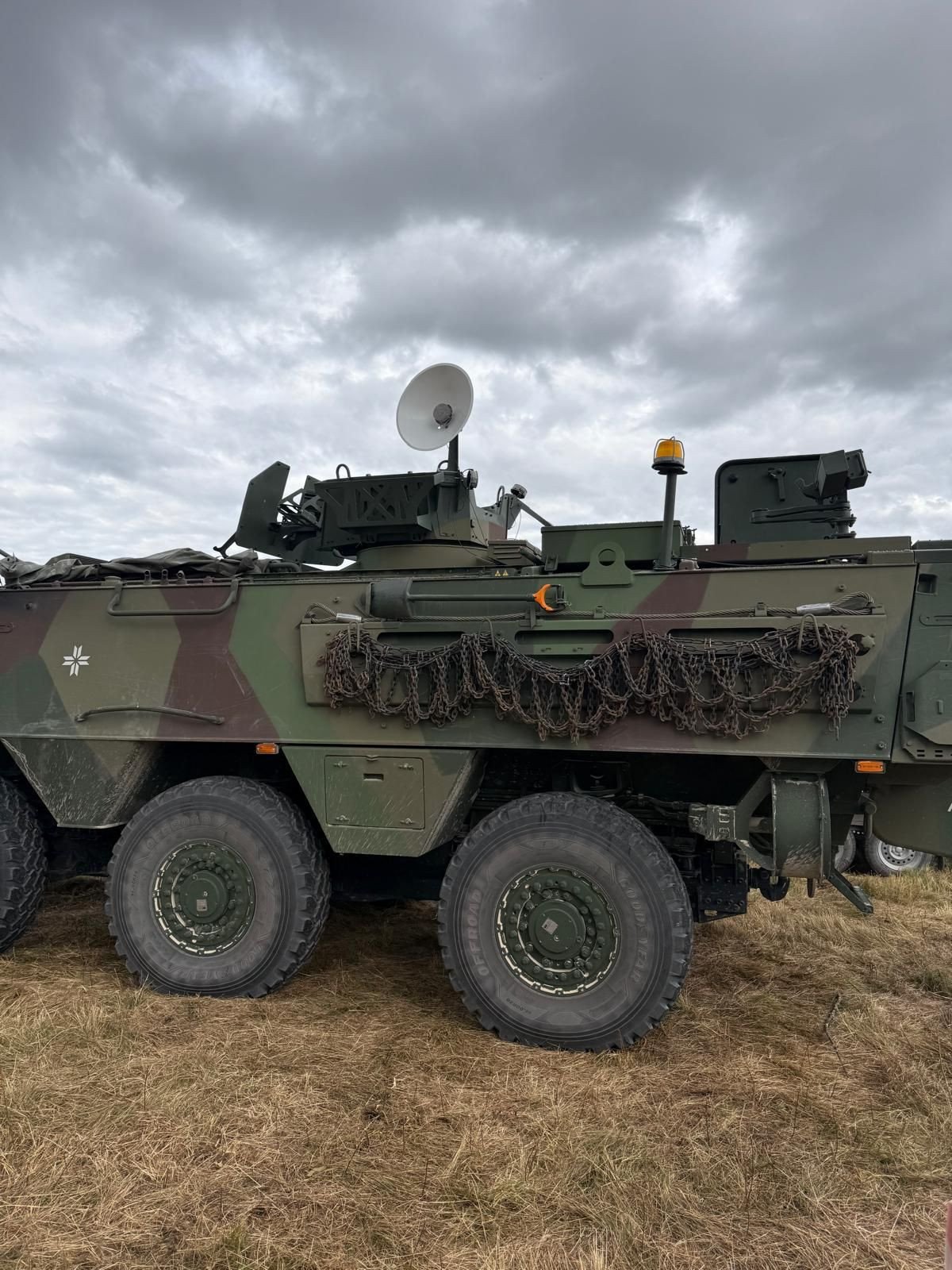
A Ukrainian firm, Zvook, has for the first time mounted its passive acoustic early-warning sensors on a moving vehicle, testing the drone-detection technology beyond its standard fixed-infrastructure setup during the BATT26 exercises in Latvia.
The company announced the trial on LinkedIn on August 11, noting that the test was carried out alongside the Latvian National Armed Forces, with several systems integrated into a shared operational environment.
We bring you stories from the ground. Your support keeps our team in the field.
In the post, Zvook described the result plainly: "It worked. Not perfectly—there were challenges, valuable lessons, and improvements to identify. But the concept proved itself under operational conditions, opening new possibilities for future mobile deployments."
Mounting the sensors on a moving vehicle departs from Zvook's usual concept, in which the equipment sits on permanent structures such as telecommunications towers.

The company explained that the setup emerged during experimentation, after not every system performed as originally planned and engineers, soldiers, and partners reworked the arrangement on the spot.
Images released by Zvook show the sensor fitted to a military vehicle, its individual components, and the equipment in use, with one frame capturing the vehicle in motion.
Zvook is a Ukrainian passive acoustic sensor network built for the early detection of aerial threats, including low-altitude cruise missiles and drones.
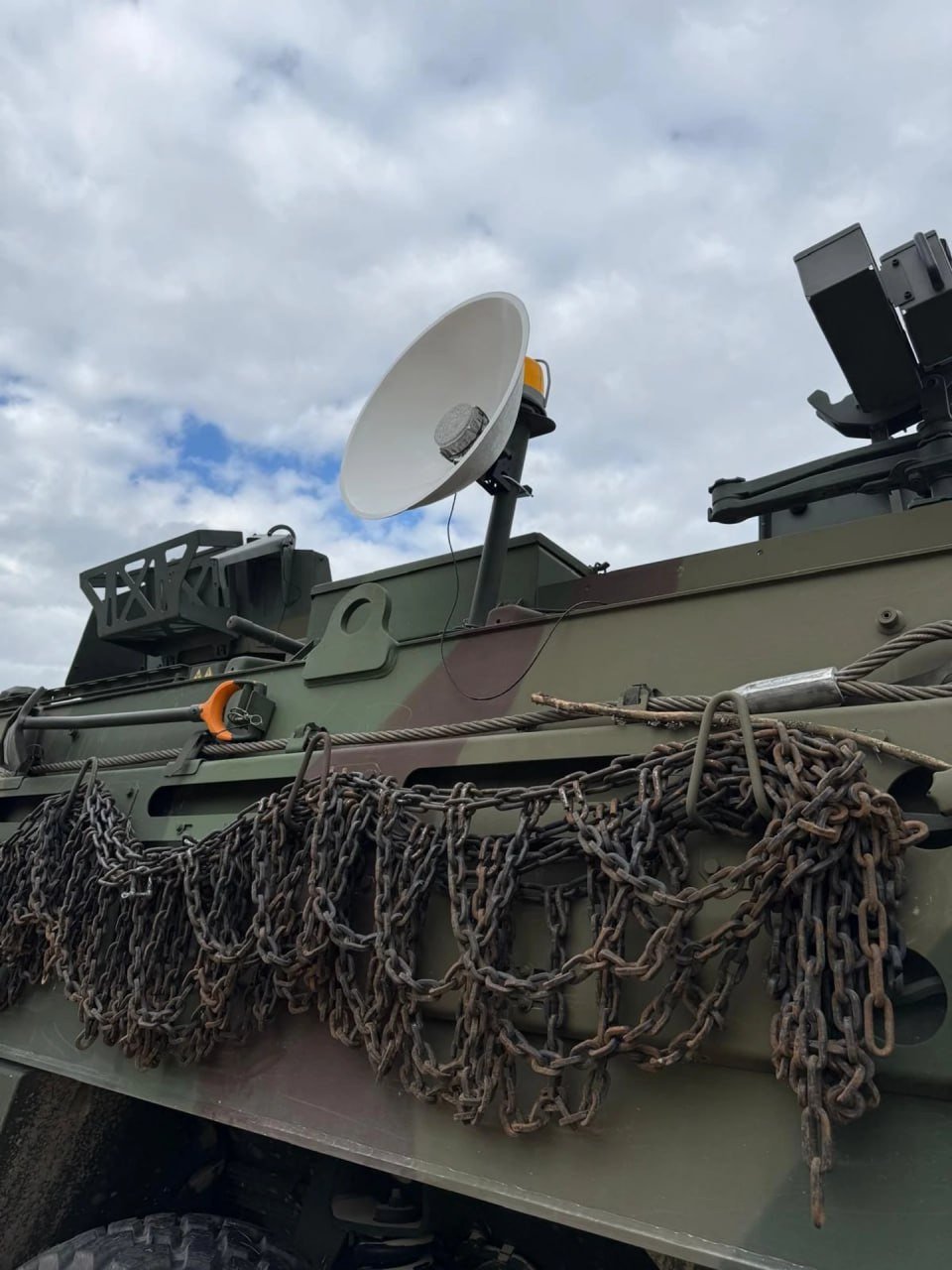
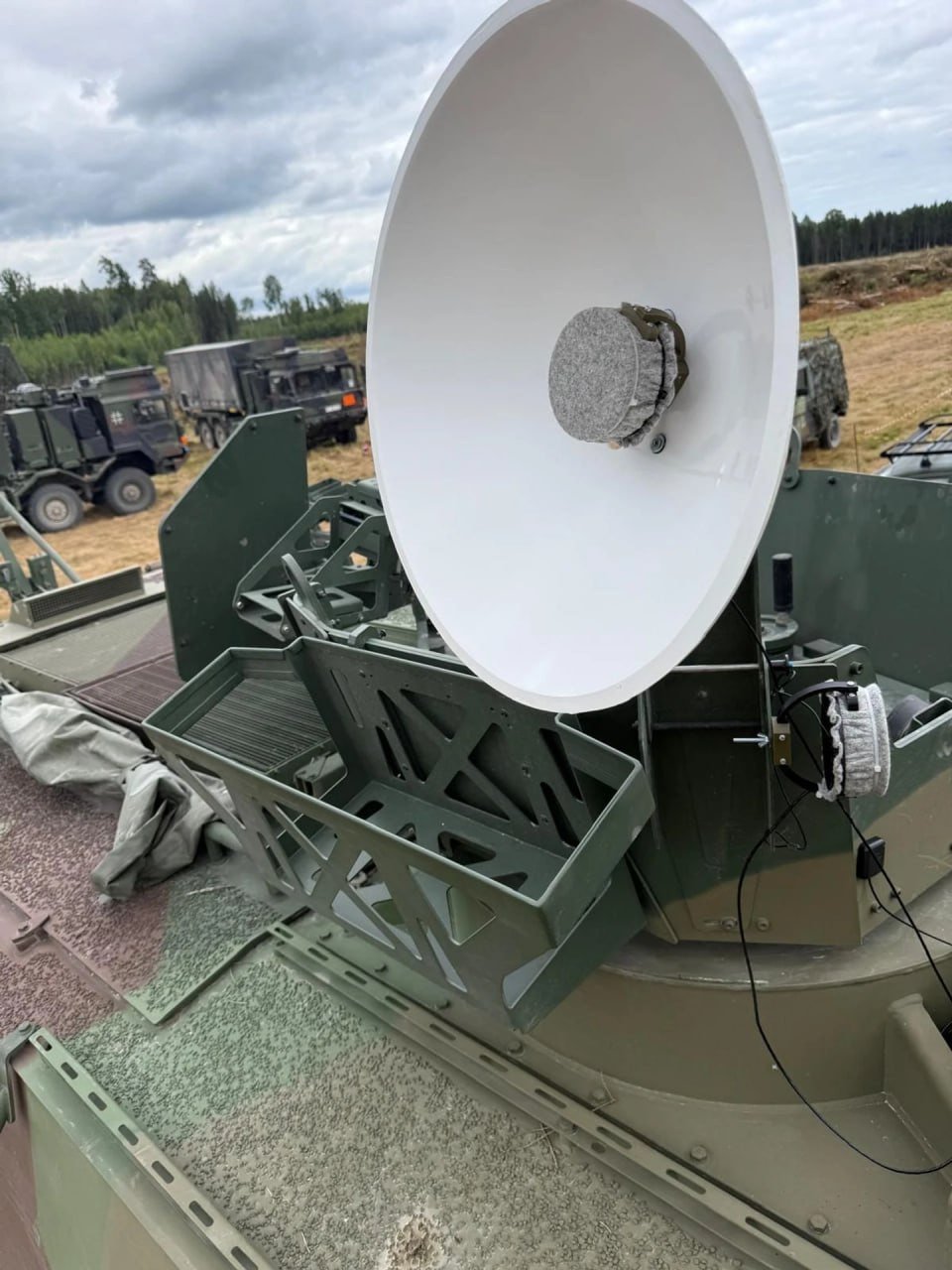
Its sensors are equipped with microcomputers capable of running machine-learning algorithms and are typically deployed at fixed sites such as telecom towers.
A mobile array could extend early-warning coverage to areas that lack the standing infrastructure the system typically relies on.
Ukraine's push to detect low-flying threats by sound extends beyond a single developer. Another domestic company, ARes, unveiled a passive acoustic system in December 2025 that can flag FPV drones at 200 to 300 meters and Shahed drones from as far as 5 kilometers. The system has been trialed during actual Russian drone and missile strikes, tracking several targets at once with 360-degree coverage.
Discuss this article:
-4a56a6b482ec132402c16ef6fcabf9a2.png)


-6ff4efaedd2092e0205aad37f9e7b98a.jpg "Illustrative image. US F-16 and Polish MiG-29 over Poland, 2005.")