- Category
- Latest news
US Firm Unveils AI-Powered SECTR Drone Interceptor That Hunts FPVs by Sound
 Prefer U24 Media on Google
- Authors

-111f0e5095e02c02446ffed57bfb0ab1.jpeg "Photo of Roman Kohanets")

A US defense company has developed an autonomous interceptor drone system that uses artificial intelligence and acoustic targeting to detect and strike hostile small drones, according to Defence Blog on April 10.
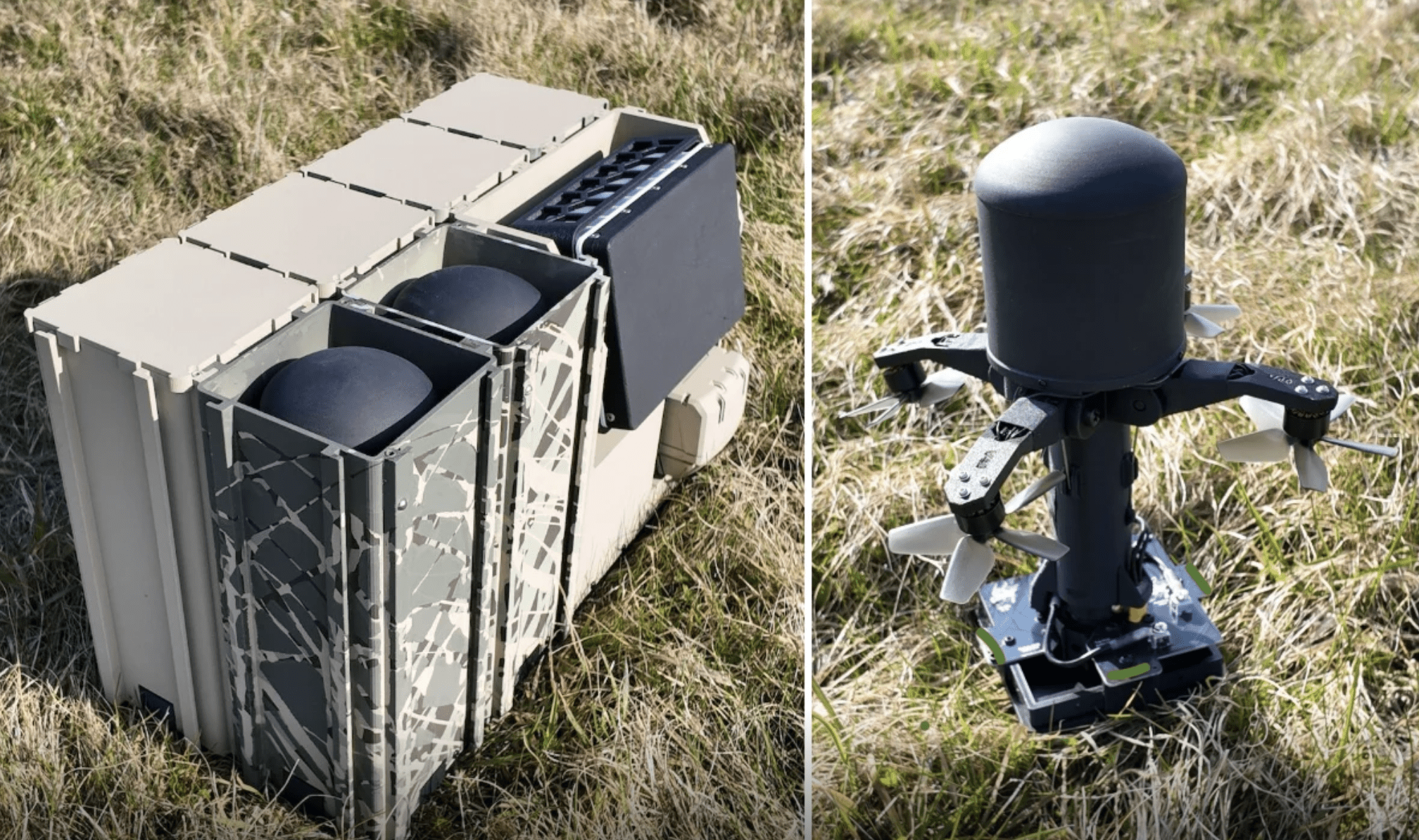
The system, called SECTR, was developed by Boise, Idaho-based Talon Avionics as a counter-drone platform designed to address low-cost aerial threats such as FPV and camera drones.
We bring you stories from the ground. Your support keeps our team in the field.
Defence Blog reported that the modular setup can scale to 100 launch tubes from a single control station and can be mounted on vehicles or deployed in static positions for convoy escort, base protection, and critical infrastructure defense.
According to the report, the acoustic array can detect drone motor signatures at up to 100 meters, while radar integration provides wider airspace awareness at 200 to 1,000 meters, with a longer range planned for 2027.
Each interceptor, with its launch tube, weighs 700 grams, flies at up to 135 kilometers per hour, remains airborne for up to five minutes, and is designed to engage drones weighing up to 1 kilogram.
Talon Avionics stated the full detect-to-launch sequence takes less than one second and that a single interceptor has a hit probability of 95% or greater.
“A major advantage of our system is the fully passive acoustic detection layer,” Michael Mayer-Rosa, co-founder and strategic executive of Talon Avionics, stated, according to the report.
He added that, unlike many counter-drone systems, it does not emit signals that could reveal the location of the protected unit, which he described as critical for military operations, convoy protection, and forward positions.
The report noted that each interceptor carries a 16-microphone array and uses beamforming and onboard AI to separate a target drone’s sound from its own motors and wind noise before guiding itself to intercept.
Talon Avionics also stated that the software-defined system can be updated in the field as drone threats evolve, drawing on lessons from battlefield drone warfare in Ukraine and the Middle East.
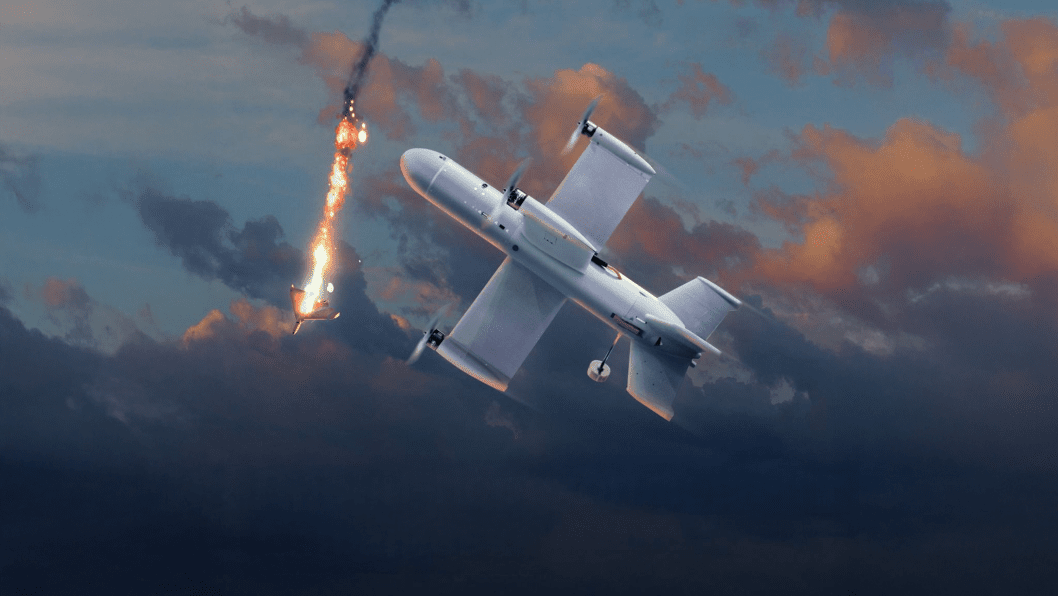
The concept also aligns with similar efforts in Ukraine to use passive acoustic tracking to detect drones and missiles, as Ukrainian company ARes unveiled a similar technology in December 2025.
An acoustic target designation system designed to detect and track drones and missiles in difficult conditions, including fog, cloud cover, and noisy urban environments.
According to the company, the passive system can designate FPV drone targets from 200 to 300 meters and Shahed drones from as far as 5 kilometers after successful field testing.
ARes stated that the system has already been tested during real attacks, including Shahed strikes and missile launches, while providing 360-degree coverage and tracking multiple targets at once.
Discuss this article:
-4a56a6b482ec132402c16ef6fcabf9a2.png)


-c439b7bd9030ecf9d5a4287dc361ba31.jpg "Photo of Katherina Popilnichenko")