- Category
- Latest news
Zelenskyy: Ukraine Helped Down Iranian Shahed Drones With Its Own Interceptors in the Middle East
 Prefer U24 Media on Google
- Authors

-111f0e5095e02c02446ffed57bfb0ab1.jpeg "Photo of Roman Kohanets")
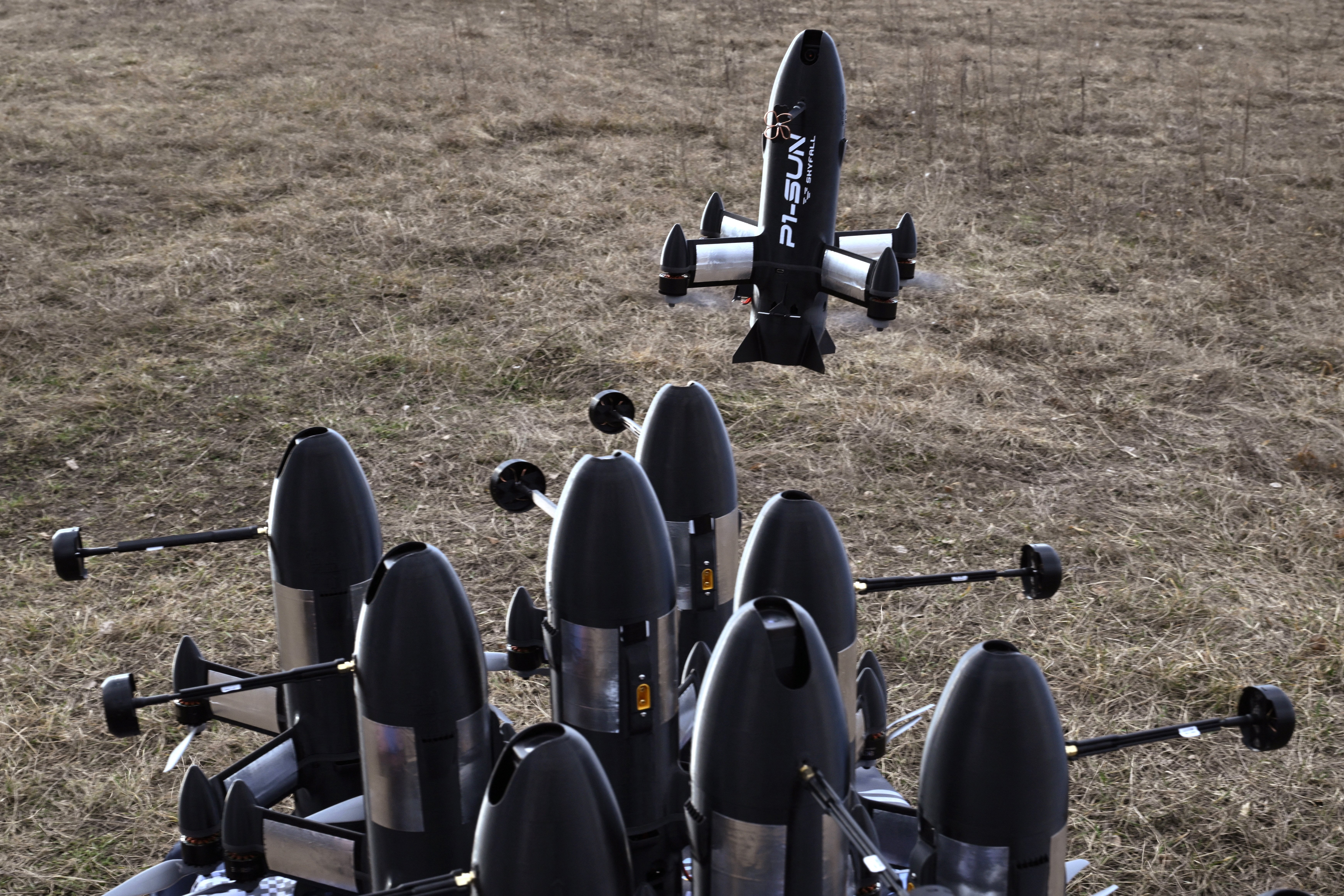
Ukraine has used domestically produced interceptor drones to shoot down Iranian-designed Shahed drones in several Middle Eastern countries during the Iran war, according to AP on April 10.
Ukrainian President Volodymyr Zelenskyy made the first public acknowledgment of the operations in remarks to reporters on Wednesday, which were released on Friday.
He described the missions as active support for partners facing the same type of drone threat Russia has used against Ukraine.
We bring you stories from the ground. Your support keeps our team in the field.
“This was not about a training mission or exercises, but about support in building a modern air defense system that can actually work,” Zelenskyy noted. He added that the operations took place before the tentative ceasefire between Iran, the US, and Israel reached this week.
Zelenskyy did not name the countries involved, but he noted that Ukrainian personnel operated across several states and helped strengthen local air defense systems.
AP reported that he had previously disclosed the deployment of 228 Ukrainian experts to the region.
The disclosure comes as Kyiv warns that the Middle East conflict could draw Western attention and air-defense supplies away from Ukraine.
Zelenskyy remarked that partners are still delivering Patriot missiles, but he warned that the coming spring and summer will bring heavier political and battlefield pressure.
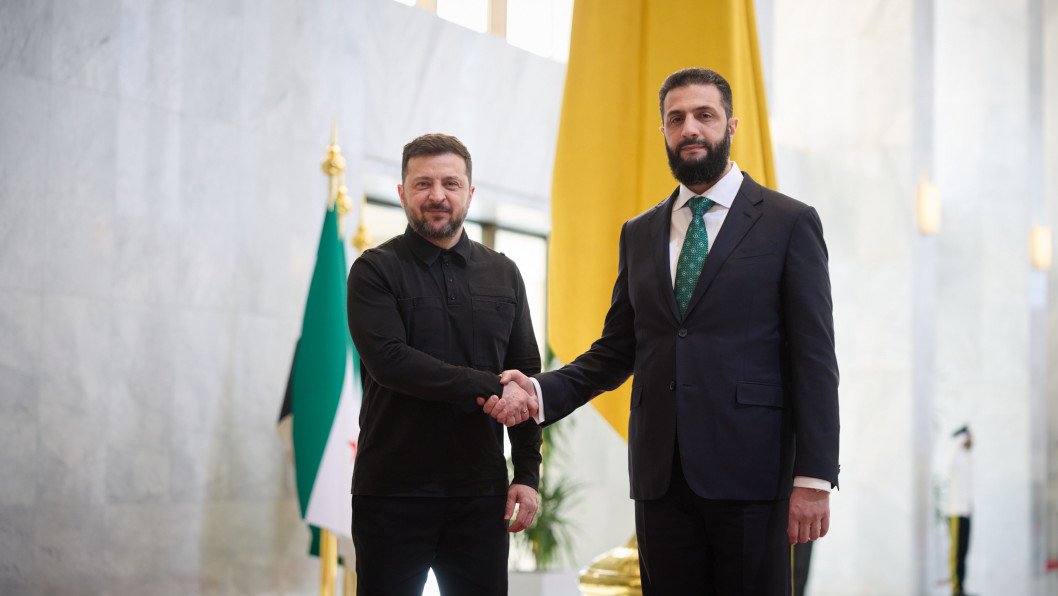
In the same remarks, Zelenskyy urged allies not to ease pressure on Russian oil exports, arguing that any rollback would help Moscow sustain its war effort.
He also disclosed that partners had asked Ukraine at different political and military levels to scale back attacks on Russian energy sites during Iran’s disruption of the Strait of Hormuz.
The missions also align with Kyiv’s broader argument that security in the Gulf and Europe is increasingly interconnected.
On April 8, Ukraine supported the two-week ceasefire agreement and the reopening of the Strait of Hormuz, presenting the de-escalation as a strategic step toward wider global security.
Foreign Ministry spokesperson Heorhii Tykhyi stated on April 8 that the breakthrough, driven by American resolve, should serve as a precedent for ending Russia’s full-scale invasion.
Kyiv said confidence-building measures were needed to create conditions for diplomacy, and it had earlier argued that calmer conditions in the Gulf could help protect logistics chains and stabilize markets.
Discuss this article:

-c439b7bd9030ecf9d5a4287dc361ba31.jpg "Photo of Katherina Popilnichenko")