- Category
- Latest news
“I Want To Be The Secretary Who Deploys Troops To Ukraine”: UK Defense Secretary John Healey
 Prefer U24 Media on Google
- Authors


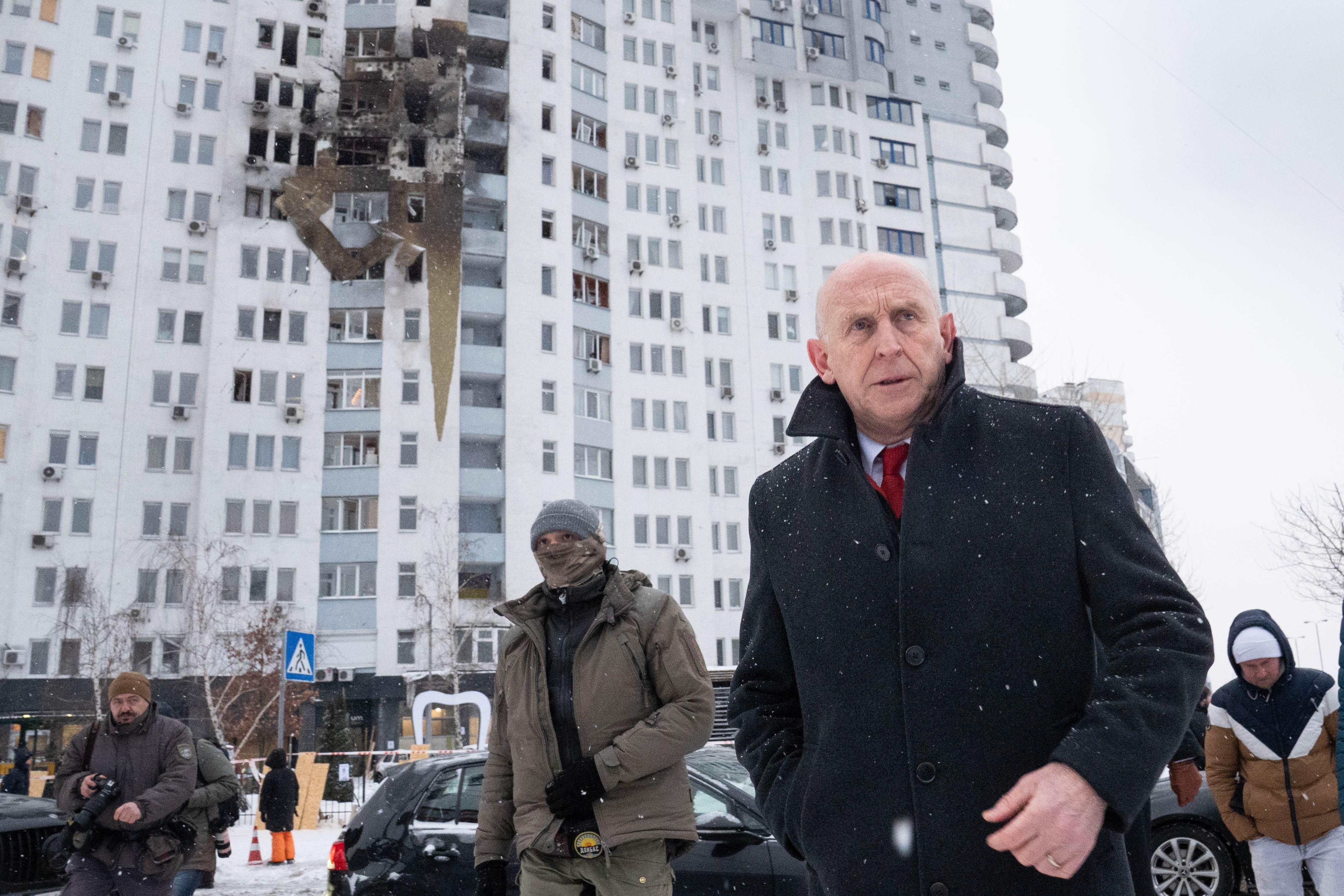
British Defense Secretary John Healey has set an ambitious target for European security, declaring that “2026 must be the year this terrible war ends,” referring to the Russia’s war against Ukraine.
In a comprehensive op-ed for The Telegraph published just before the fourth anniversary of the Russia’s full-scale invasion of Ukraine, Healey outlined a strategic shift toward “securing the peace,” which includes the historic step of deploying British Armed Forces on Ukrainian soil.
We bring you stories from the ground. Your support keeps our team in the field.
Healey emphasized that while committing troops to operations is the “heaviest burden” for any government, he stated, “I want to be the Defense Secretary that oversees British forces on the ground in Ukraine, because that will be the signal that a secure and definitive peace has been traded.” He argued that a secure Europe is impossible without a strong and sovereign Ukraine, framing the presence of British soldiers as a necessary guarantor of a lasting settlement.
He argued that a secure Europe is impossible without a strong and sovereign Ukraine, framing the presence of British soldiers as a necessary guarantor of a lasting settlement.
To ensure that any future peace deal is sustainable, Healey revealed that the UK is actively building a “Coalition of the Willing.” This multinational peacekeeping force, developed alongside allies like France, is being designed to guard Ukraine against Russian aggression once a deal is secured.
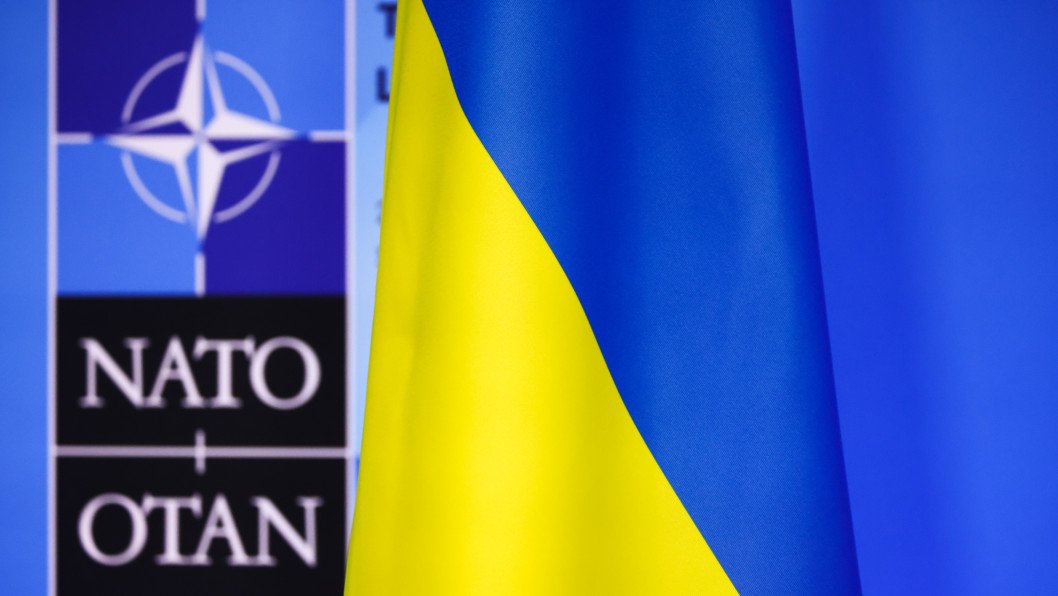
The British government has already backed this planning with £200 million in funding to equip the Armed Forces with the necessary kits for deployment, including upgraded vehicles, communication devices, and new counter-drone protection hardware.
Healey noted that a 70-person headquarters is already operational to coordinate these efforts, ensuring that Western allies are ready to secure the peace the moment hostilities cease.
Beyond post-war planning, Healey highlighted the deepening military-industrial partnership between London and Kyiv, specifically mentioning the joint production of “Octopus.” This Ukrainian-designed, AI-enabled interceptor drone is being manufactured at scale to take down Russian Shahed drones at a fraction of the cost of traditional air defense missiles.
-81cadbc0496862db68adf094ceb53be5.png)
Healey noted that this initiative reflects the growing centrality of drone warfare and the need for sustainable defense solutions. He also welcomed the increasing integration of Ukrainian forces into NATO exercises, stating that their counter-drone experts are already advising European nations on how to face modern aerial threats.
Reflecting on the human cost and the reality of the front line, Healey provided a sobering assessment of Russia’s “failed” invasion. He pointed to over a million casualties and 250,000 Russian dead or missing, noting that Putin has been forced to rely on 17,000 North Korean soldiers and recruits from countries like Cuba and Nigeria.
Healey also recounted his recent visit to Ukraine, where he witnessed the “stark reality” of the war when a ballistic missile struck Lviv just 15 minutes away from his location. “It was a reminder of the scale of the challenge and the huge courage of the Ukrainian people,” he remarked, describing the impact as a testament to the daily dangers faced by civilians.

Despite these attacks, he praised the “huge courage” of the Ukrainian people and sent a clear message to Moscow regarding “Western fatigue,” asserting that while Putin may hope for it, Ukraine’s friends will never tire.
He concluded by promising increased pressure on Russia’s “shadow fleet” and fresh sanctions to ensure Ukraine negotiates from a position of absolute strength.
Earlier, Ukrainian Foreign Minister Andrii Sybiha stated at the Munich Security Conference that Ukraine is prepared to deploy its troops abroad in the future as part of a post-war security framework. He noted that while several allies have already agreed to station peacekeeping or monitoring forces in Ukraine after a ceasefire, Kyiv intends to become an active contributor to international stability in return.
Discuss this article:
-4a56a6b482ec132402c16ef6fcabf9a2.png)