- Category
- Latest news
Ukraine May Deploy Troops Beyond Its Borders In Post-War Security Era, FM Says
 Prefer U24 Media on Google
- Authors




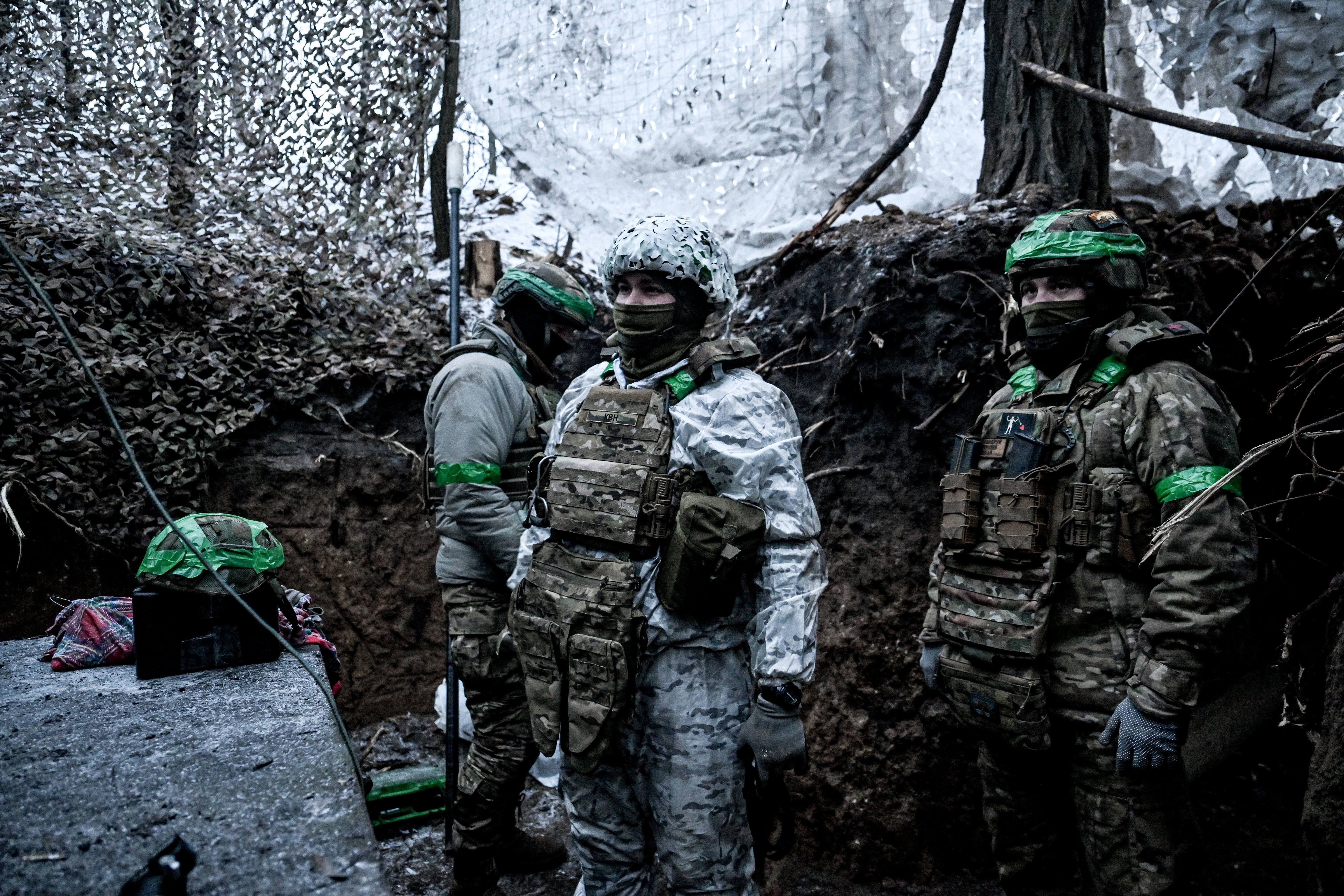
Ukraine may in the future consider deploying its military forces to other regions of the world, Foreign Minister Andrii Sybiha said on February 14 during a panel discussion at the Munich Security Conference.
Speaking at a session focused on security guarantees for Ukraine, Sybiha stated that several partner countries have already confirmed their readiness to station troops in Ukraine after a ceasefire. In response, he said, Kyiv would also be prepared in the future to send its own forces abroad if needed.
We bring you stories from the ground. Your support keeps our team in the field.
“The presence of troops on the ground is an important part of future security guarantees, also due to opportunities for business. If we have a presence on the ground, it is also a deterrent factor, as well as a guarantee for future investors and an element of encouraging them to invest in Ukraine,” Sybiha said.
He noted that Ukraine has received confirmation from several European and non-European capitals regarding their willingness to deploy troops to Ukraine once hostilities cease. According to the minister, such a deployment would take place only after a ceasefire.
“I do not know whether it would be a peacekeeping mandate or peace monitoring groups, because this is still in process. But we need this presence in Ukraine. Also, in the future, Ukraine is ready to deploy its military forces in other geographical regions,” he added.
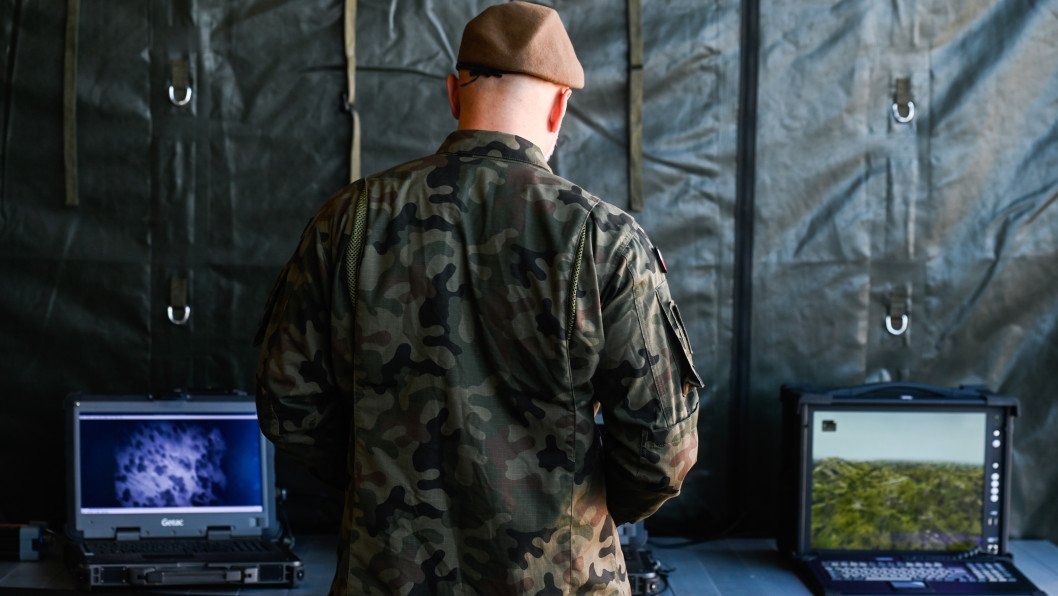
Sybiha linked the potential presence of foreign troops in Ukraine to broader security guarantees and economic stability, describing it as both a deterrent measure and a signal to international investors. At the same time, he indicated that Ukraine sees itself as a future contributor to international security efforts beyond its own territory.
Earlier on January 27, Lieutenant General Gerald Funke warned in an interview with The Times that Germany is preparing for a potential direct conflict between Russia and NATO within the next two to three years.
Funke said Berlin would likely serve as a central logistics hub in such a scenario, highlighting concerns over disrupted supply routes, overwhelmed military hospitals, and legal constraints that could slow mobilization. He emphasized that logistics—not firepower—would determine NATO’s ability to respond effectively in the early phase of a large-scale conflict.
Discuss this article:
-c439b7bd9030ecf9d5a4287dc361ba31.jpg "Photo of Katherina Popilnichenko")