- Category
- Latest news
A Russia–NATO War May Be Closer Than Many Think, German General Says
 Prefer U24 Media on Google
- Authors


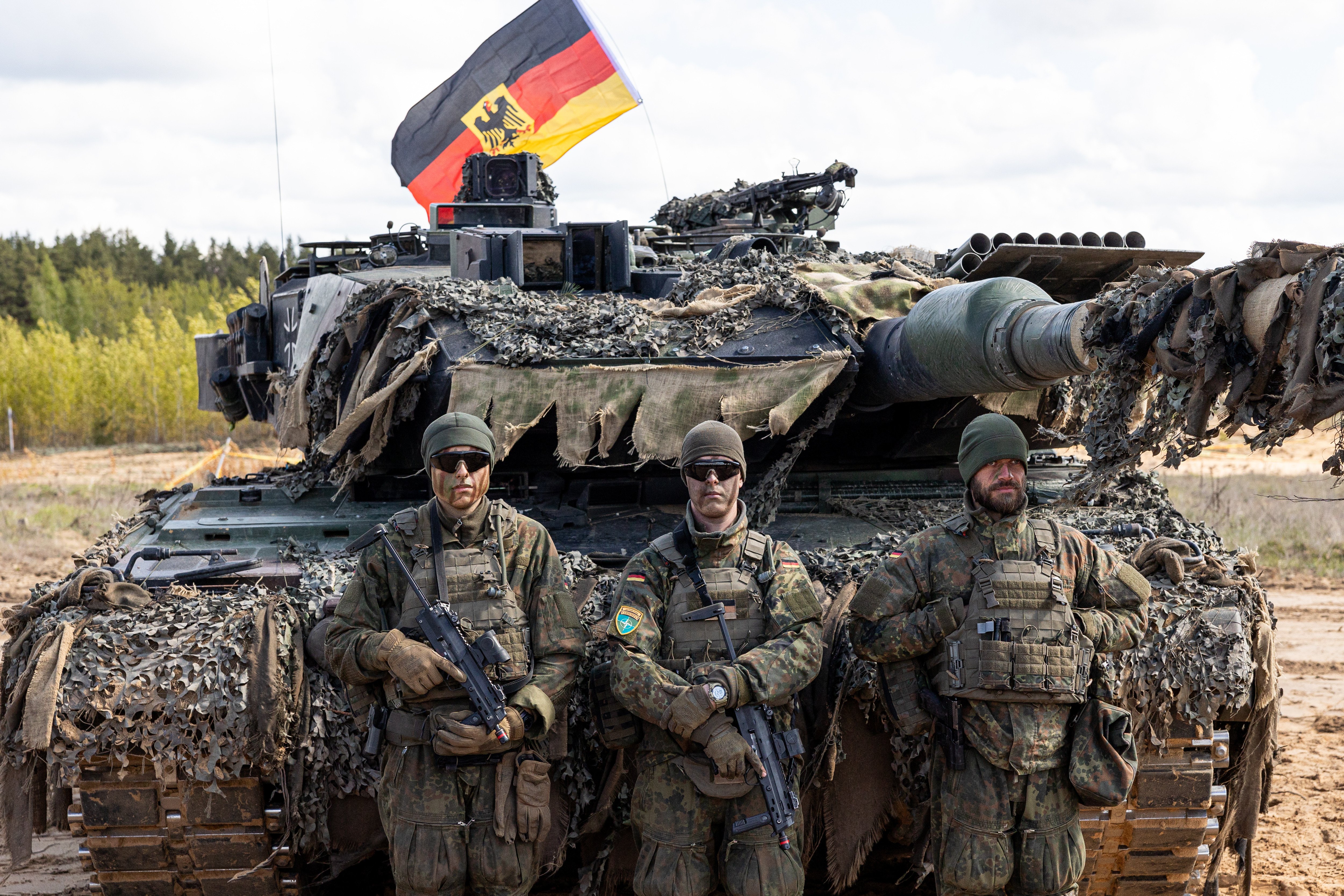
Germany is preparing for the possibility that Russia could launch a direct attack on NATO within the next two to three years, a senior German military commander has warned, saying Berlin would likely be at the center of such a conflict.
Lieutenant General Gerald Funke, head of Germany’s Armed Forces Support Command, outlined the scenario in an interview with The Times published on January 26.
We bring you stories from the ground. Your support keeps our team in the field.
According to Funke, one of the most critical challenges in a worst-case Russia–NATO conflict would be logistics, particularly moving tens of thousands of allied troops eastward while key road and rail routes face disruption from sabotage, cyberattacks, or missile strikes.
“It’s important for us to maintain Germany as a logistics hub and manage the supply lines for as long as possible as smoothly as possible, meaning that if one route fails we will have the option of using others instead,” Funke said.
Funke also warned that mass casualties could quickly overwhelm Germany’s military medical system. The Bundeswehr operates five military hospitals with a combined capacity of around 1,800 beds, which he said would be rapidly exceeded in a large-scale conflict.
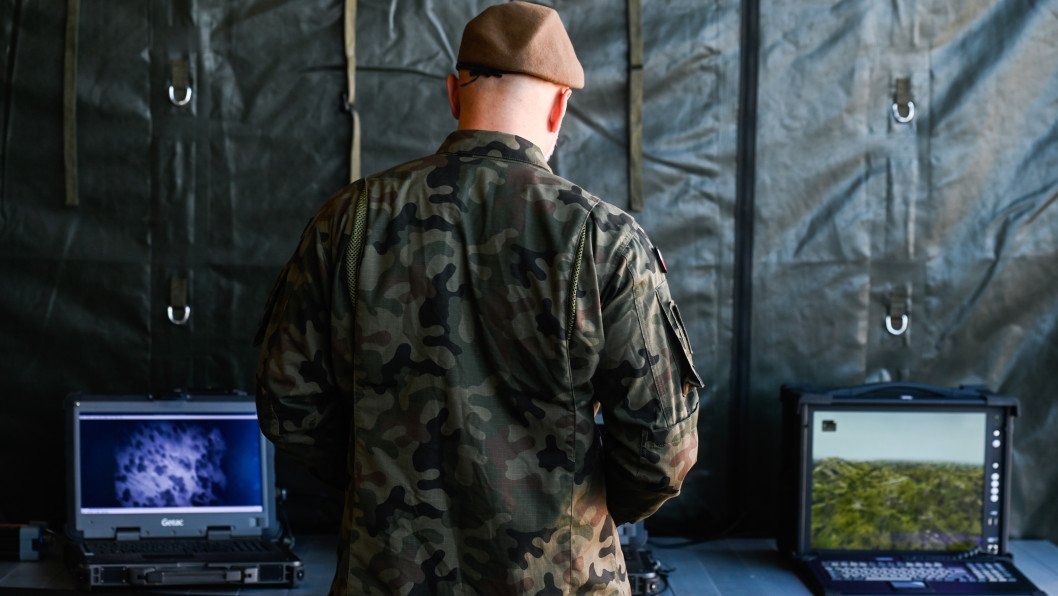
To address this, Germany’s military support command and the federal health ministry have divided the civilian hospital network into four regional clusters that could be reserved for wounded personnel during a crisis.
“Whereas in Afghanistan I had a regrettably high but manageable number of wounded, I now have to plan for the possibility of a thousand injured personnel a day,” Funke said.
“The closer you look at it, the more complex it becomes and the harder it is to imagine.”
Funke’s command—created during a major restructuring of the German Armed Forces last year—is now working on a modern version of Cold War-era emergency logistics systems, including mechanisms to requisition trucks, rail cars, supplies, and personnel at scale.
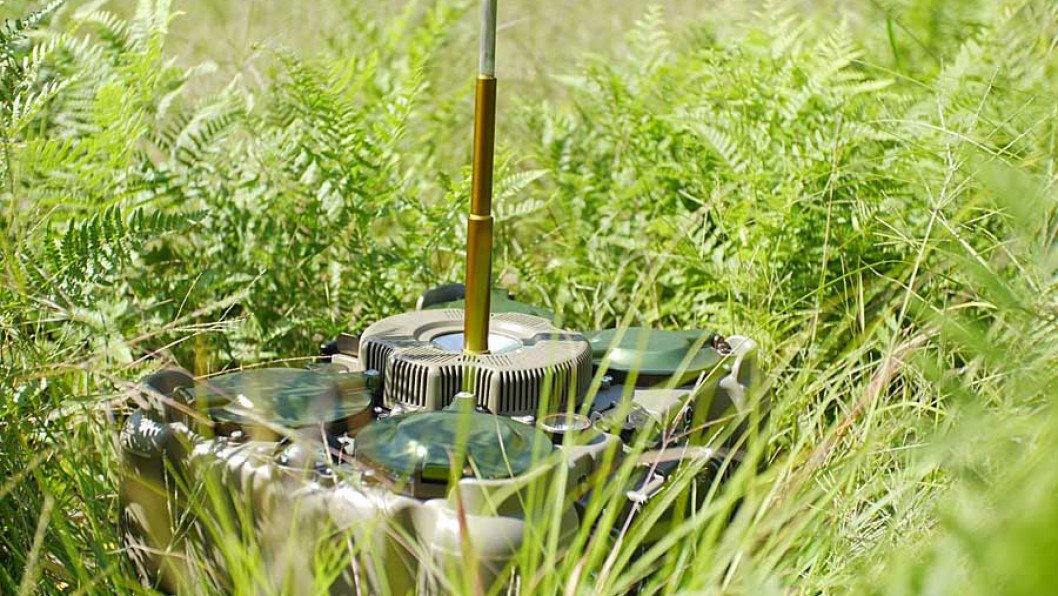
He said Germany has already initiated contingency agreements with Deutsche Bahn, under which trains capable of transporting military equipment must be made available within three days of notification.
Another vulnerability, Funke said, lies in Germany’s legal framework. Certain military measures require a two-thirds parliamentary vote to declare a “state of tension” or “state of national defense,” a threshold he suggested could be difficult to reach quickly in a fragmented legislature.
Analysts cited by The Times warn that this could slow Germany’s transition from peacetime posture in a rapidly unfolding crisis. Funke agreed, saying the strict division between peace and war reflects an outdated 20th-century mindset ill-suited to modern hybrid warfare.
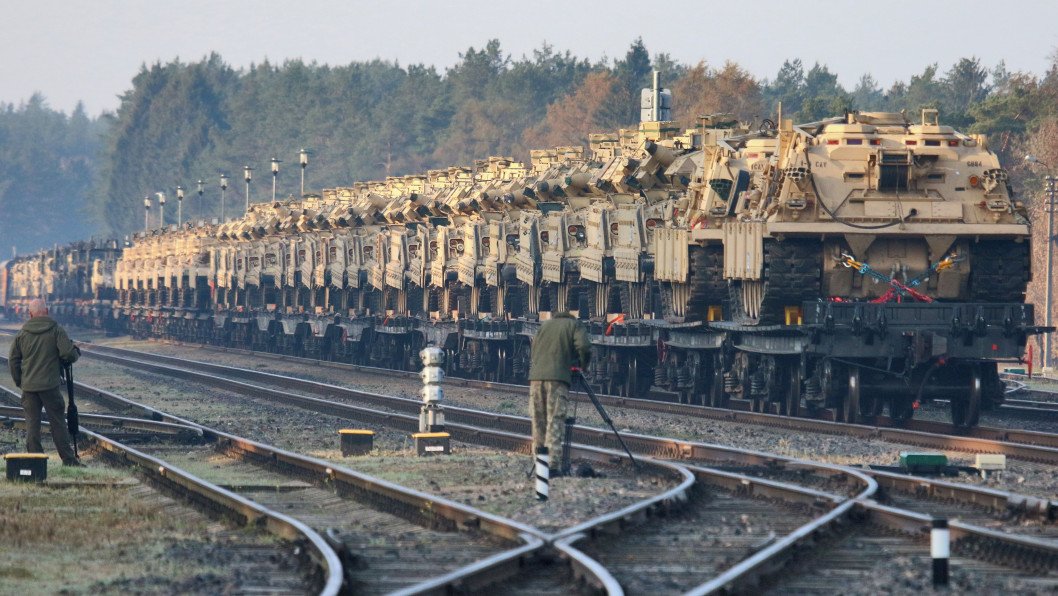
Despite the challenges, Funke said Germany is accelerating preparations and large-scale exercises, arguing that logistics, not firepower, will determine NATO’s ability to respond effectively in the opening phase of any conflict with Russia.
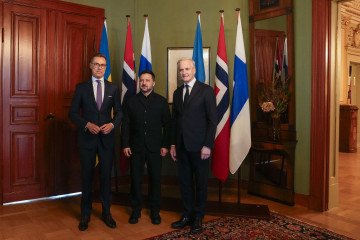
Not only is Germany preparing for a possible conflict. Norway’s Armed Forces were notifying thousands of citizens that their property could be requisitioned in the event of war, a move the military says is part of broader preparations for a potential national security crisis. British Royal Marines recently wrapped up ten days of Arctic warfare drills in Norway’s fjords, testing their ability to launch and sustain amphibious operations under extreme conditions
Romania will soon bring the US-made Merops counter-drone system into operational service for airspace defense, becoming the second NATO member known to have procured the pickup-truck-launched interceptor after Poland.
Earlier, reports emerged that NATO was preparing to establish a largely unmanned, high-tech defense zone along its eastern border with Russia and Belarus as part of a broader effort to bolster deterrence capabilities.
Discuss this article:
-9bd5e1532102621f8fb1c4ba871a3171.png)

-c439b7bd9030ecf9d5a4287dc361ba31.jpg "Photo of Katherina Popilnichenko")