- Category
- Latest news
Cracked Bridges, Red Tape, and War Plans: Why NATO Might Not Be Ready for Russia
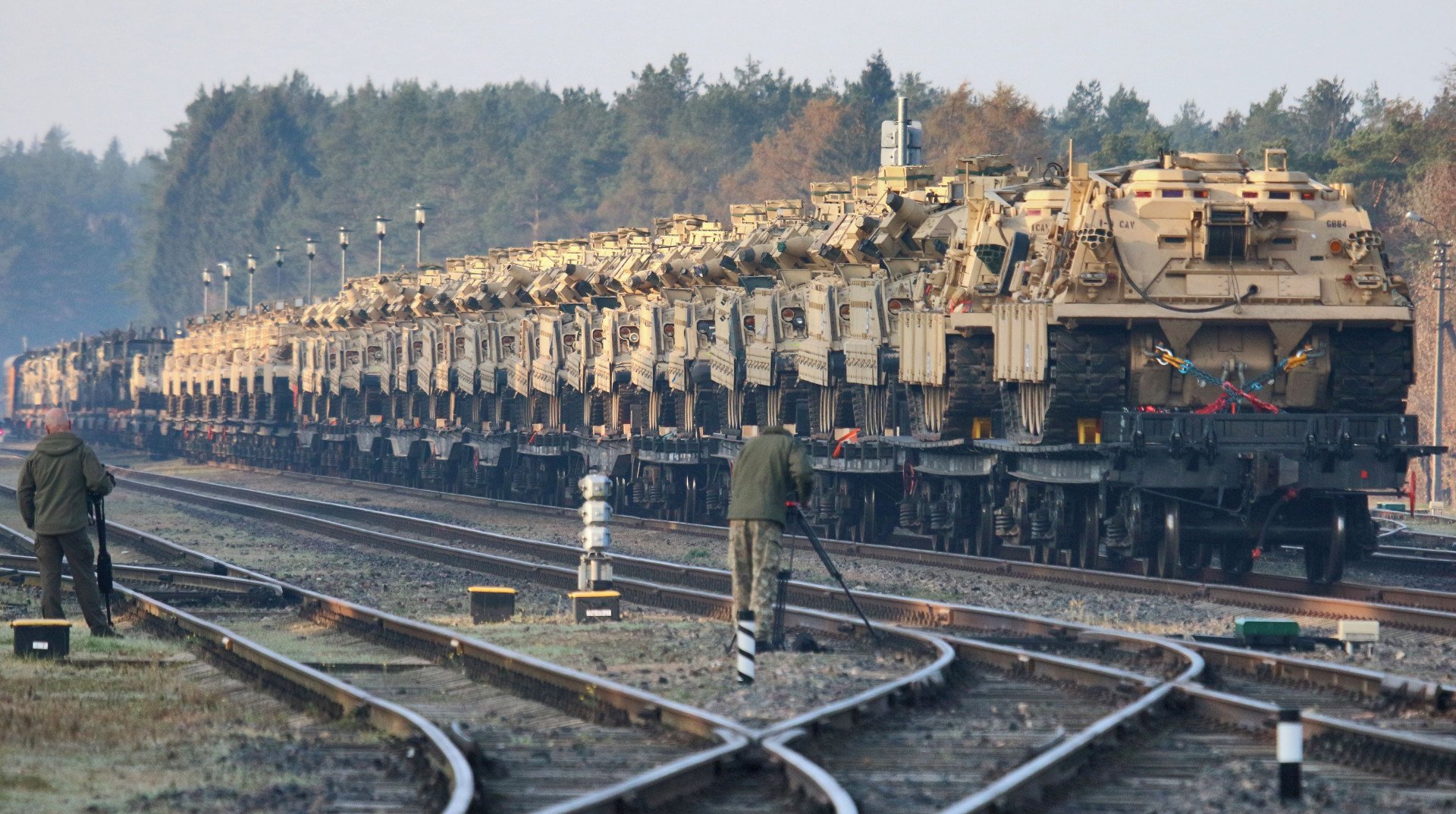
If Russia launched an attack on NATO’s eastern flank tomorrow, it could take up to 45 days for the alliance to move troops and equipment from Western Europe—a dangerous delay that European leaders now hope to fix with a sweeping new “military Schengen” plan to cut transit time to just days.
 Prefer U24 Media on Google
- Authors


If Russia were to attack NATO’s eastern flank today, moving troops, tanks, and ammunition from Western Europe could take as long as 45 days—an unacceptable timeline in the face of a modern, high-speed war, The Financial Times reported on November 18.
Now, European officials are scrambling to fix that vulnerability by creating what some call a “military Schengen,” designed to slash transit time to as little as three days.
Some of the British Army's armoured vehicles start their long journey to #Estonia as part of #Tractable. This @GBRailfreight train is on its way to @LeShuttle in Folkestone for onward movement through @Eurotunnel and beyond #WeAreNATO pic.twitter.com/Nyk7dNjMyz
— British Army 🇬🇧 (@BritishArmy) October 17, 2019
The initiative aims to eliminate bureaucratic and infrastructure hurdles that currently delay large-scale troop movements across the continent. The urgency behind the plan is being driven by growing fears in NATO that Moscow could launch a limited strike against alliance territory with little warning.
“We know what you’re planning—and we’re ready. Look, we are here,” said German Lieutenant General Alexander Sollfrank, who is overseeing Germany’s central role in the effort to the FT.
A logistics nightmare
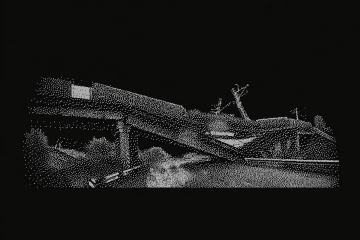
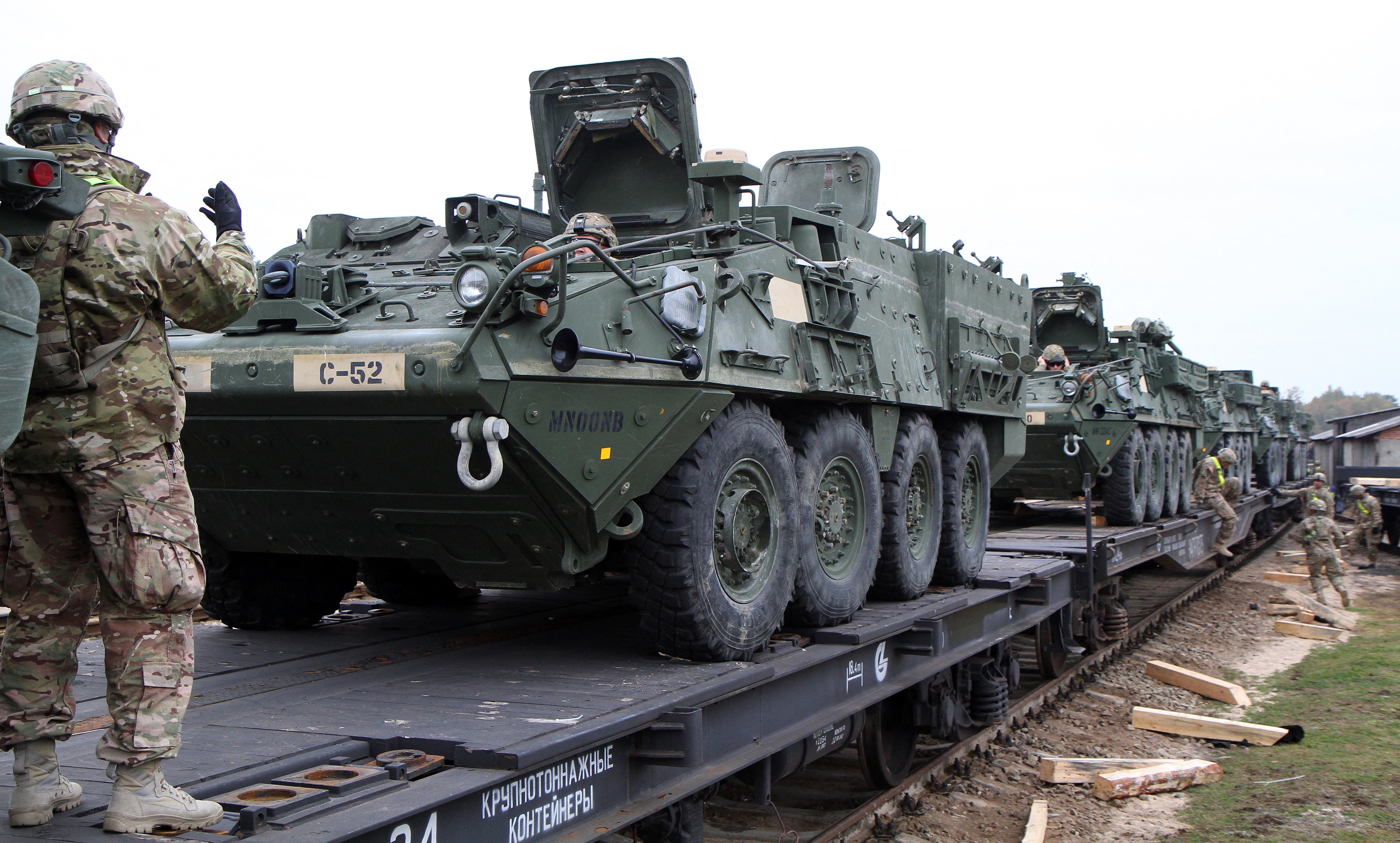
The biggest challenge to moving NATO forces east isn’t just political—it’s logistical. Civilian infrastructure across Europe wasn’t designed to handle the mass transport of military units. Collapsing bridges, outdated rail gauges, narrow tunnels, and customs red tape continue to hamper efforts, the FT notes.
Back in 2022, when France tried to send tanks to Romania, German authorities blocked the shipment, citing roadweight restrictions. The tanks had to be rerouted by sea through the Mediterranean, a journey that took weeks instead of days.

Now, NATO is attempting to overhaul these systems. France, Germany, and the Netherlands have signed cross-border agreements. Germany alone inked a €260 million deal with Rheinmetall to provide roadside support for convoys—everything from tank maintenance to portable barracks.
But the scale of the challenge is immense. Moving a light division—15,000 troops and 7,500 vehicles—could require over 8,000 train cars. According to the FT, the European rail system isn’t ready. In the Baltics, where Russian aggression is considered most likely, the rail gauges still don’t match EU standards, and the Rail Baltica high-speed line remains unfinished.
A train with NATO military equipment was spotted on Polish territory near the Belarusian border pic.twitter.com/6Qm8MtAkhU
— Sprinter Press (@SprinterPress) March 28, 2024
NATO’s clock is ticking
While NATO officials stress that the alliance remains united, speed is of the essence. “Deterrence only works if it’s credible,” said General Sollfrank. “And we are only credible when we have plans—and are ready.”
Former US Army Europe commander Ben Hodges echoed that warning. “How quickly can we determine that [Russia is] about to move? Decision-makers must act fast—authorize mobilization, get ammunition out of depots. The clock is ticking, and something has to be done before the Russians attack.”
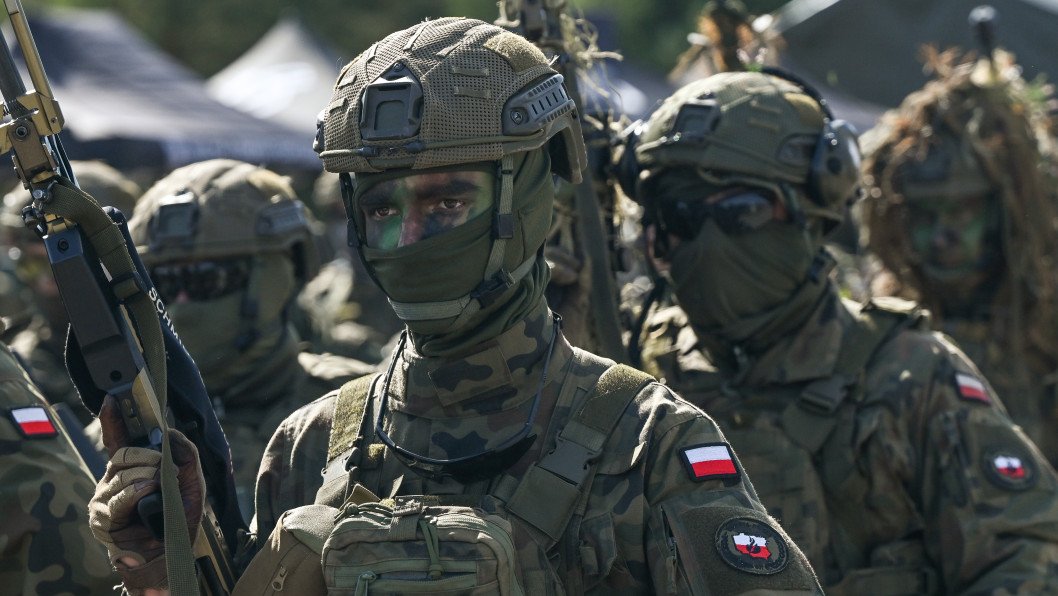
Yet, until a war is formally declared, military convoys must still follow civilian laws—customs declarations, driver hour limits, and paper documentation still apply, the FT concluded.
“If this becomes a real war, the bureaucracy disappears,” said Jannik Hartmann, of NATO’s Defense College. “But by then, it might be too late.”
Earlier, eight European countries signed a new defense agreement to speed up the movement of troops and military equipment across the continent—a step seen as crucial for strengthening NATO’s eastern flank amid Russia’s war in Ukraine.
Discuss this article: