- Category
- Latest news
Europe Builds New Military Corridor Linking Eight Nations to Speed NATO Reinforcements
 Prefer U24 Media on Google
- Authors


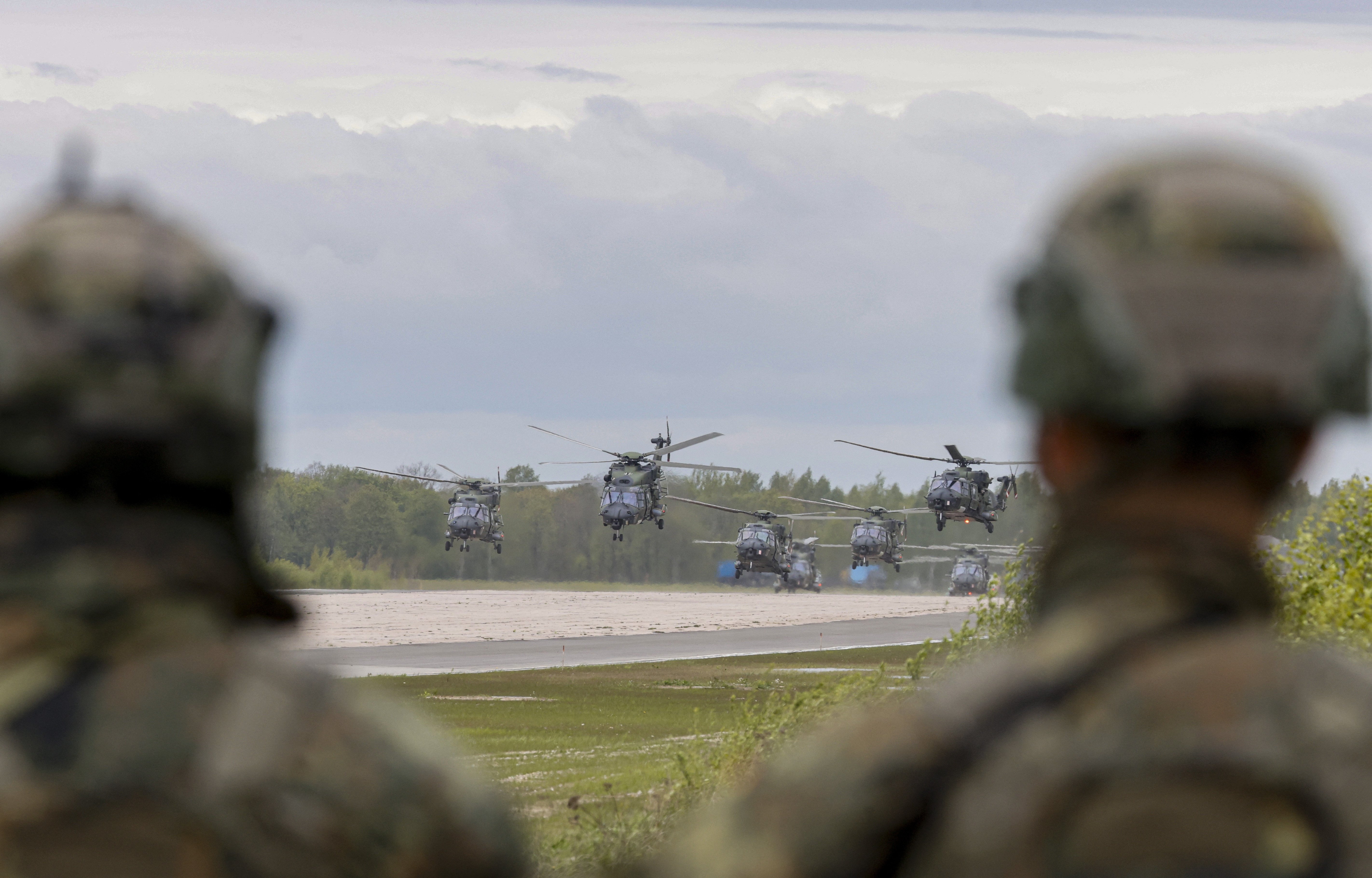
Eight European countries have signed a new defense agreement to speed up the movement of troops and military equipment across the continent—a step seen as crucial for strengthening NATO’s eastern flank amid Russia’s war in Ukraine, Lithuania’s Defense Ministry announced on November 13.
The Protocol of Intent on Military Mobility was signed by Lithuania, Belgium, the Czechia, Germany, Luxembourg, the Netherlands, Poland, and Slovakia, marking the creation of what will be known as the Central-Northern European Military Mobility Area (CNE MMA).
The initiative aims to standardize border-crossing rules, coordinate transportation networks, and synchronize infrastructure development to ensure rapid and unhindered troop movement in times of crisis. It also focuses on better information sharing and joint logistics management across member states.
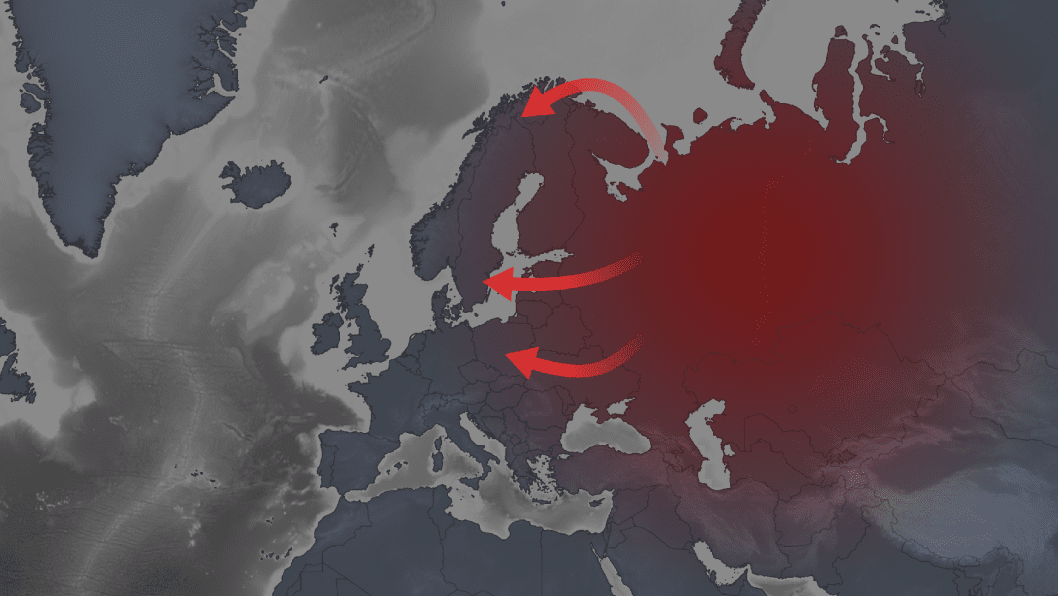
The network builds upon an existing Netherlands–Germany–Poland corridor, expanding west through Belgium and Luxembourg and east through Lithuania, the Czechia, and Slovakia, creating a unified zone stretching from the North Sea to the Baltic region.
“Seamless military mobility is a national priority for Lithuania. It enables allied forces to move quickly, safely, and without disruption,” said Lithuanian Defense Minister Robertas Kaunas, emphasizing that the effort strengthens both deterrence and defense on NATO’s eastern flank.
According to Lithuania’s Defense Ministry, the new framework will rely on a combination of national and EU development funds to improve military infrastructure, such as highways, railways, and bridges capable of carrying heavy vehicles and combat systems.
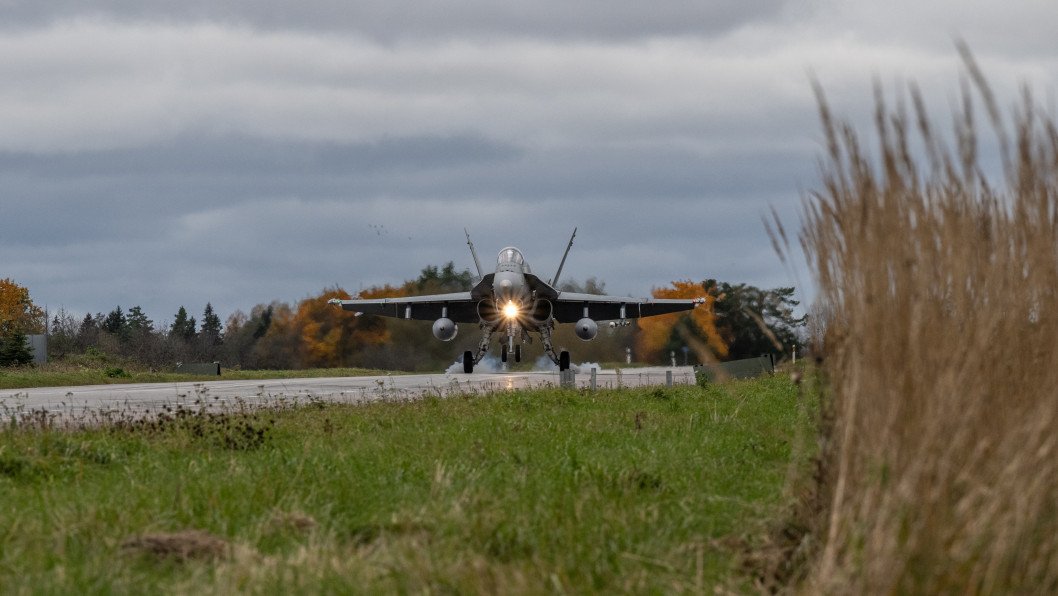
Lithuania has already begun upgrading the Via Baltica highway for dual civilian-military use and plans a Lazdijai–Alytus–Vilnius corridor to improve access to the Suwalki Gap—the strategic 65-kilometer stretch linking Poland and the Baltic states.
The project aims to ensure that NATO reinforcements can reach the Baltics quickly in the event of aggression, a concern that has intensified following Russia’s full-scale invasion of Ukraine in 2022.
Lithuania, together with Latvia and Estonia, also plans to establish a Tri-Baltic Military Mobility Zone, extending the Central-Northern European network northward and creating a continuous corridor for troop and equipment movement from Western Europe to the Baltic Sea region.
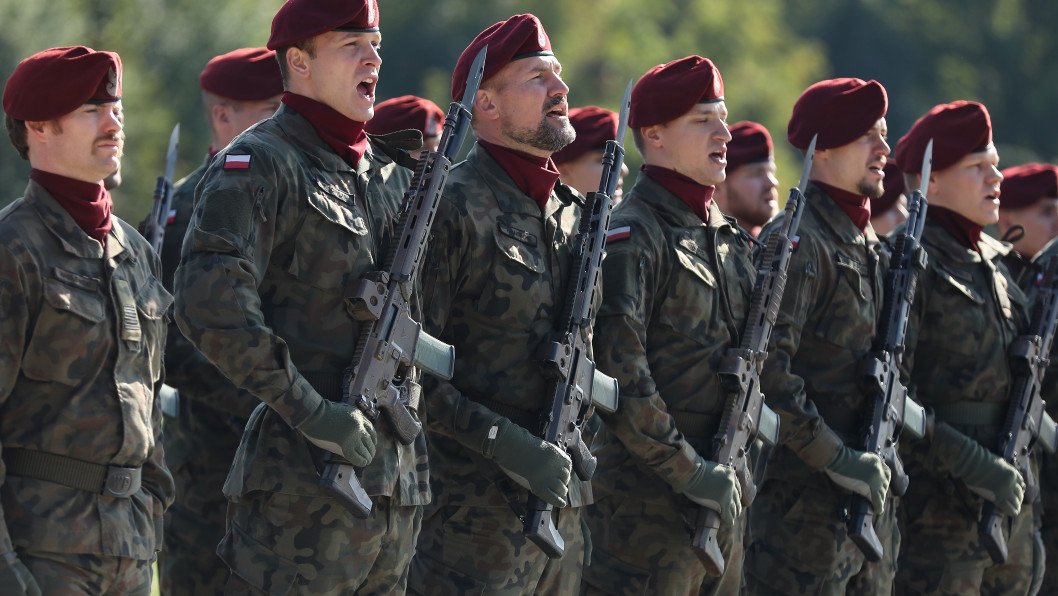
“Our strategic goal is to strengthen the infrastructural backbone of NATO’s eastern flank through close cooperation with our neighbors, Poland and Latvia,” Kaunas said. “This guarantees faster and coordinated allied response and reinforces regional security.”
Earlier, Ukrainian President Volodymyr Zelenskyy warned that Russia is not seeking to end the war in Ukraine, but instead preparing for a far larger confrontation across Europe within the next few years.
Discuss this article:



-72b63a4e0c8c475ad81fe3eed3f63729.jpeg "Photo of Cyril Barabaltchouk")
-9cfe2bcfa487b9f4303387da905e45b0.jpeg "Alexey Korolev, a Russian ex-convict accused of killing six fellow servicemen, including a former FSB specialist, near Kupiansk in October 2025. (Source: The Insider)")