- Category
- World
Iron Defender-25: Is NATO Finally Ready to Shield Its Eastern Flank?
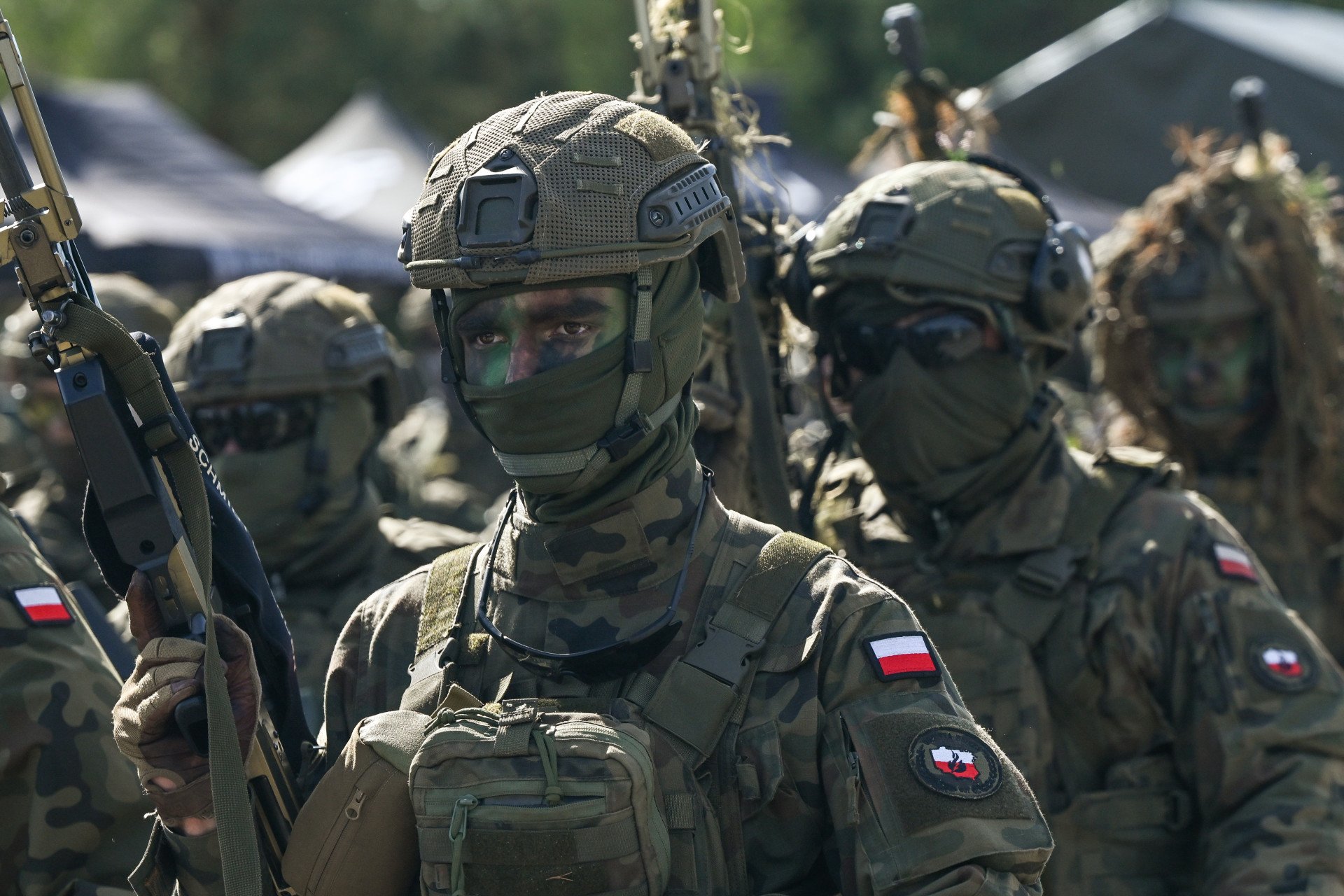
Poland launched Iron Defender-25 on September 2, its largest NATO-led military exercise of the year, involving over 30,000 troops, as Russia and Belarus conducted their routine Zapad 2025 military drill. Is NATO finally taking Russia’s constant threat to the alliance seriously?
 Prefer U24 Media on Google
- Authors


“One Goal, many Forces, shared readiness”—this is how Poland’s Defense Ministry described the Iron Defender-25 military drill that started on Sept. 2 and lasted until the end of the month.
The NATO-led exercise reportedly involves approximately 30,000 troops on the ground and more than 600 pieces of heavy equipment, marking a historically massive wargame.
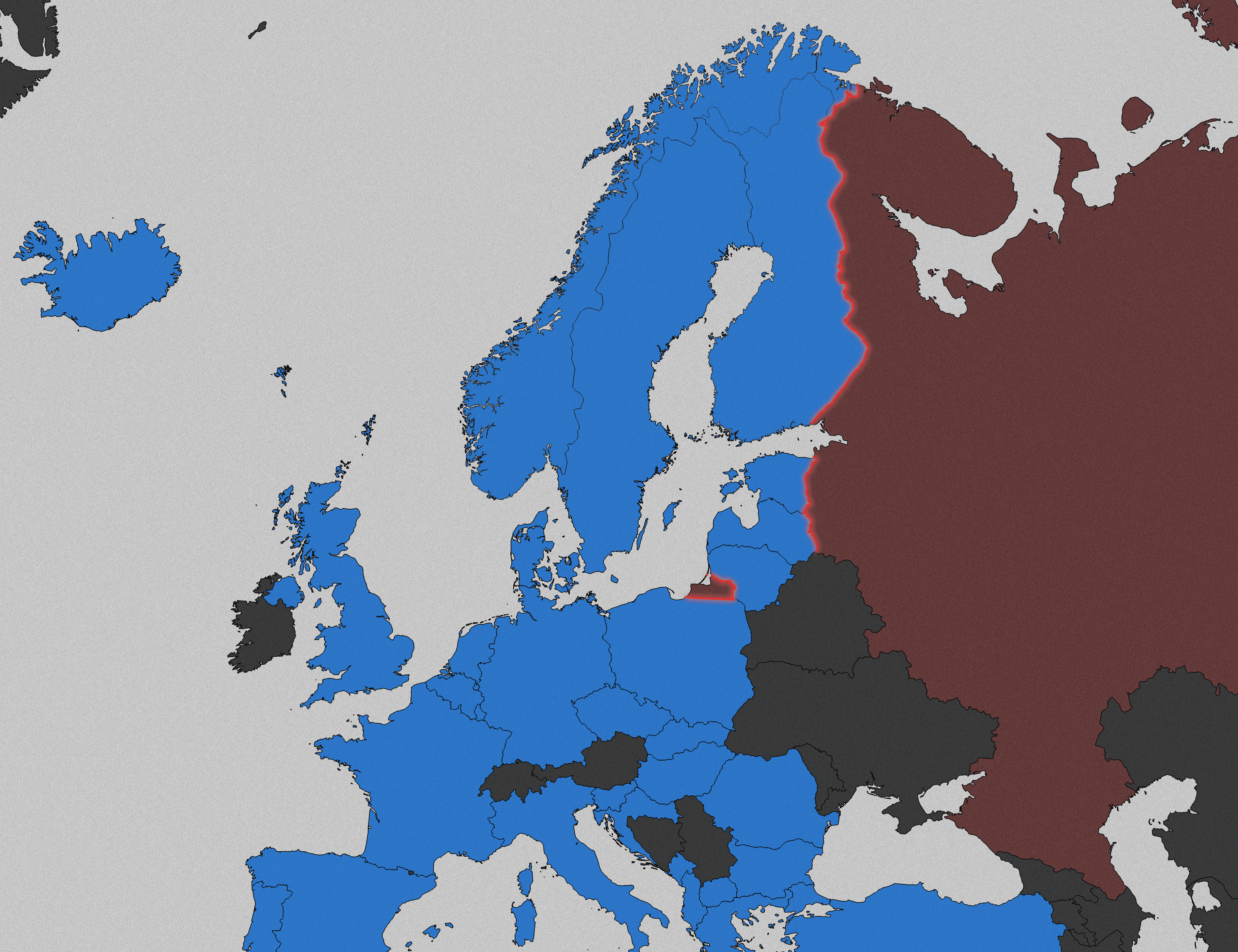
Meanwhile, tensions are escalating at the border between Poland and Belarus, where Russia conducted its own Zapad 2025 military drill from September 12 to September 16.
The official statement says that the exercise is “not directed against any state” and its purpose is to “demonstrate unity, professionalism, and the consistent enhancement of NATO allies’ combat capabilities.”
However, Poland also deployed about 40,000 of its soldiers near the eastern border with Belarus, a border it closed on September 11 until further notice following last week's Russian drone incursion into Polish airspace.
"Poland has been preparing for the Zapad 2025 maneuvers for many months,” Polish Deputy Defense Minister Cezary Tomczyk said.
“The Polish Army has conducted exercises in which over 30,000 Polish soldiers, as well as soldiers of the NATO alliance, took part to adequately respond. Let's remember that Zapad 2025 is an offensive exercise.”
Poland’s Iron Defender-25 military drill
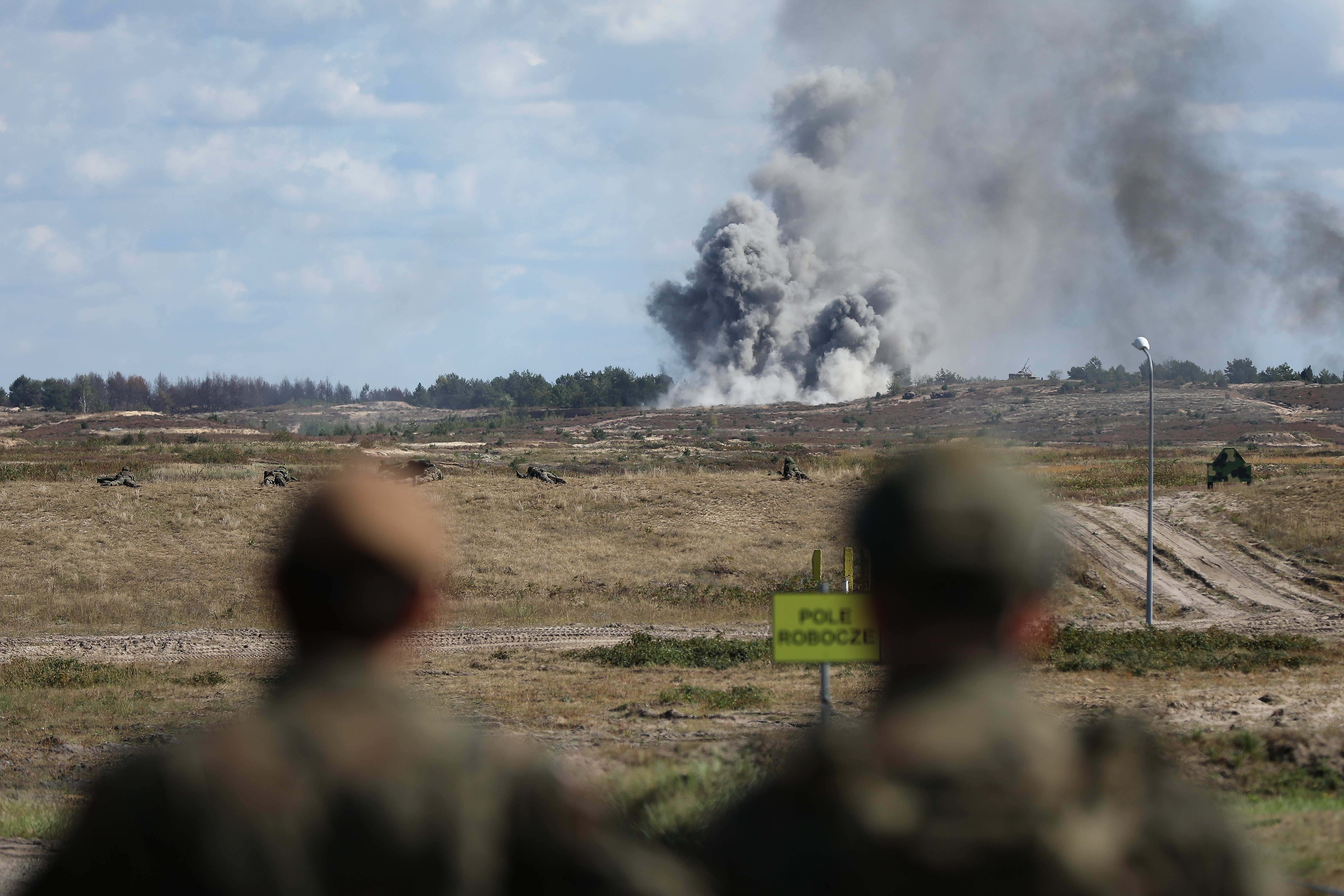
The military drill consists of 30 exercises run by the Polish Armed Forces, designed as a multi-domain, defense-oriented drill on land, at sea, in the air, and in cyberspace.
Its components include the Air Force, Navy, Territorial Defense Forces, Special Forces, and some NATO battlegroups stationed in Poland.
Poland’s Defense Ministry framed it as “interoperability training and combat effectiveness,” rather than fighting against a specific enemy state.
According to Gen. Rafał Miernik from the Polish Army General Staff, the exercises won’t affect the daily tasks performed by Polish Army soldiers—whether on the Polish-Belarusian border or in protecting airspace and the Baltic Sea, the military top brass told Polish magazine Wszystko Co Najwazniejsze (All That Matters Most).
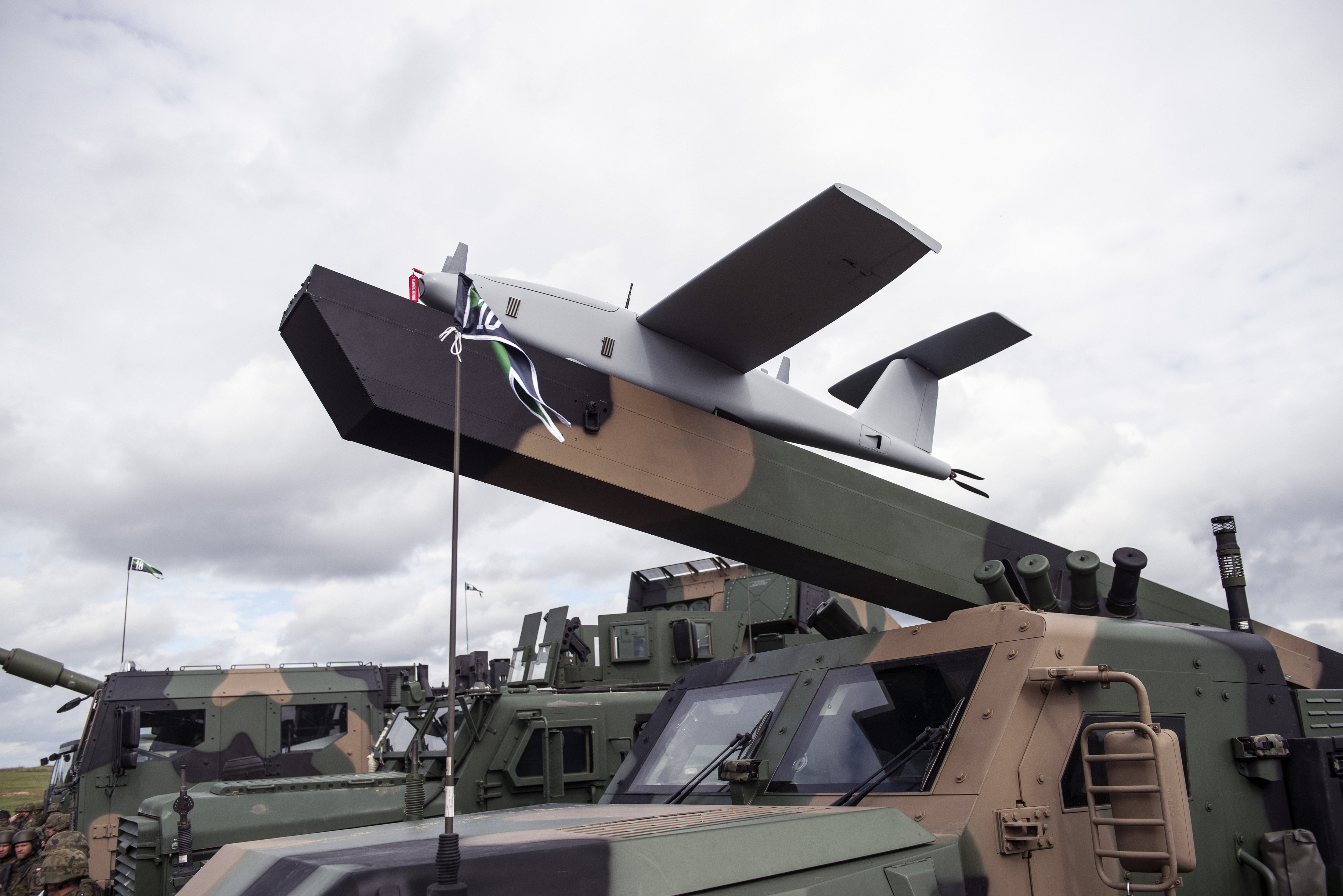
The drills reportedly include new equipment, including US-made Abrams tanks, K9 self-propelled howitzers, Gladius (Polish-designed, integrated reconnaissance and strike UAV platform launchers), Homar-K (South Korean K239 Chunmoo MLRS ), and Homar-A (HIMARS) missile launchers.
Miernik said that the equipment would be “tested in conditions as close to real combat as possible,” and the exercise had been prepared “to closely resemble a real-world situation.”
“We have incorporated lessons and experiences from the ongoing war in Ukraine into the development of the exercise scenarios, and this is an important aspect of the exercise at the tactical level," Miernik told Wszystko Co Najwazniejsze.
Meanwhile, the exercise includes the first combat firing of Patriot air defense systems at the coastal training ground in Ustka on September 16, only a couple of days after Russia reportedly moved Iskander-M missile systems into position in the Kaliningrad region during the ongoing Zapad-2025 exercises.
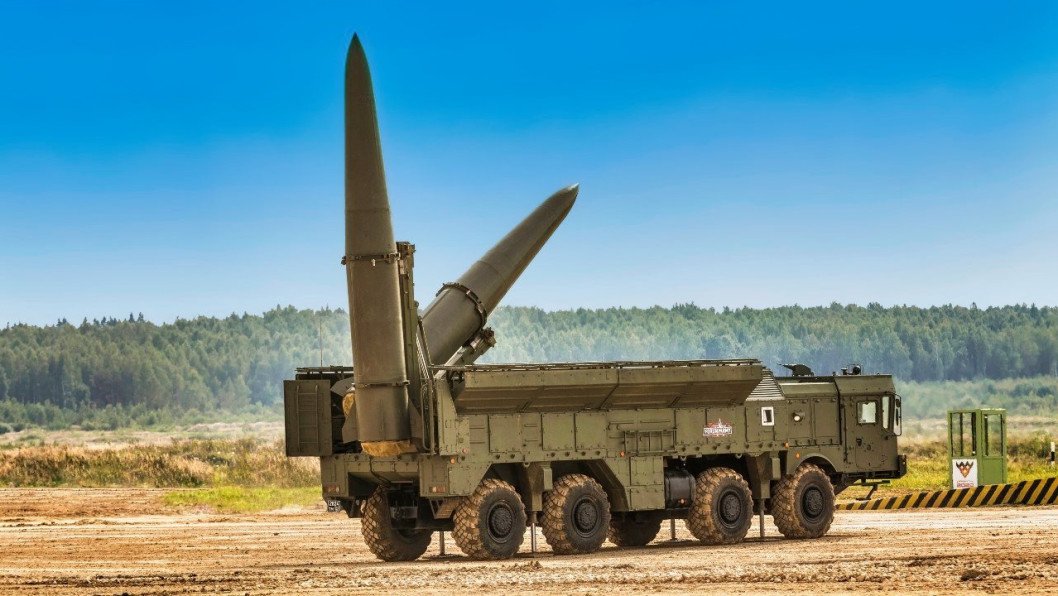
The Russian exclave of Kaliningrad is located roughly 300 kilometers from Poland’s Ustka.
The Ukrainian OSINT group “CyberBoroshno” geolocated the deployment and confirmed the systems were directed westward, toward Poland. Iskander missiles have a range of 500 kilometers.
Nearly all of Poland, including Warsaw, falls within range, as do parts of Germany, Denmark’s Bornholm island, and southern Sweden.
NATO’s Iron-Defender vs Russia’s Zapad?
On the other side of the border, Russia and Belarus finished their own Zapad 2025 military drill on Sept. 16, held every four years. The exercise's stated purpose is to practice defensive actions in the event of an escalation and an attack on Russia’s ally, Belarus.
While Belarus' leader Alexander Lukashenko said these exercises weren’t posing any threats to its neighbors, Russia and Belarus announced the rehearsal of a launch of its “Oreshnik” intermediate-range hypersonic missile, a weapon reportedly able to travel over 5,000 kilometers and carry a nuclear warhead.
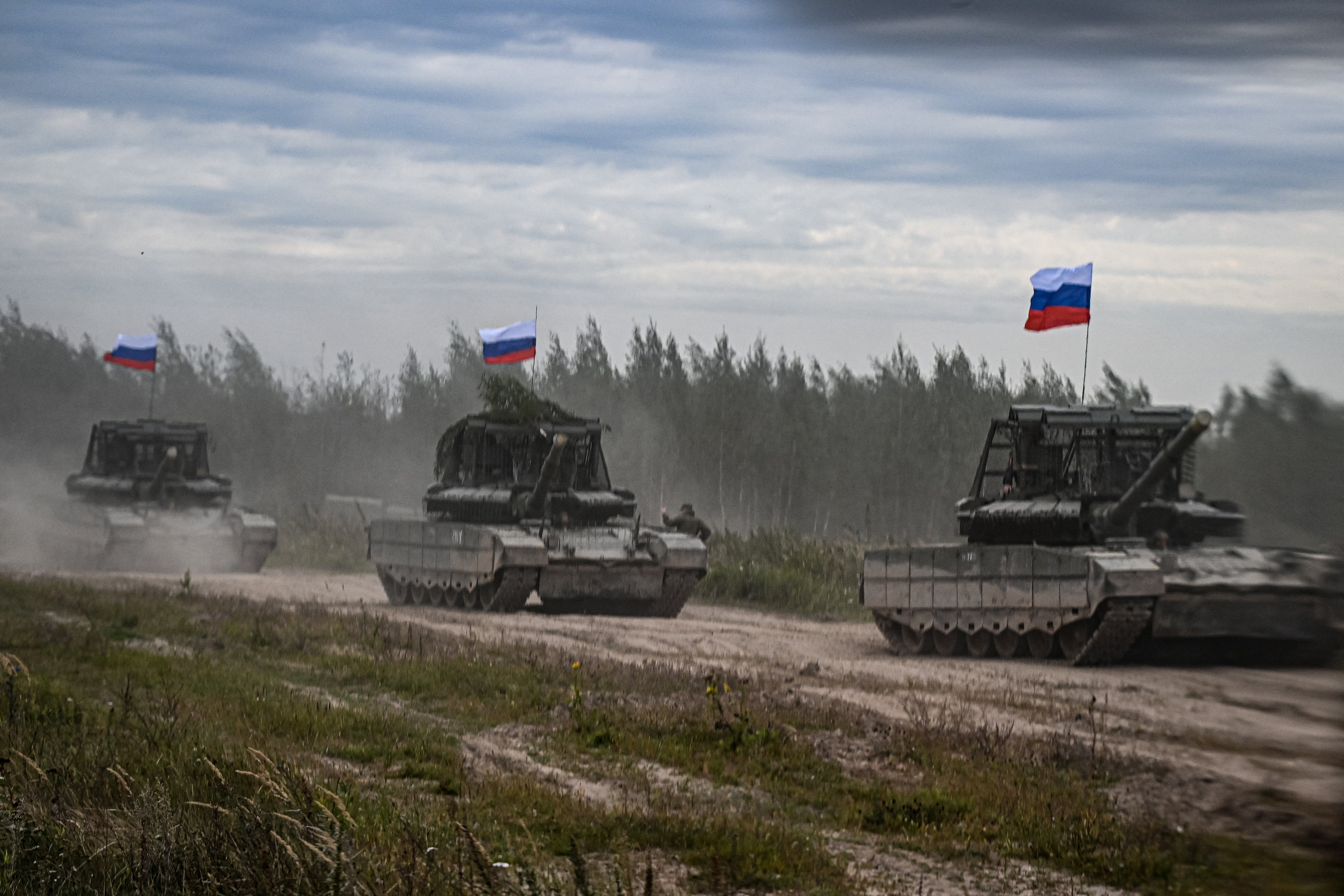
Around 13,000 troops reportedly participated, but the real number is usually much higher.
The exercise rattled Russia’s immediate neighbors, including NATO’s eastern flank countries.
Some of the Russian forces assigned to these drills previously took part in Russia’s full-scale invasion of Ukraine in 2022, after troops deployed in the exercise stayed put for the biggest invasion of a European sovereign country since World War II.
However, the Russian military reportedly started leaving their training ground as of Sept. 17, Andriy Demchenko, a spokesman of the State Border Guard Service, told Ukrainian media outlet RBK-Ukraine.
"I cannot say now that they have already completely left Belarus, but I hope that they will move in the correct direction," Demchenko said.
Due to their proximity to the alliance's members, Western allies were taking a close look at the operations staged by Russia during the exercise.
During the drill, Russian Tu-160 strategic bombers had rehearsed launching cruise missiles over the Barents Sea north of the Nordic countries, during a four-hour flight, escorted by MiG-31 fighter jets, Russia's Defence Ministry said on September 16, according to Reuters.
Marines belonging to Russia's Northern Fleet practised repelling an amphibious landing by an unnamed force on a peninsula in Russia's Murmansk region, the ministry claimed.
Russia's Baltic Fleet also test-fired cruise missiles, while in Russia's Kaliningrad, troops practised using a radio reconnaissance complex to detect the location of imaginary enemies and pass their coordinates on to drone and artillery units.
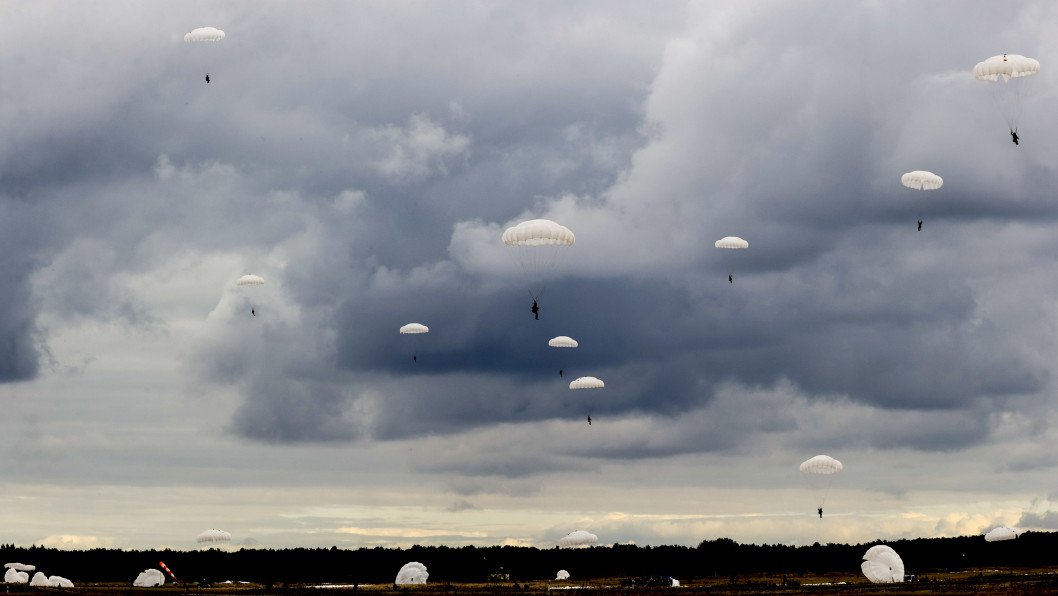
New NATO doctrine: Bigger military drills, drones come into play
The Iron Defender-25 military drill, even though publicized as one of Poland’s largest 2025 training undertakings, isn’t the biggest NATO exercise so far.
If Iron Defender-25 hits the higher end in the number of troops on the ground, it’s similar in scale to Cold Response 22, with 30,000 troops deployed in Norway in 2022, and Anakonda 2016, involving 31,000 troops on the Polish territory.
Yet, these drills are far below Steadfast Defender 2024, the largest alliance exercise since the Cold War, with 90,000 troops deployed in multiple exercises across Europe.
NATO’s exercises have tended to involve between 30,000 and 40,000 troops over the past years, but the main difference over the past two years is the introduction of UAVs.
In 2024, Steadfast Defenders involved quadcopters tested by NATO forces among Battle Group reconnaissance units, using them for reconnaissance missions.
This year’s Iron Defender includes the Gladius aerial drone system, equipped with an advanced sensor system that integrates national communications and a fire control system. It also supports complex data analysis through artificial intelligence.
The system combines different unmanned aerial vehicles (UAVs) and loitering munitions with mobile command, control, and logistic vehicles. It reportedly provides the Polish army with a long-range precision strike and reconnaissance capability, capable of engaging targets up to 100 km away.
“These exercises are certainly useful for improving coordination between different branches of the military, but on the battlefields of the Russian-Ukrainian war today, drones play a decisive role,” Ukrainian military analyst Denys Popovych told UNITED24 Media.
The integration of a drone system is a testament to lessons learned in Russia’s war against Ukraine, where drones have become front and center of the battlefield, leading to a technological drone arms race now involving artificial intelligence and ground drones to lead assaults.
Drones now account for 80% of casualties in the war, according to defence industry outlet ArmyTechnology.
Is NATO waking up to Russia’s threats?
Such systems could prove especially useful as Russia keeps escalating its threats on NATO’s eastern flank.
Overnight on Sept. 9-10, days before the Zapad exercise, Russia launched 19 drones into Poland, de facto violating NATO’s airspace, with some penetrating 250 kilometers in the country and some of them heading toward a key NATO logistics hub for Ukraine, according to a reconstruction of the events by WELT.
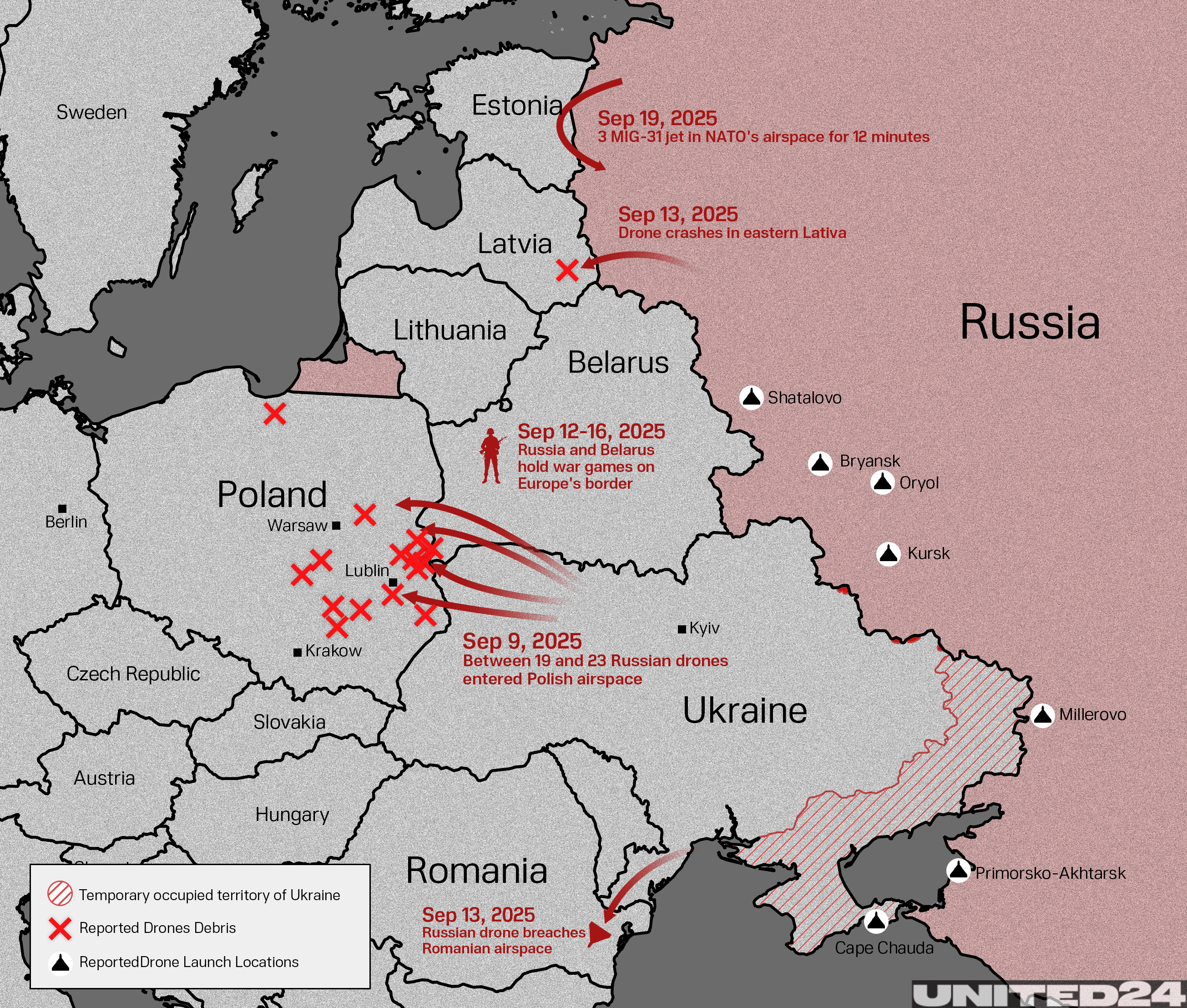
Poland’s Foreign Minister Radosław Sikorski said the incursion was an attempt by the Kremlin to test the alliance’s reactions without prompting a full-scale response.
“Interestingly, they were all duds, which suggests to me that Russia tried to test us without starting a war,” Sikorski told the Guardian on September 15.
He rejected the suggestion by US President Donald Trump that “it could have been a mistake” as too many drones were involved.
Poland invoked Article 4 of the NATO treaty, which says that NATO partners will consult together when, in the opinion of a member country, the territorial integrity of the alliance is threatened. But so far, NATO’s response has been limited to condemnation.
“Unfortunately, the situation in Polish airspace on the night of September 10—when Russians sent 19 Geran drones (according to official data) into that country’s airspace—showed that NATO is not prepared for this kind of war,” Popovych said.
Forces from four NATO countries were effectively deployed to that attack, yet only 4 of the 19 drones were shot down using F-16s and F-35s, with very expensive air-to-air missiles, the military analyst said.
These drones carried no warheads. Now imagine a launch of 500–700 fully armed combat drones against Poland. What would happen to its defense then? This is the kind of swarm Ukraine often faces during Russia’s massive bombardments.
Denys Popovych
Military analyst
Meanwhile, Estonia has begun unplanned Defense Forces exercises to strengthen its response capabilities against airspace intrusions.
The drills came in response to recent incidents of Russian drones breaching Polish airspace, Estonia’s Defense Forces said, as reported by ERR on September 19.
“Dozens of drones that recently violated Poland’s airspace once again demonstrate the impact of Russia’s military actions on neighboring countries,” said Defense Forces Commander Lieutenant General Andrus Merilo.
The drills include mobile radar deployments, partial flight restrictions in the country’s east, and heightened readiness of air defense units positioned outside military bases.
The same day, Russia violated Estonia’s airspace, with three MIG-31 jet fighters entering a de facto NATO airspace without permission and remaining there for a total of 12 minutes.
Estonia’s Foreign Ministry summoned Russia’s chargé d’affaires and condemned the violation.
“Russia has already violated Estonia’s airspace four times this year, which in itself is unacceptable. But today’s incursion, involving three fighter aircraft entering our airspace, is unprecedentedly brazen,” said Foreign Minister Tsahkna.
“Russia’s increasingly extensive testing of boundaries and growing aggressiveness must be met with a swift increase in political and economic pressure.”
-81ce8607f1a2bc9ad2d20edf5c99e19b.jpg)
Weak NATO response
NATO announced it would deploy more jets to protect against future drone attacks, and Polish and allied aircraft were again deployed due to a renewed threat of drone strikes in western Ukraine recently.
Poland’s Prime Minister, Donald Tusk, also said the incursion had brought his country closer to military conflict than at “any time since the Second World War.”
Meanwhile, Russia keeps on beefing up its ground forces.
As of 2025, Russia's Armed Forces have an estimated 1.32 million active military personnel, 2 million reserve service members, and 250,000 paramilitary forces, bringing the total to roughly 4 million people.
For comparison, in 2024, Poland’s head of the country’s National Security Bureau (BBN) said the country should aim to build a 300,000-strong army with a focus on strengthening its reserves, but this figure would “not be easy to reach in the coming years.”
In May, NATO member Finland warned that Russia was ramping up troop deployments along its border, with new bases and tents appearing on the other side of the Russian border.
Maj. Gen Sami Nurmi, the head of strategy of the Finnish defence forces, said it was their job, as part of the NATO alliance, to “prepare for the worst.”
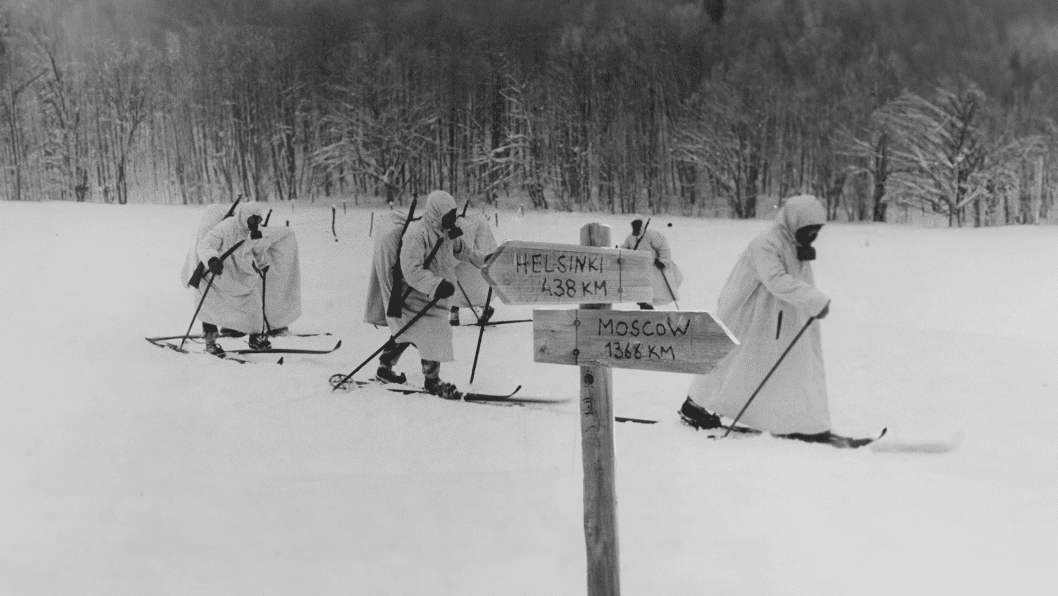
And while the Russian army is still bogged down in Ukraine, it reportedly deployed 700,000 soldiers, including National Guard soldiers, special forces, and support units, said Ukrainian military intelligence (HUR) spokesperson Andrii Yusov.
If Ukraine’s army is reportedly 900,000 strong and Russia reportedly suffered over 1 million losses, including the wounded, the Kremlin has been able to replace its manpower with fresh troops.
Russia is reportedly concentrating up to 100,000 soldiers near Pokrovsk, the hottest spot on the front, President Volodymyr Zelensky said on August 29.
With only 30,000 soldiers, Poland’s latest Iron Defender deployed a third of these troops, but experts say a combat-ready alliance needs to integrate drones too, since, in the very words of NATO Secretary General Mark Rutte, Russia could be ready to attack NATO within five years.
These exercises reflect preparation for the kind of war that might have been expected before 2022,” Popovych insisted. “But to be ready for modern war, NATO must quickly adopt Ukraine’s experience. There is no alternative.
Denys Popovych
Military analyst
Discuss this article:
-c439b7bd9030ecf9d5a4287dc361ba31.jpg "Photo of Katherina Popilnichenko")