- Category
- World
Ukraine’s Interceptor Drones Could Shield the Middle East From Iranian Shaheds at a Fraction of the Cost
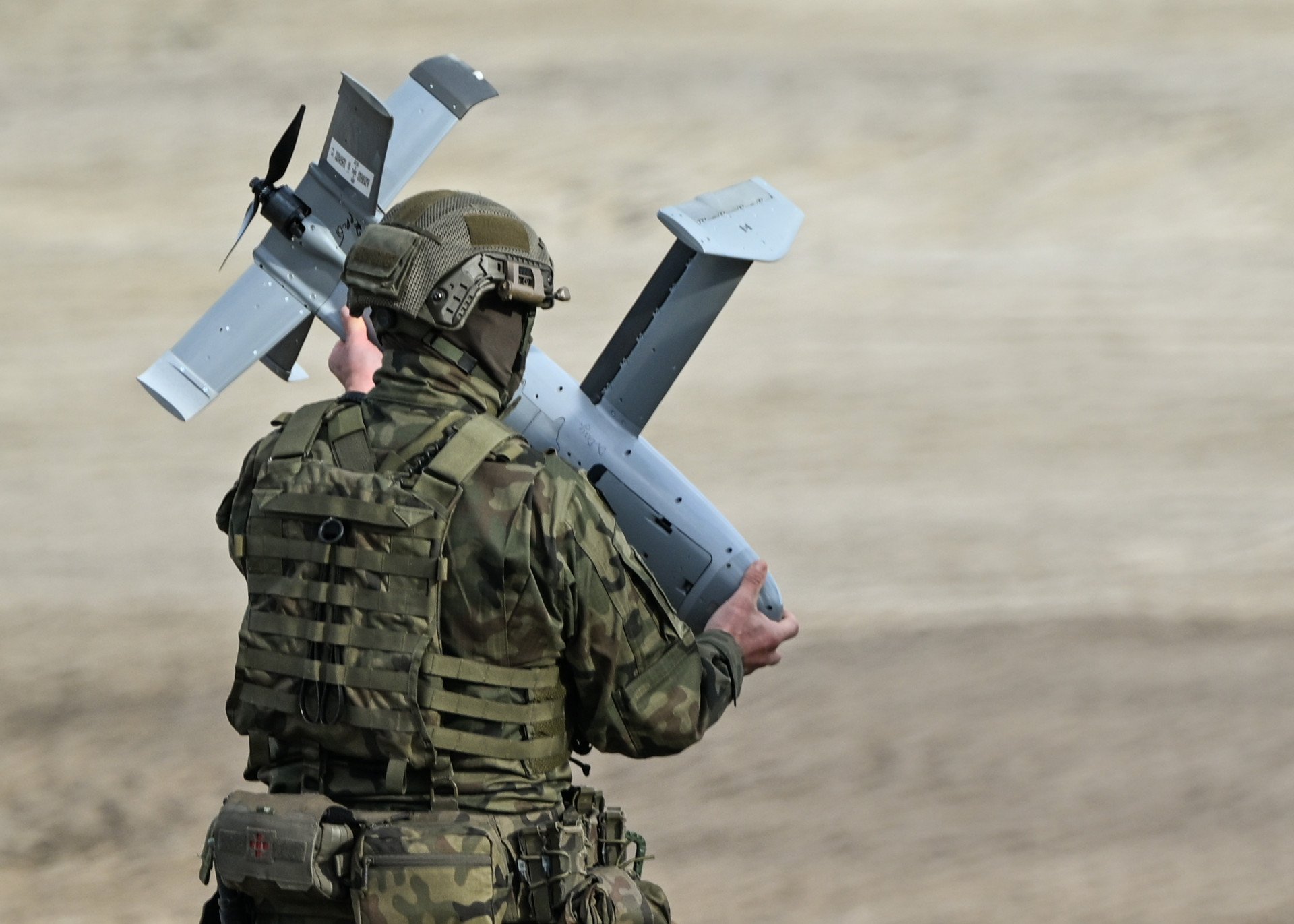
Arab countries are paying a steep price for Iran’s attacks—literally. The missiles used to shoot down low-cost Shahed drones cost hundreds of thousands, and sometimes even millions, of dollars. Ukrainian drone operators and interceptor drones can do the same job more cheaply and efficiently.
 Prefer U24 Media on Google
- Authors

-29a1a43aba23f9bb779a1ac8b98d2121.jpeg "Photo of Illia Kabachynskyi")
Iran has launched about 500 ballistic missiles and several thousand drones at targets across the Middle East, according to publicly available data cited in the press. Considering that intercepting a single ballistic missile requires two PAC-3 missiles for the Patriot system—each costing more than $10 million—the total price tag is staggering: roughly $10 billion spent just to repel ballistic missile attacks. However, this is the price of security.
We bring you stories from the ground. Your support keeps our team in the field.
But a Bloomberg team points out that the defense could be more efficient. In the Middle East, Patriot systems are being used not only to intercept ballistic missiles but also to shoot down Shahed drones. This comes at a time when Iran still has at least 1,000 more ballistic missiles in reserve.
The challenge is that the primary—and only—manufacturer of PAC-3 missiles, Lockheed Martin, produced just 620 of them in 2025. Replenishing existing stocks alone would take more than a year.
Although Shahed drones do not carry warheads as large as those of ballistic missiles and do not fly as fast, they remain a very dangerous weapon. A series of strikes on civilian targets and oil infrastructure in Saudi Arabia, the United Arab Emirates, Qatar, and Bahrain has already demonstrated this.
Britain has already proposed a possible solution: turning to Ukraine for help.
Ukraine’s drones
To understand the scale of the challenge Ukraine faces, one number is enough: 19,000. That is how many Shahed and other drones Russia launched against Ukraine in the winter of 2025–2026 alone. The number continues to grow: more than 15,000 drones were launched during the summer of 2025. Ukrainian cities remain under constant attack, while the country’s territory is vast.
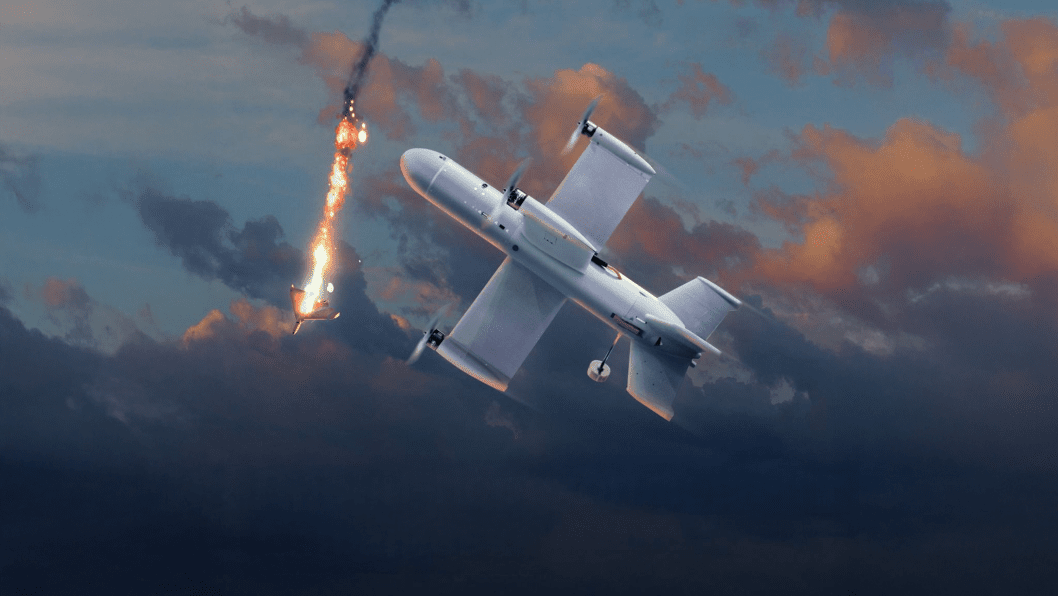
Ukraine operates a multi-layered defense system that includes anti-aircraft missiles, anti-aircraft guns, mobile fire groups, and interceptor drones. As a result, expensive PAC-3 missiles do not need to be used to intercept Russian-Iranian Shahed drones.
Interceptor drones accounted for more than 70% of Shahed drone kills in Kyiv and its surrounding areas during February, said Commander-in-Chief of the Ukrainian Armed Forces Oleksandr Syrskyi. Ukraine is continuing to increase this interception rate both in the capital and in other regions.
Importantly, Ukraine is not only using interceptor drones but also producing them domestically. A number of local companies manufacture these systems. As a result, the drones are constantly tested in real combat conditions and improved accordingly—giving them a significant advantage over systems tested only at training ranges.
Among the manufacturers are:
General Cherry—AIR Pro / Bullet drones
Skyfall—P1-SUN drones
Wild Hornets Drones—Sting drones
Swift Beat / Merops / Project Eagle—drone interceptors by Eric Schmidt
Tenebris + Alta Ares—Bagnet + X-Wing interceptor
TAF Industries—Octopus drones
Build with Ukraine
Some of these Ukrainian companies have already launched—or plan to launch—joint Build with Ukraine production initiatives with European countries. These partnerships could also enable drone supplies to be provided to partner nations, including those in the Middle East.
Ukrainian President Volodymyr Zelenskyy has also said that Ukraine is ready to help protect Gulf countries from the Iranian regime, but is asking them to help Ukraine in return.
It is important that the defenders of life prevail in this confrontation. At the level of our teams—the Ukrainian team and the teams of the Emirates, Qatar, and other states—we will determine how we can all work together to provide more protection for life.
Volodymyr Zelenskyy
Ukrainian President
For example, interceptor drones could be exchanged for PAC-3 missiles, or Gulf states could hold negotiations with Russian leader Vladimir Putin to persuade him to halt the attacks, at least temporarily.
Middle Eastern countries possess some of the largest stocks of air defense missiles and Patriot systems. Ukraine, meanwhile, has real combat experience and a multi-layered defense system protecting its territory. That experience was gained in real combat after intercepting tens of thousands of Shahed-type drones. Ukraine has repeatedly told its partners that it is ready to share this experience and knowledge in exchange for the assistance it receives. Today, Ukraine is the country that has endured the largest scale of drone attacks in history.
It is also important that Ukraine can share its experience in the use of Patriot systems. No country in the world has ever intercepted ballistic missiles as frequently and intensively as Ukraine’s air defense forces. This includes missiles that Russia once claimed were impossible to shoot down.
Discuss this article:
-4a56a6b482ec132402c16ef6fcabf9a2.png)


-c439b7bd9030ecf9d5a4287dc361ba31.jpg "Photo of Katherina Popilnichenko")

-72b63a4e0c8c475ad81fe3eed3f63729.jpeg "Photo of Cyril Barabaltchouk")