- Category
- World
This Low-Cost Drone Killer Proven in Ukraine Now Expands Across US Allies
 Prefer U24 Media on Google
- Authors


A low-cost rocket system proven effective against Shahed-type drones in Ukraine is now being rapidly deployed across US partners in the Middle East, as Washington approves new arms sales aimed at countering the growing threat of Iranian-designed unmanned aerial vehicles, according to The Defense Post on May 4.
The US State Department on May 1 cleared three separate foreign military sales of the Advanced Precision Kill Weapon System, or APKWS, to Israel, Qatar, and the United Arab Emirates, according to official US government notices.
We bring you stories from the ground. Your support keeps our team in the field.
The Advanced Precision Kill Weapon System (APKWS) converts unguided rockets into precision-guided munitions and has increasingly been used as a cost-effective interceptor against drones—particularly the Shahed-type systems widely deployed by Iran and its partners.
Israel and Qatar each requested 10,000 APKWS II rounds, with both packages valued at approximately $992.4 million. The UAE, meanwhile, requested 1,500 APKWS II guidance kits configured for air-to-air use, in a deal estimated at $147.6 million.
✅ Over Odesa, Ukraine’s VAMPIRE missile system destroys a Russian Shahed-136 kamikaze drone using a laser-guided APKWS rocket. pic.twitter.com/jU6GbppZE9
— NSTRIKE (@NSTRIKE1231) October 15, 2025
The surge in interest reflects lessons learned from Ukraine, where APKWS has been used extensively as a far cheaper alternative to traditional air-to-air missiles when intercepting Shahed-type drones, according to defense analysts.
The system gained broader international attention following its combat use in Ukraine, though US integration efforts date back several years.
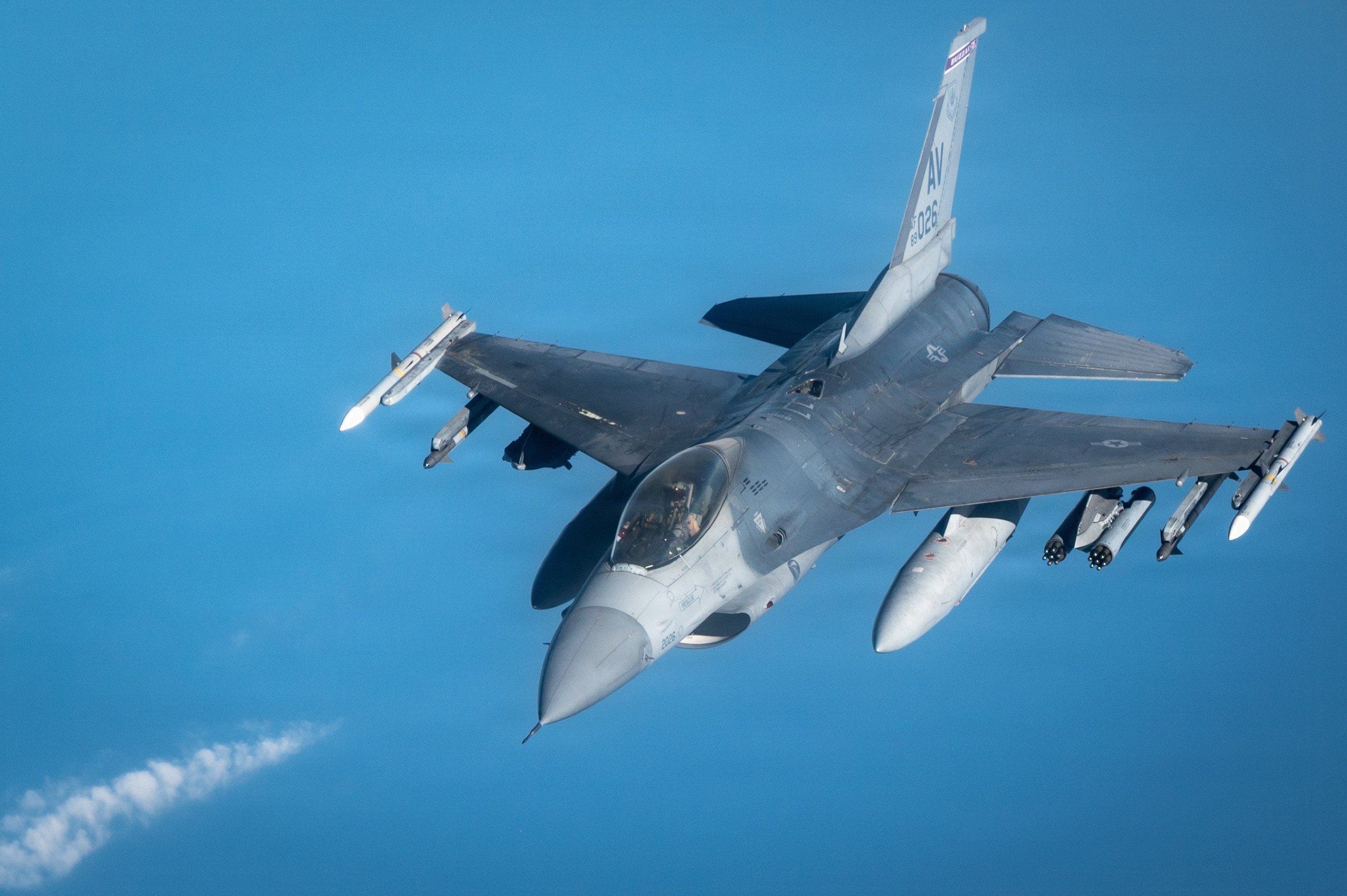
Ukrainian F-16 fighters were confirmed to have gained the capability to fire APKWS II, significantly enhancing their ability to counter large volumes of incoming drones such as the Geran and Shahed.
The appeal of APKWS lies largely in its cost and scalability. Recent contracts price each rocket at roughly $30,000 to $31,000—far below the cost of conventional air-to-air missiles.
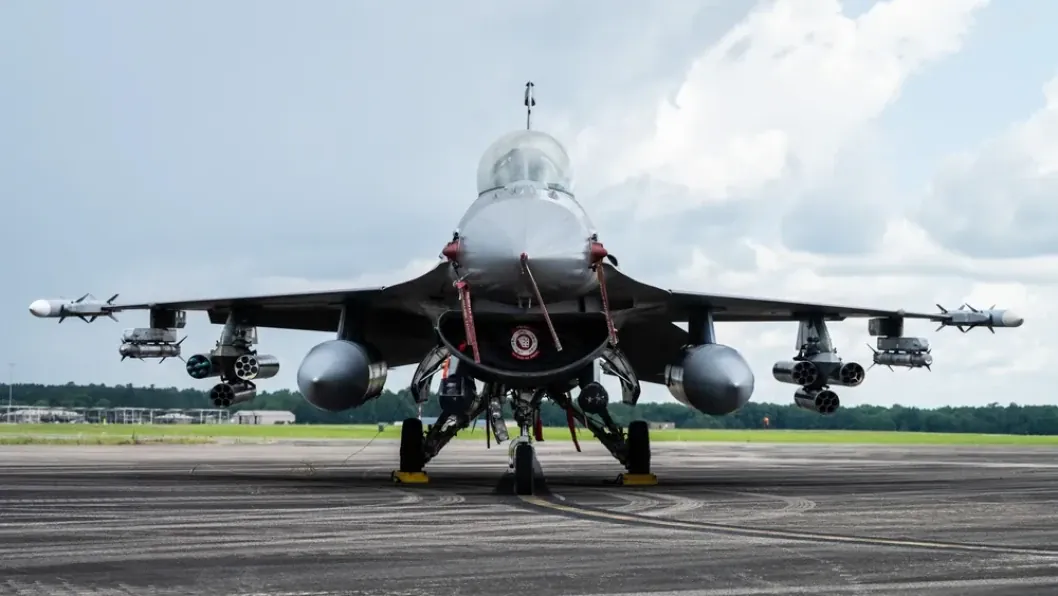
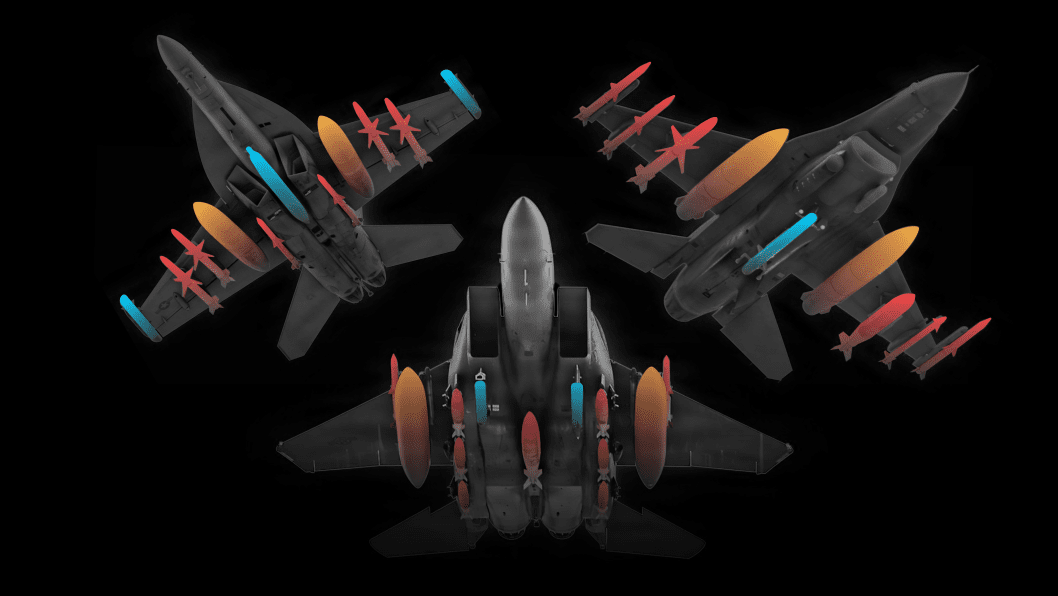
In operational terms, an F-16 equipped with standard missile loadouts may engage only a handful of aerial targets per sortie, while a configuration using APKWS rockets can carry significantly more interceptors.
Combined with onboard cannon fire, this setup could allow a single aircraft to engage dozens of drones in one mission under favorable conditions.
The proposed sales packages also include a range of support equipment and services. Israel’s request covers testing equipment, spare parts, technical data, training, and logistics support. Qatar and the UAE additionally requested launchers, warheads, rocket motors, proximity fuzes, and training systems.
BAE Systems is listed as the primary contractor for all three deals.
According to US officials, the sales are intended to strengthen the defensive capabilities of partner nations, improve interoperability with US forces, and address both current and emerging threats.
Washington also invoked an emergency determination to approve the deals immediately in support of national security interests, allowing them to bypass the standard congressional review process.
Earlier, reports emerged that Sweden’s Saab was evaluating the possibility of equipping its JAS 39 Gripen fighter jets with low-cost APKWS guided rockets as an affordable way to counter drones—a concept shaped heavily by Ukraine’s battlefield experience.
Discuss this article:



-c439b7bd9030ecf9d5a4287dc361ba31.jpg "Photo of Katherina Popilnichenko")



-111f0e5095e02c02446ffed57bfb0ab1.jpeg "Photo of Roman Kohanets")