- Category
- World
Russia’s First Large-Scale Drone Strike on NATO Territory—What Happened and How Allies Reacted
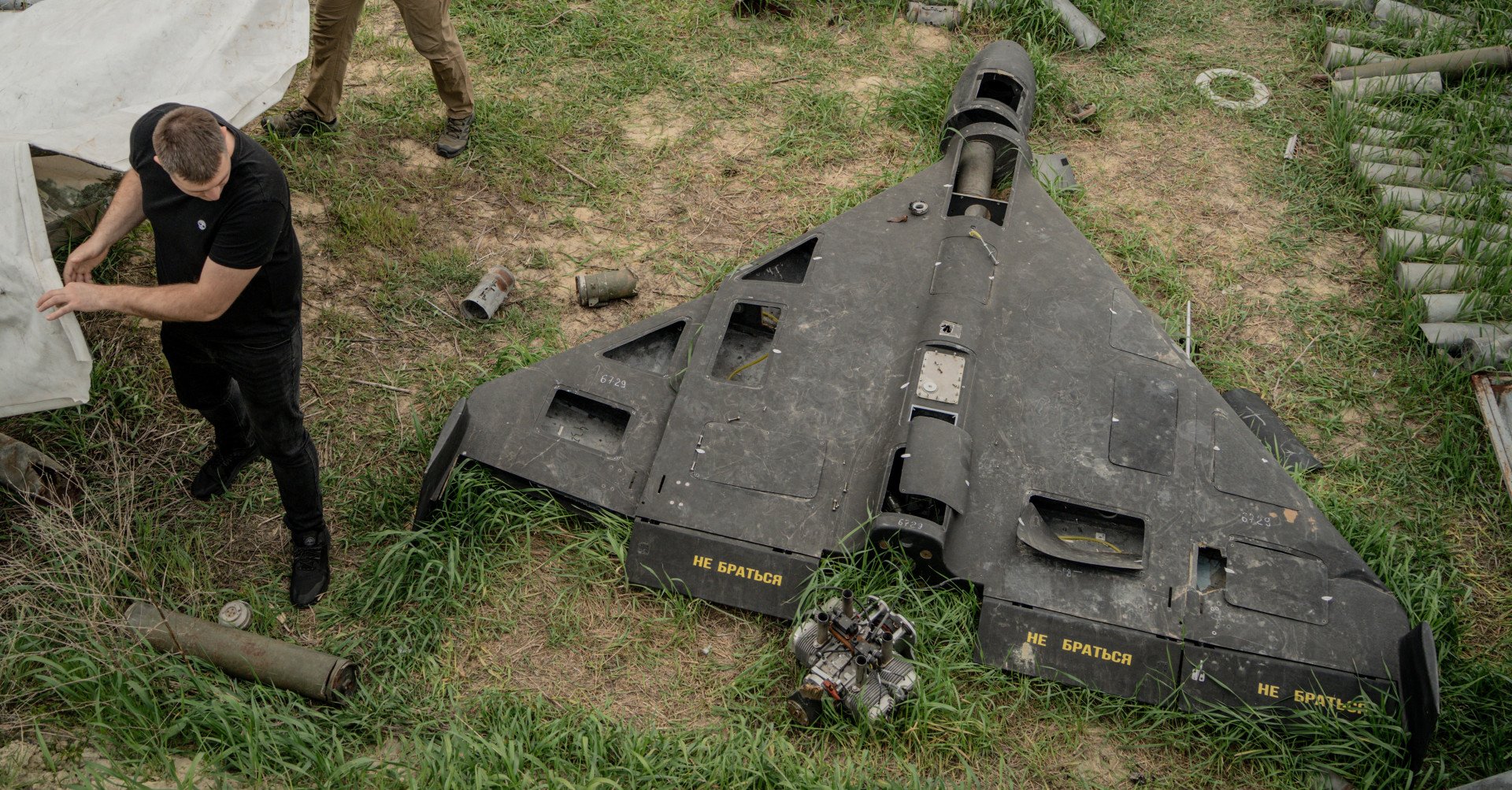
To shoot down Russian Shahed drones that entered NATO airspace, Poland and neighboring countries scrambled their air forces. Among the possible targets was the American contingent stationed in Poland.
 Prefer U24 Media on Google
- Authors


-29a1a43aba23f9bb779a1ac8b98d2121.jpeg "Photo of Illia Kabachynskyi")

For the first time, Russia launched a large-scale attack not only against Ukraine but also against one of its closest allies—Poland. By the morning of September 10, Russian Shahed drones had entered Polish airspace.
Such violations have occurred before: missiles in Poland, drones in Romania or Lithuania, and airspace violations over Moldova. But this is the first time not a single drone but a large group—the Polish military recorded 19 drone incursions, says Polish Prime Minister Donald Tusk—entered Poland. Polish and NATO fighter jets intercepted several air targets, shooting down at least three and likely a fourth, he said. According to the country’s leading newspaper, Rzeczpospolita, more than 20 Russian drones were detected that night, shot mainly by Dutch F-35s.
“The fact that these drones, which posed a security threat, were shot down changes the political situation,” Tusk said. “Allied consultations took the form of a formal request to activate Article 4 of the NATO Treaty.”
Article 4 initiates a formal alliance discussion when one member considers its territorial integrity or security is threatened.
“A North Atlantic Council meeting is likely to take place today to assess the situation and coordinate a collective response, while the investigation continues to clarify key operational details,” told us Tomáš A. Nagy, Senior Research Fellow for Nuclear, Space, and Missile Defense, Future of Security Programme.
“An act of war”
This hardly looks like an “accident.” The US has already called it “an act of war,” while EU foreign policy chief Kaja Kallas described the violation as intentional.
Last night in Poland, we saw the most serious European airspace violation by Russia since the war began, and indications suggest it was intentional, not accidental.
— Kaja Kallas (@kajakallas) September 10, 2025
I am in contact with @SecGenNATO and @radeksikorski.
The EU stands in full solidarity with Poland. (1/2)
NATO does not consider the drone incursion into Polish territory to be a Russian attack, Reuters said.
"We are dealing with a large-scale provocation,” Tusk said, according to Reuters. “We are ready to repel such provocations. The situation is serious, and no one doubts that we must prepare for various scenarios.”
To repel this “provocation,” the allies had to deploy their full air power. Polish F-16 fighters, Dutch F-35s, Italian AWACS reconnaissance aircraft, and NATO-operated aerial refueling planes were all in the sky. Reports also indicated that Romania and Slovakia scrambled aircraft.
Polish leadership stated that the threat was fully neutralized and Shahed drones were shot down. Debris has already been reported falling on a private home and a car. The government convened an emergency meeting.
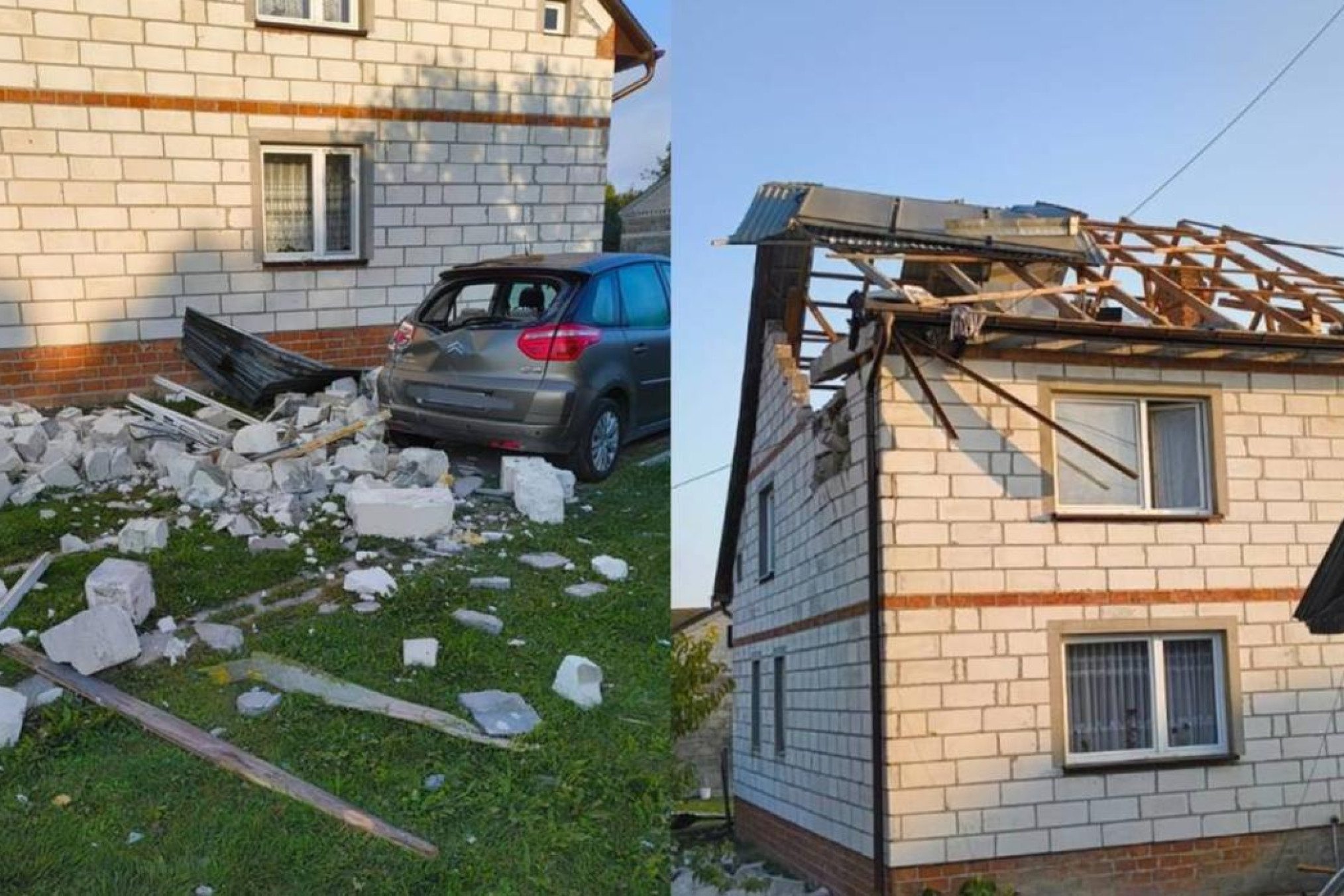
Tusk confirmed the scale of the attack, saying that “Polish airspace was violated by a huge number of Russian drones,” with significant amount flying from Belarus.
Polish Interior Ministry reported seven drones and missile debris of “unknown origin,” with five objects found in Lublin province and one each in Łódź—almost 300 kilometers from the border with Belarus—and Warmian-Masurian, reported Polish news outlet Onet.
During the attack, several airports were shut down, including Warsaw’s international airport.
The first closure, however, was reported at Rzeszów airport due to “unplanned military activity.” The city is a critical logistics hub for aid to Ukraine, serving as the point where allies send assistance before it is transferred onward.
Importantly, Rzeszów also hosts soldiers from numerous countries, including a US contingent. Overall, about 10,000 American troops are stationed in Poland.
New evidence suggests that Russia has been preparing its drone strike on Poland for months, Ukraine’s Defense Express outlet reported. As early as July, reports surfaced in Poland that SIM cards from Polish mobile operators were being found inside Russian drones shot down over Ukraine. The detail pointed to Moscow’s testing of drone connectivity with Polish mobile networks.
“Initial indications suggest that the drones were in an active flight phase at the time of interception and that multiple drones were involved, pointing to a coordinated ‘package’ of forces rather than a single stray air asset,” says Tomáš.
NATO response
Ukrainian President Volodymyr Zelenskyy said that Kyiv is prepared to assist Poland in building a warning and protection system against Russian attacks, stressing the need for a pan-European approach to air defense. “Only joint and coordinated action can guarantee reliable security,” he said.
Meanwhile, the Polish government said it remains in constant contact with NATO representatives, with NATO spokesperson confirming being in touch with Polish leadership and “consulting closely with Poland.”
“The interception occurred under Polish operational leadership but with active involvement from NATO allies,” says Tomáš. “This highlights the relevance of NATO’s 2023 rotational model for Integrated Air and Missile Defense (IAMD), designed as a flexible crisis-response mechanism. These deployments are temporary, and intelligence driven.” Given the nature of the threat, it is plausible that SACEUR (Supreme Allied Commander Europe) may recommend further activation of these measures if the pattern of overnight incursions continues, he says.
Critical questions remain unanswered: Were the drones armed? Were they conducting surveillance, or attempting to test NATO’s air defenses through provocation? What were their exact flight paths and intended targets?
Tomáš A. Nagy
Senior Research Fellow for Nuclear, Space, and Missile Defense, Future of Security Programme
“This incident marks, so far, the most serious escalation on the conventional military ladder between Russia and NATO, excluding previous hybrid acts of aggression,” says Tomáš. “It compels allies to reexamine the effectiveness of current deterrence measures. Adjustments may be required, including enhanced deployment of both defensive and offensive assets in the region, as well as more assertive strategic communications underlining NATO's unwavering commitment to defend every inch of Allied territory, as reiterated by Alliance leaders.”
Discuss this article:


-111f0e5095e02c02446ffed57bfb0ab1.jpeg "Photo of Roman Kohanets")
-605be766de04ba3d21b67fb76a76786a.jpg "Joseph Place")


-72b63a4e0c8c475ad81fe3eed3f63729.jpeg "Photo of Cyril Barabaltchouk")