- Category
- World
As Iranian Drones Strike US Gulf Allies, Ukraine’s Layered Air Defense Model Proves Its Value
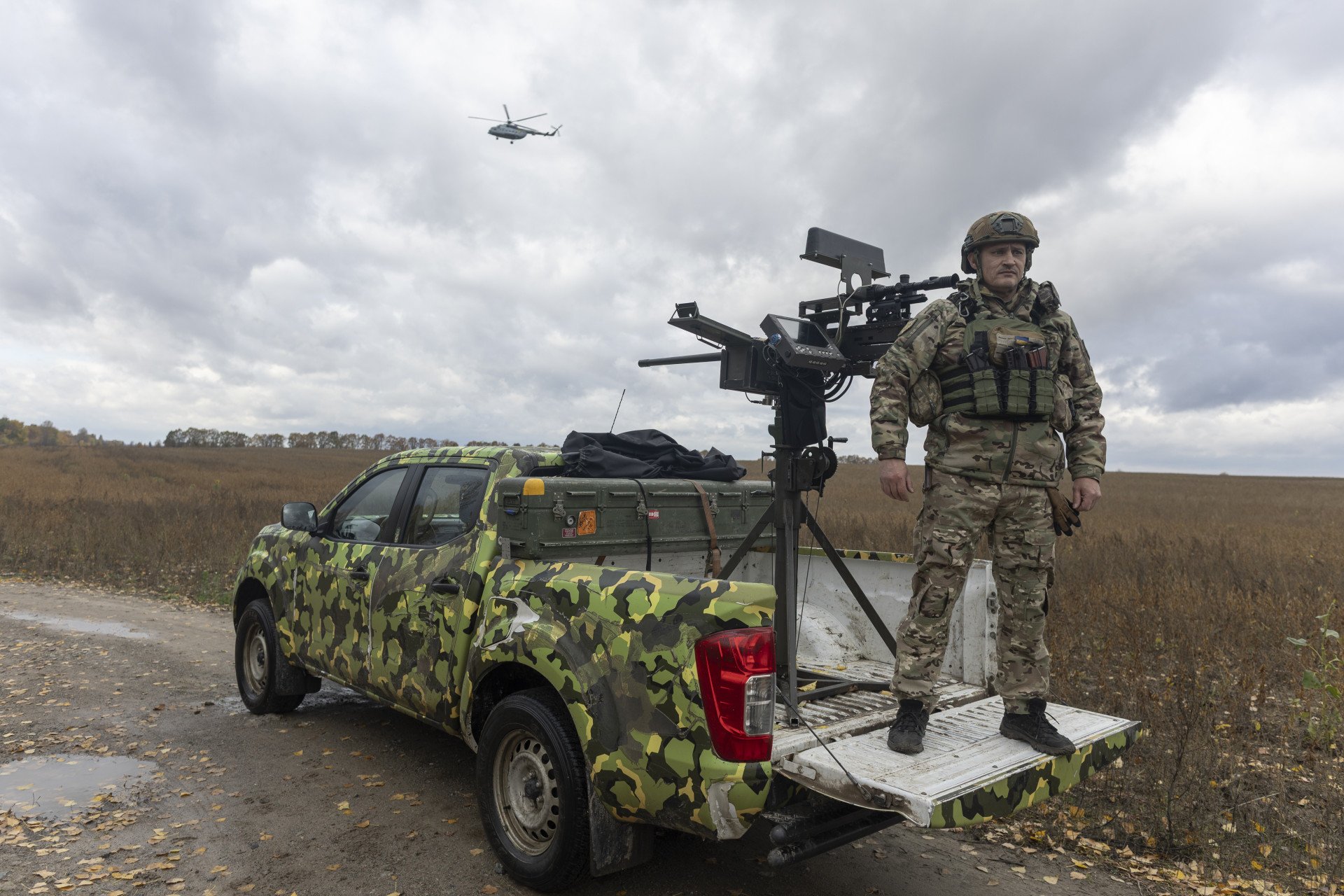
What happens when $5 million missiles are used to shoot down $20,000 drones? Facing daily waves of low-cost Shahed drones, Ukraine was forced to rethink how air defense works. As drone warfare spreads from Eastern Europe to the Middle East, its hard-earned lessons are becoming globally relevant.
 Prefer U24 Media on Google
- Authors

-605be766de04ba3d21b67fb76a76786a.jpg "Joseph Place")
“The experience of our drone operators and air defense crews—we have very experienced people,” President Volodymyr Zelenskyy said, responding to reports that Ukraine might provide air defense expertise abroad. “We are ready to share this information. Our partners are welcome to come to us, and we can continue this cooperation.”
He recalled that at the start of Russia’s full-scale invasion, Ukraine sent its own troops to partner countries for training. Ukrainian forces trained in Germany, the United Kingdom, and the United States. “Today, when these same countries turn to us,” Zelenskyy said, “we are open to sharing both our experience and our technologies.”
That experience is increasingly relevant as Iran-linked drone and missile attacks target countries across the Middle East, including Bahrain, the United Arab Emirates, Saudi Arabia, Jordan, and Qatar.
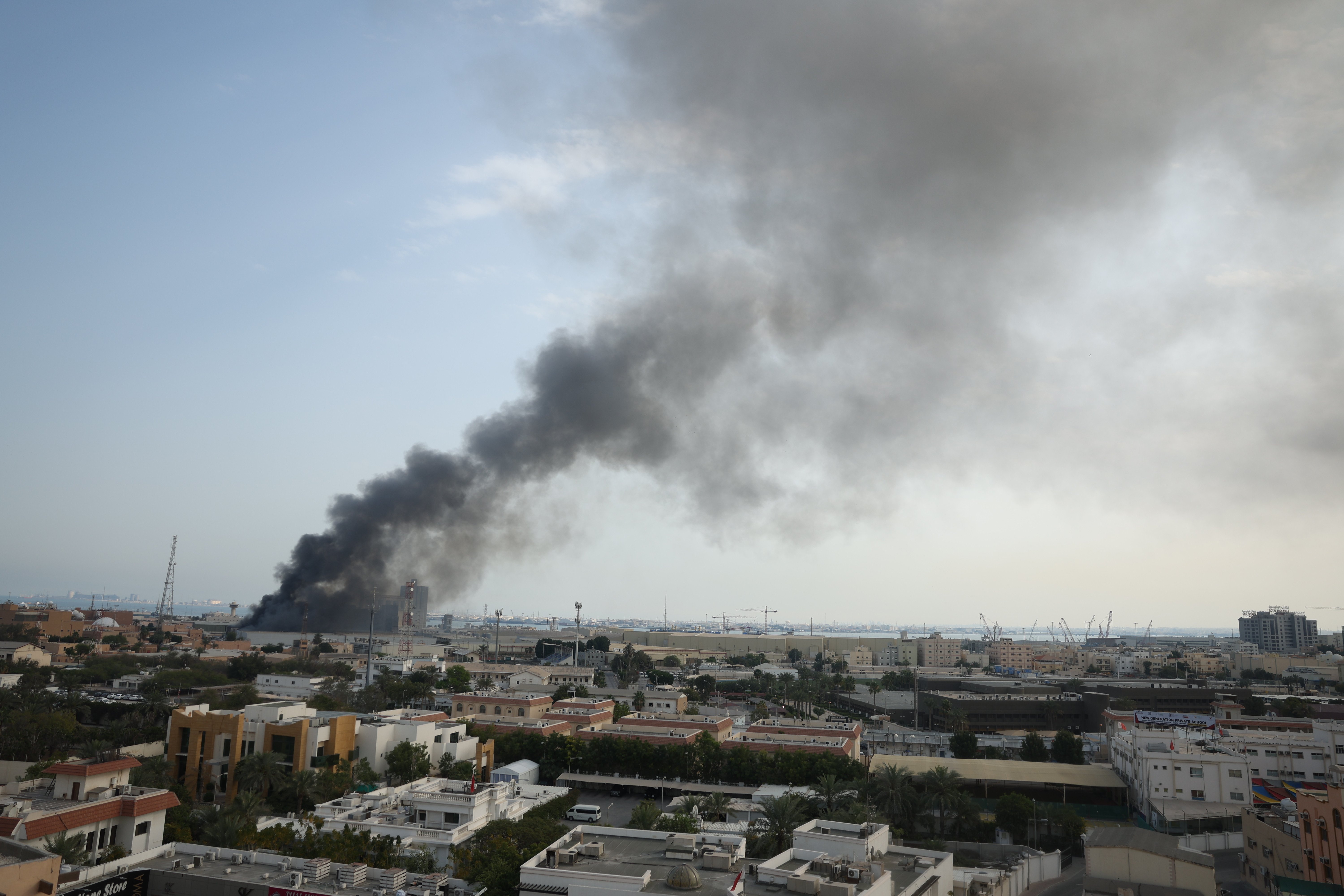
The US forces stationed in many of these countries—including the US Fifth Fleet HQ in Bahrain—were reportedly hit by Shaheds. Europe faces a similar challenge. Russia continues to manufacture its own drones alongside a wide range of missiles, posing a sustained threat. They, too, can learn from Ukraine.
Drone attacks in Ukraine compared to the Middle East
Recent events in Ukraine and the Middle East, as well as Israel’s 2024 conflict with Iran, show the difference in scale of attacks with drones. Ukraine by far receives the highest volume of drones entering its airspace from Russia, with daily attacks. While Israel in 2024 boasted a near 100% rate of interception (note: The “99%” figure may include drones that failed en route or were intercepted outside Israeli airspace, according to the CSIS), it experienced the same volume of attacks in one day that Ukraine does every day by February 2026.
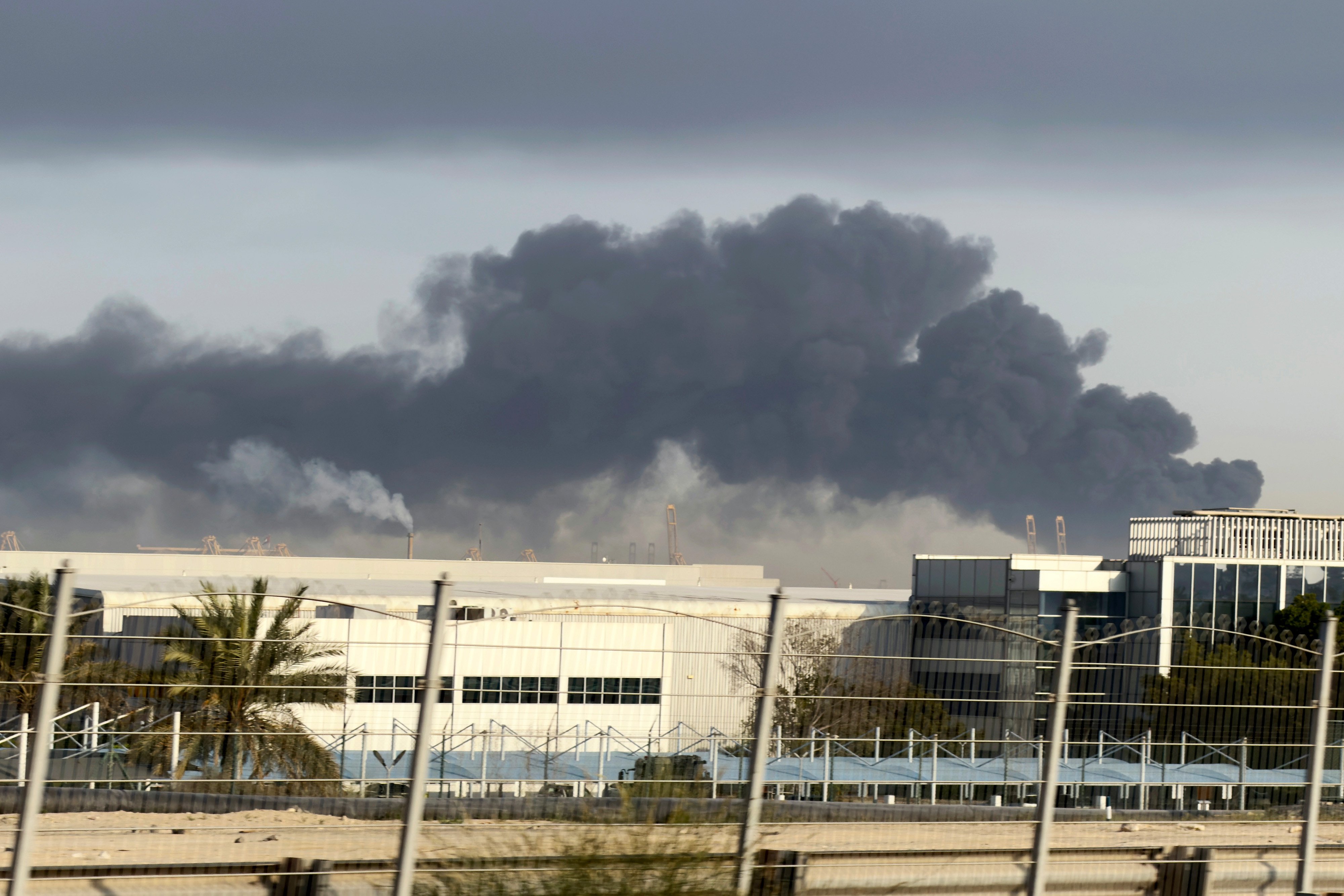
During the recent waves of attacks from February 28 to March 3, 2026, high volumes of attacks across the Middle East from Iran, particularly with the same Shahed drones, have been consistently used against Ukraine. UAE claimed to have intercepted 506 drones by March 2nd, and by March 3rd the number of drones they intercepted, allegedly, 812. Bahrain around 95, Qatar 12 by March 2nd (though this number rises), and Kuwait 384 by the 2nd. Note also that these numbers are constantly changing, but are reported by March 3. The main point to see is that these countries claim a high interception rate, at this moment.
However, there are major discrepancies between what Iran claims to have launched and what was reported to enter the airspace of various countries and was intercepted. Iranians estimated that Iran launched 541 drones towards the United Arab Emirates, which claim to have intercepted 506. Iran claims to have fired 283 at Kuwait, but 384 allegedly were intercepted by air defense. Iran also claimed to have launched 145 at Bahrain, 12 at Qatar, and dozens at Jordan. We can see these countries’ own reports do not fully align with Iran’s claims, especially Bahrain's.
It may be that many drones failed to reach the country’s airspace or were intercepted by neighboring countries or the US, with its high naval presence. This would explain why the claims about how many drones got through air defense or were intercepted do not align. It is also possible that the figures about how many hit targets are currently not being shared for security reasons, meaning the threat is worse in the region than official governments want to admit. Kuwait, for example, claims to have intercepted 384 drones by March 3; however, it is unclear how many others hit their targets.
While Iran is launching mass attacks across the Middle East, and the interception rate appears to be high in many cases, it is unclear how sustainable the level of defense will be. Israel estimated that Iran had around 2500 missiles, but drones are quicker to make and considerably cheaper. One Iranian plant can make around 18,450 drones per year, according to CSIS estimates. This can raise costs in defense, when million-dollar missiles are used against drones that cost $10-30 thousand, and the rate of restocking air defenses is a challenge the USA and its allies will face.
This is a problem Ukraine has already been dealing with many times. Of course, the context of Ukraine’s population, war, economy, and geography are vastly different to those of the Gulf states, as well as its resources after four years of war. However, what Ukraine can show is how to handle mixed attacks when facing shortages and limitations, and sustained attacks over a long period.
What experience can Ukraine share?
Ukraine has several key experiences that are valuable, as Iran has essentially copied Russia’s tactics in Ukraine. During the winter of 2025-2026, Russia launched almost 19,000 drones at Ukraine—during extreme cold weather, and in total, around 34,000 air strikes.
More than consistent attacks, however, Ukraine has had to keep up with the constant design changes and rapid developments in drone warfare, such as the new V2U drone, and the use of new missiles like the Oreshnik. Other countries, so far, have not experienced constant attacks with ever-shifting realities.
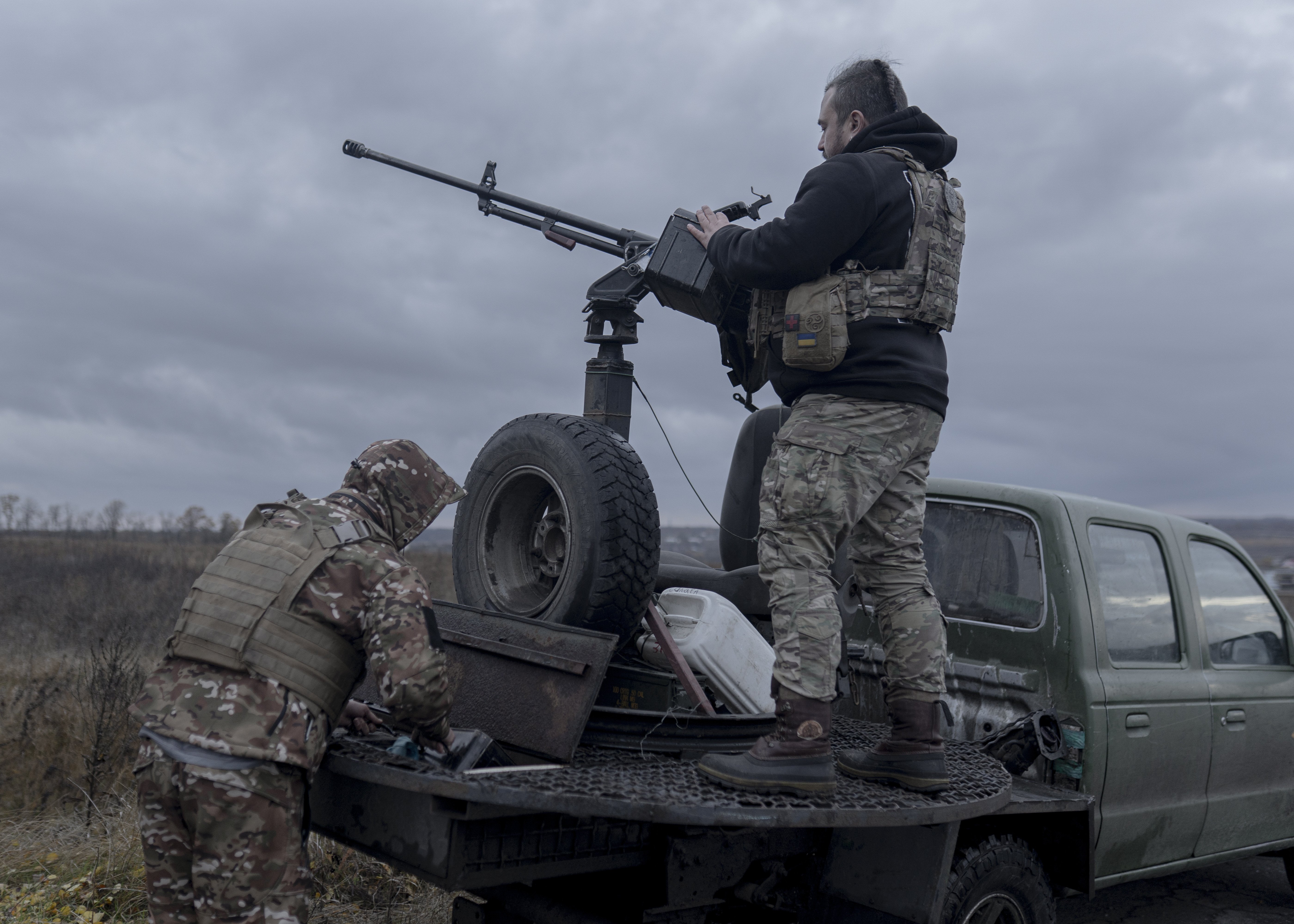
Russia has attacked civilians, energy systems, as well as Ukrainian positions on the front line, so understanding prioritization of targets, when air defense systems are limited, is something Ukraine has had to learn. The cost of drones, for example, is much lower than that of Patriot missiles and other air defense systems, so learning to be tactful is essential and has not been done in many cases. For example, in 2024, a NATO fighter jet fired an AMRAAM missile worth around $1.2 -$2 million at a decoy Gerbera drone worth around $10,000. The Patriot missiles, for example, cost Saudi Arabia around $3-4 million per missile and Ukraine around $5 million.
The UAE spent a considerable sum on its air defense in recent attacks, with Kelly Grieco, a fellow at the Stimson Center and adjunct at Georgetown, estimating it cost between $1.45–$2.28 billion, whereas Iran’s costs for the attack on the UAE would have been between $177–$360 million. Each PAC-3 missile, used by the UAE, costs around $3.7 million on average, though costs may vary, the Missile Defense Advocacy Alliance estimates.
Ukraine has used a combination of approaches at multiple levels to handle the air strikes and drone attacks from Russia. This massively increased effectiveness and reduced costs.
Had Ukraine relied solely on PAC-3 interceptors costing roughly $3.7 million each to counter the nearly 19,000 drones launched in a single winter, the bill would approach $71 billion. By contrast, if those drones cost around $20,000 apiece to produce, Russia’s total expenditure would be roughly $380 million. For every dollar spent launching drones, nearly $186 would be required to intercept them using high-end missile defenses alone.
Instead, Ukraine found a more sustainable method than relying on million-dollar interceptors against cheap drones. It built a layered defense: electronic warfare to disrupt navigation, mobile fire teams with heavy machine guns and MANPADS, and increasingly, low-cost interceptor drones. Amid a shortage of air defense units, it has managed to intercept missiles with a single unit.
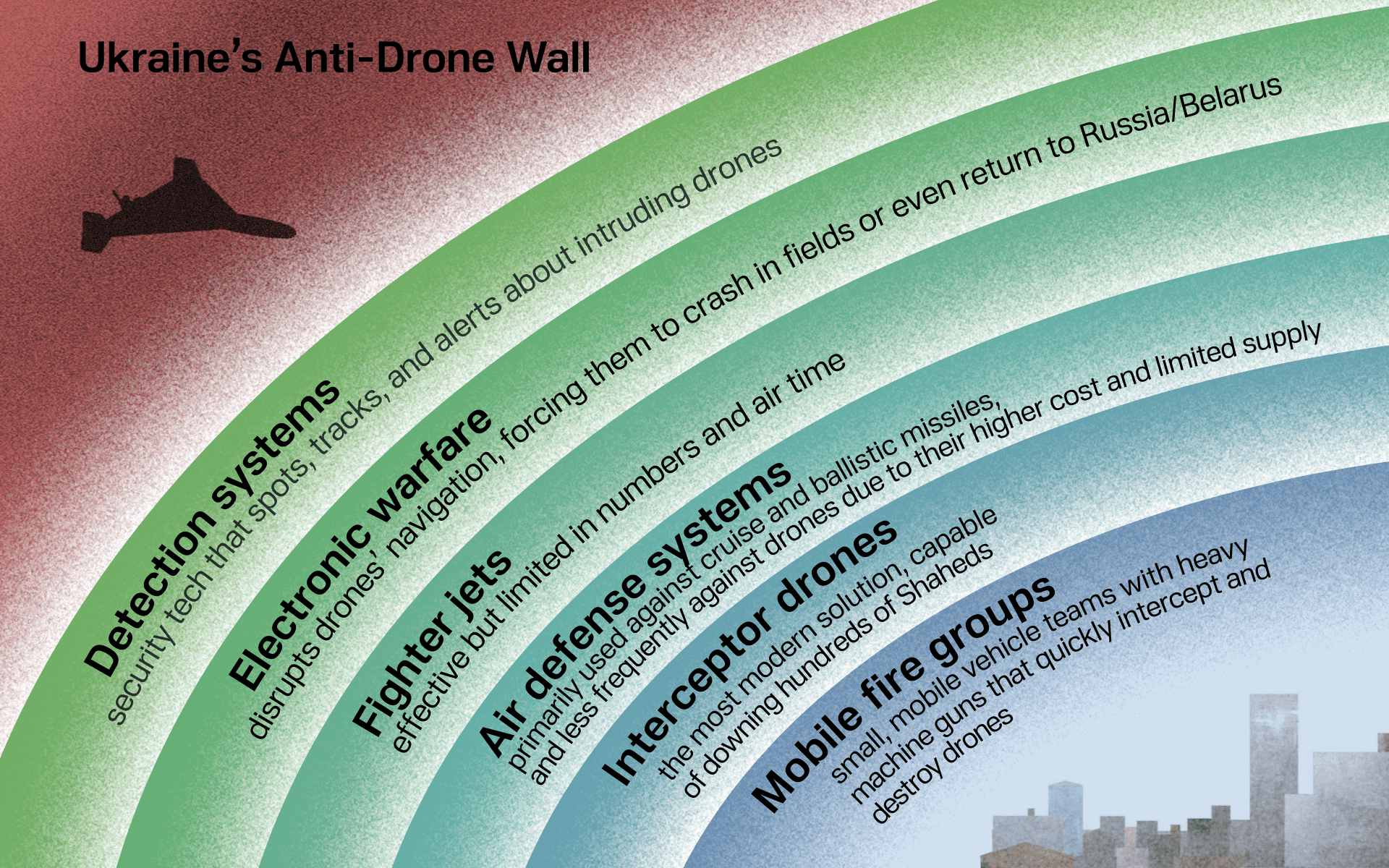
Many Shaheds are now brought down not by $5 million missiles, but by weapons costing a fraction of that. No country can afford to defend against cheap drones with million-dollar missiles alone.
Ukraine’s biggest obstacle to its air defense is not a lack of skill; it is a lack of resources. If Ukraine were to receive more air defense missiles and more consistent supplies, it would have a higher interception rate. Additionally, it is essentially a different warfare than the attacks we are seeing in the Middle East.
Assisting Ukraine in defending itself against Russia can help improve understanding of how to deal with modern, combined air attacks globally and enhance global security. If Russian drones were not being fired at Ukraine, they could be found in other countries' arsenals, such as Iran’s, giving them greater military capabilities. By using sanctions and supporting Ukraine in destroying these factories in Russia, as it does, other countries will be protecting their own security.
“My priority is clear,” said Zelenskyy. “This morning I had a coordination call, and once again we discussed how to better protect Kharkiv, Sumy, Poltava, Dnipro, Kryvyi Rih, and Kyiv. We have many different challenges.”
Ukraine’s air defense priority remains the protection of its own cities and infrastructure. At the same time, the scale and frequency of the attacks it faces have turned the country into a real-world laboratory for modern drone warfare. The lessons emerging from that experience are increasingly relevant beyond Ukraine’s borders.
Discuss this article:
-9a7b3a98ed5c506e0b77a6663f5727c5.png)

-c439b7bd9030ecf9d5a4287dc361ba31.jpg "Photo of Katherina Popilnichenko")


-111f0e5095e02c02446ffed57bfb0ab1.jpeg "Photo of Roman Kohanets")