- Category
- World
Why Iran Is Erupting Again—Inside the Largest Protests Since 2022
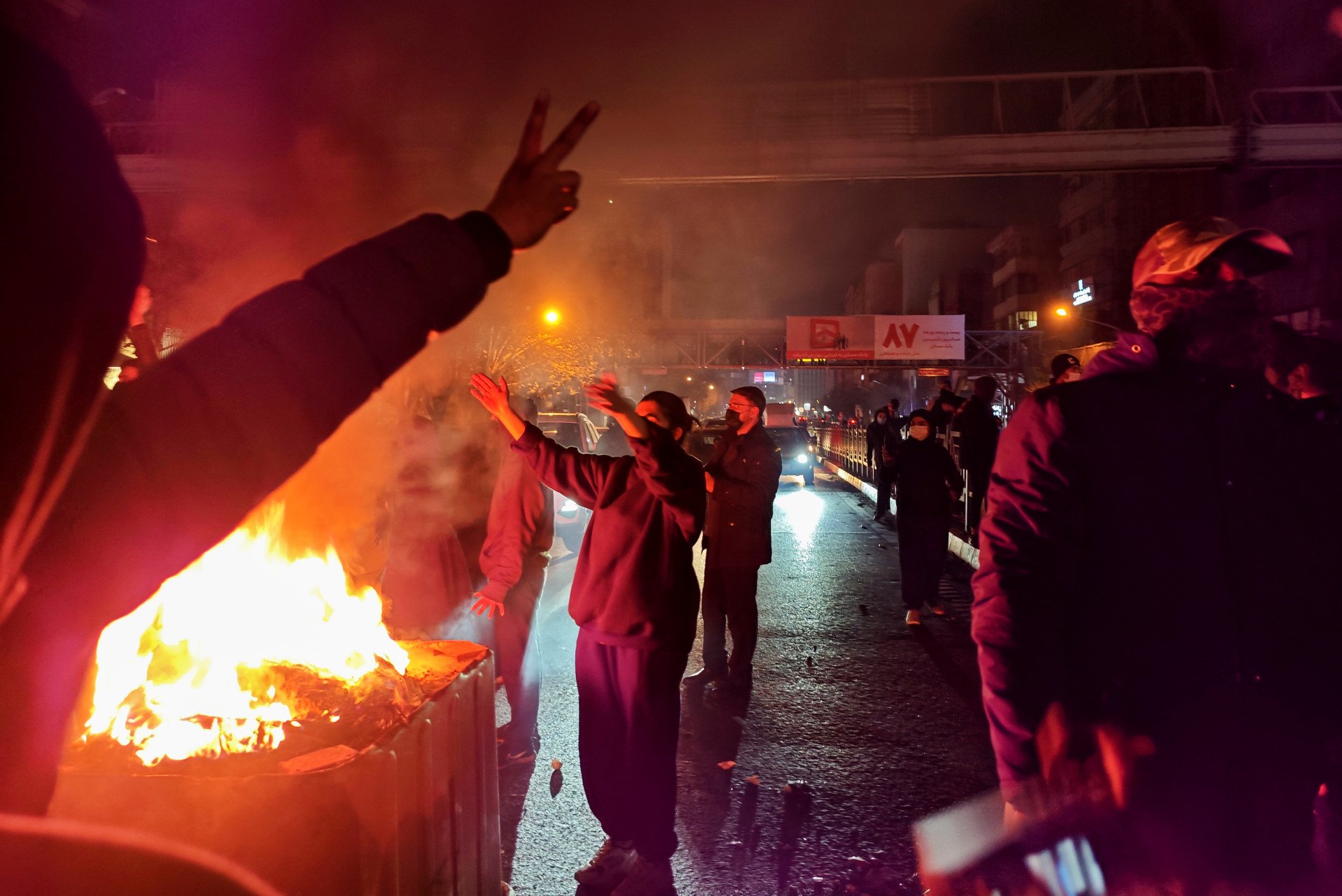
As Iranians return to the streets in mass unrest, it is worth understanding what is going on with Iranian protests, why people are out in force, and what could happen next.
 Prefer U24 Media on Google
- Authors

-605be766de04ba3d21b67fb76a76786a.jpg "Joseph Place")
There are currently massive protests across Iran, with many protestors reported dead and a rise in injuries. We explore what we know so far regarding the situation in Iran, give context to these protests, and consider what may happen in the future and its wider implications.
What are people protesting in Iran?
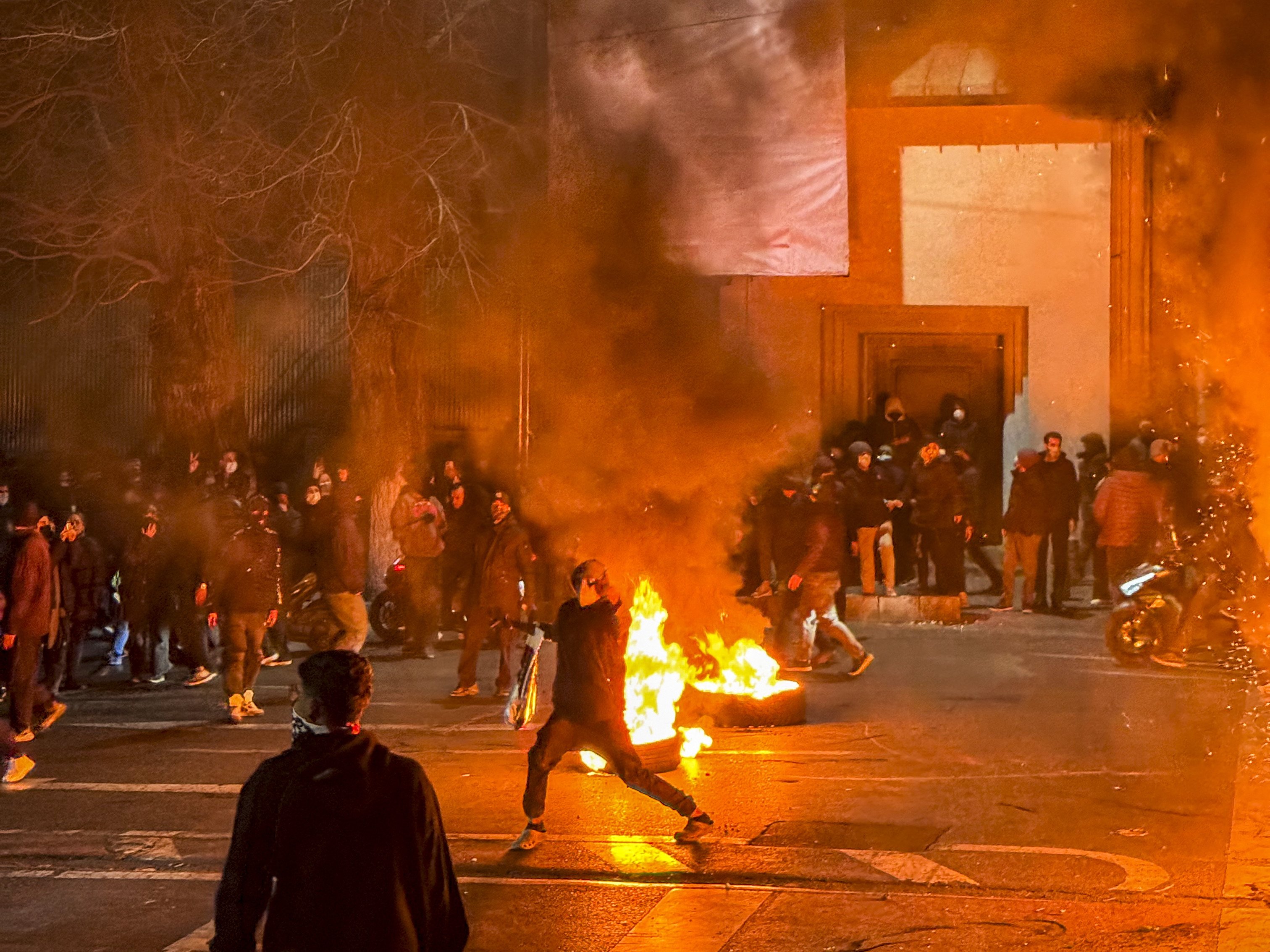
The protests in Iran began as responses to economic problems in the country in December 2025, when the currency plummeted. In 2025, not only did the currency devalue against the US dollar, but some medicine prices rose by 400%, and agricultural products increased in price. Water shortages have also worsened problems within the country and fuelled people in Iran to protest with more grievances. Soon after, the protests expanded to wider dissatisfaction with the regime.
Large-scale protests are not new, as many Iranians previously protested the cost of living, corruption regarding the assets of the regime leaders, such as Khameini, general economic mismanagement, and military ventures abroad during this time. For example, in 2022, many pensioners protested about the low pensions amid the cost-of-living crisis.
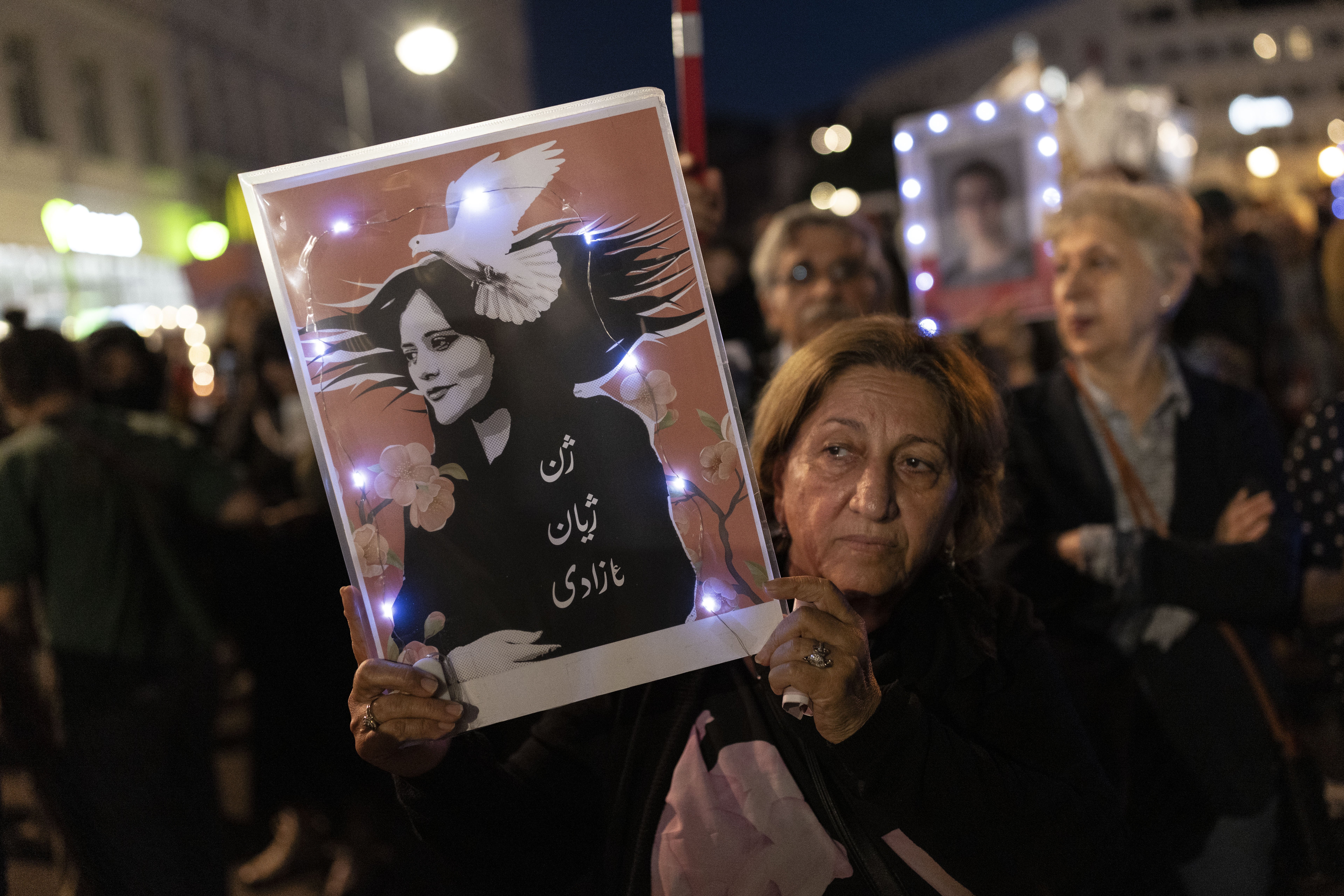
It is not just economics that has caused protests and unrest in the recent past. Since 2022, many protests have focused on the rights of women and reactions to violence against women, such as Mahsa Amini, who died in police custody for “incorrectly wearing a hijab,” with protests spreading across the whole country, resulting in violent repressions. These protests were the largest in Iran’s recent history.
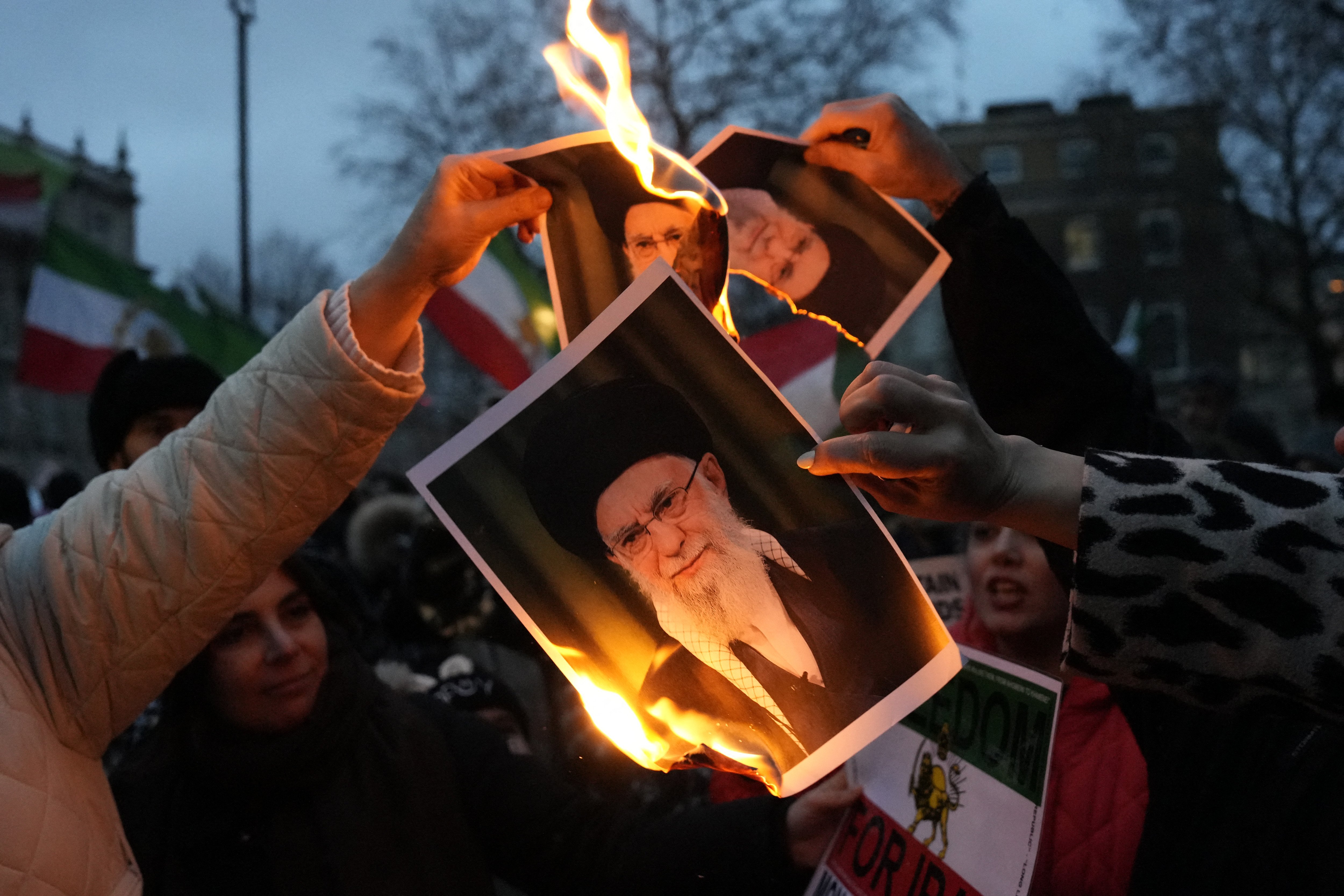
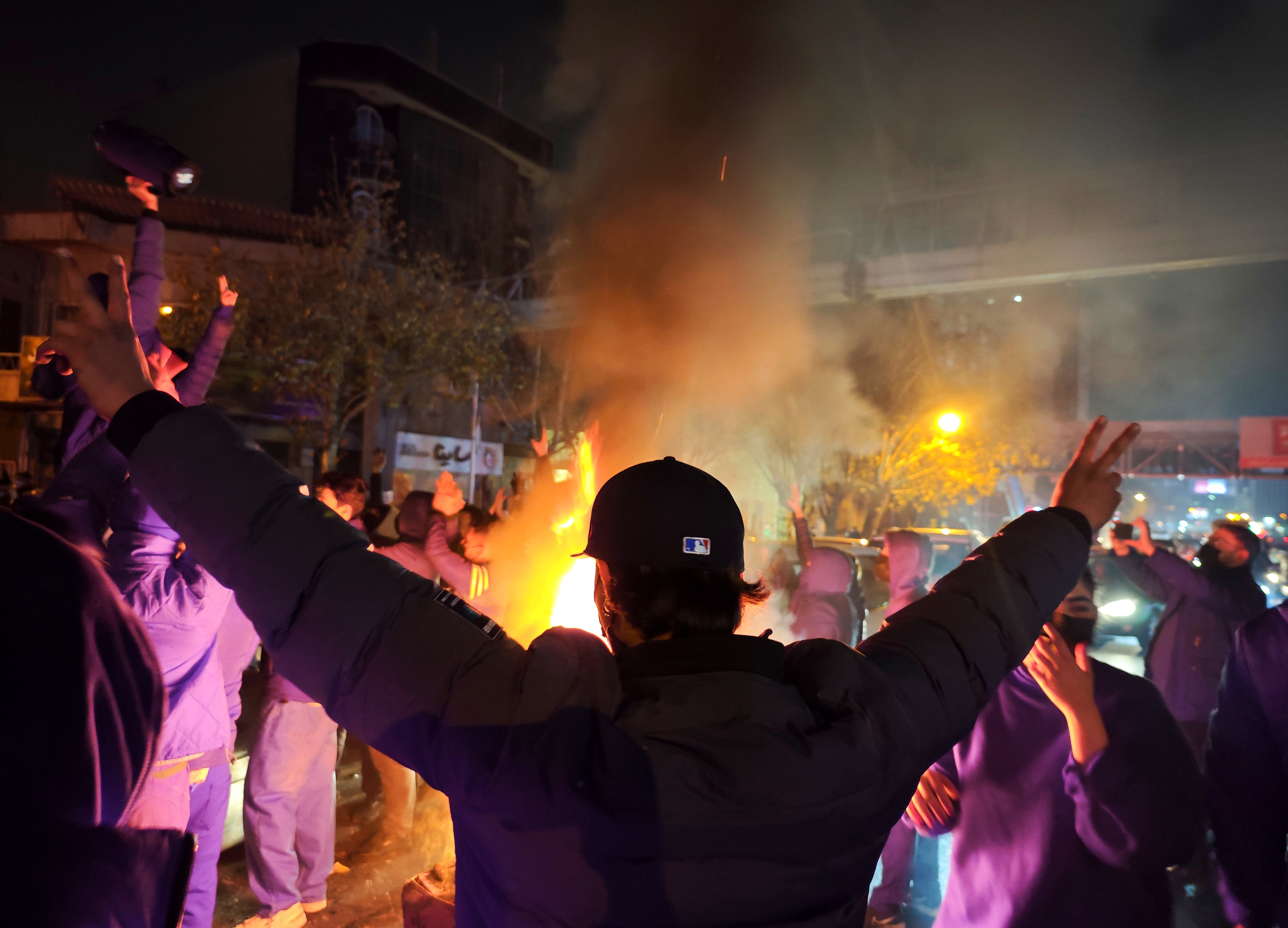
In December 2025, the current wave of protests began amid currency devaluation and rising inflation, and quickie became a catalyst for wider protests against the Iranian regime. Protestors included students, business owners, and many others, as the goals changed from economics to targeting the regime in general, with many chants directed against Khameini such as “death to the dictator” (which originated in 2022 as a slogan), the government, and its actions abroad, “Neither Lebanon nor Gaza, my heart to Iran” is one such slogan used at protests. The protests appear to have peaked on January 8th and 9th, with thousands of protestors attending.
Some protestors have made pro-Shah chants, as the exiled prince Reza Pahlavi, who has become seen as a face of the opposition. Minority groups, such as Kurds, have also supported the protests and a general strike, for example, although the government has put the blame on the Kurdish opposition for the protests in general. Nonetheless, the protestors are united in their disapproval of the regime.
Who controls Iran?
Iran is not governed like a conventional republic. Ultimate authority rests with Ali Khamenei, the country’s Supreme Leader. This is the highest position in the Iranian political system. He can enact decrees, veto laws, serve as commander of the armed forces, and generally wield significant power over the country. Khamenei has been the Supreme Leader since August 6, 1989. The second-highest position is the President, currently Masoud Pezeshkian, who has held the position since 2024.
While Iran does hold elections for president and parliament, these institutions operate within strict limits set by the clerical establishment. Candidates are vetted by bodies loyal to the Supreme Leader, and elected officials cannot challenge the system's core pillars.
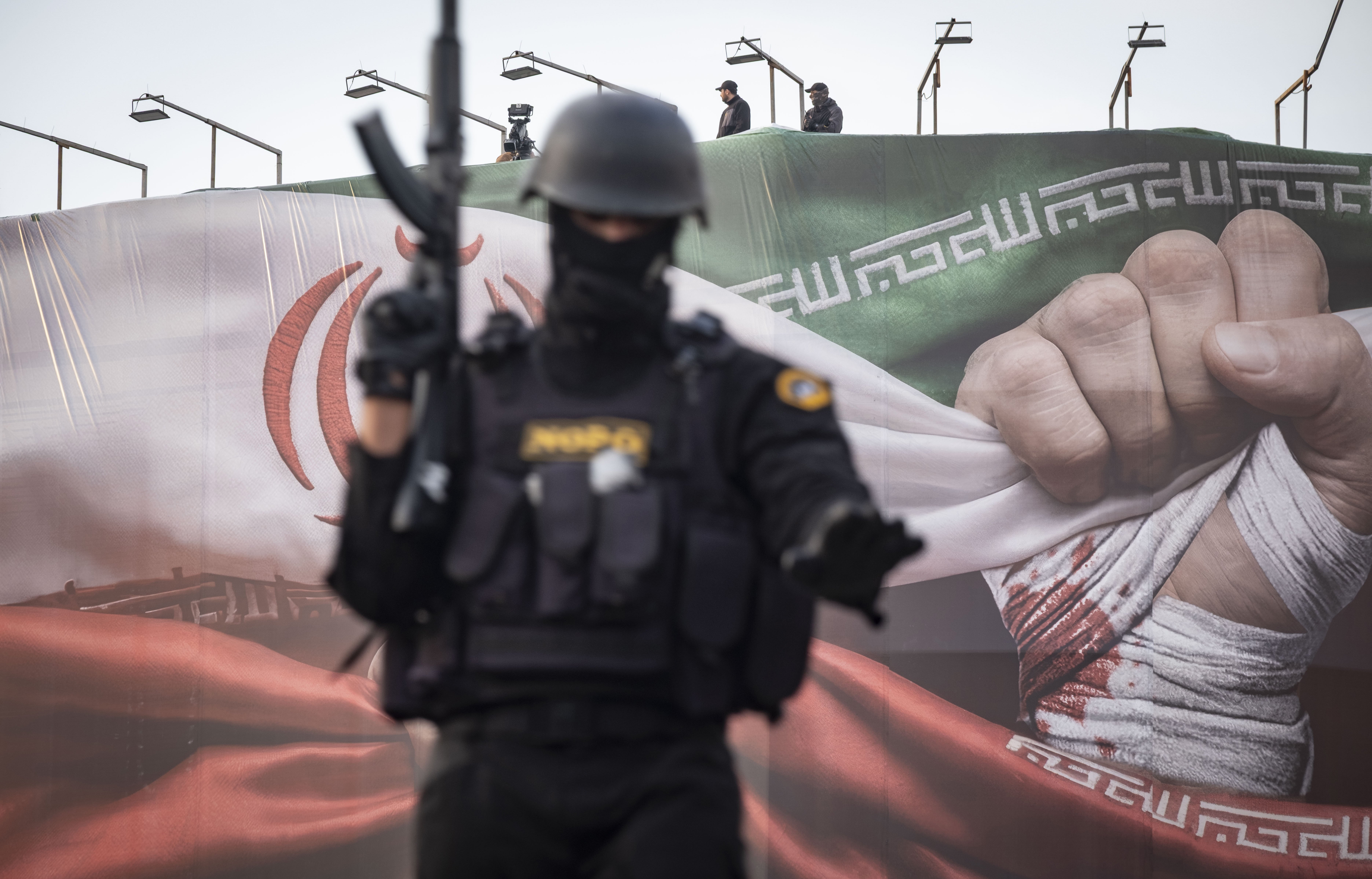
A central pillar of that order is the Islamic Revolutionary Guard Corps (IRGC). Established after the 1979 Islamic Revolution, the IRGC has evolved into a powerful parallel military and political force, separate from Iran’s regular armed forces. Unlike the armed forces, which focus on external threats, they focus on internal issues and on maintaining the control of Khamenei and the government in general. IRGC was designated a terrorist group in 2019 by the USA, and other countries recognize it as such. They have been accused of corruption and smuggling, they assist other terrorist groups such as Hamas and Hezbollah, and coordinate terrorist activities overseas, such as an attack on a synagogue in Germany.
What is happening in Iran right now?
Protests continued through December and into January, but violence against the protestors increased, including deaths, such as at least six on January 1st. Protests continued to grow across Iran, as did the police response. It is unclear how large the protests are due to internet blackouts. While the regime cracked down, they prepared for losing control by moving gold, and Khameini said he would flee to Moscow.
By mid-January, the protests had seen many violent responses. For example, there has been a surge in eye injuries, there is footage of live rounds being used on protestors, and unconfirmed reports of deaths across the country. Regarding how many protestors have died in Iran, it is difficult to say. US-based Human Rights Activists News Agency (HRANA) estimated by January 13th that over 2000 people have died; Norway-based organization Iran Human Rights estimates 3,428 on January 14th, and the number increases each day, according to different organizations. As the internet has been limited, it is difficult to ascertain the full picture; however, this may increase. While some have tried to use Starlink in Iran, which was made free, but still the government has attempted to control it with blackouts.

Outside of protestors being killed on the streets, others have been arrested. One protestor, Erfan Soltani, was sentenced to death; however, the sentence was postponed, and the judiciary said it would not execute him. However, whether this will apply to other protestors in the future remains to be seen. On January 15, an aid worker with the Red Crescent organization was killed, and reports of violence continued. Some reports indicate that by January 16th, the protests had slowed due to the violent responses.
There is also potential for escalatory internal conflict, making the situation more complex and multi-sided. For example, in December, a group of Sunni militants attacked the Iranian Revolutionary Guard, and Kurdish fighters from Iraqi Kurdistan allegedly attempted to enter the country. Verification of this information is hard to acquire, as it may be an attempt by the government to shift focus from the protests and find external blame.

Foreign responses
Many countries have condemned the Iranian regime’s responses to the protests. For example, the G7 has warned of broader sanctions, which could further damage Iran’s economy. The European Union urged Iran to exercise restraint and respect freedom of expression. This type of response has been the most common. Ukraine has supported the protestors, urging it to meet the protestors' demands and stop violence against them.
Will the US attack Iran?
Many have speculated on the US response to Iran. Amidst the protests and the responses, Donald Trump has threatened intervention to “rescue” protestors. However, it appears that this has been walked back, with Trump saying it is good news that Iran will not execute protestors, although this is obviously subject to change. Whether the US will go to war with Iran, or if it will conduct a limited military operation, as it did with Maduro, or use air strikes, remains to be seen. Iran did threaten to retaliate, which seems to have prompted the US withdrawal of personnel from some bases in the Middle East.
Is Russia helping Iran?
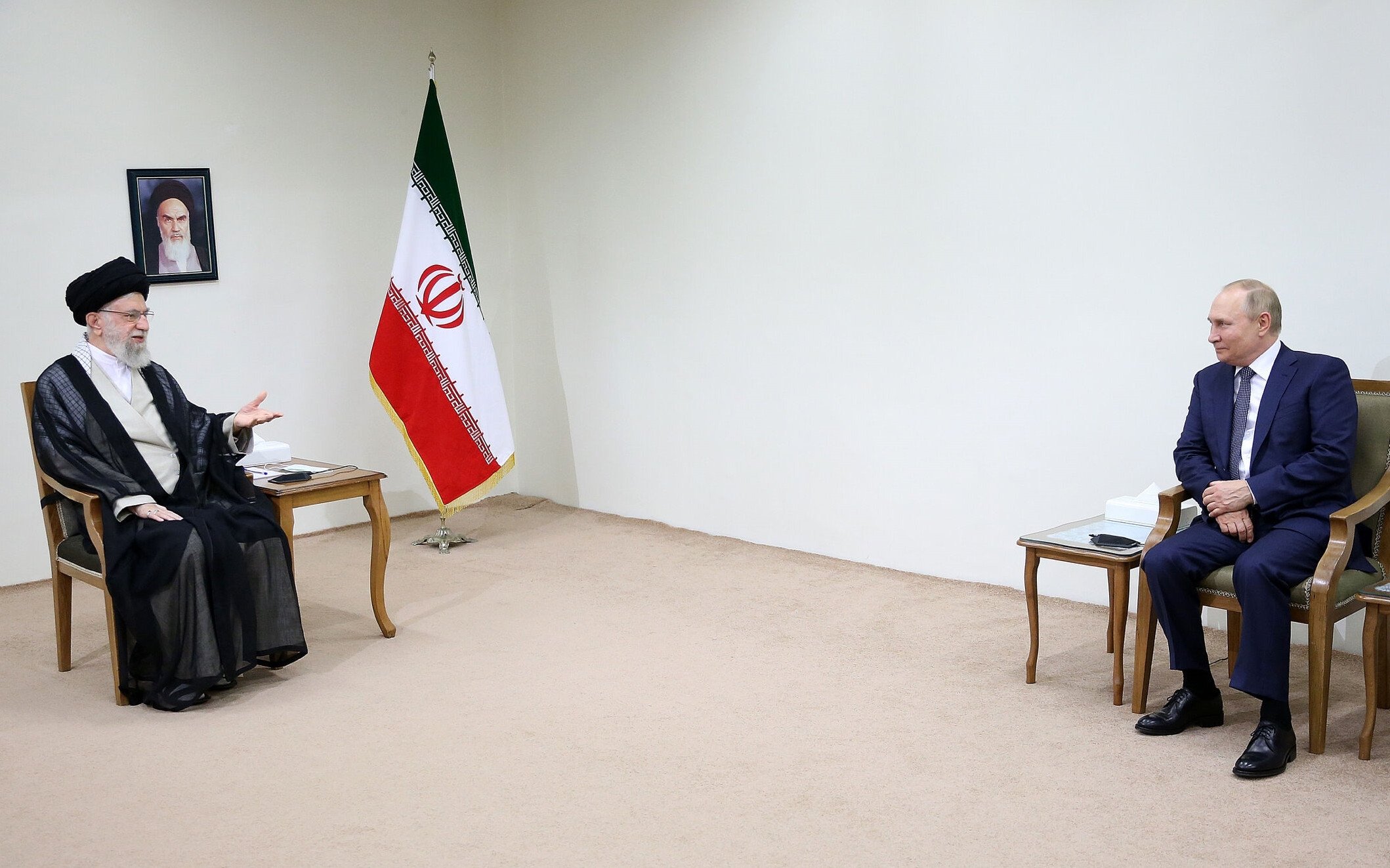
Russia has an interest in the regime maintaining its power in the region and will be watching closely; however, its response has been minimal. Iran is one of Russia’s remaining allies at this time, a key supplier of Shahed drones and other goods, and they purchase things like military jets from Russia as well. In addition, since the fall of Assad in Syria, Iran is essential for Russia’s influence in the Middle East. However, Russia did not assist Iran when it had its 12-day war with Israel, and, as seen in the case of Venezuela, it seems more focused on its war in Ukraine than assisting allies far away from home. It may offer little support, even if it would work against its own geopolitical interests.
What will happen next in Iran?
It is almost impossible to predict whether these protests will facilitate broader regime change or whether the US or another country will intervene militarily. However, at this time, these protests are sizable and ongoing, and repression continues.
Ukraine condemned Iran’s violent crackdown on mass protests and described the demonstrations as a reflection of the Iranian people’s desire for freedom, dignity, and a better future, calling the rising death toll a gross violation of human rights.
Discuss this article:


-c439b7bd9030ecf9d5a4287dc361ba31.jpg "Photo of Katherina Popilnichenko")
-72b63a4e0c8c475ad81fe3eed3f63729.jpeg "Photo of Cyril Barabaltchouk")