- Category
- World
Russia Is Building Su-35 Fighter Jets for Iran—Secret Files Reveal the Numbers and Delivery Timeline
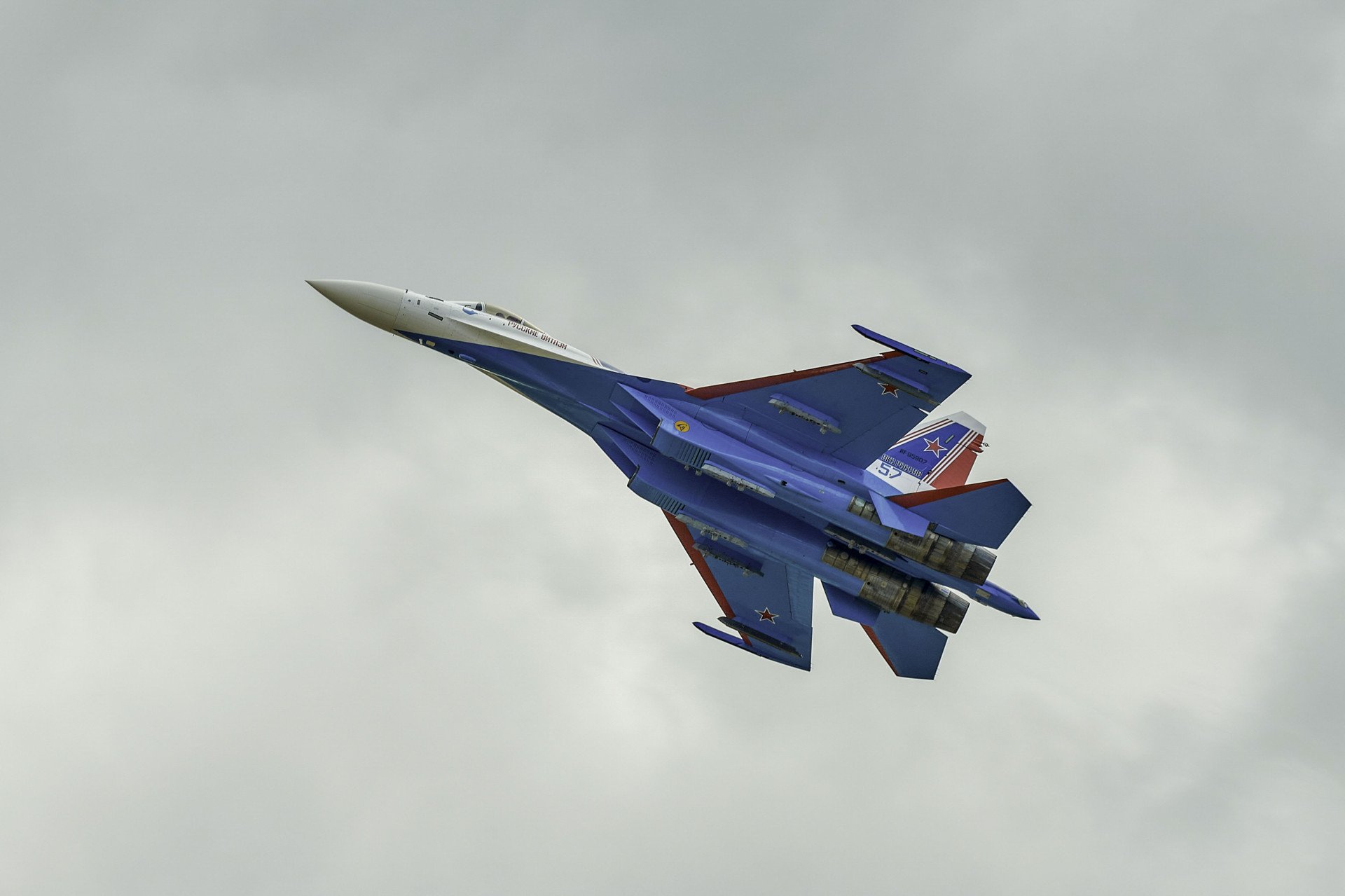
Russia is secretly building Su-35 fighter jets for Iran—and newly obtained documents prove it. This delivery could arm Tehran with up to 50 advanced aircraft by 2027, potentially reshaping regional security.
 Prefer U24 Media on Google
- Authors

-605be766de04ba3d21b67fb76a76786a.jpg "Joseph Place")
Russia promised to send Su-35 jets to Iran in 2021 and even hinted at supplying Su-57s, but many doubted the deal would survive Moscow’s full-scale invasion of Ukraine, its own battlefield losses, or internal economic strain. However, documents obtained by UNITED24 Media show that Russia is actively manufacturing these advanced fighter jets and coordinating across multiple defense plants to fulfill Iran’s order. In this investigation, we reveal those documents and explain what they tell us about the scale, timing, and geopolitical impact of this transfer.
The Su-35 fighter jet contract
The documents show different parts of Su-35s being requested to fulfil orders to Iran. The initial order for Su-35s was finalized in November 2023. These jets are multirole fighters that provide air superiority, bolstering Iran’s air force capabilities.
The documentation shows that a total of 16 Russian Su-35 jets are currently being manufactured for Iran. This figure reflects what is in active production; additional units may follow, and some may already have been completed.
Who is making the orders?
First, the orders are from aviation factories. This includes:
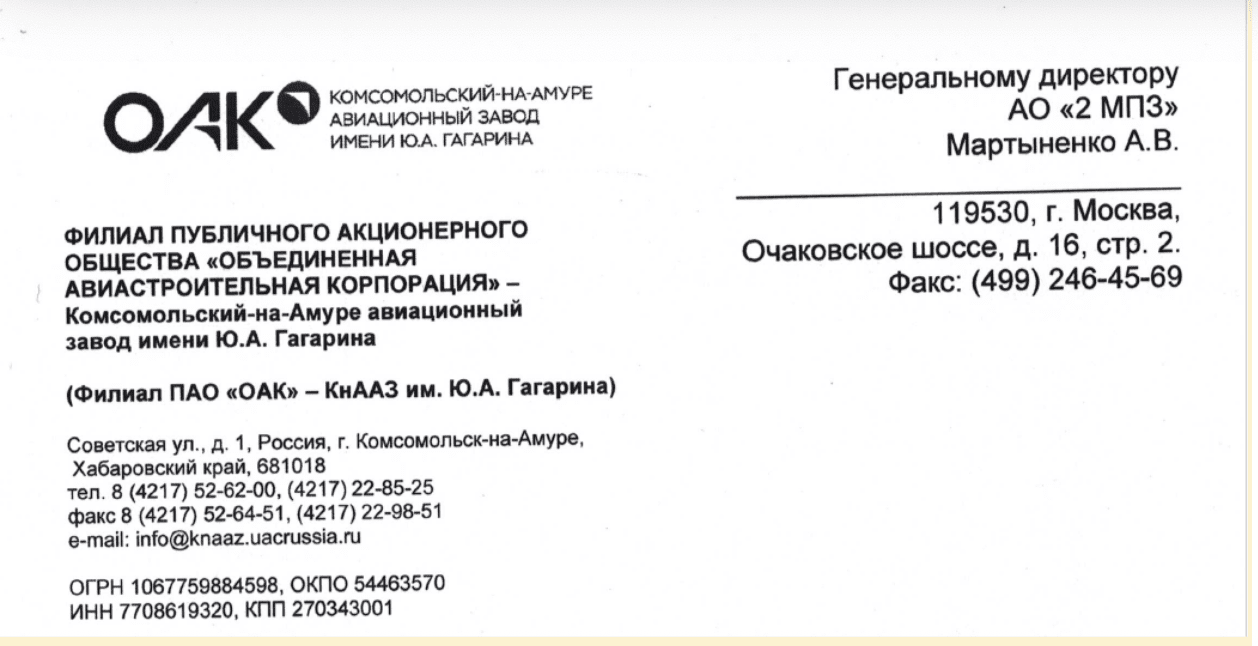
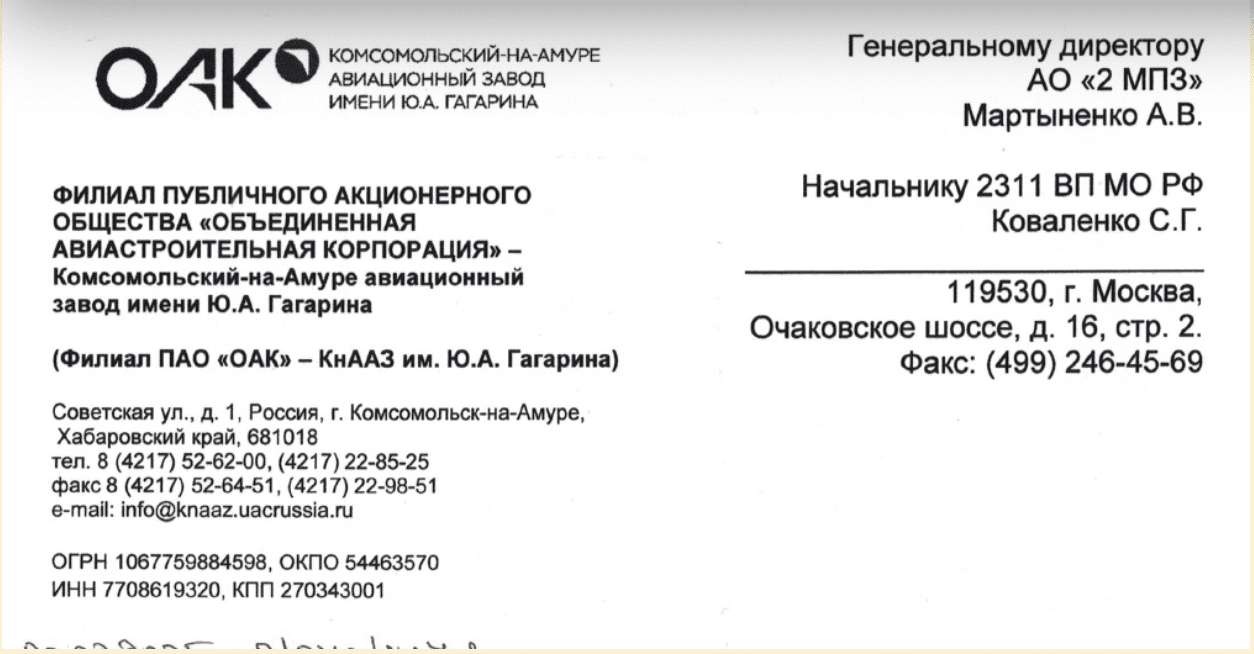
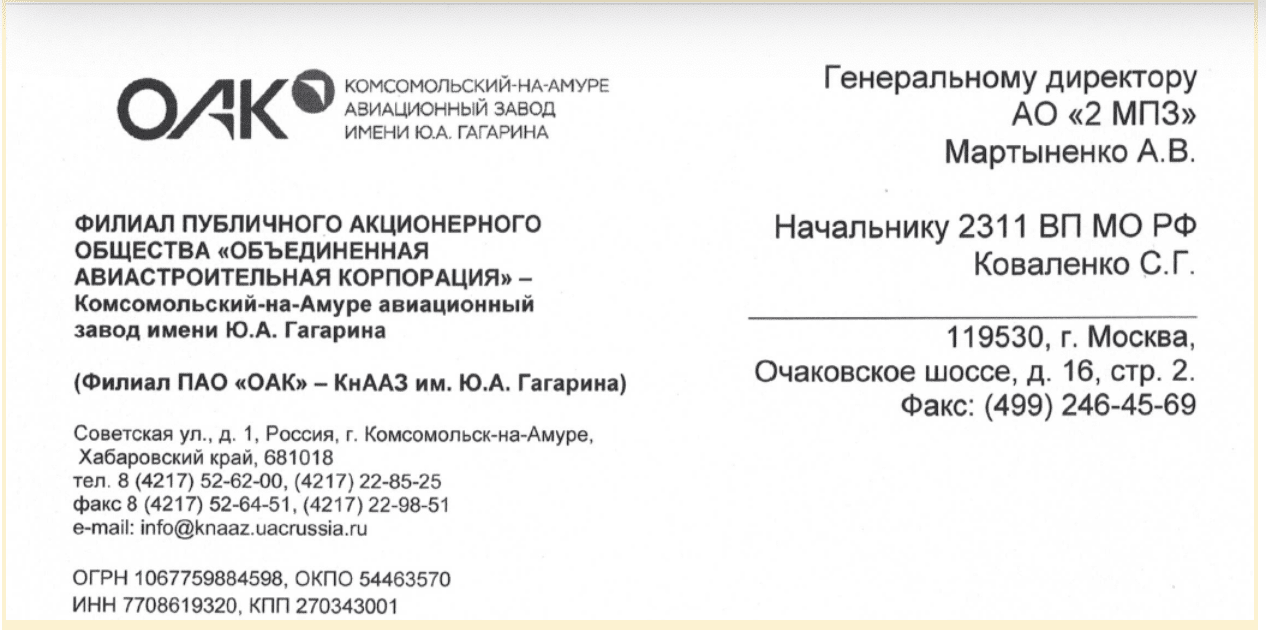
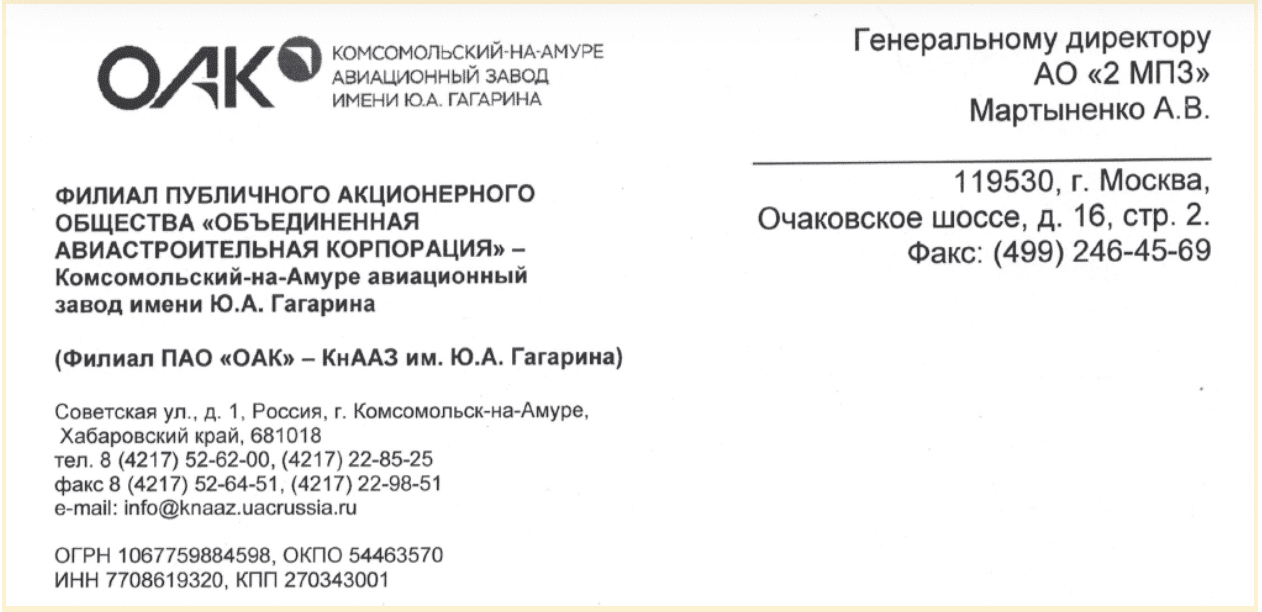
Yuri Gagarin Komsomolsk-on-Amur Aviation Plant (KnAAZ), which builds the Su-35s
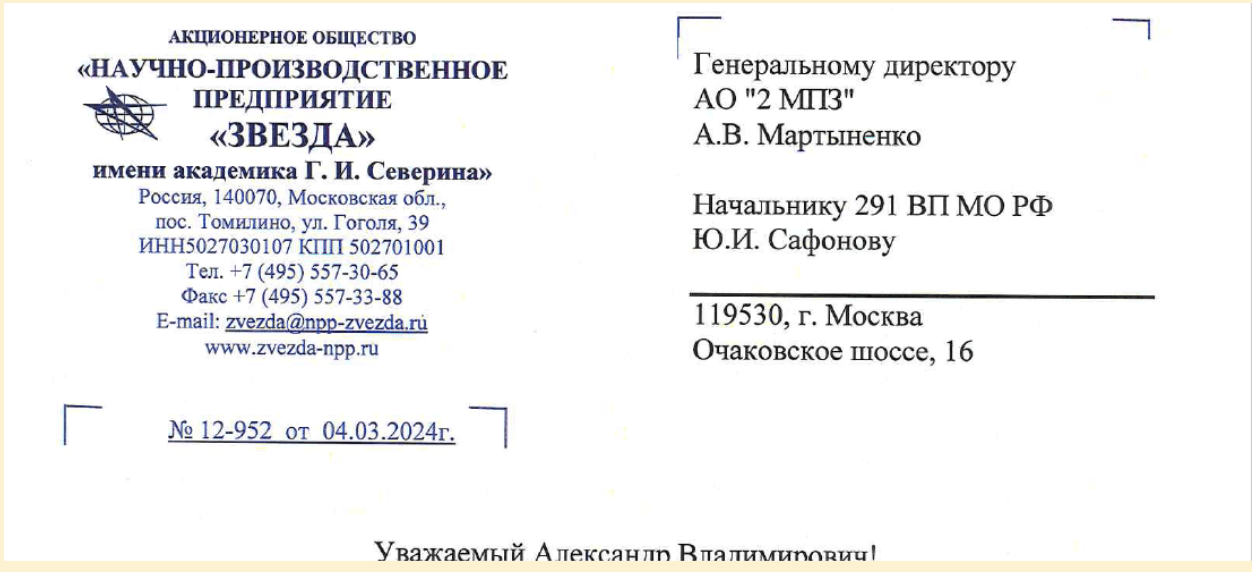
Zvezda Research and Production Enterprise (NPP Zvezda), which manufactures ejector seats
The Yakovlev Corporation (formerly Irkut Corporation), who handle export under the United Aircraft Corporation and manufactures jets
Who is receiving the orders?
The orders are sent to the Second Moscow Instrument-Making Plant (2 MPZ) and also reference military units 291, 485, 703, and 2311, which conduct quality assurance checks. All of these units belong to Russia’s Ministry of Defense (MoD). Therefore, the documents reflect internal coordination within the Russian military-industrial complex for the creation and delivery of military aircraft parts, with MoD inspectors overseeing production standards. We can confirm that, as a result, the parts being manufactured are not intended for civilian aviation or private buyers; they are fully controlled by the Russian military and designed for military aircraft.
What is being ordered?
The parts in the orders appear to be an array of sensors and components for the jet, including ejector seats.
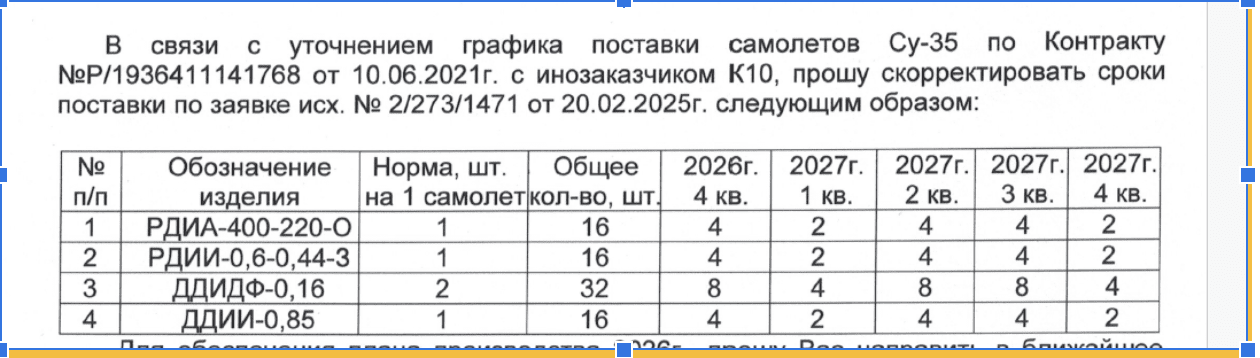
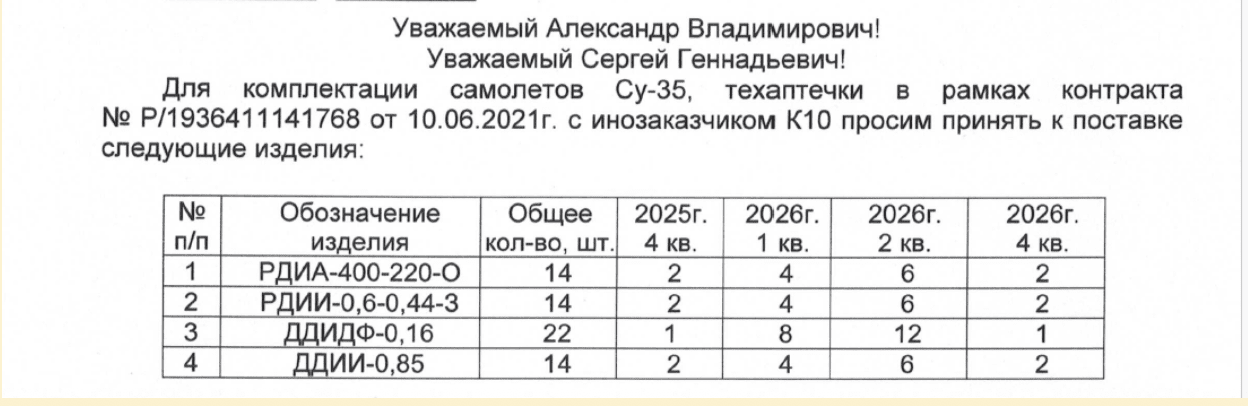
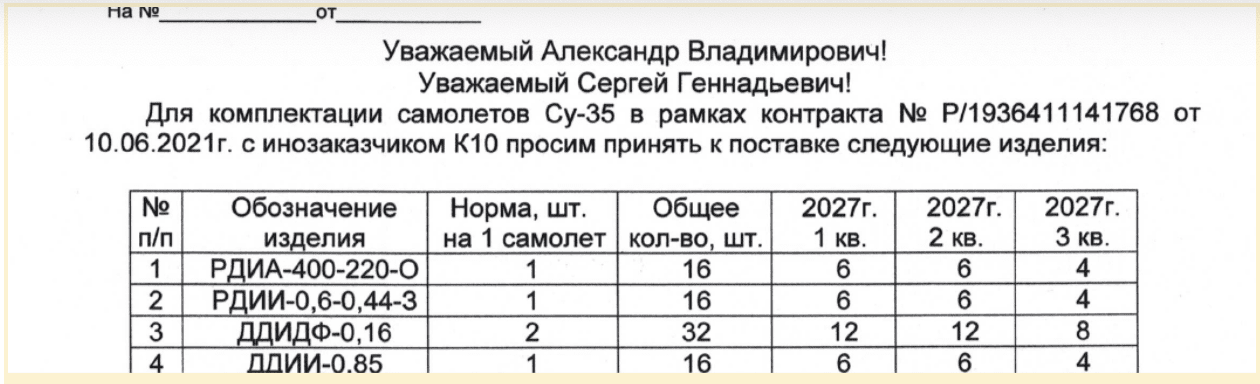
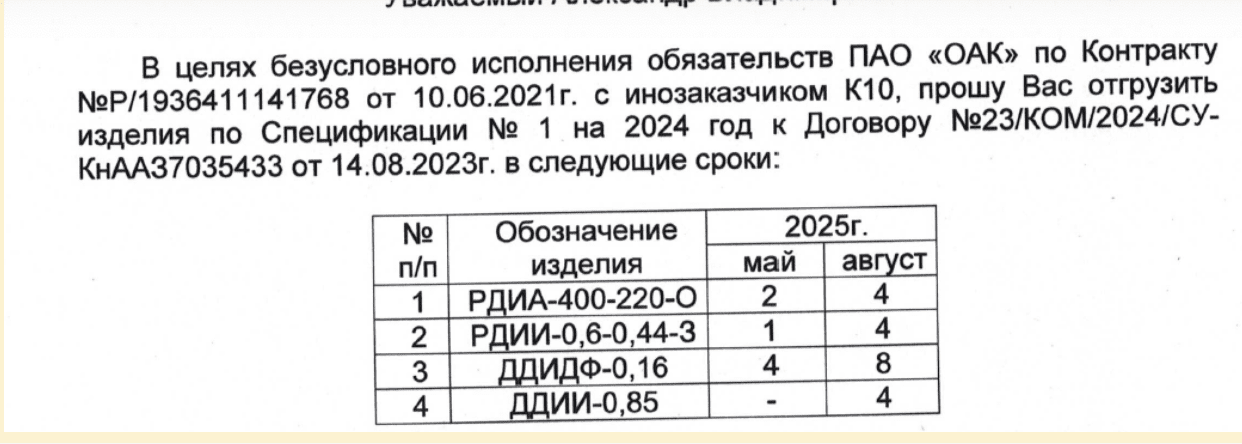
РДИА-400-220-О — RDIA-400-220-O: Based on naming conventions, it is likely an induction-type pressure or differential-pressure sensor used in an aircraft system (hydraulic, pneumatic, or fuel). The specific subsystem is not publicly documented.
РДИИ-0,6-0,44-3 — RDII-0.6-0.44-3: A differential pressure sensor/transducer used for monitoring pressure differences within aircraft systems. The exact application is not publicly documented.
ДИДФ-0,16 — DIDF-0.16: A low-range differential pressure sensor, most likely used in environmental control, fuel, or hydraulic monitoring circuits.
ДДИИ-0,85 — DDII-0.85: A differential induction pressure sensor. Publicly listed in Russian aviation catalogs, it measures the pressure difference between two points in an onboard system.
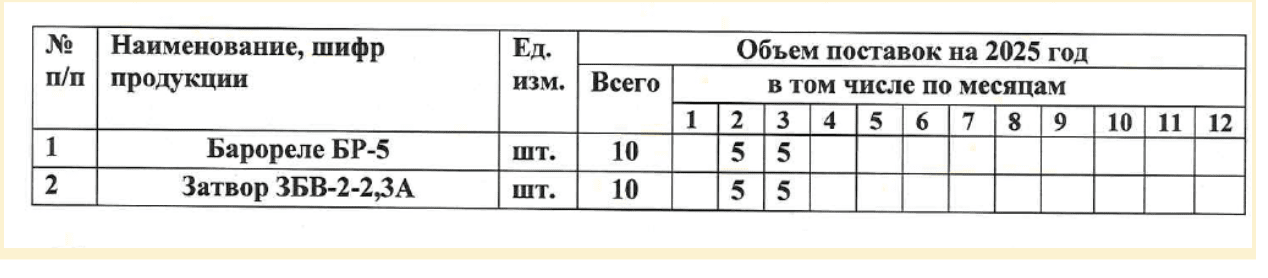
Барореле БР-5 — Barorele BR-5: A barometric relay used in K-36 ejection seats to trigger altitude-dependent safety functions such as parachute deployment or seat-man separation.
Затвор ЗБВ-2-2,3А — Zatvor ZBV-2-2.3A: A mechanical shutter/valve/locking unit used in K-36 ejection seat systems. It likely manages gas or pressure flow during the ejection sequence.
How do we know it is for Iran?
Everything being ordered is configured for export: English-language labeling, English-language technical passports, an “Anglo-Saxon” measurement system, and requirements that the items must be recently manufactured. This all indicates that it is intended for a foreign partner. Note also that it uses the term “Anglo-Saxon,” a favorite term of the Russian state propaganda. Its appearance in internal production paperwork shows how deeply propaganda permeates the Russian military-industrial system.

However, we can identify the customer. All documentation refers to customer “K10” across them, but in one document, “K10” is specifically named “Iran”. This leaves no doubt as to who the order is for. This means we can identify that Russia is specifically creating Su-35s and acquiring the above-mentioned parts for them. We also know that it is one client because there is a single unified order number, “P/1936411141768” (this is in Russian Cyrillic, so it is R/1936411141768 in English).

When were these orders made?
We can also see that these documents are all dated between 2024 and 2025, indicating that the order is being fulfilled and the process has been ongoing. There is no indication that Russia intends to slow its military production for its allies, nor has it done so during the full-scale invasion despite Russia’s own need for jets in its invasion and attacks on Ukrainian military and civilians, mounting economic woes, or the prospect of future peace talks.
This matters because many reasonably assumed that Russia might delay or cancel the orders for jets from Iran. Iranians themselves doubted these jet deliveries in 2023, with Brigadier General Hamid Vahedi—Iran’s air force commander—saying. “Regarding the purchase of Su-35 fighter jets [from Russia]—we need them. But we do not know when they will be added to our squadron. This is related to the decision of [Iran’s] high-ranking officials.”
In addition, Russia failed to assist Iran when the latter faced a 12-day conflict with Israel, leaving questions about the nature of the relationship. Nonetheless, we see that Russia wants to fulfill Iran's order and maintain a productive relationship.

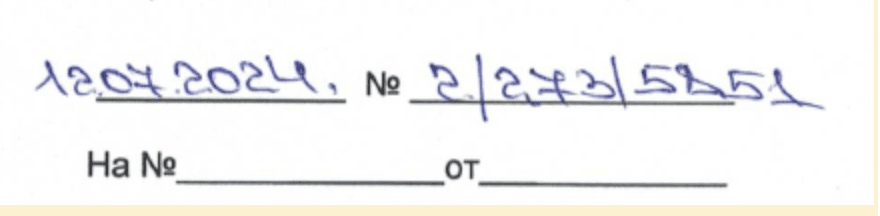
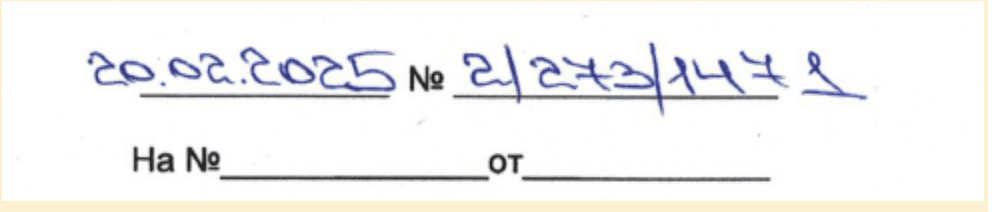
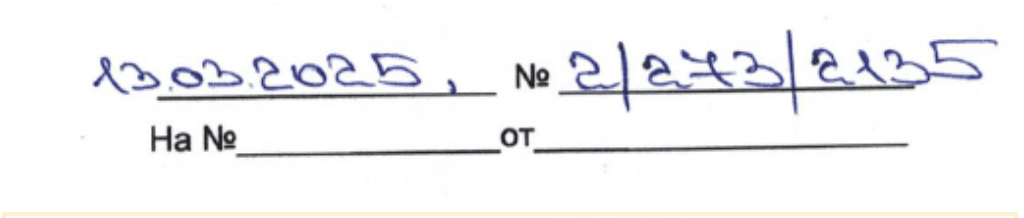
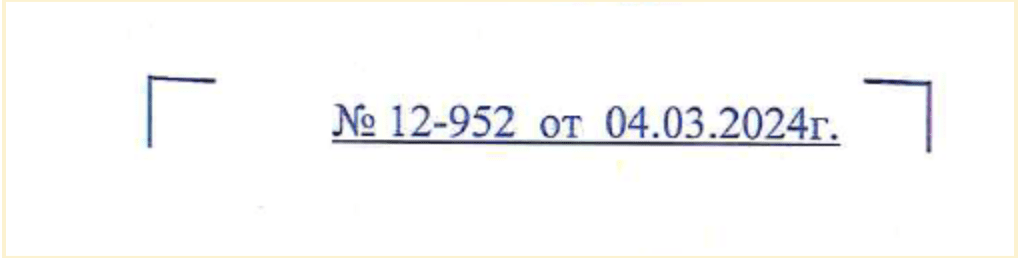
The orders are to be fulfilled from 2025 to 2027, as evidenced by the documents. This means that within two years, Iran’s air force will be strengthened by these modern jets. Some jets should have already received the parts earlier this year, and may be ready for delivery, as indicated by older documents.
Notably, the documents indicate that the order was paid in full on the following dates: March 7, 2024, July 22, 2024, and December 26, 2024. This means the payments were made after the initial order of Su-35s was finalized.

Overall, we can conclude that all 16 are expected to be created and delivered to Iran by 2027. In summary:
Russia produces 16 Su-35 aircraft for Iran.
Russia is currently capable of producing Su-35 aircraft.
Multiple major Russian military-industrial factories are involved.
All parts are export-configured and intended for a foreign partner, identified as Iran.
Full prepayment from Iran has already been made.
Russian MoD inspectors supervise and certify the process.
The documents confirm internal coordination across the Russian aerospace sector.
Deliveries run from 2025–2027, meaning Iran will have increased air capability by 2027.
How advanced Russian technology in Iran could shift the balance of power
Iran and Russia have had a close relationship for a significant time. Iran’s most notorious contribution to Russia has been the Shahed drones, which deliver terror routinely to Ukrainian cities. Iran has also supplied Russia with short-range missiles and other equipment since 2022. Now we can see that Iran will also be bolstered by Russia.
Note that there is no full military alliance or mutual defense between the two countries, and in many ways, Russia’s interests have been strategic and not always consistent. Nonetheless, Russia has recently signaled a willingness to deepen ties, with Kremlin spokesman Dmitry Peskov calling Iran a “dynamic partner.” Despite a lack of Russian assistance when Iran had a 12-day conflict with Israel, their relationship appears to be strengthening. For example, this includes economic investment from Russia, Russian assistance in Iran’s nuclear program, and other shared military and intelligence activities. The continued cooperation regarding the Su-35s further demonstrates this close relationship.
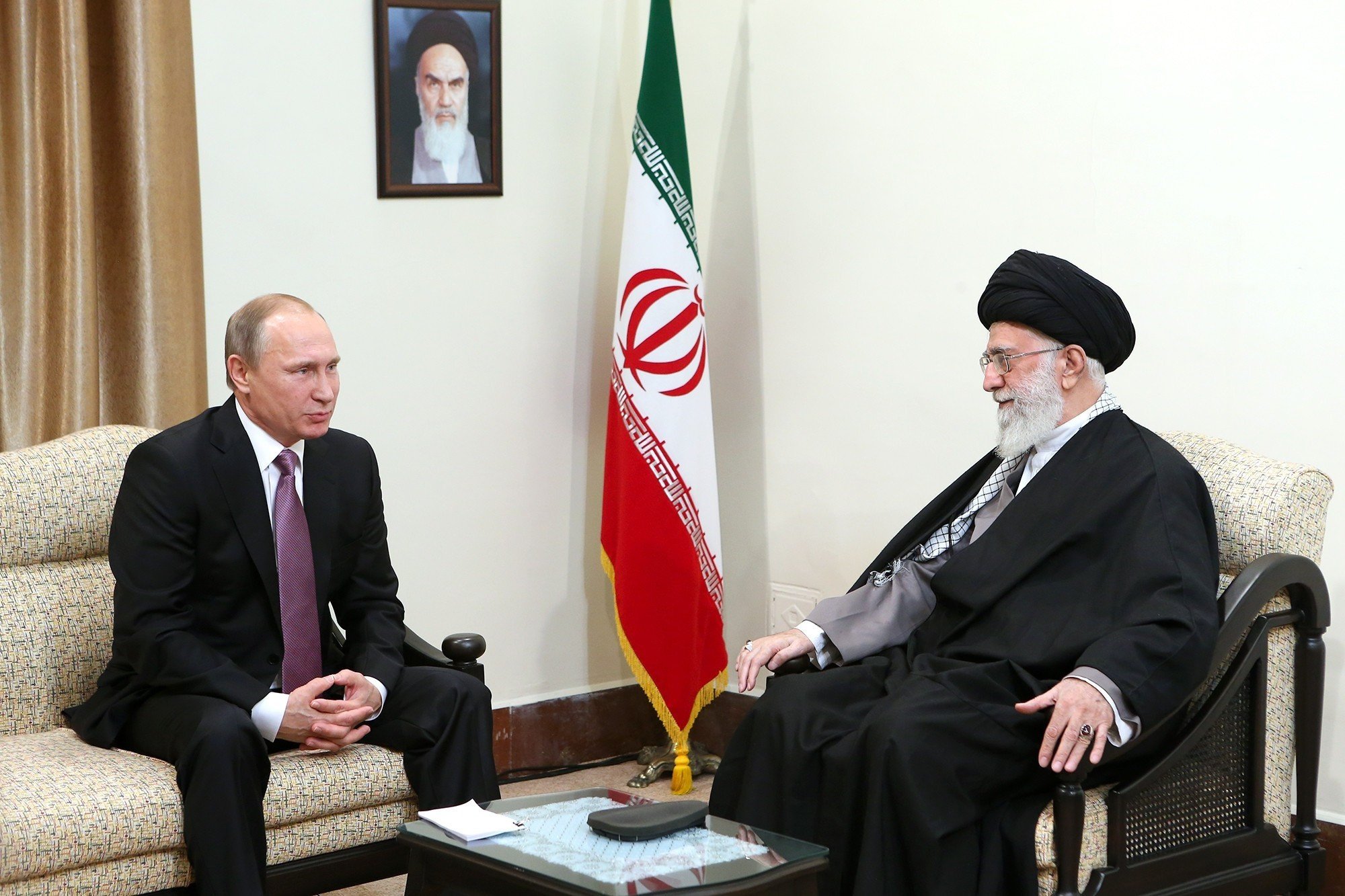
The first risk is that Iran will have increased military capability in its region. It has had a presence in many neighboring countries. For example, in Syria, it previously backed the now exiled Assad regime. Additionally, it uses proxies in Lebanon and Gaza, as it has close ties with Hezbollah and Hamas, consistently supplying both with weapons, intelligence, money, and training. The increase in jet capabilities could potentially bolster both Iran’s defensive and offensive capabilities, signaling its intent to maintain and solidify a strong presence in the region.
Secondly, this could draw ire from its geopolitical rivals in the region, such as Israel, but it could also jeopardize the stability Iran has achieved with Saudi Arabia, both of whom have engaged in “proxy wars” against each other, such as in Yemen. Iran recently sought assistance from Saudi Arabia to restart nuclear talks. However, some worry that Russian aid to Iran could give it greater influence in the Arabian Peninsula and ultimately destabilize the region.
We bring you stories from the ground. Your support keeps our team in the field.
Another result will be the influx of income into Russia’s war machine from potential future purchases from not only Iran but also other prospective buyers, because the money for these jets has already been received. While Russia’s war fund remains sizable and growing despite its increasing domestic economic woes, such as declining oil production, inflation, and lower living standards, any additional source of income will be welcome to the Kremlin. Future sales could further enhance Russia’s influence, reputation, and alliances abroad, as well as its military-industrial complex. We may see more being sent in return to Russia, risking not only Ukrainian lives who suffer at the hands of drone attacks, but potentially other nations in Europe who have experienced drone attacks from Russia, such as Poland, Romania, and even Germany.
Why vigilance is crucial
The wider risk is that such Russia-Iran alliance emboldens a broader axis not only against Ukraine but against democratic nations in general, told us Cormac Smith, a former advisor to the Ukrainian Foreign Minister and an adviser attached to the National Security and Defense Council of Ukraine and the NATO mission.
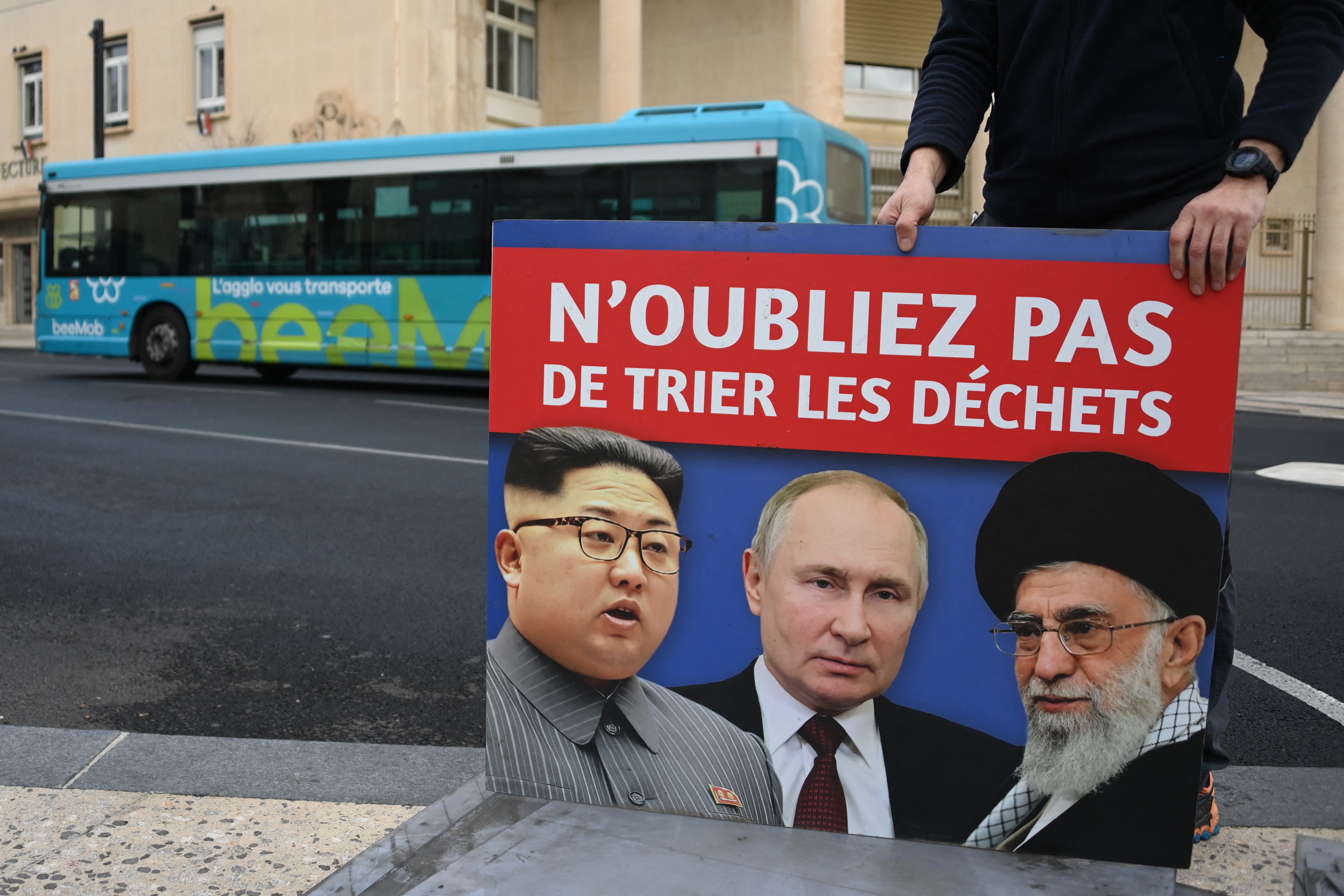
“What we see is what some have called the Axis of Evil or Axis of Upheaval,” said Smith. “We know Iran, along with North Korea and China, has been providing lethal aid to Russia. Artillery shells from North Korea, not to mention their soldiers, Shaheds from Iran, and weaponry from China as well. Russia has also backed Hamas alongside Iran. What this deal shows, with Russia supplying modern jets to Iran, is a tightening of this alliance. The alliance is growing stronger, and it is a fundamental threat to not only Ukraine but also Europe, the world, and the rules-based order. Others and I have said before that the wolf is at our door, but now it is in our house.”
As for how the West should respond, Smith outlined three steps he believes Europe—and, more broadly, the democratic world—must take.
“One is to unfreeze the 140 billion euros in frozen assets, which is more than what the United States has given since 2022,” he said. “Second is to arm Ukraine to the teeth, specifically with weapons that have not yet been sent—Taurus from Germany, for example—as these long-range missiles will immeasurably help.”
Those long-range missiles are directly connected to his third point: Russia’s oil revenues. “We need to stop the shadow fleet and target the secondary sale of oil to cut off the billions that Russia gets every month. This can help prevent Russia and Iran—and their other allies, such as North Korea—from destabilizing global security by weakening their war machine and economic strength.”
The impact measures would be to weaken Russia's and Iran's capabilities, thereby tempering the risk of escalation. Iran has served as a major destabilizing force in the Arabian Peninsula. Increasing capabilities, with these jets and potentially more weaponry, could further encourage its strength.
Discuss this article:

-c439b7bd9030ecf9d5a4287dc361ba31.jpg "Photo of Katherina Popilnichenko")