- Category
- World
Russia’s Record Surge in Airspace Violations in 2024–2025 and NATO’s Response
Russia’s violations of NATO airspace have surged in the past month, raising alarm across the Alliance. From Russia’s drone attacks on Poland to fighter jet incursions over Estonia, the question remains: how far is Russia willing to push, and how will NATO respond?
 Prefer U24 Media on Google
- Authors

-f88628fa403b11af0b72ec7b062ce954.jpeg "Photo of Amira Barkhush")
Throughout 2024 and 2025, multiple NATO countries have reported violations by Russian military drones and fighter jets—even triggering NATO’s Article 4. These actions are prompting discussions on how NATO should address the growing threat to European airspace.
“Russia is testing how far it can go,” said Ukrainian President Volodymyr Zelenskyy during the Warsaw Security Forum, calling for the creation of a joint air defense system involving Ukraine, Poland, and other regional partners to counter Russia’s escalating aerial threats.
“It wants to shift attention away from the brutal war it continues against Ukraine. Then come the voices asking if Ukraine gets ‘too much’ support, or if Russia would calm down with less attention to Ukraine. These are false voices. Almost all security threats in Europe today come from Russia’s destructive actions, from the war Putin refuses to end.”
How many times has Russia violated NATO airspace in the past two years?
Russia violating airspace in 2024–2025
Poland
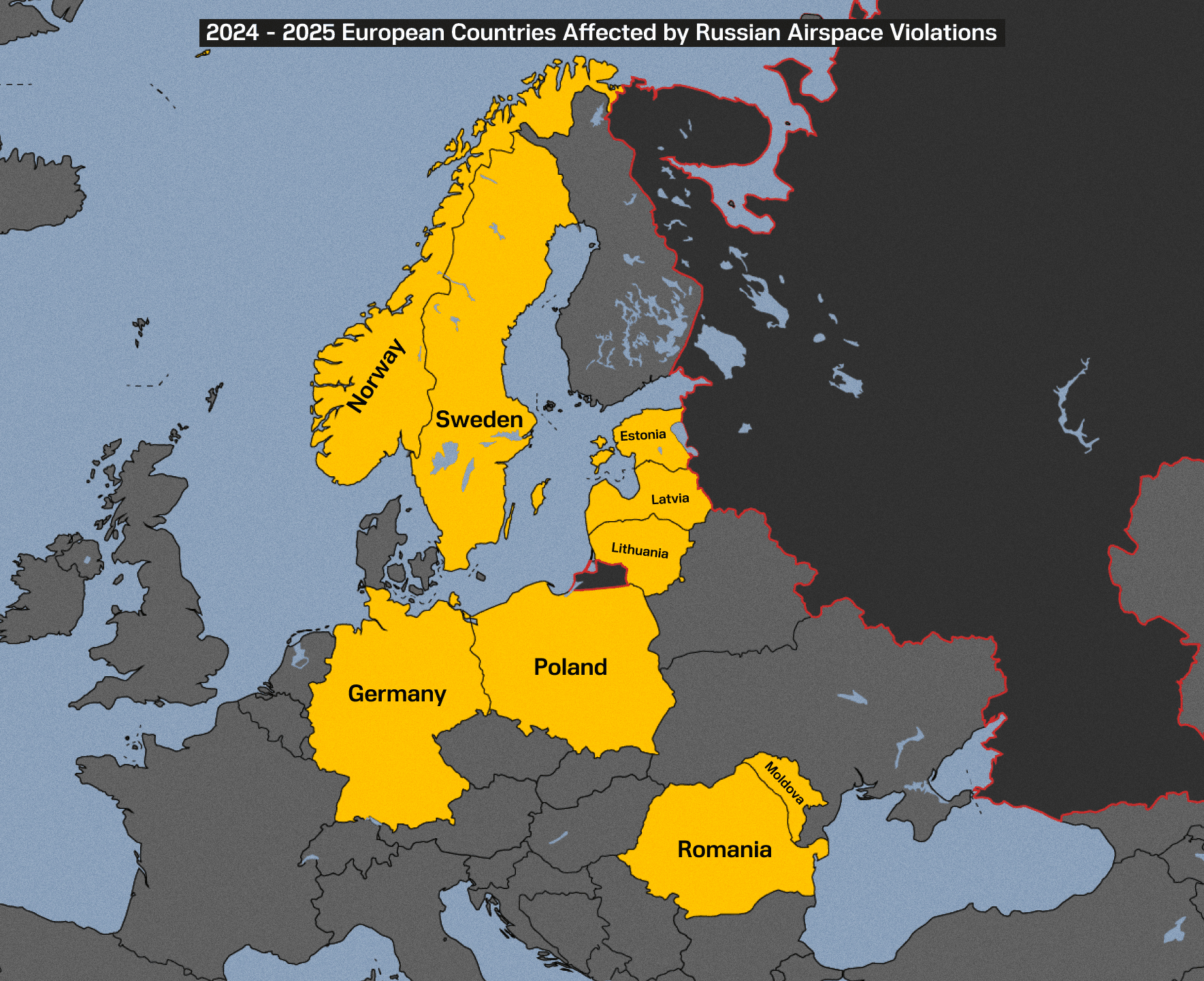
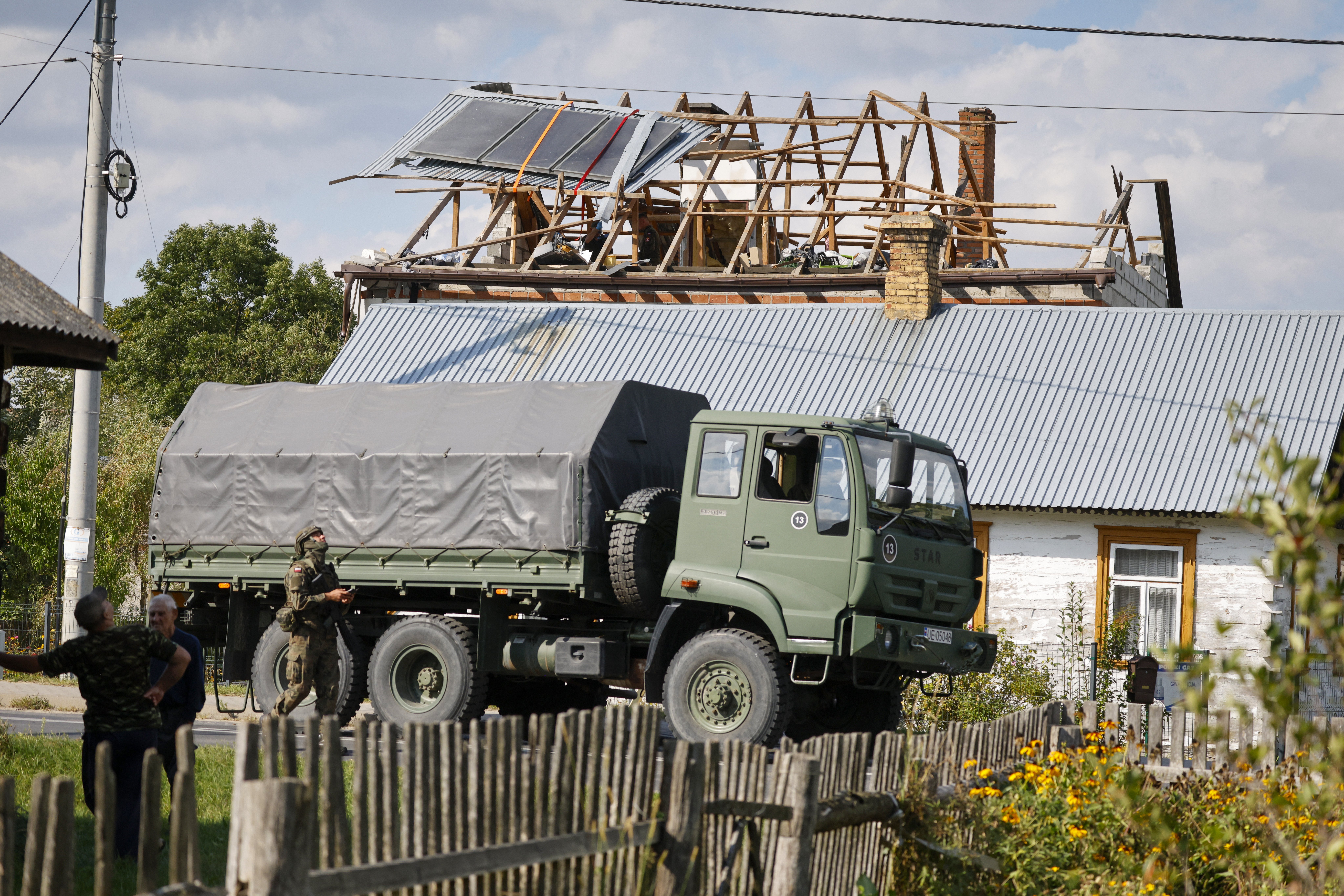
Over the past two years, Russian drones and jets have violated Polish airspace on at least six occasions. Notable incidents include:
September 19, 2025: Two Russian fighter jets breached the safety zone of the Petrobaltic drilling platform in the Baltic Sea.
September 10, 2025: Russian drones violated Polish airspace 19 times in a deliberate action, according to the Polish Air Force and NATO.
August 20, 2025: A Russian drone crashed and exploded in the village of Osiny about 100 km from the Ukrainian border.
April 25, 2025: A Russian military helicopter from the Baltic Fleet violated Polish airspace.
February 11, 2025: A Russian Su-24 fighter jet entered Polish airspace near Gdańsk Bay for over a minute.
March 24, 2024: A Russian cruise missile crossed into Polish airspace near Oserdów during a large-scale airstrike on Ukraine.
Estonia
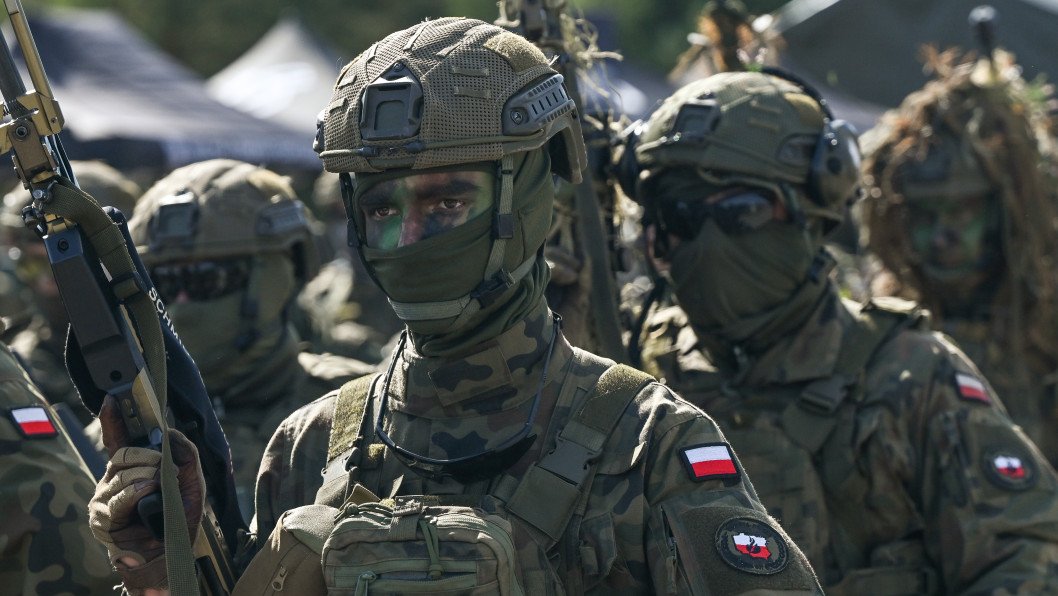
Russia violated the skies of all three Baltic states. On September 19, 2025, three Russian MiG-31 fighter jets breached Estonia’s airspace for 12 minutes, flying over the Gulf of Finland. The Estonian Foreign Affairs Ministry summoned the Russian Chargé d’Affaires to protest the violation, where Russia denied any wrongdoing.
“Russia has already violated Estonia’s airspace four times this year, which in itself is unacceptable,” said Foreign Minister Tsahkna. “But today’s incursion, involving three fighter aircraft entering our airspace, is unprecedentedly brazen. Russia’s increasingly extensive testing of boundaries and growing aggressiveness must be met with a swift increase in political and economic pressure.”
Lithuania
Lithuania has also experienced incursions by Russian-made drones from Belarus. In July 2024, several drones crossed into Lithuanian airspace. Foreign Affairs Minister Kęstutis Budrys warned that these repeated incidents were a sign of Russia’s aggression spilling over onto NATO territory.
“We cannot compromise the security of our country and citizens,” he said, “nor the integrity of NATO airspace. We must remain vigilant, as the threat is real and growing.”
Last Monday, a Russian military drone violated Lithuanian airspace. This marks the second such incident in less than a month. Similar airspace violations have also been reported recently by other Allies.
— Kęstutis Budrys (@BudrysKestutis) August 5, 2025
These repeated incidents represent an alarming sign of the spillover of…
Latvia
Latvia has reported multiple drone incursions, including:
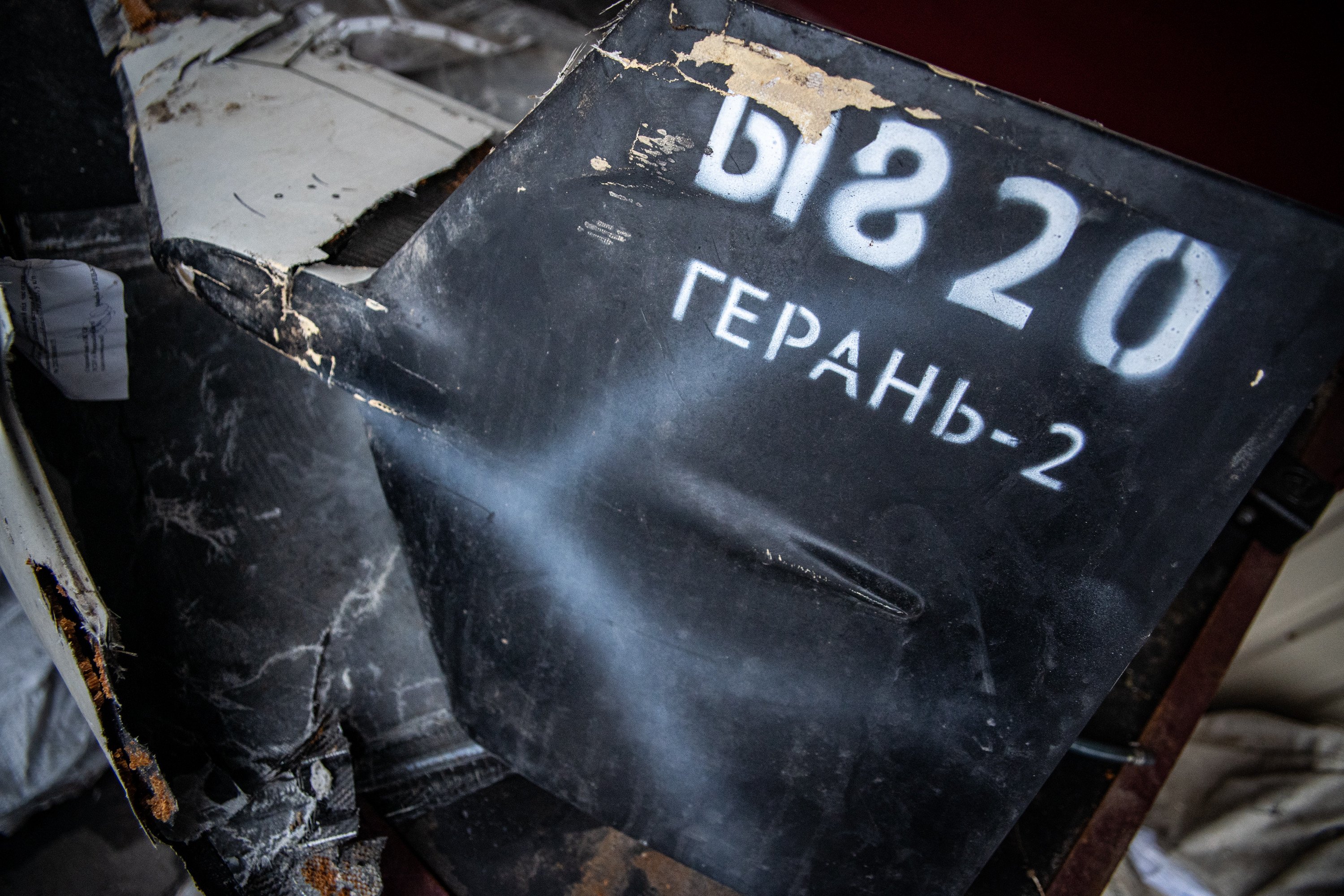
September 18, 2025: Fragments of a Russian Gerbera drone were found on a western beach near the Baltic Sea.
September 7, 2024: A Russian military drone crashed in eastern Latvia.
Norway
Norway reported three violations of its airspace by Russian military aircraft between April and August 2025, marking the first such violations in a decade:
April 25, 2025: A Russian Su-24 fighter jet entered Norwegian airspace northeast of Vardø for about four minutes.
July 24, 2025: A Russian L-410 Turbolet aircraft crossed into Norwegian airspace near the land border in eastern Finnmark for approximately three minutes.
August 18, 2025: A Russian Su-33 fighter jet violated Norwegian airspace over the Arctic Barents Sea for about one minute.
Despite not knowing whether this was intentional or caused by navigation errors, Norwegian Foreign Minister Espen Barth Eide stated that Moscow still carries the responsibility of avoiding misunderstandings. If Russia were deliberately challenging the airspace of multiple countries, then it would be a serious matter, he added.
Sweden
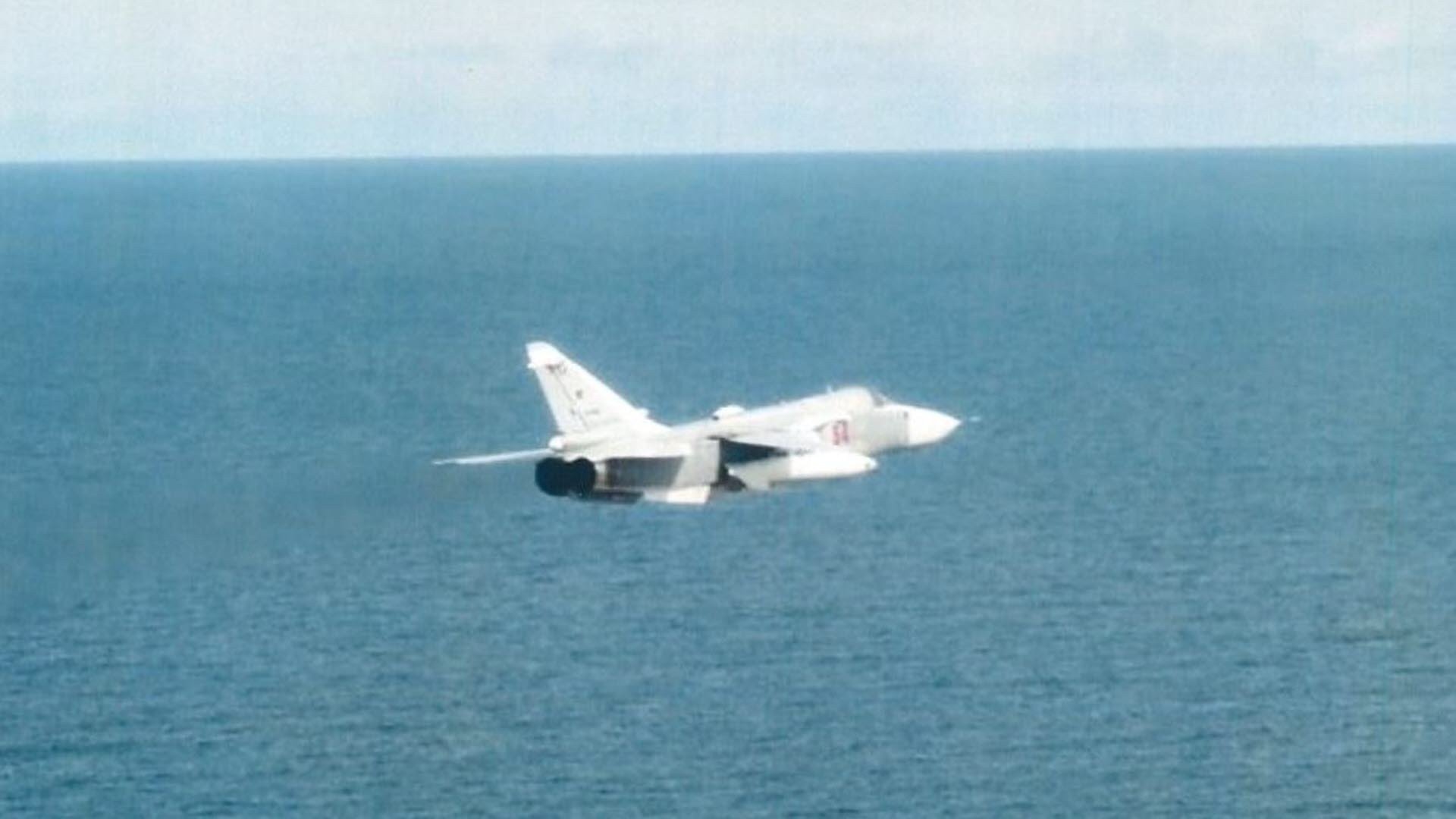
In June 2024, a Russian Su-24 bomber violated Swedish airspace, flying near the strategic Baltic Sea island of Gotland. The bomber ignored initial warnings and only departed after Sweden deployed two JAS-39 Gripen fighters.
Romania
Romania has also faced airspace violations, particularly from Russian drones:
September 13, 2025: A Russian Shahed drone entered Romanian airspace, staying for nearly 50 minutes before returning to Ukraine.
September 8, 2024: A Russian drone violated Romanian airspace, with the Romanian National Defense Ministry confirming the breach.
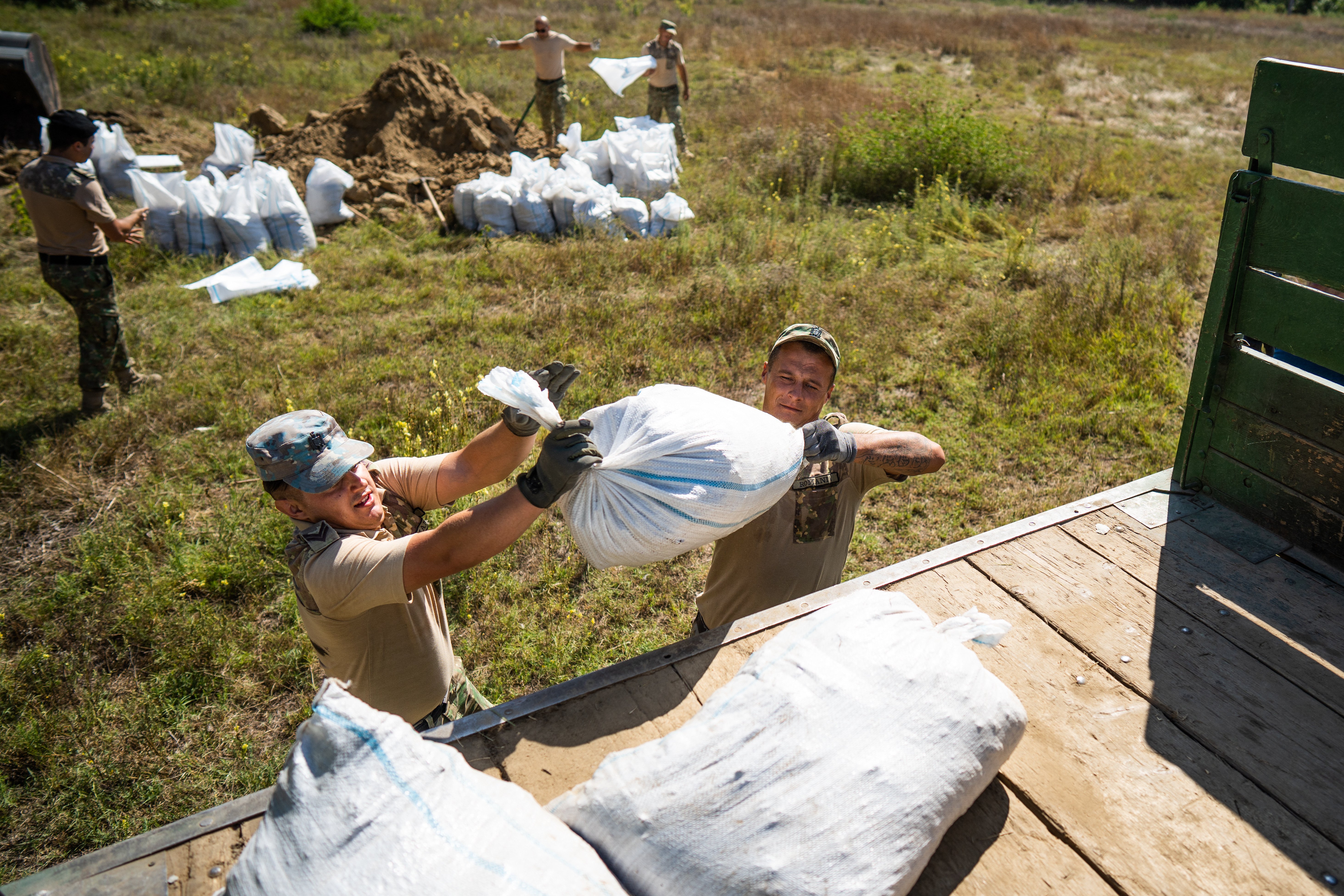
The Ministry issued a “strong message of condemnation” on September 27, 2024, following yet another Russian drone attack on Ukrainian facilities and civilian infrastructure near the Romanian border. During the attack, Romania’s radar surveillance system detected a brief violation of its airspace, with one of the drones potentially crossing into Romanian territory near the border for less than three minutes.
Drone wreckage was also found on Romanian land on several instances, including in July 2024 and January 2025.
Moldova
Russia’s drones have violated Moldova’s airspace multiple times, including on February 13, 2025, when two Russian drones entered Moldovan airspace and exploded on its territory, as reported by President Maia Sandu.
Russia’s war on Ukraine crossed into Moldova again. Shahed drones violated our airspace, two exploded on our soil, putting Moldovan lives at risk.
— Maia Sandu (@sandumaiamd) February 13, 2025
Russia respects no borders, attacks civilians, spreads terror. Its war on Ukraine is criminal. Leave us, peaceful nations, alone. pic.twitter.com/6PYD8oKkIz
Germany
A Russian reconnaissance aircraft entered NATO airspace on March 27 without an active transponder signal. German fighter jets from Laage Air Base intercepted the aircraft, escorting it until it turned back toward Kaliningrad.
The incident occurred east of the island of Rügen, where German interceptors identified and monitored the unauthorized aircraft until it left NATO-controlled airspace.
Recent unidentified drones
Denmark
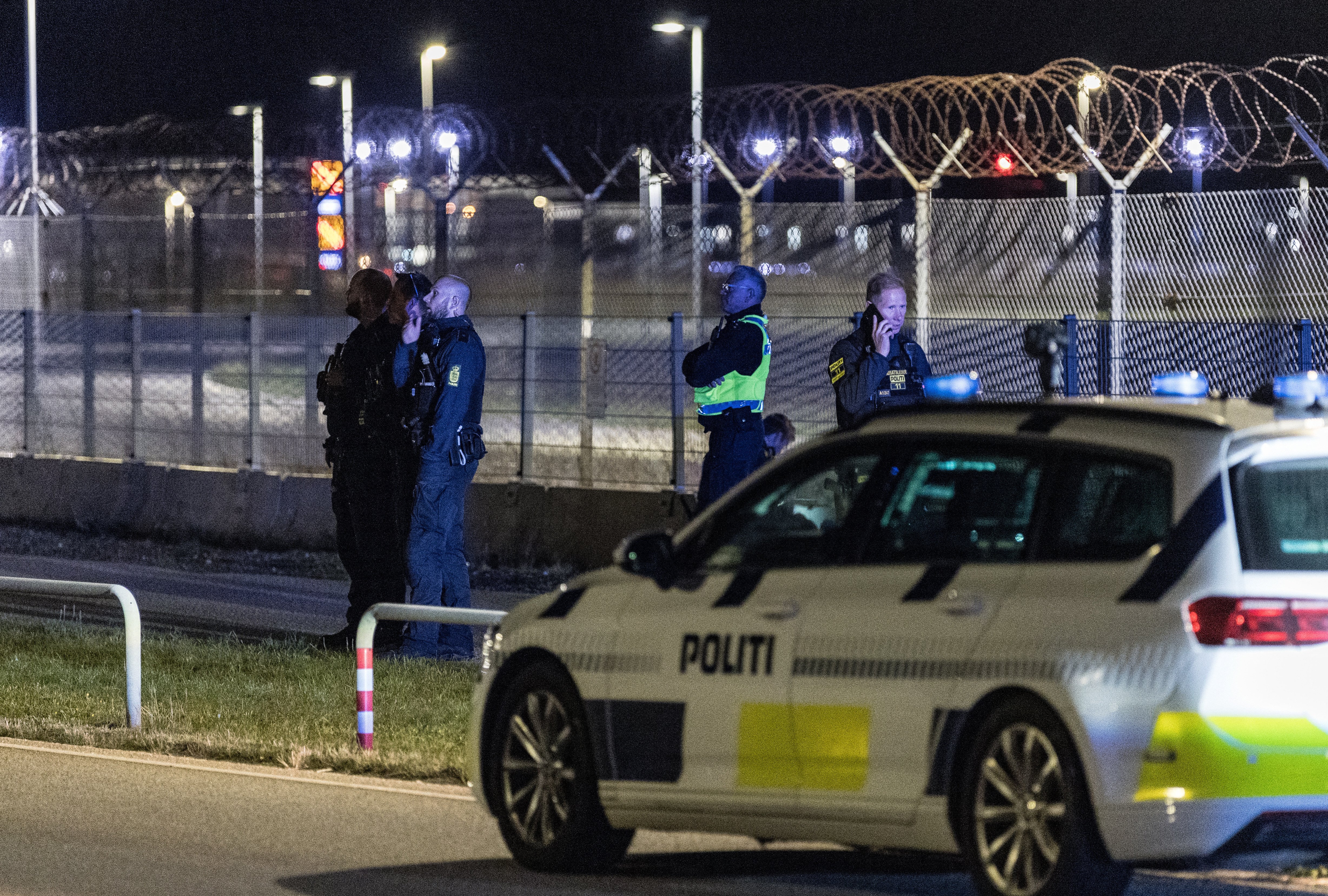
In September 2025, Denmark and Norway experienced a series of drone incursions that disrupted air traffic and heightened security concerns.
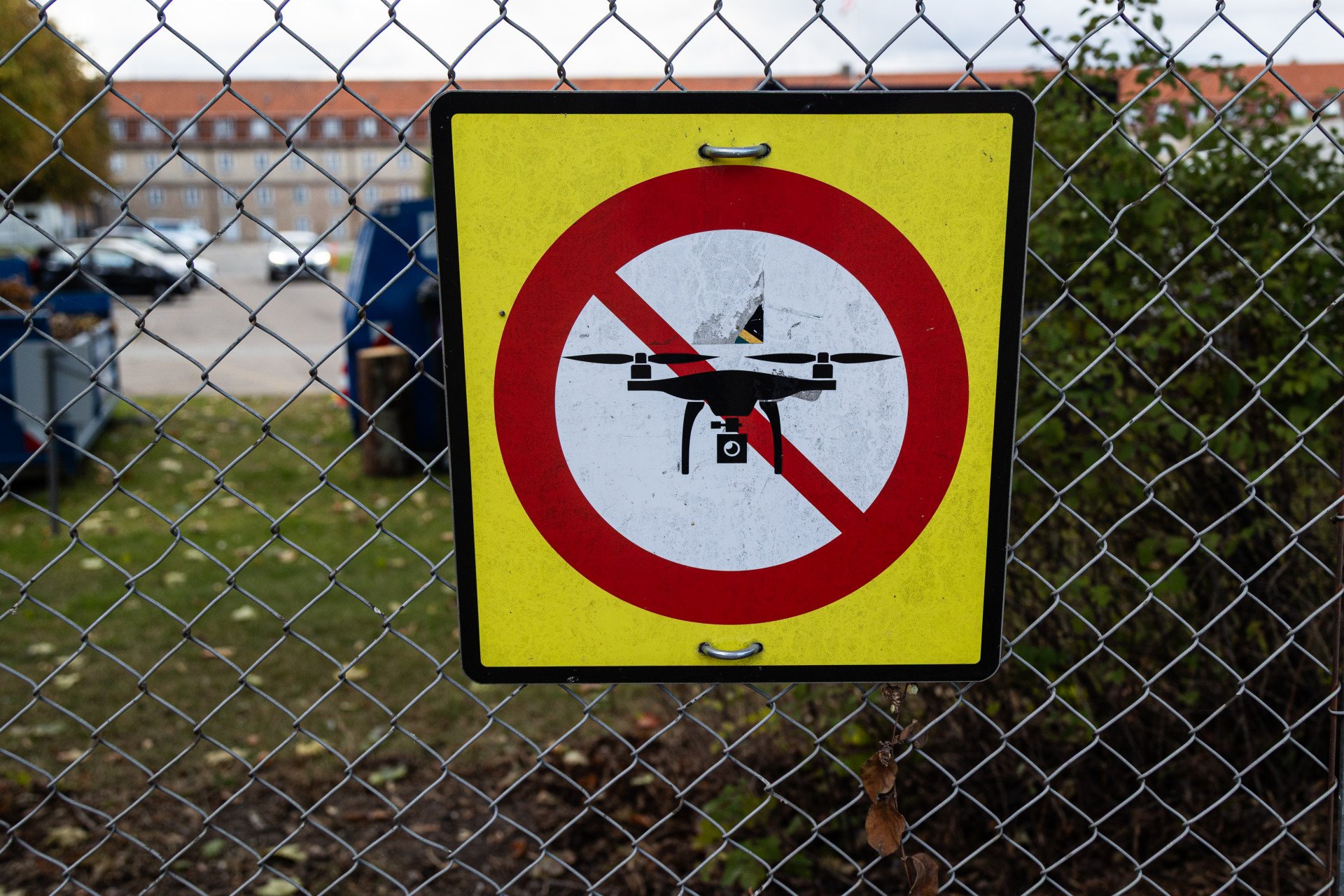
Between September 22 and 28, multiple drone sightings were reported over key infrastructure in Denmark, including Aalborg, Esbjerg, Sønderborg, and Skrydstrup airports, as well as near military facilities such as Karup Air Base. These incidents led to temporary closures of several airports, including a nearly four-hour shutdown of Copenhagen Airport on September 22.
Authorities described the drone activity as a “systematic” and “professional” hybrid attack, suggesting involvement by a “capable actor.” While no direct evidence linked these incidents to Russia, the timing and nature of the incursions raised suspicions.

Norway
Oslo Gardermoen Airport was closed on September 22, 2025, for about three hours due to drone activity. Although no direct connection was established between the Norwegian and Danish incidents, the similarities in the events prompted concerns about potential coordinated hybrid threats.
The Norwegian Armed Forces observed drones over Troms and Finnmark on September 28, with a plane traveling from Oslo to Bardufoss forced to turn back due to the presence of the drones.
Bulgaria
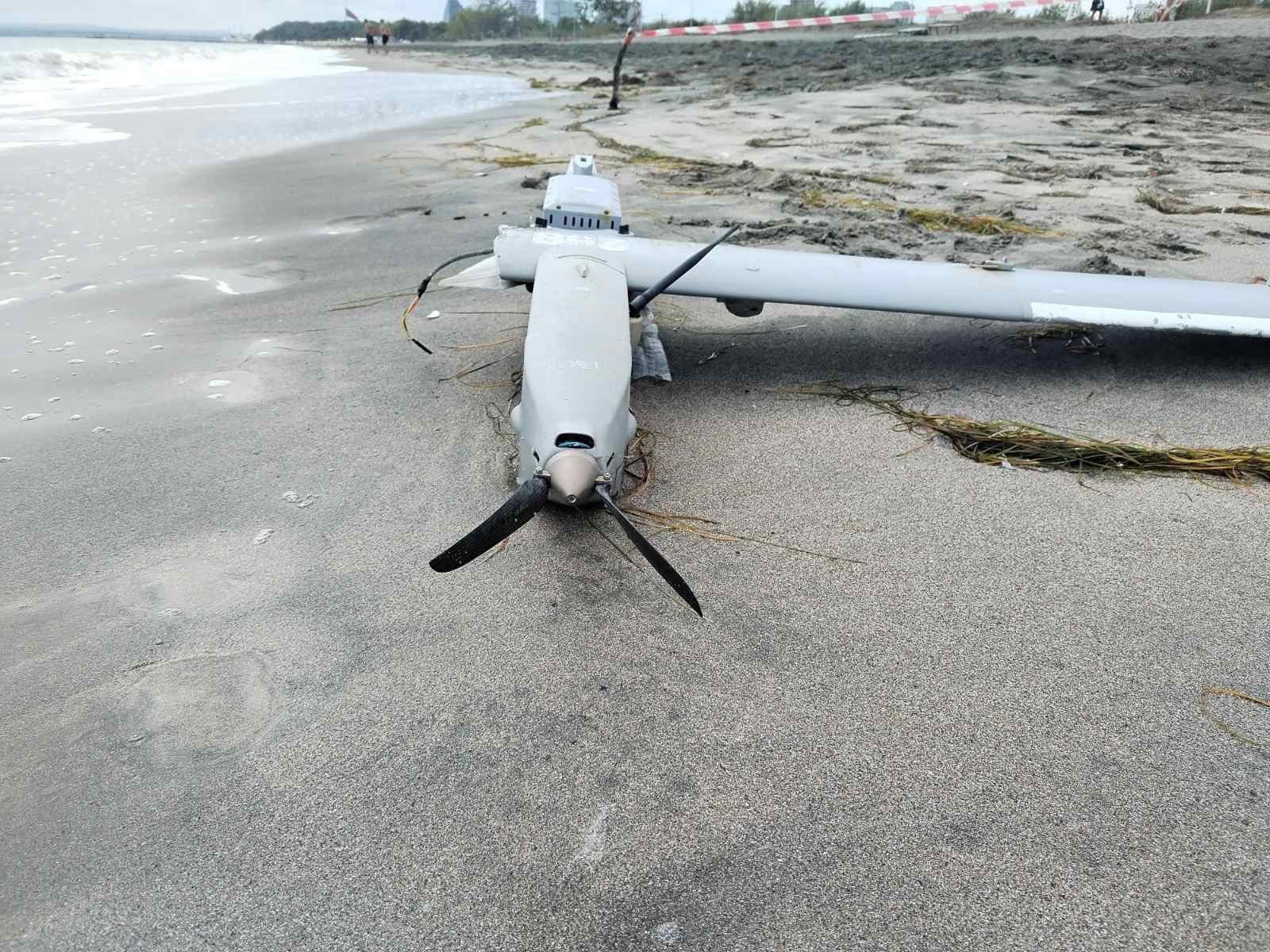
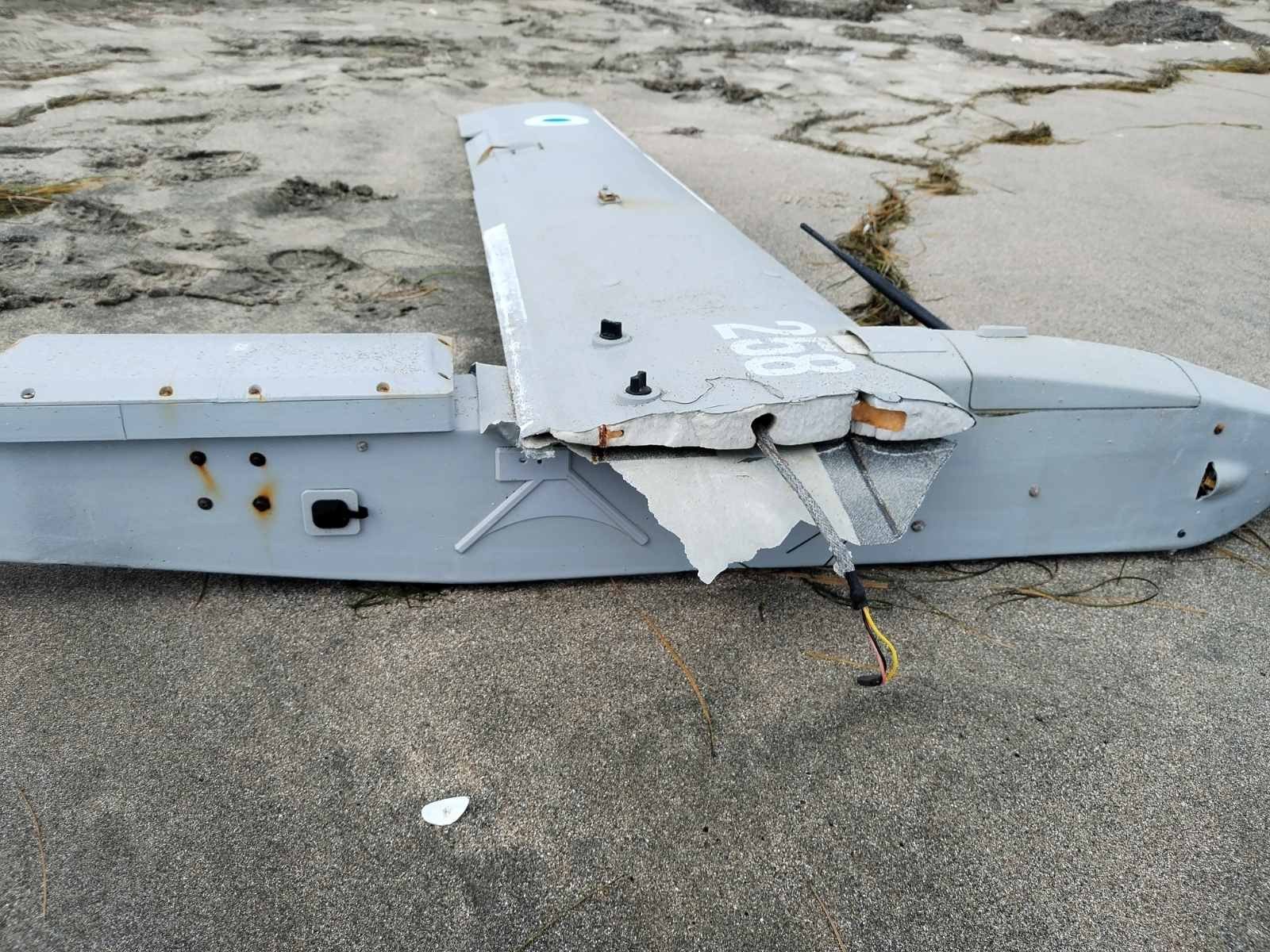
On September 12, an aircraft type UAV was spotted in the water of the North Beach of Burgas, the Bulgarian Defense Ministry reported. A specialized team from the Burgas Naval Base was deployed to investigate the drone, which was found to be free of explosives. The statement, however, did not specify the drone’s origin.
NATO's growing response
The airspace violation in Estonia was the most serious in the past 20 years, said The Economist. Furthermore, the drone attack on Polish territory marked the most significant violation in the 76-year history of the alliance.
Article 4
Following these September airspace violations by Russian military aircraft, both Estonia and Poland invoked NATO's Article 4.
Article 4 enables any NATO member to request consultations if it perceives its territorial integrity, political independence, or security to be under threat. While it does not automatically trigger military action, it signals increased concern and solidarity among the Alliance members.
Eastern Sentry
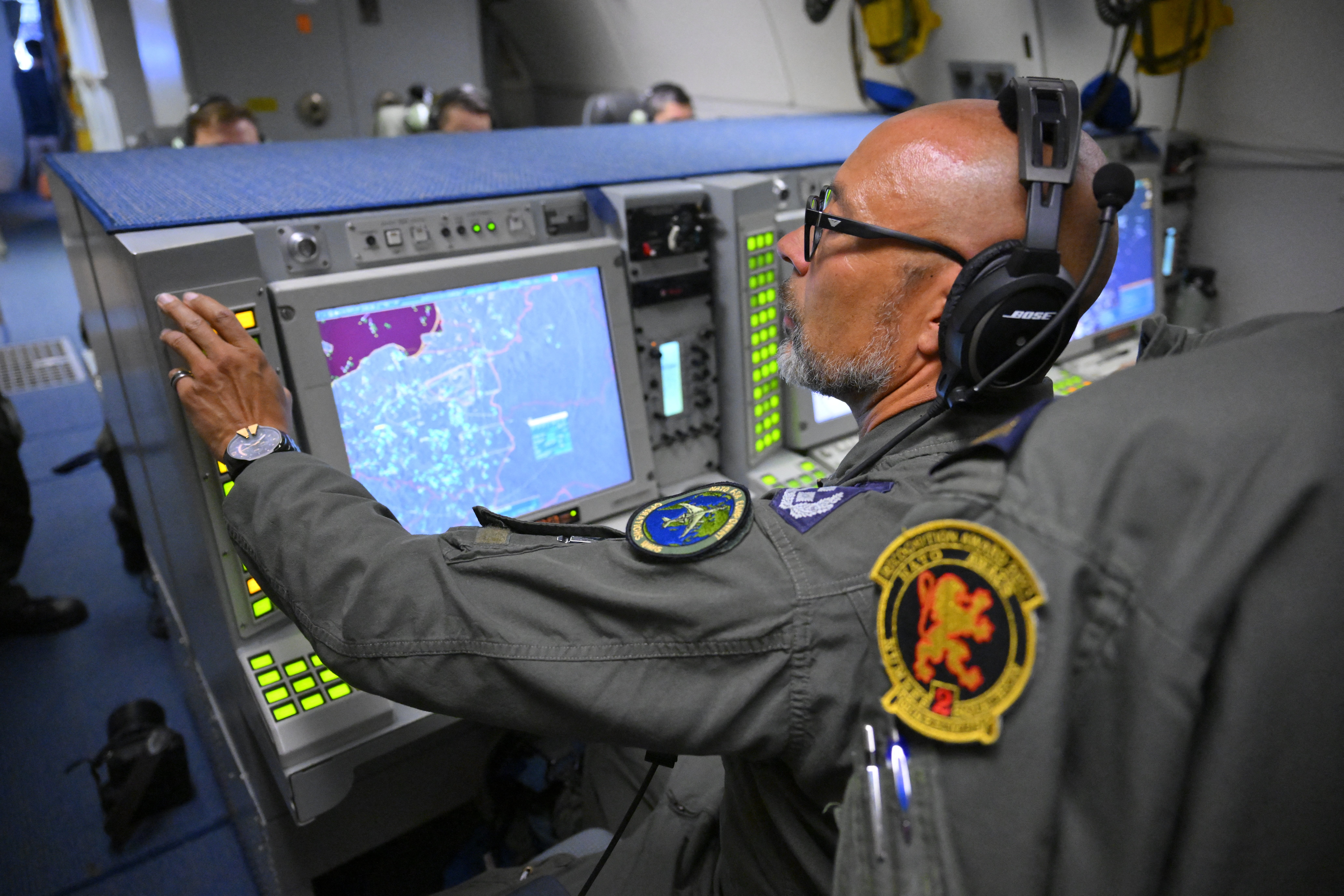
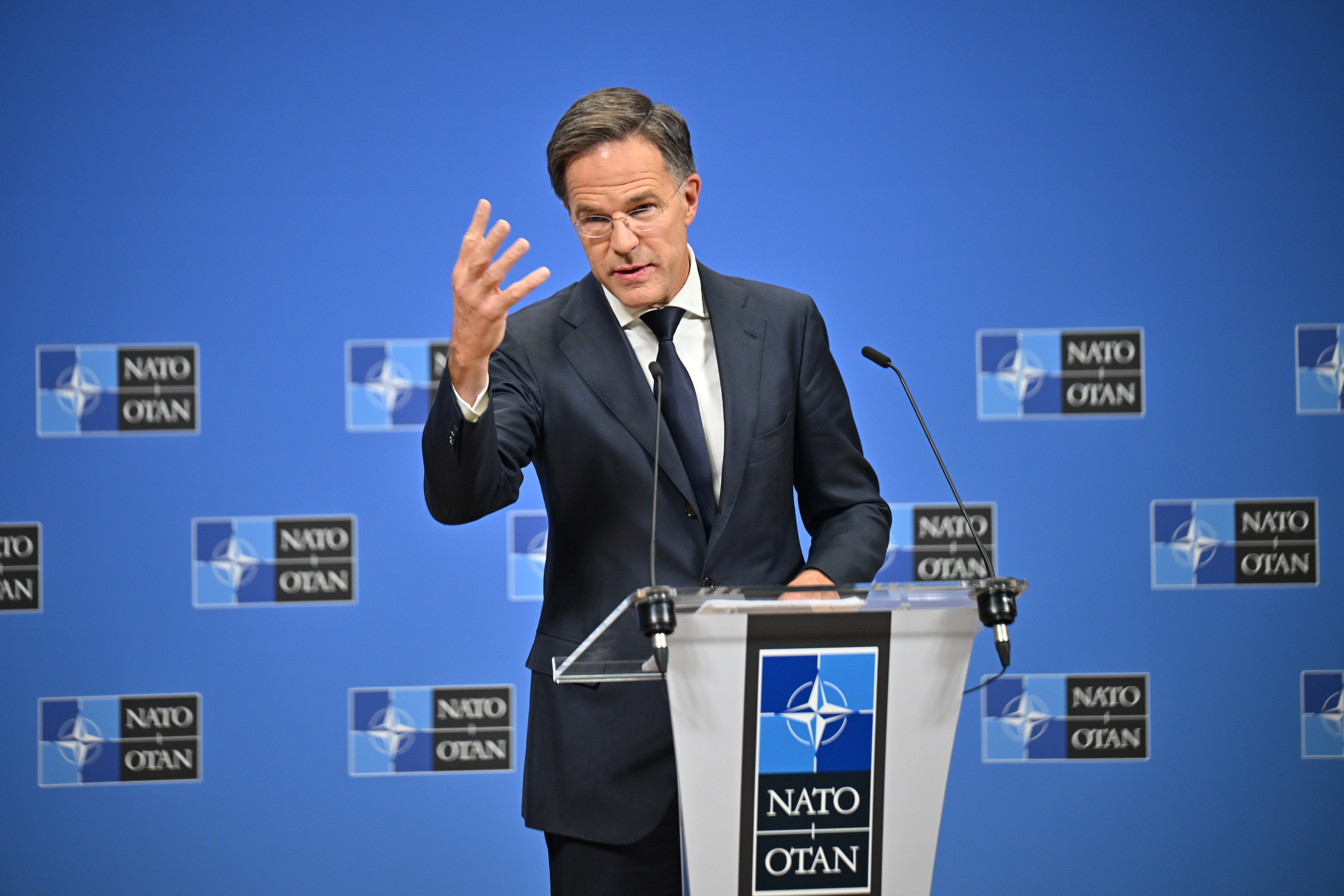
Following the large-scale incursion into Poland on September 10, NATO launched a new mission called Eastern Sentry to strengthen its eastern flank. Secretary General Mark Rutte introduced the plan at a joint press conference in Brussels.
“It’s reckless and unacceptable,” he said. “We cannot allow Russian drones to enter allied airspace.”
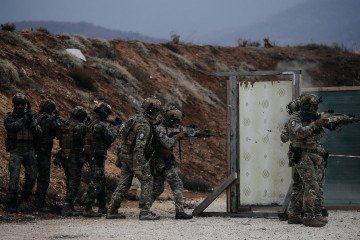
The mission is expected to deploy a combination of air and ground assets, coordinated through allied bases. Denmark, France, the United Kingdom, and Germany have already committed forces, with additional NATO members expected to join.
Project OCTOPUS
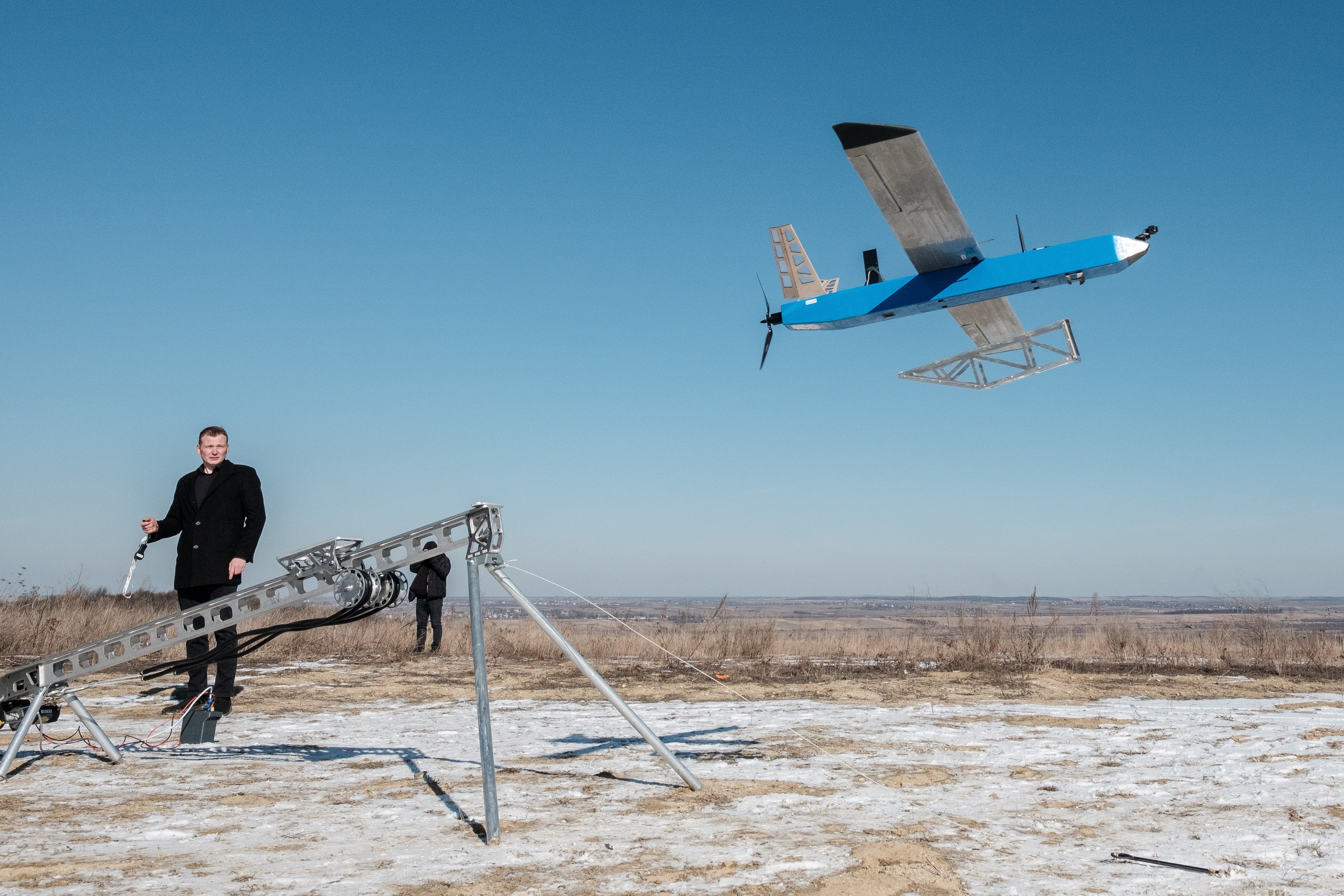
Project OCTOPUS is a collaborative defense initiative designed to enhance Europe’s capabilities in countering aerial threats, particularly those posed by Russian drones. It involves a large-scale production of Ukrainian-designed interceptor drones in Britain.
The interceptor drones produced under Project OCTOPUS are intended to be part of NATO's broader 'drone wall' strategy.
A statement released by NATO, commenting on Russia’s recent airspace violations, emphasized the Alliance’s commitment to its values.
“Russia should be in no doubt: NATO and Allies will employ, in accordance with international law, all necessary military and non-military tools to defend ourselves and deter all threats from all directions,” the statement read. “We will continue to respond in the manner, timing, and domain of our choosing. Our commitment to Article 5 is ironclad.”
The Alliance further reaffirmed its commitment to supporting Ukraine.
“Allies will not be deterred by these and other irresponsible acts by Russia from their enduring commitments to support Ukraine, whose security contributes to ours, in the exercise of its inherent right to self-defence against Russia’s brutal and unprovoked war of aggression.”
Discuss this article:



-111f0e5095e02c02446ffed57bfb0ab1.jpeg "Photo of Roman Kohanets")

-72b63a4e0c8c475ad81fe3eed3f63729.jpeg "Photo of Cyril Barabaltchouk")