- Category
- World
What Is the UK’s Answer to Russia’s Escalating Naval Threat?
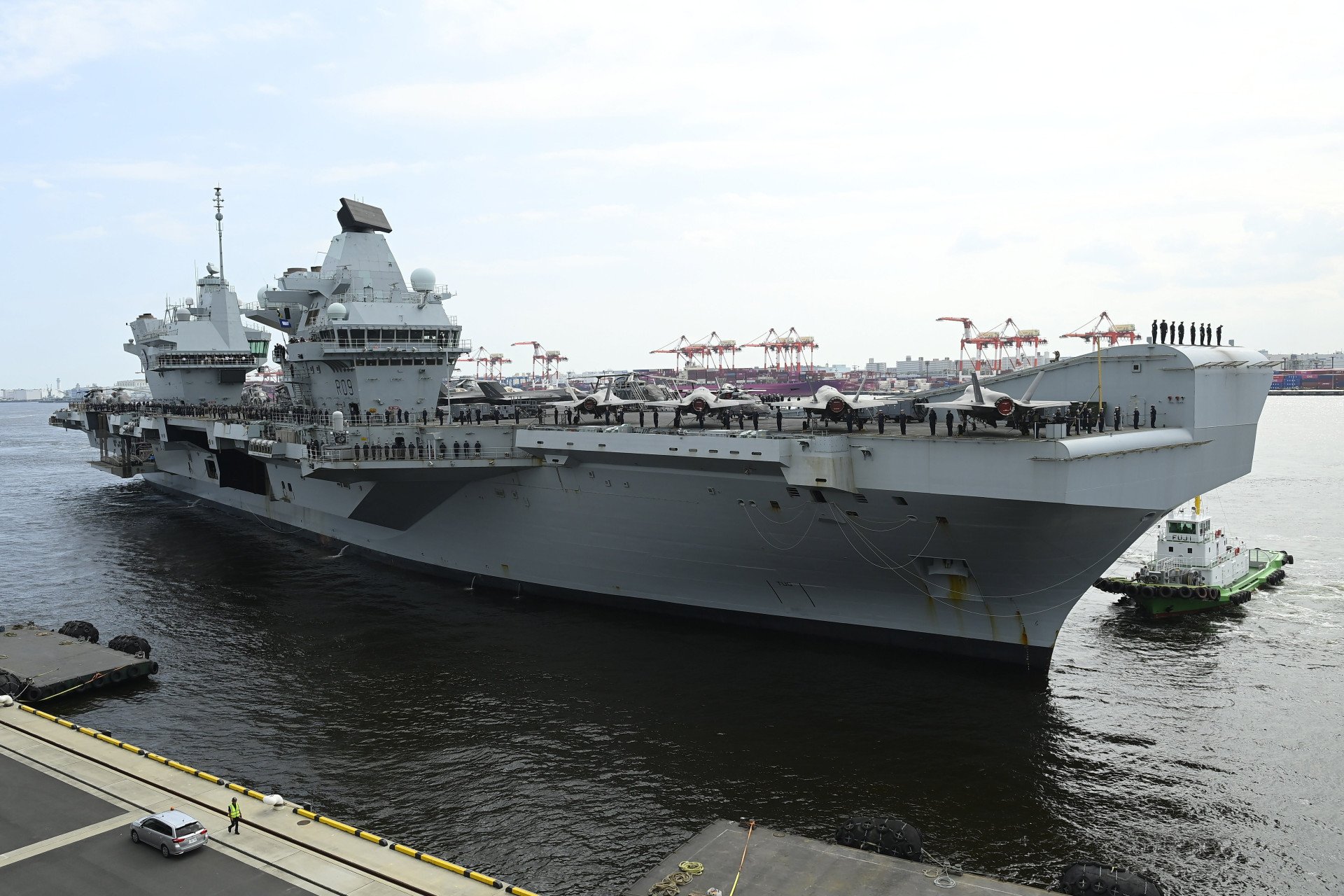
Surging Russian naval aggression across the North Atlantic has triggered the UK’s largest maritime mobilization in decades, protecting key infrastructure and allied sea lanes.
 Prefer U24 Media on Google
- Authors

-46f6afa2f66d31ff3df8ea1a8f5524ec.jpg "Photo of Jess Daly")
A senior Russian official has warned that Moscow could deploy its navy to escort Russian-linked vessels if European states attempt further seizures of ships tied to the Kremlin’s so-called shadow fleet.
Nikolai Patrushev—head of Russia’s maritime board and former director of the Federal Security Service (FSB)—said on February 17, 2026, that the Russian Navy must be prepared to respond to what he described as “Western piracy.”
If this situation cannot be resolved peacefully, the navy will break any blockade and move to eliminate it.
Nikolai Patrushev
Head of Russia’s maritime board and Former FSB Director
Russia’s warning follows the January 22 interception of the Russian tanker “Grinch” by the French navy. The vessel, believed to be part of Russia’s shadow fleet used to bypass sanctions, was released on February 17 after French authorities imposed a financial penalty.
A Russian-linked oil tanker named “The Grinch” was intercepted by the French navy pic.twitter.com/9XbHLzTXwl
— Vatnik Soup (@P_Kallioniemi) January 27, 2026
The warning also comes amid growing coordination among European allies. NATO is ramping up its naval presence to protect critical undersea infrastructure, including cables and pipelines carrying trillions in data and energy, and to deter sabotage after incidents in the Baltic Sea.
With Russia identified as a direct maritime threat, the alliance is expanding deployments, exercises, and operations to maintain freedom of navigation, secure trade routes, and reassure allies.
The UK Ministry of Defence says that Russian submarine activity in the North Atlantic has returned to Cold War-era levels. Russian naval vessels threatening UK waters have increased by 30% over the past two years.
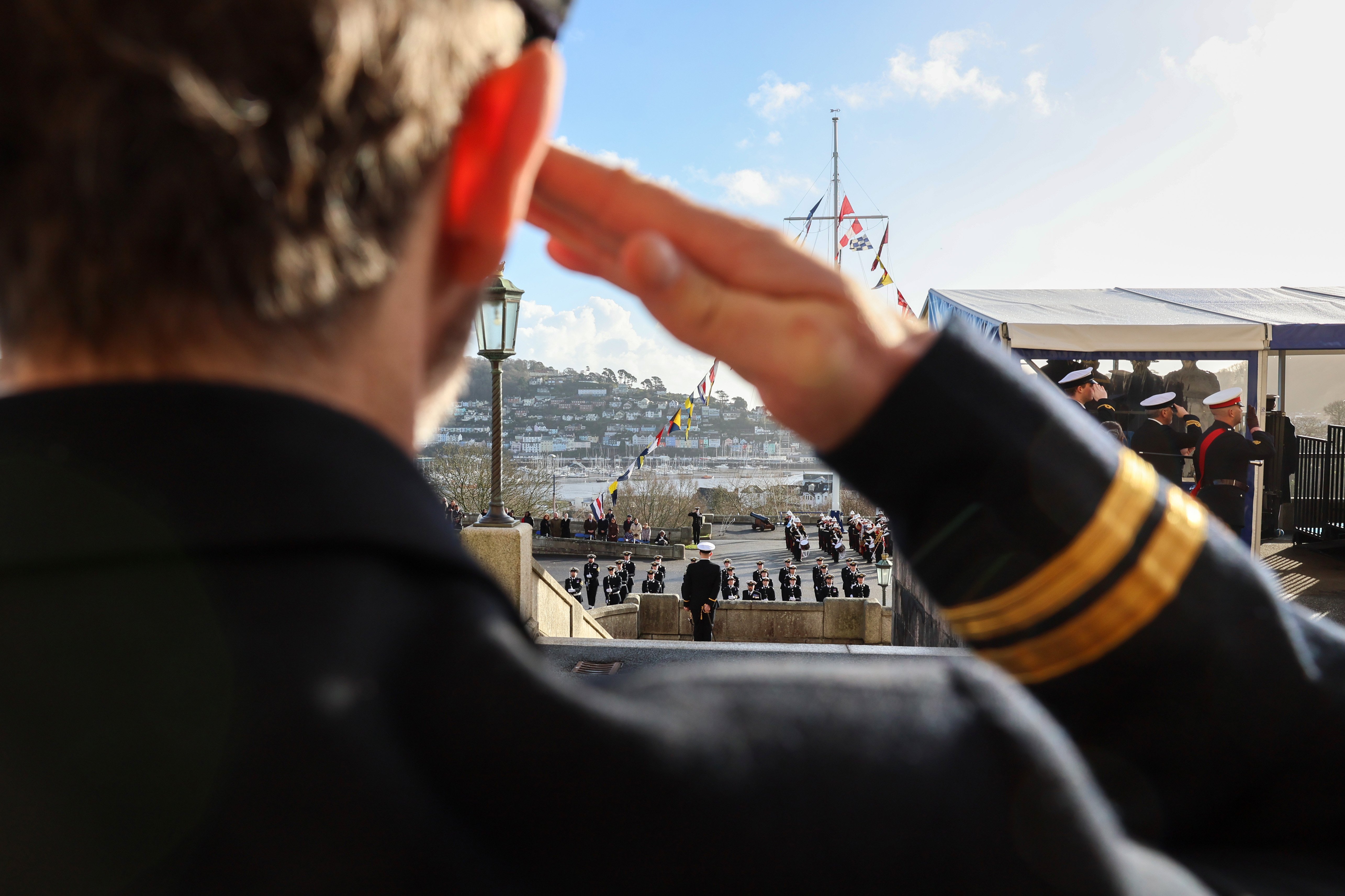
In response, the UK has significantly expanded its maritime deterrent, launching “Arctic Strike” to counter Russia at sea, marking a new phase of NATO deterrence.
Russia’s naval threat
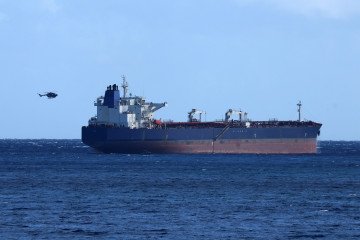
Russia’s shadow fleet is a network of oil tankers and vessels that skirt Western sanctions imposed on Russian oil exports since the full-scale invasion of Ukraine. These ships often sail under foreign flags, employ obscure ownership structures, and use tactics such as disabling or spoofing tracking systems to conceal their cargo origins and routes.
Comprising roughly 600 vessels—about 10% of the global “wet cargo” fleet—the shadow fleet transports around 1.7 million barrels of oil per day, generating massive revenue that fuels Russia’s military, enabling Russia’s leader Vladimir Putin to continue inflicting severe suffering on the Ukrainian population.
But this fleet is more than a sanctions-evading operation; it poses a threat to global security, maritime safety, and the environment. Many of its ageing, poorly maintained ships lack proper insurance, and investigations have documented multiple oil leaks in European waters tied to these ageing tankers.
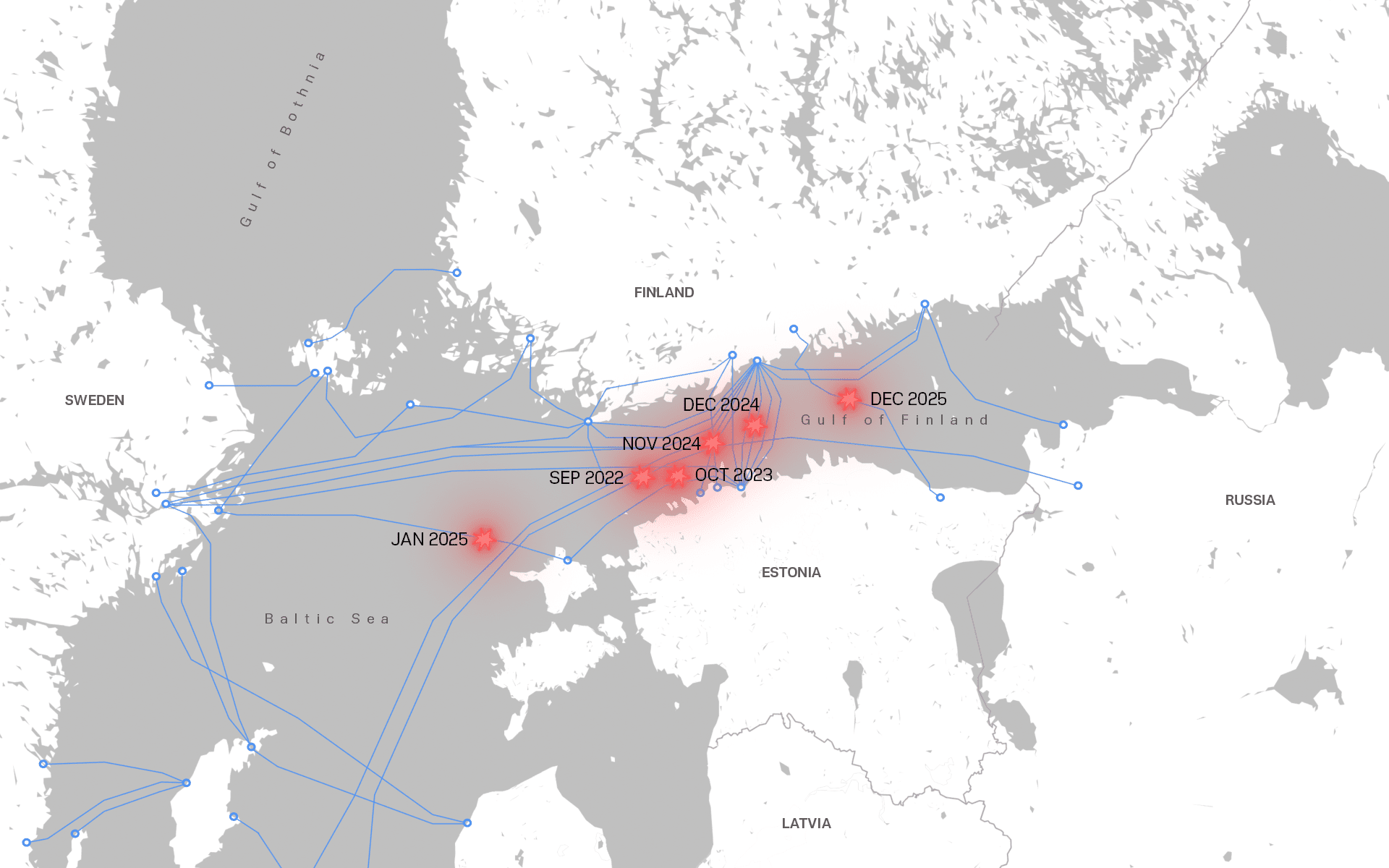
The vessels have also been linked to damage to undersea infrastructure and undersea cables, raising alarms about hybrid threats in European waters.
Beyond moving oil, the shadow fleet may be repurposed for military logistics or intelligence missions, given its opaque operations and close ties to Russian state interests. Reports indicate that some tankers carry armed Russian personnel, likely private security contractors, who have been observed gathering intelligence, photographing ship movements, and monitoring critical infrastructure.
The fleet’s operations have prompted international action. The UK is engaging with European allies on the potential seizure of tankers linked to the fleet as part of broader efforts to tighten pressure on Moscow’s war economy.
Recent Russian naval activity in UK waters
The UK faces growing risks from Russian activity targeting undersea cables and energy infrastructure. As a major hub for global data and trade, the UK is particularly vulnerable in any future hybrid conflict.
The UK hosts 119 data cables…seventeen trillion dollars worth of trade passes through the UK data cables that are hosted here. In data-cabled terms, it’s the gateway for Europe into the United States. I mean, it’s huge… So the UK is on the front line.
Associate fellow at the University of Exeter’s Centre for Public Understanding of Defence and Security
UK’s armed forces routinely track and monitor suspected Russian shadow fleet movements in UK waters, sharing intelligence with allies and partners.
Most recently, HMS Dagger monitored the tanker Grinch—which was boarded by French forces—through the Strait of Gibraltar, photographing the vessel as part of the operation.
Just two weeks earlier, HMS Mersey and a Wildcat helicopter from 815 NAS intercepted the Russian Udaloy-class destroyer Severomorsk along with merchant ships Sparta IV and MYS Zhelaniya in the North Sea, the Royal Navy in January 2026 reported.
The @RoyalNavy monitors UK waters 24/7/365 and is ready to deter any suspicious vessels threatening us.
— Ministry of Defence 🇬🇧 (@DefenceHQ) December 17, 2025
🔊 Lt Cdr Tom Sleight from UK Maritime Operations Command explained to BBC Radio 5 Live how the Armed Forces have recently escorted Russian ships in British waters. pic.twitter.com/oi2J9m0ipm
In November 2025, the Russian corvette RFN Stoikiy and tanker Yelnya were intercepted while passing through the English Channel. Days before, the Russian spy ship Yantar reportedly targeted surveillance aircraft pilots with lasers off the Scottish coast.
In October 2025, a Royal Navy destroyer and helicopter joined a 48-hour NATO operation to monitor a Russian warship in UK waters—a historic first for the alliance. HMS Duncan tracked Vice Admiral Kulakov from the North Sea through the Channel toward Ushant, in a coordinated operation with Dutch and French forces, underscoring NATO’s growing maritime readiness.
UK naval operations combating Russia’s naval threat
Naval weapons
The UK has confirmed plans to equip its Type 45 destroyers with the DragonFire high-energy laser weapon system by 2027, which would make the United Kingdom the first European nation to deploy a shipborne combat laser in front-line naval service.
🇬🇧LASER WEAPON UK
— Chyno News (@ChynoNews) November 21, 2025
After a recent successful test of the new DragonFire laser weapon system £316m is being invested to continue developing the weapon.
The "game-changing" system is planned to be installed on a Type 45 destroyer within two years.
🎥Royal Navy pic.twitter.com/DARb9ruxRz
A fleet of autonomous undersea gliders, known as SG-1 Fathom glider, is already patrolling deep UK waters. Designed to remain submerged for months at a time, they silently monitor for hostile activity, including Russian submarines suspected of operating covertly near UK waters.
🇩🇪 Helsing (@HelsingAI) opened a new manufacturing facility in 🇬🇧 Plymouth,UK.
— Counter Unmanned Systems (@CUAS_NEWS) November 22, 2025
"The new facility will initially be producing Helsing’s subsea autonomous AI-enabled glider, the SG-1 Fathom. The SG-1 Fathom is designed to hunt down enemy submarines and protect our sea lanes and… pic.twitter.com/NCXQrdZFKY
Operation Firecrest
The UK announced plans to deploy its Carrier Strike Group across the North Atlantic and Arctic in 2026 under Operation Firecrest—a large-scale NATO demonstration of force amid heightened Russian naval activity.
The operation will project British naval power across the North Atlantic and High North. Led by HMS Prince of Wales, the strike group includes warships, F‑35 fighter jets, and helicopters operating alongside NATO allies.
The deployment aims to deter Russian aggression, protect critical undersea infrastructure, and strengthen alliance readiness, operating under NATO’s new Arctic Sentry mission, which consolidates exercises, maritime patrols, air policing, and surveillance in the High North.
Deployment will help make Britain warfighting ready, boost our contribution to NATO, and strengthen our operations with key allies, keeping the UK secure at home and strong abroad.
John Healey
UK Defense Secretary
Atlantic Bastion
Atlantic Bastion, launched in December 2025, upgrades the Royal Navy’s undersea warfare capabilities in response to Russian submarine activity and intelligence vessels like Yantar.
The programme integrates warships, patrol aircraft, autonomous systems, and AI-enabled sensors into a layered detection network, creating a hybrid naval force capable of tracking and countering underwater threats across the North Atlantic—strengthening both UK defence and NATO’s northern flank.
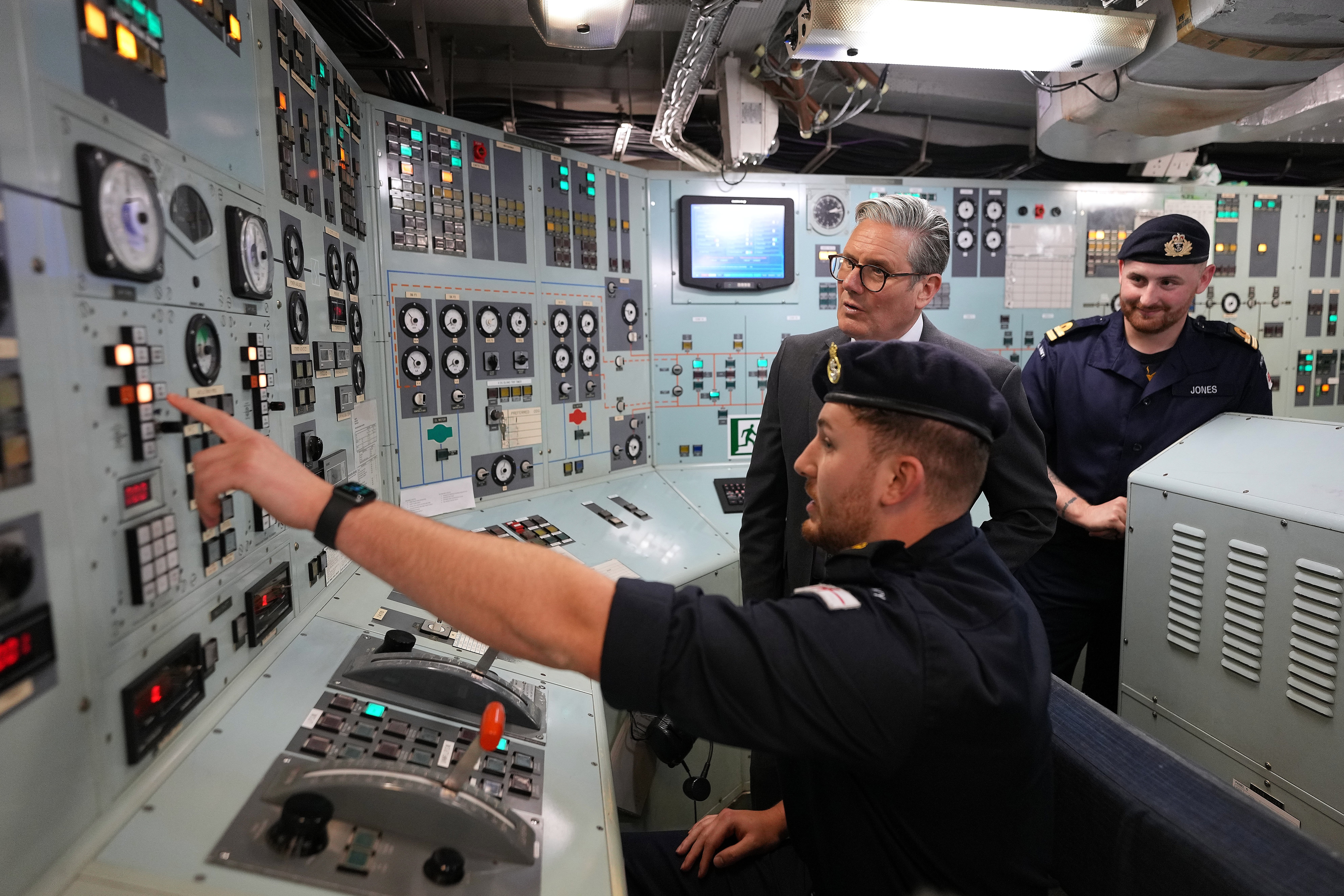
Nordic Warden
The UK-led Joint Expeditionary Force (JEF) has activated a reaction system to track threats to undersea infrastructure and monitor the Russian shadow fleet.
The operation, launched in January 2026, under the name Nordic Warden, uses AI to analyse data from multiple sources, including the Automatic Identification System (AIS) that ships use to broadcast their positions, to assess the risk posed by vessels entering sensitive areas.
Harnessing the power of AI, this UK-led system is a major innovation which allows us the unprecedented ability to monitor large areas of the sea. Nordic Warden will help protect against both deliberate acts of sabotage as well as cases of extreme negligence, which we have seen cause damage to underwater cables.
John Healey
UK Defence Secretary
The move comes after suspected sabotage on the Estlink2 undersea cable on Christmas Day, which Finnish authorities say may have involved a tanker linked to Russia’s shadow fleet—a network of vessels used to bypass international sanctions.
The Eagle S dragged its anchor, damaging the Estlink-2 power cable and communication links on December 25, 2024.
— Tymofiy Mylovanov (@Mylovanov) August 12, 2025
Finland charged the captain and two senior officers of the Eagle S, a Russia-linked oil tanker, for damaging undersea cables between Finland and Estonia — AP. 1/ pic.twitter.com/ji5jhsggGt
Joint Naval Patrols
Under a new defense agreement—the Lunna House Agreement—the UK and Norway will operate a combined fleet of at least 13 Type-26 frigates to hunt Russian submarines and safeguard undersea cables.
At the heart of the agreement is the new joint fleet of Type-26 anti-submarine warfare frigates—eight British and at least five Norwegian—backed by the biggest British warship deal in history.
Both navies will operate as one, sharing maintenance facilities, technology and equipment to create truly interchangeable forces able to deploy rapidly wherever needed.
At this time of profound global instability, as more Russian ships are being detected in our waters, we must work with international partners to protect our national security.
Keir Starmer
UK Prime Minister
As Russian naval and hybrid activity continues to rise, these measures do more than protect the UK—they also reinforce NATO’s northern flank and support Ukraine by curbing Russia’s ability to project power and move resources unchallenged.
In an era where hybrid warfare blends military, economic, and cyber threats, the UK’s strengthened naval posture is essential not only for national security but for maintaining stability across Europe and safeguarding Ukraine’s fight for sovereignty.
Discuss this article:




-c439b7bd9030ecf9d5a4287dc361ba31.jpg "Photo of Katherina Popilnichenko")


-72b63a4e0c8c475ad81fe3eed3f63729.jpeg "Photo of Cyril Barabaltchouk")