- Category
- Culture
As Russia Bombards Ukraine, the Venice Biennale Welcomes Kremlin-Linked Russians. So Who Are They?
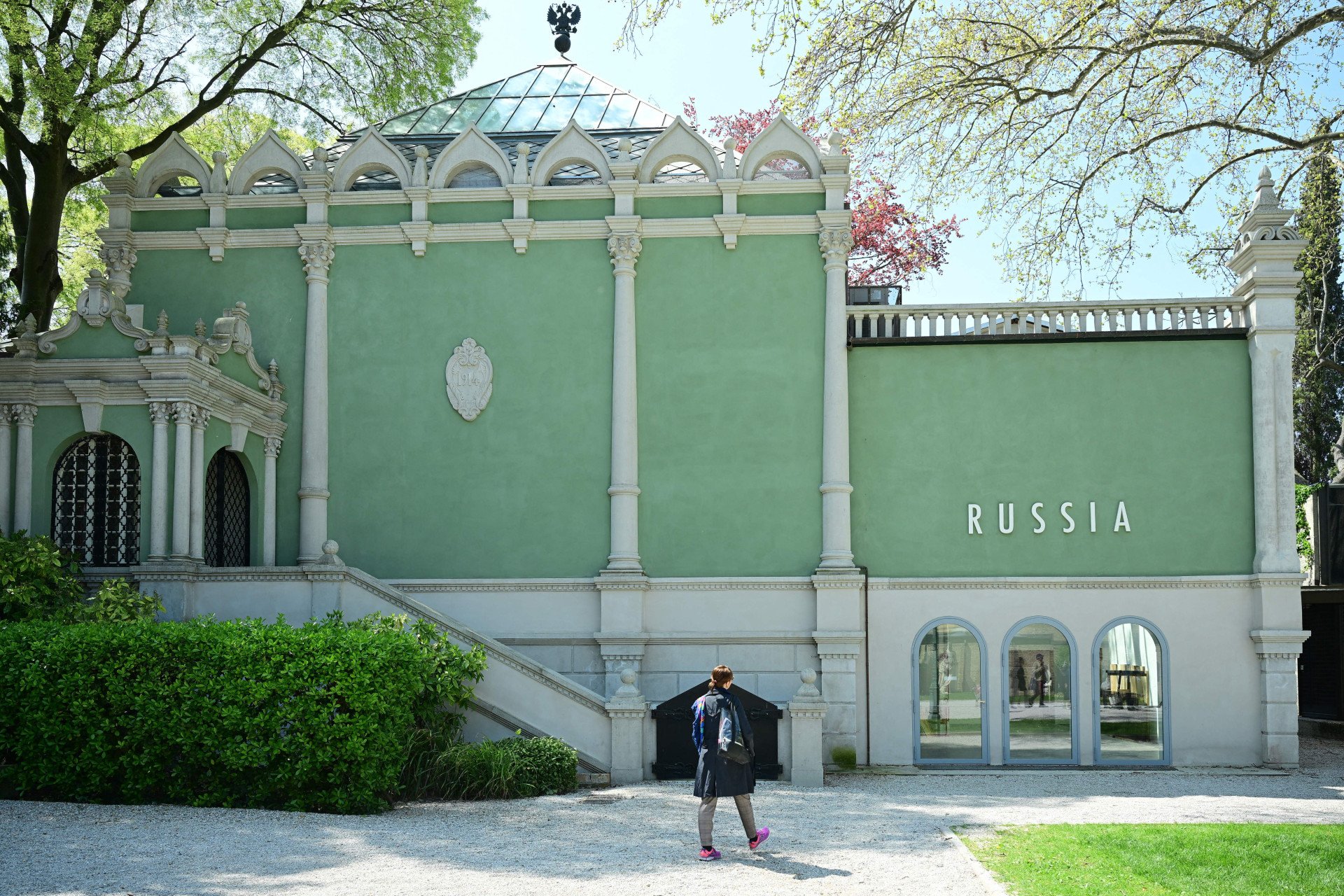
“Art is apolitical” is exactly the illusion that allows Russia to use platforms like the Venice Biennale to advance its propaganda and send its representatives to do so in the heart of Europe.
 Prefer U24 Media on Google
- Authors

-29a1a43aba23f9bb779a1ac8b98d2121.jpeg "Photo of Illia Kabachynskyi")
The Venice Biennale is one of the most important international art events. This year’s exhibition will run from May 9 to November 22.
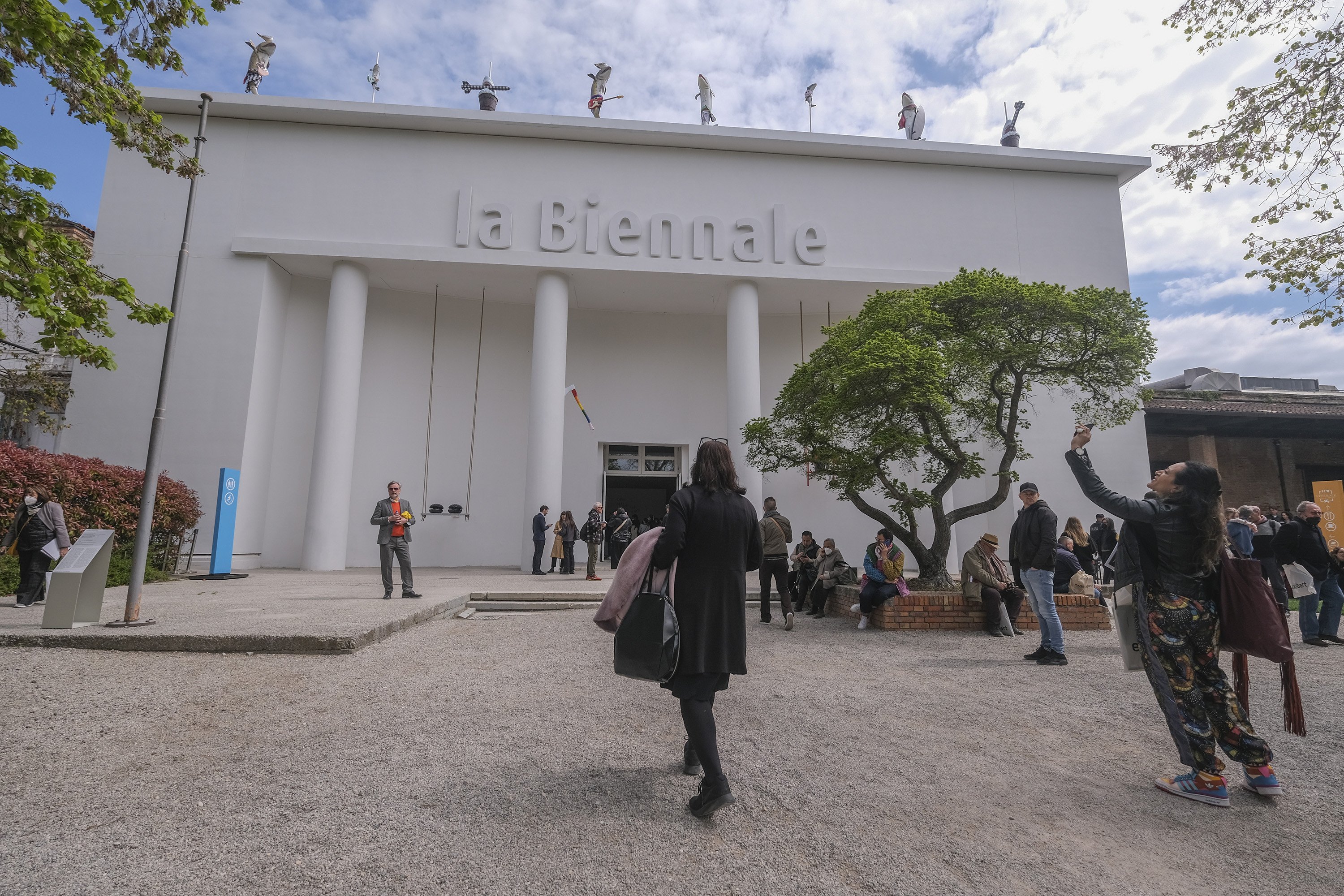
After Russia’s invasion of Ukraine in 2022, the Biennale barred all individuals connected to the Russian government from participating in that year’s exhibition.
But something has changed this year: organizers announced Russia’s participation for the first time since the start of the full-scale invasion.
The controversy has already triggered political fallout in Italy itself. Culture Minister Alessandro Giuli has called for the resignation of a government representative on the Biennale board, accusing her of failing to warn authorities about Russia’s potential participation.
We bring you stories from the ground. Your support keeps our team in the field.
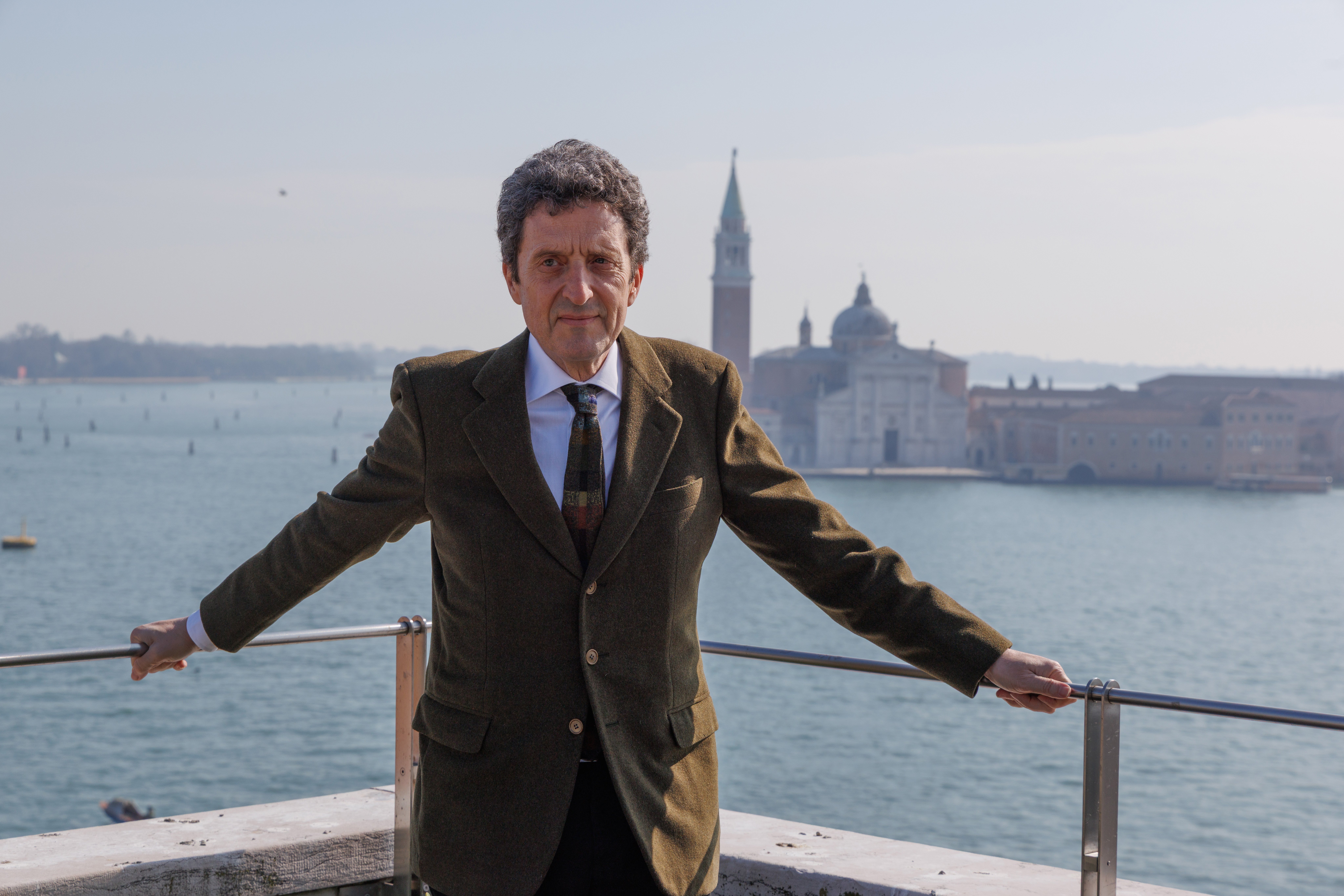
Despite sharp criticism from Ukraine, European countries, and the Italian government, the Biennale team said it rejects “any form of censorship and exclusion.” Biennale President Pietrangelo Buttafuoco, who took office in March 2024, said after the backlash that this year’s exhibition would also provide a platform for dissidents, following criticism for allowing Russia to have a pavilion.
Who is representing Russia at the Biennale?
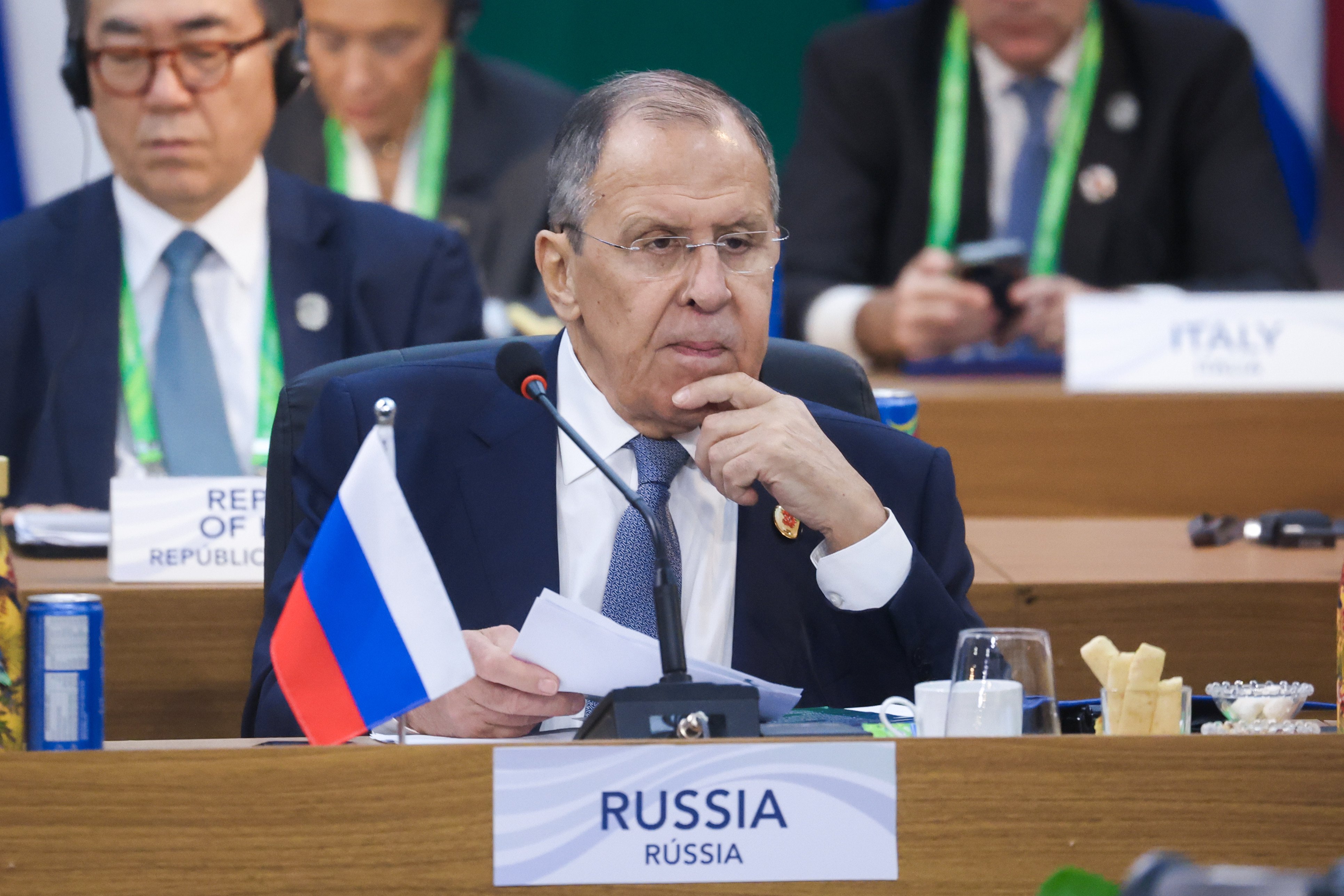
The Russians attending the exhibition are not dissidents. They are individuals directly connected to the Russian government and to figures close to the country’s leader, Vladimir Putin. Here are just a few telling examples:
Anastasia KARNEEVA has served as commissioner of the Russian pavilion at the Biennale since 2021. At the time, Russia’s Minister of Culture, Olga Lubimova, stated that Anastasia’s professionalism would better represent Russia at the Biennale.
Karneeva is the daughter of Nikolai Volobuyev, a retired general and former deputy director of Rostec, one of Russia's largest defense corporations that produces weapons for Russia’s war against Ukraine. In 2014, she co-founded the art consulting company Smart Art together with Ekaterina Lavrova, the daughter of Russian Foreign Minister Sergey Lavrov. Through this work, she began collaborating with federal propaganda outlets, including Russia 1 and Radio Russia.
A close associate of Anastasia is Leonid Mikhelson, who finances Russian mercenaries fighting in the war against Ukraine. His company, Novatek, supplies gas to Russia’s Ministry of Defense and other defense enterprises that manufacture explosives and ammunition, including FAB-500 bombs used to bombard Ukrainian cities.
Elizaveta ANSHINA is the head of the Russian ensemble Toloka and also a lecturer for the project “Russian Society ‘Knowledge.’” The platform hosts lectures by Denis Pushilin, head of the Russian puppet administration in the temporarily occupied Donetsk region, ultranationalist ideologue Alexander Dugin, and so-called “heroes of the special military operation.”
Ekaterina ROSTOVTSEVA is the artistic director and producer of the folk ensemble Toloka, which performs at concerts that are also broadcast on Russian propaganda channels. She has worked closely with Russian conductor Teodor Currentzis and musicAeterna, which received funding from the state-owned VTB Bank, a bank under Western sanctions.
Aleksey KHOVALYG is a participant in the federal program “We Are Russia,” a touring project run by Russia’s Ministry of Culture that promotes regional culture across the country. As part of the program, he participated in the 2025 Sayany Theater tour, which actively supports the Russian military's operations in Ukraine. Aleksey performs in officers’ houses across Russia and has voiced support for the so-called “special military operation.” On his social media pages, he also shares posts from the theater expressing support for servicemen of the Russian Armed Forces.
“Culture above politics”
There are dozens of such people planning to come to the Biennale from Russia. All of them support Russia’s war against Ukraine, or are closely tied to those financing that war and accept money from them themselves. These are not dissidents or political prisoners, and they have not emigrated. On the contrary, these are people who will travel to Italy to glorify what Russia is doing right now, with flags and with support for their army, which is waging a hybrid war against Europe and has launched Shahed drones against it.
The petition calling for a ban on Russia’s participation highlights another point: the “return” of the Russian Federation to the Venice Biennale was announced by Mikhail Shvydkoy, the Russian President's Special Representative for International Cultural Cooperation. Shvydkoy stated that culture stands “above politics.” The same Shvydkoy, however, published an article in 2025 advocating the restoration of Soviet-style political censorship in the Russian Federation.
“Particularly troubling is the apparent appropriation of decolonial discourse within the announced program of the Russian Pavilion,” the petition says. “The project reportedly foregrounds the 'diverse traditions of Russia,' including artists connected to Indigenous and regional cultures. Yet many of these cultures belong to peoples whose histories have been shaped by colonization, repression, forced assimilation, and systematic Russification under both the Russian Empire and the Soviet state.”
Why Russians must be barred from world-class events
Since the start of Russia’s full-scale invasion of Ukraine, debates over Russian performers, athletes, artists, and their participation in global events have come up many times. But one point remains the only correct one: this must not be allowed.
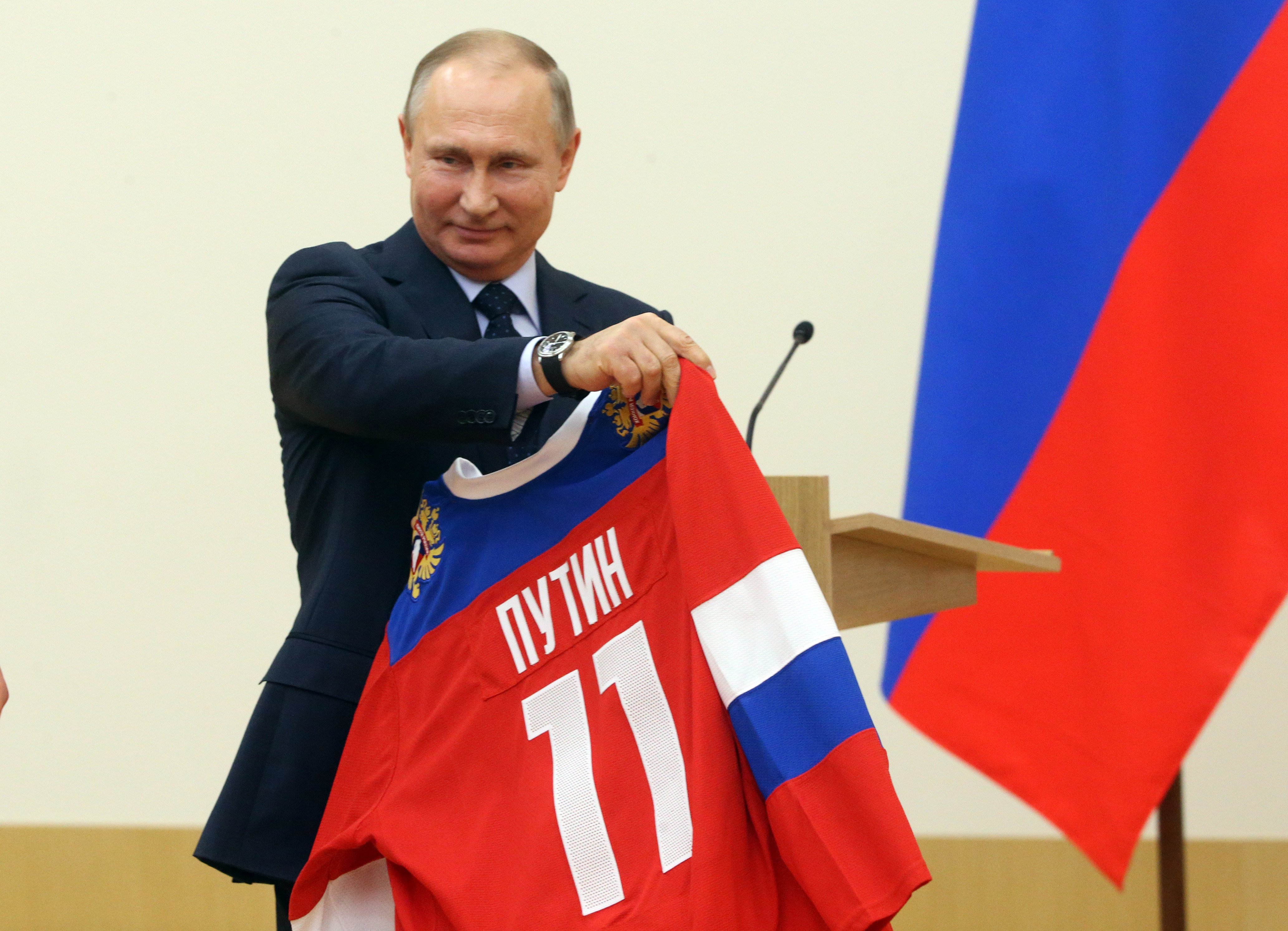
Most of these people support the current regime—the one that attacked Ukraine and drops bombs on the country every day. If a missile is flying toward Kharkiv while a Russian athlete calmly raises their flag in Venice at the Biennale, or in Paris at a sporting competition, Putin is reassured that he can do whatever he wants. That cannot be allowed.
The Biennale is about culture. Yet Ukrainian artists, writers, and cultural figures have been killed during Russia’s invasion—either while defending their country or as a result of attacks on civilians. “Cultural institutions, museums, archives, libraries, and heritage sites across Ukraine have been damaged, destroyed, and looted,” the petition states—and this is an undeniable fact. Russia uses culture as a tool of propaganda; therefore, culture is not outside politics.
Sanctions—economic and cultural alike—are meant to show both the Kremlin and Russia as a whole that the actions it is committing now have consequences. Economic decline and cultural isolation are the result of the actions of everyone who supports the regime. Opening the doors of the year’s leading art event to such people normalizes Moscow. That must not be allowed.
Discuss this article:
-4a56a6b482ec132402c16ef6fcabf9a2.png)

-e00d178a31a987cd514e15ad3a8c2131.jpeg "Max Klymenko wearing the Etnodim, featuring embroidery inspired by traditional Ukrainian crafts. (Source: Ian Treherne)")

-e88c01988249cd60b6f04f79d29156b7.jpeg "Damage to “Cosmogony,” the largest painting in Ukraine, following a Russian drone attack on Lutsk on October 13, 2026. (Source: @sashyyna/Instagram)")
-480d70a36b9b34492b0b32ca04af4489.jpg "People attend the funeral ceremony of the famous Ukrainian writer Victoria Amelina at the Garrison Church, in Lviv, Ukraine, on July 5, 2023. (Source: Getty Images)")