- Category
- Latest news
What Will Russia’s Return to the Venice Biennale Signal After the 2022 Invasion?
 Prefer U24 Media on Google
- Authors


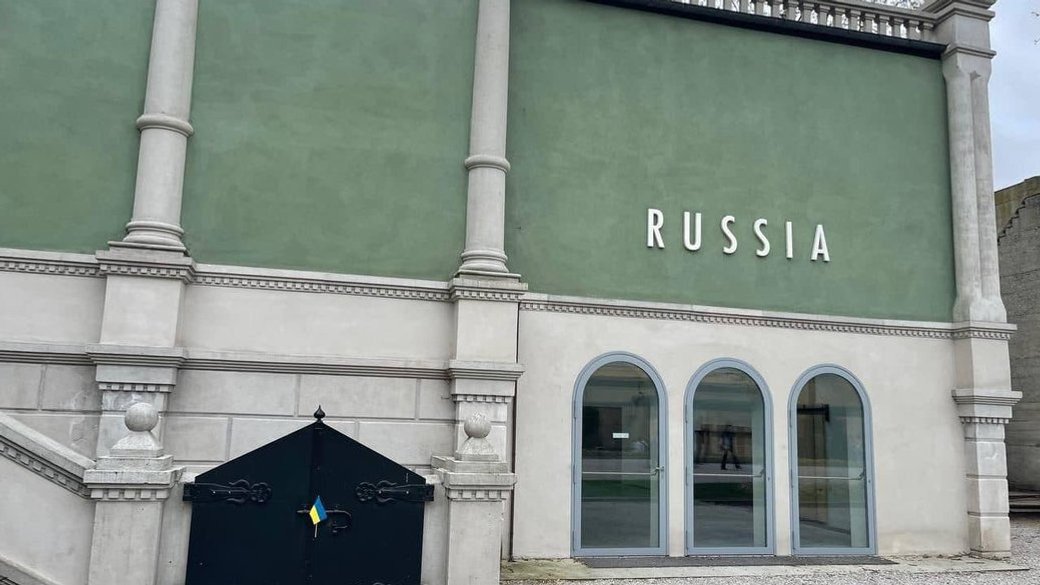
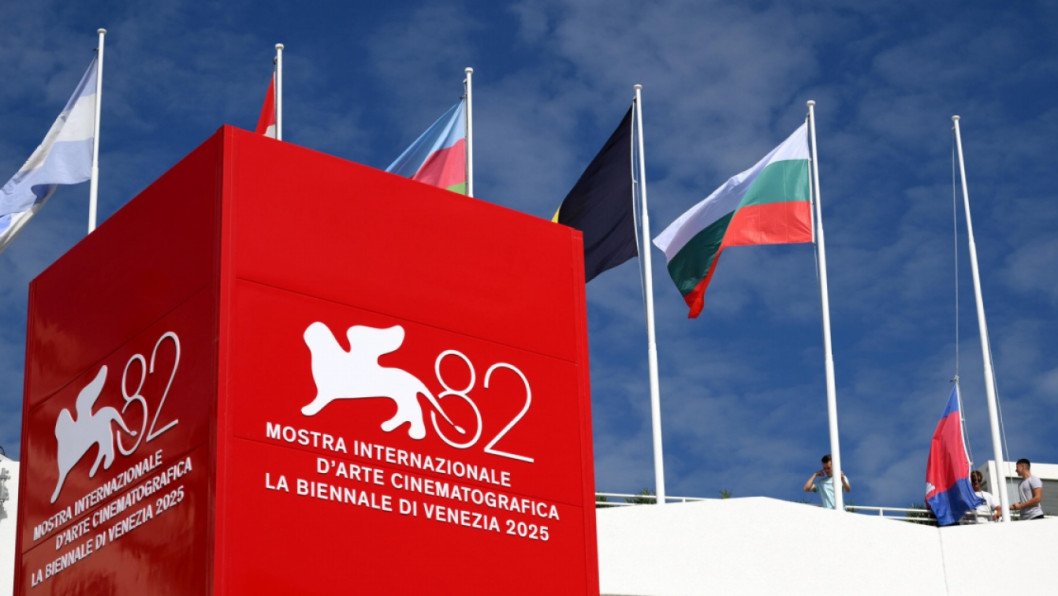
For the first time since 2022 Russia will take part in the Venice Biennale—one of the most influential art events in the world.
In the list of national pavilions published on the exhibition’s website, a Russian project titled The Tree is Rooted in the Sky is included.
Ukraine has reacted to the announcement of Russia’s participation in the 2026 Venice Biennale. Members of the cultural community note that in recent years, Russia has attempted to re-enter international art platforms through various means, according to the discussion on Radio Culture on March 5 by Ksenia Malykh, co-curator of the Ukrainian pavilion at the 2026 Venice Biennale.
We bring you stories from the ground. Your support keeps our team in the field.
Malykh stated that Russia’s return to international art events was not unexpected for Ukraine’s cultural community. According to her, Russian artists and institutions have been attempting to access international platforms since the beginning of the full-scale invasion.
“In fact, I think that everyone involved in international cultural projects over the past four years is not very surprised, unfortunately, because Russia has all this time found ways to slip into important platforms in one form or another,” Malykh said.
She explained that such strategies included repositioning artists or presenting them as representatives of other countries.
“There is a phenomenon of so-called ‘good Russians,’ who simply rewrote their biographies as artists and, for example, described themselves as Berlin-based artists. That is, they tried to distance themselves from their Russian origin,” the curator noted. “It was clearly stated that artists from Russia and Belarus would not be accepted, yet they still applied. You know, they slightly edited their biographies. Of course, you can’t fool us Ukrainians so easily. Everything was checked,” she said.
The curator further commented on Russia’s possible participation in the Biennale through alternative formats not directly linked to the official pavilion.
She suggested that Russia may have used procedural avenues to present its project. Malykh also highlighted the nature of the participants in the Russian project.
“We analyzed the list of artists they announced. Mostly, they are not visual artists but musicians. And, probably, they will also play the decolonization card, because we found artists of Udmurt and Tuvan backgrounds there. Plus, countries politically friendly to them,” Malykh explained.
Despite Russia’s involvement, the Ukrainian team plans to concentrate on showcasing its own pavilion and cultural project.
“The main thing we need to do is to present our project as powerfully as possible. We have a really great project this year, and we will attract as much attention to it as possible,” she said.
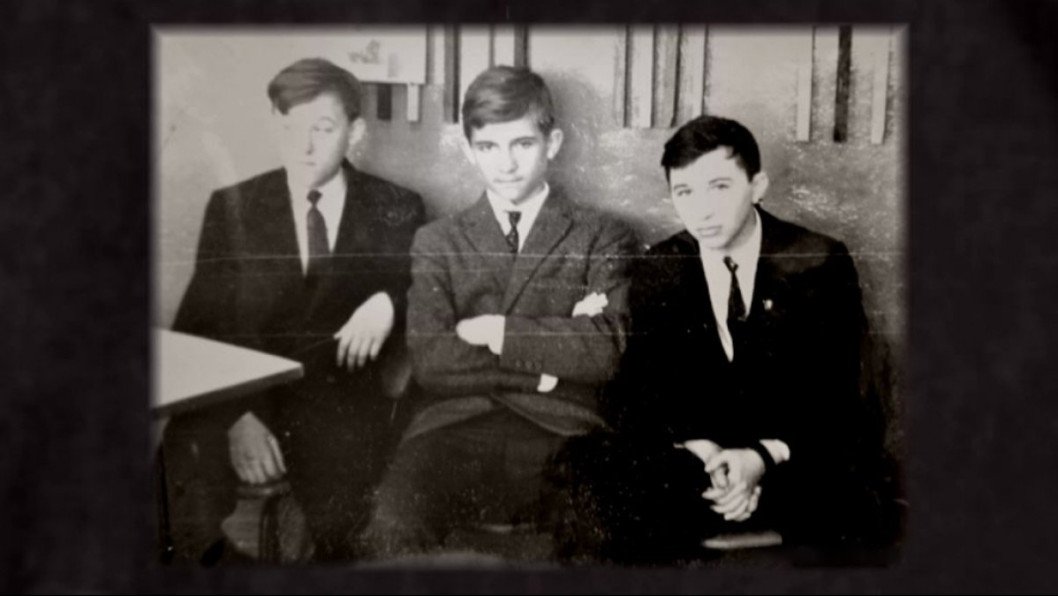
Additionally, it has emerged that Anastasia Karneeva, who is set to serve as commissioner of Russia’s national pavilion, maintains close ties to high-level political circles in Russia. Co-founder of the Smart Art company and daughter of retired general Nikolai Volobuev, Karneeva's work has drawn attention due to her role in promoting Russian art globally.
She previously managed the Russian branch of the prestigious Christie’s auction house and played a pivotal role in promoting contemporary Russian art, often working with Ekaterina Vinokurova.
Karneeva is also closely linked to Russia’s high-level political circles, being the daughter of Sergey Lavrov, Russia’s Foreign Minister. Her involvement in art is seen as part of a broader strategy to project Russian influence internationally, fueling further controversy, particularly given Russia’s actions in Ukraine.
-bc5b89a3f257c7ad6c70cbda7badc927.jpg)
Moreover, Mikhail Shvydkoi, Russia’s special representative for international cultural cooperation and a former minister of culture, confirmed on March 3 that the Russian pavilion is scheduled to open in May 2026.
“I would like to note that Russia never left the Venice Biennale. The very presence of our pavilion—regardless of what takes place there, whether exhibitions by our Latin American friends or the hosting of an educational centre for the entire Biennale—means the presence of our country in Venice's cultural space. Therefore, since we have not gone anywhere, we are not ‘returning’. We are simply seeking new forms of creative activity in the current circumstances,” he said.
Earlier, it was reported that the sculpture “Origami Deer” by Zhanna Kadyrova, which was safely evacuated from the frontline, will begin a tour across six European countries this March before being presented at the Ukrainian Pavilion during the 61st Venice Biennale.
Discuss this article:


-72b63a4e0c8c475ad81fe3eed3f63729.jpeg "Photo of Cyril Barabaltchouk")

-111f0e5095e02c02446ffed57bfb0ab1.jpeg "Photo of Roman Kohanets")

-c439b7bd9030ecf9d5a4287dc361ba31.jpg "Photo of Katherina Popilnichenko")