- Category
- Latest news
Russia’s Shadow Fleet Leaks Oil Across Europe as Sanctions Evasion Turns Into Environmental Disaster
 Prefer U24 Media on Google
- Authors


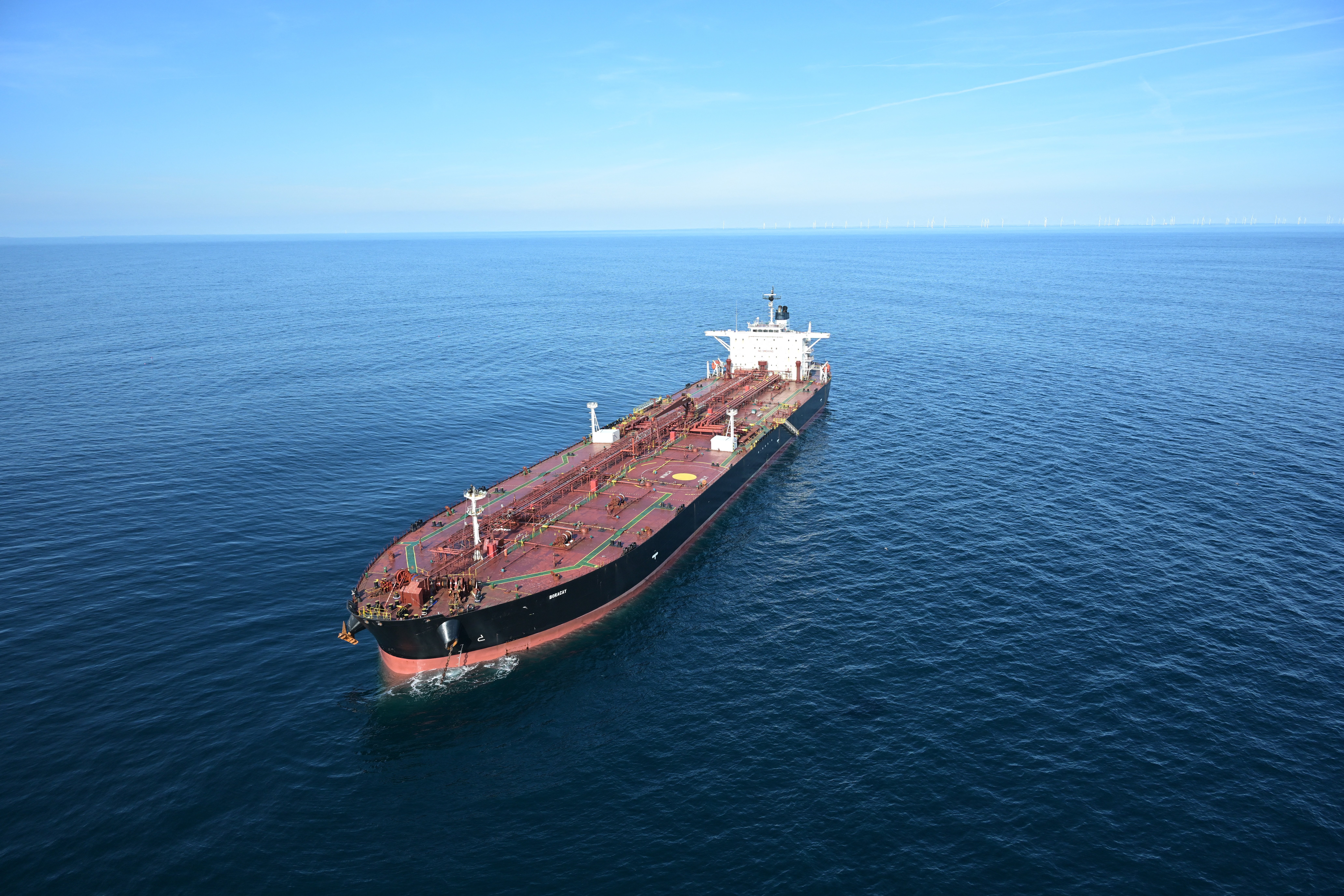
At least five tankers from Russia’s so-called shadow fleet have leaked oil into European waters over the past year, according to an investigation by Politico and the journalist network SourceMaterial on October 6.
Drawing on satellite imagery from the nonprofit SkyTruth and shipping data from the analytics firm Kpler, the investigation found that these ships continued operating largely unchecked even after leaving visible oil slicks near Europe’s coastline.
Two of the vessels were already under British sanctions at the time the leaks occurred.
Latvian Energy Minister Kaspars Melnis described the incidents as “a huge problem,” warning that Europe is “quite lucky at this moment that we don’t have any environmental catastrophe happening.”
A spokesperson for the British Foreign Office called the shadow fleet “a desperate and dangerous attempt” by Russian leader Vladimir Putin “to cling to his oil profits while polluting the sea in the meantime.”
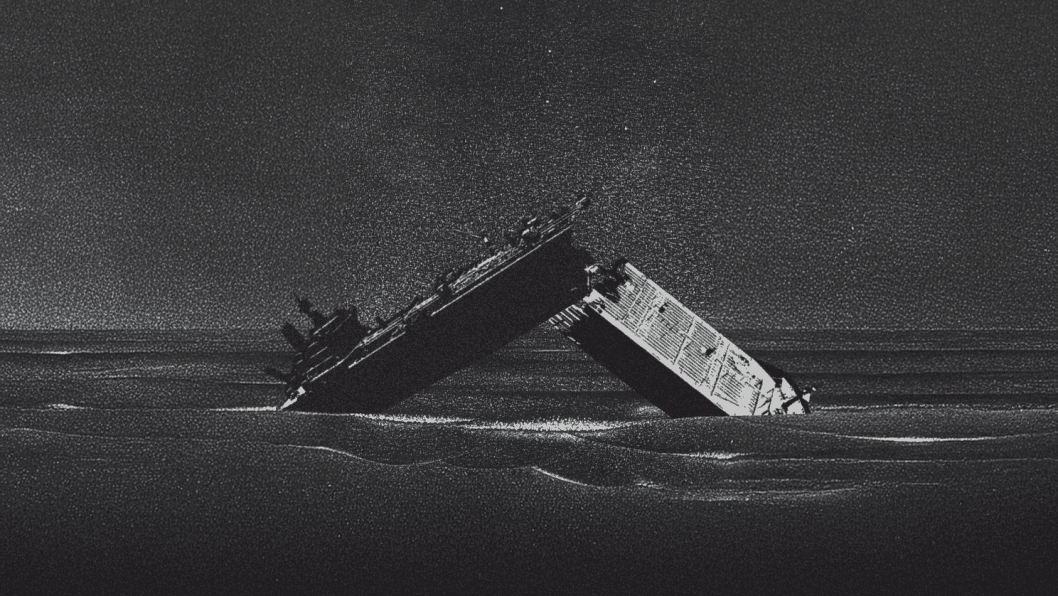
“He’s using ships that ignore basic safety standards, increasing the risk of catastrophic oil spills,” the spokesperson told Politico.
Russia began relying on the shadow fleet after G7 nations imposed a price cap on Russian oil exports in response to Moscow’s 2022 full-scale invasion of Ukraine. Oil revenues make up roughly one-quarter of Russia’s federal budget.
According to the maritime data firm Lloyd’s List Intelligence, the fleet now includes about 1,300 vessels. Their operations have been linked not only to oil spills but also to damage to underwater infrastructure in European waters.
The European Union has blacklisted 444 tankers, banning them from EU ports and Western insurance services, while the United Kingdom has sanctioned around 450 ships.
“How effective existing sanctions are—[it’s] hard to say,” Melnis told Politico.
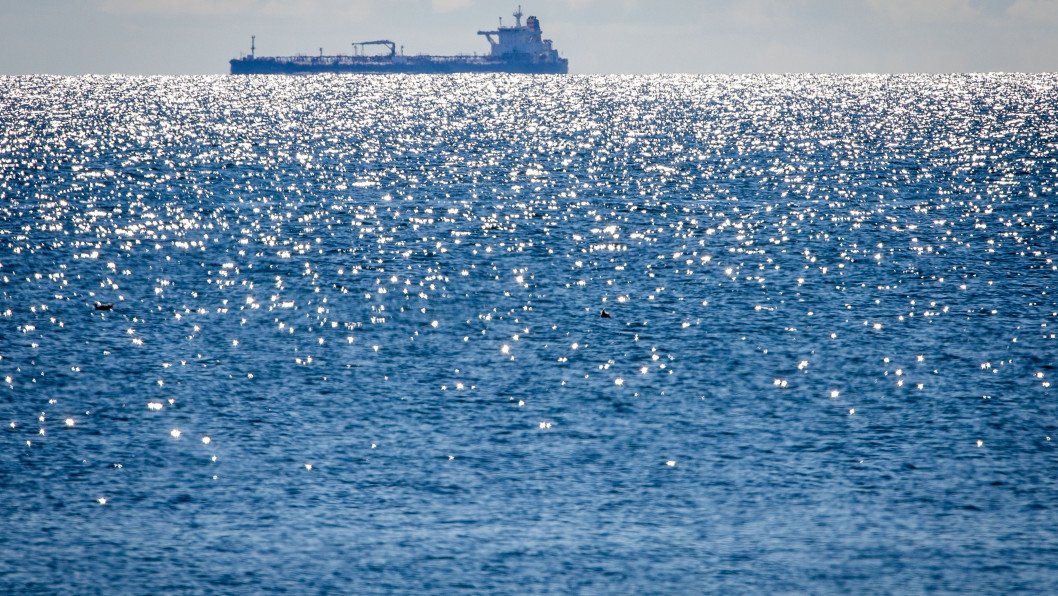
Experts cited by Politico noted that many shadow fleet vessels are poorly maintained, lack proper insurance, and operate beyond the reach of regulators, greatly increasing the risk of major environmental disasters.
The Center for Research on Energy and Clean Air estimates that cleaning up a single large oil spill could cost around $1.5 billion. If the responsible owner cannot be identified, European taxpayers would likely bear the financial burden.
Preiously, Denmark’s Defense Intelligence Service has reported increased Russian gray-zone activity in the Danish Straits, a strategic maritime passage connecting the Baltic Sea to NATO waters, according to Army Recognition on October 4.
Discuss this article:

-c439b7bd9030ecf9d5a4287dc361ba31.jpg "Photo of Katherina Popilnichenko")