- Category
- Latest news
Mobile Internet Goes Dark Across Most of Moscow for Fifth Straight Day
 Prefer U24 Media on Google
- Authors

-111f0e5095e02c02446ffed57bfb0ab1.jpeg "Photo of Roman Kohanets")
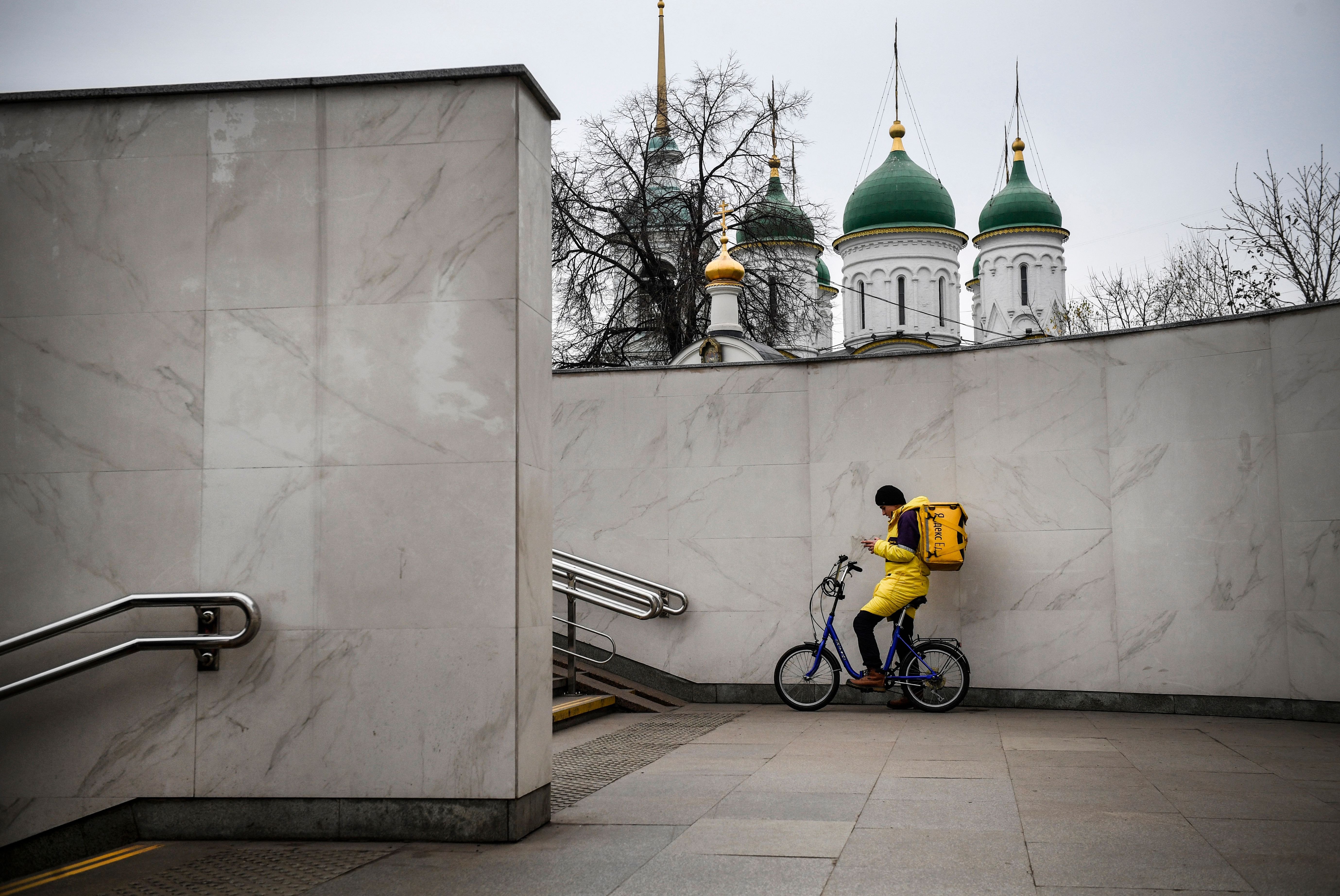
Moscow residents have reported five straight days of mobile internet disruptions across most of the Russian capital, with the heaviest concentration in central districts, according to Agenstvo on March 10.
Agenstvo examined user comments posted over the past five days on Downdetector and identified reports naming specific locations where mobile internet failed.
The reports covered every administrative district of Moscow except New Moscow.
We bring you stories from the ground. Your support keeps our team in the field.
Most complaints came from the Central Administrative District, where users reported outages in 9 of its 10 districts.
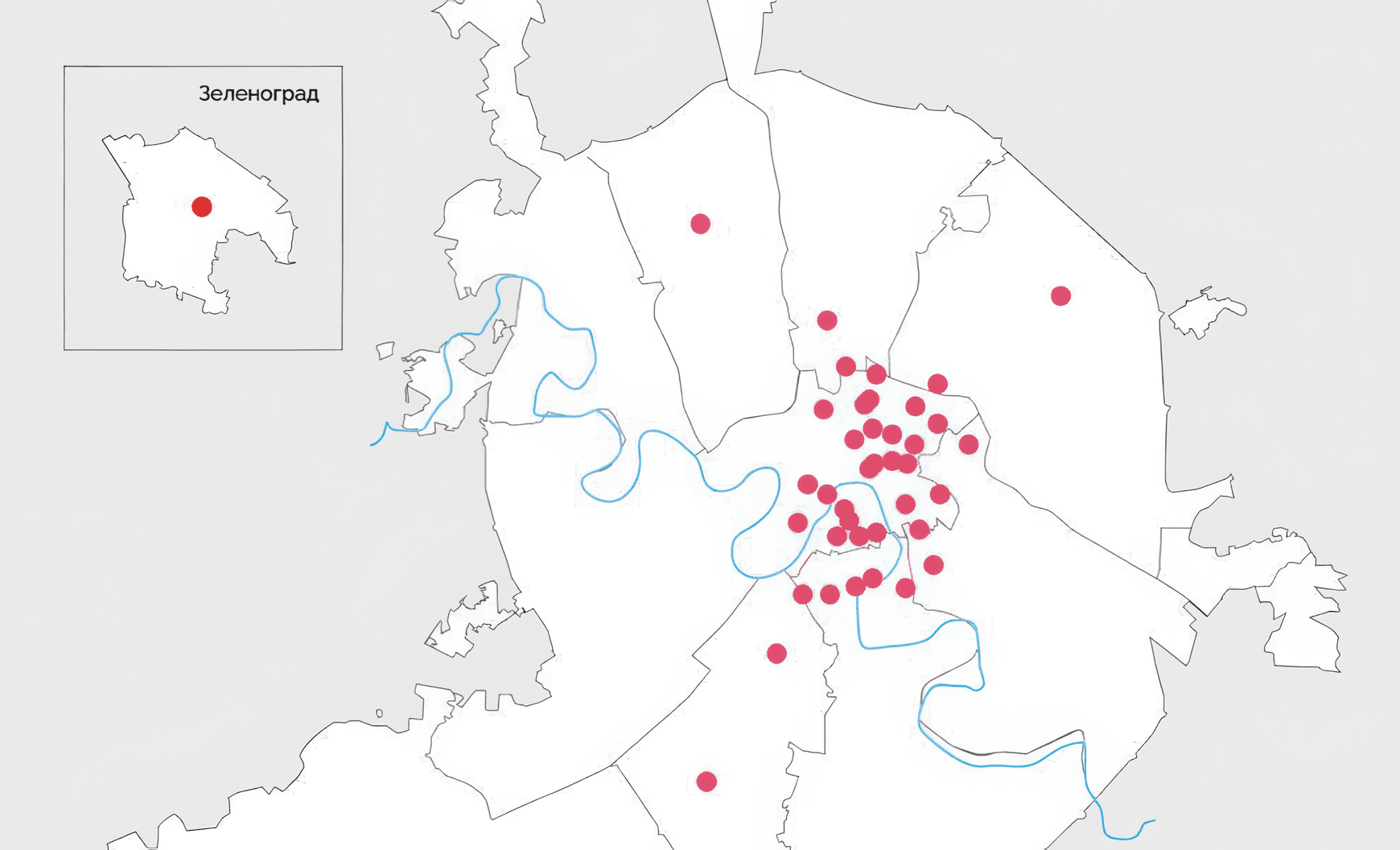
User registered disruptions:
The Southern Administrative District, including Donskoy and Danilovsky;
The Southeastern Administrative District, including Lefortovo and Dubrovka;
The Eastern Administrative District, including Metrogorodok and Sokolniki;
The Northeastern Administrative District, including Maryina Roshcha and Butyrsky;
The Northern Administrative District, including Golovinsky.
Complaints also came from Zelenograd. A representative of the monitoring project Na Svyazi told Agenstvo that Moscow is now seeing full local shutdowns for the first time, with mobile internet cut off for all operators across an entire district.
In some cases, only assistance on a set of goverment approved websites or services remains accessible during mobile internet restrictions, while in others, even those services stop working.
The publication also noted that access to websites through WiFi on some metro lines is limited to the same “white list.”
-50c64d019d3899de5677f8b898913418.jpg)
Kommersant, citing telecom market sources, reported that the problems may have occurred after operators acquired instructions to limit mobile internet in certain Moscow districts.
Kremlin spokesperson Dmitry Peskov described the restrictions as lawful and presented them as a security measure aimed at protecting critical infrastructure, maintaining stable communications, and limiting access to banned resources during periods of heightened threat.
Russian regulations define two main risks that can trigger such controls. The first is external attacks targeting servers, communications channels, or international traffic exchange points.
The second is major domestic disruptions, including backbone network failures, serious technical incidents, or problems involving links with foreign data routes.
-2748274f089dddfbc190590f0dda6032.png)
Meanwhile, Russian mobile operators deactivated 18.45 million SIM cards at the request of state regulator Roskomnadzor, as authorities tightened oversight of subscriber identification and mobile communications.
The move was linked to efforts to force re-registration of numbers to verified identities and reduce “gray” SIM circulation, with operators instructed to block lines that did not meet updated compliance requirements.
Officials framed the campaign as an anti-fraud and security measure, but critics say the tightening rules also expand state monitoring capacity and increase pressure on users who rely on anonymous or loosely registered mobile services.
Discuss this article: