- Category
- Latest news
Russia Escalates Internet Censorship Removing YouTube and WhatsApp From National Domain System
 Prefer U24 Media on Google
- Authors


Russian authorities have begun 2026 with a new wave of tightened internet censorship, further cementing the country’s position among global leaders in digital restrictions.
According to The Moscow Times on February 11, following the official announcement of the start of Telegram blocking, Russia’s media regulator Roskomnadzor has, for the first time, begun removing banned and blocked websites from the National Domain Name System (NSDI), created under the so-called “sovereign Runet” law.
We bring you stories from the ground. Your support keeps our team in the field.
On February 10, reports emerged that the YouTube domain had disappeared from the system. A day after, WhatsApp was also found to be missing. In total, at least 13 resources have been removed from the NSDI, according to the monitoring project “Na Svyazi.” Among them are Facebook, Facebook Messenger, Instagram, Windscribe, Apkmirror, Tor, as well as five media outlets: BBC, Current Time, Deutsche Welle, Radio Free Europe/Radio Liberty, and The Moscow Times.
Similar actions had previously occurred on a limited basis, such as during the blocking of Discord and Signal in 2024. However, this marks the first documented case of mass domain removal.
In effect, according to BBC Russian Service, citing Mikhail Klimarev, director of the Internet Protection Society, “a truly sovereign internet is emerging—that is, a Russian internet that does not look like the generally accepted international one.” He added that when users attempt to access a blocked website, they will receive a response stating that “such a site does not exist.”
Meanwhile, Russia’s State Duma is preparing to review government-backed amendments to the country’s Law on Communications that would substantially broaden the Federal Security Service’s (FSB) power to suspend communications nationwide, Faridaily reported.
If adopted, the changes would authorize the FSB to order telecom providers to temporarily cut not only mobile internet access but also fixed broadband connections and telephone services. The official reason given for these actions is “to protect citizens and the state from security threats.”
The draft legislation was introduced in November and was initially seen by some analysts as an attempt to formalize the shutdown of mobile internet services. By the end of 2025, Russia had already become the world’s leading country in mobile internet blackouts, with outages totaling 37,166 hours and affecting nearly the entire population.
However, the current version of the bill goes further. The two-page proposal introduces two key provisions. First, telecom operators would be obligated to halt any communications services at the FSB’s request. The exact conditions constituting a “security threat” would later be defined by a presidential decree or government resolution.
Second, telecom companies would be shielded from financial liability to customers for service disruptions carried out under such orders.
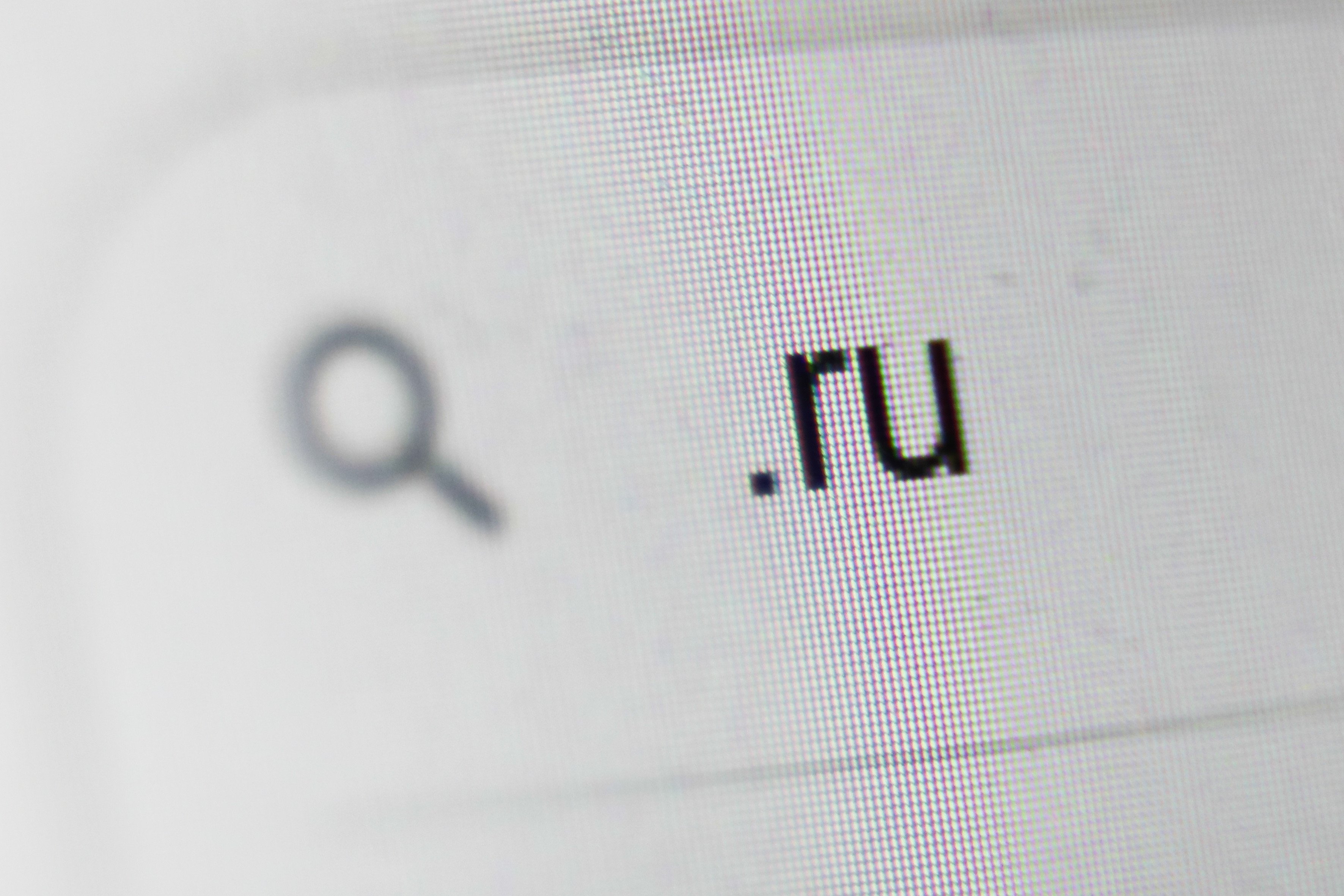
Earlier, it was reported that recent data indicates that the proportion of newly registered domains using the .ru extension has declined from 70.8% in 2023 to 64.2% this year, a drop of 6.6 percentage points.
The Cyrillic domain .рф has also seen a decrease of around 3% over the past two years and now represents just 5.6% of newly created websites. At the same time, alternative domain zones such as .online, .space, and .site are becoming more widely used.
Discuss this article: