- Category
- Latest news
Food Shortage Threatens UAE, Saudi Arabia and Iran as Hormuz Trade Slows
 Prefer U24 Media on Google
- Authors

-111f0e5095e02c02446ffed57bfb0ab1.jpeg "Photo of Roman Kohanets")
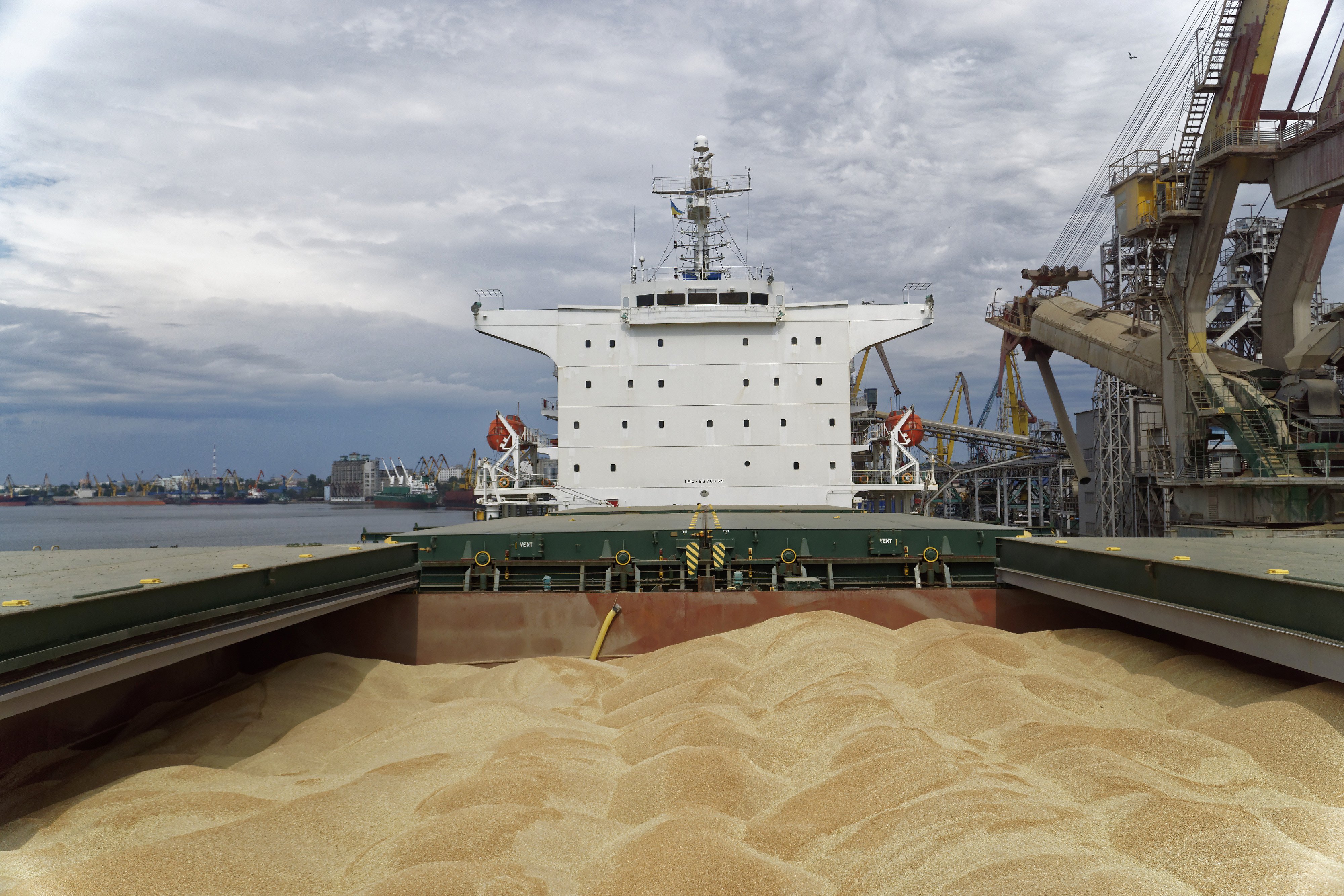
Disruption around the Strait of Hormuz is threatening food imports across the Gulf and raising shortage risks in Iran, according to the Financial Times on March 6.
Most grain and food shipments for Gulf countries pass through the waterway. Of about 30 million tonnes of grain imported into the Gulf last year, around 14 million tonnes went to Iran.
We bring you stories from the ground. Your support keeps our team in the field.
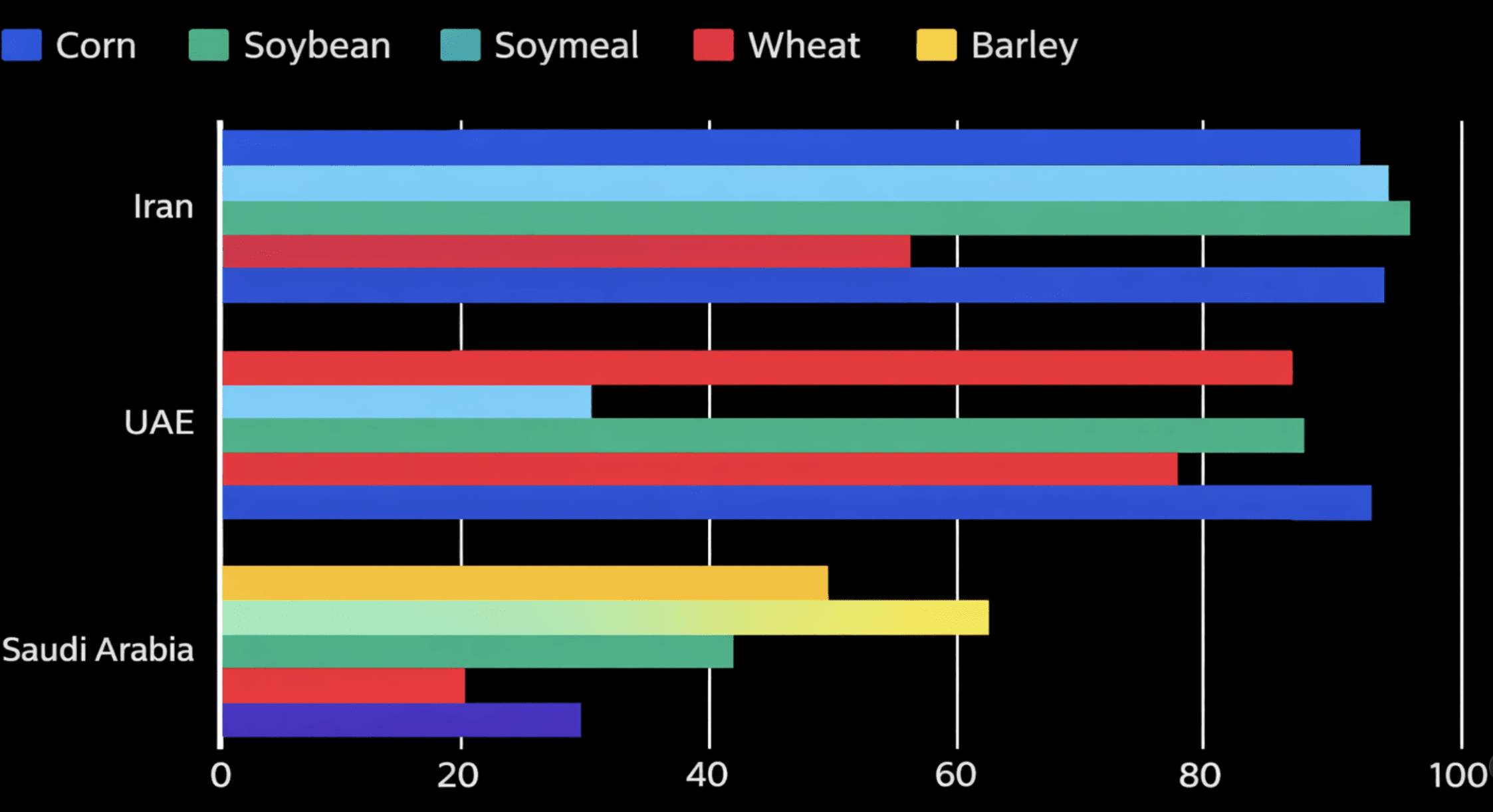
Kpler estimated that most of those Iranian flows moved through Hormuz. Saudi Arabia imports about 40% of its grains and oilseeds through eastern Gulf ports.
The United Arab Emirates brings in about 90% of those commodities through Jebel Ali in Dubai.
Jebel Ali also handles containerized food and perishables for the UAE, Saudi Arabia, Bahrain, and Qatar.
Those flows serve roughly 45 million to 50 million people. Kpler analyst Ishan Bhanu warned Iran would face “a major food issue” if disruption continues.
He noted that American and Israeli strikes threatened food supply chains and infrastructure inside Iran.
Doctor Christian Henderson of Leiden University warned of “an immediate risk of food insecurity within the region.” He added that Gulf states are “extremely dependent on imported food.”
Henderson also warned that Yemen, Sudan, and Somalia could face shortages and price rises. Those countries rely on the UAE as a transshipment point.
Iran grows much of its own food, but imports large volumes of grain and oilseeds. Bhanu noted that “pretty much all” of Iran’s corn arrives through Hormuz.
He also pointed to large soybean and wheat volumes moving through the strait. FAO trade experts warned that sugar and tea could also become scarce if the conflict persists.
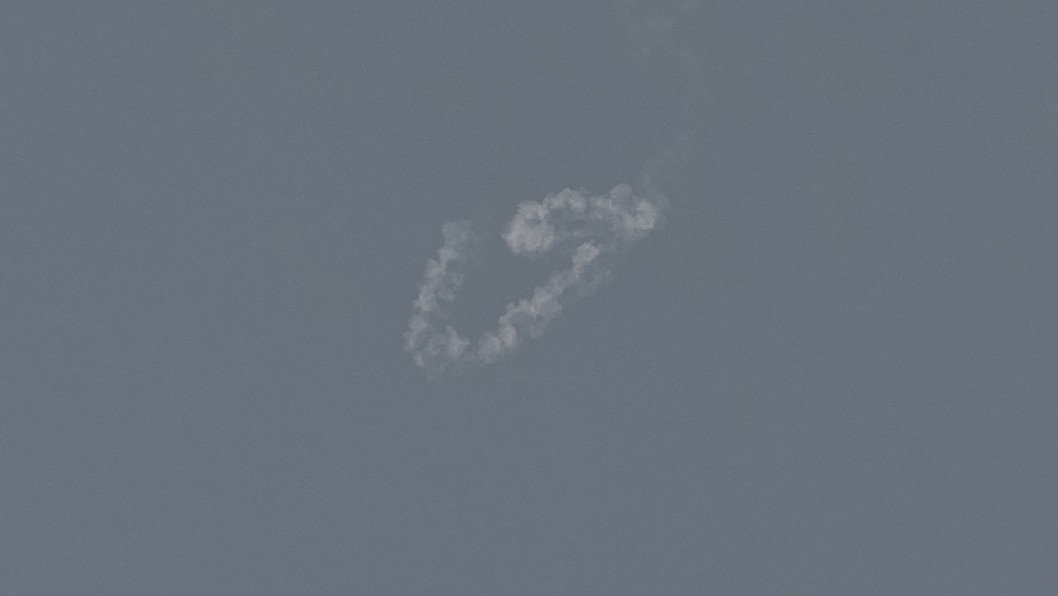
Meanwhile, drone attacks amid Israel-US-Iran escalation forced shutdowns at Saudi Aramco’s Ras Tanura refinery after debris sparked a small fire, while Saudi air defenses intercepted drones near the site, the report said.
Energy producers in Iraqi Kurdistan halted output at multiple fields as a precaution, even without confirmed direct damage, adding to disruptions already spreading across regional oil and gas infrastructure.
With traffic through the Strait of Hormuz nearly stopped after attacks on vessels, markets tightened, and Brent crude jumped about 10%.
Discuss this article:
-9a7b3a98ed5c506e0b77a6663f5727c5.png)


-c439b7bd9030ecf9d5a4287dc361ba31.jpg "Photo of Katherina Popilnichenko")
-72b63a4e0c8c475ad81fe3eed3f63729.jpeg "Photo of Cyril Barabaltchouk")