- Category
- War in Ukraine
German Official Says Ukraine-Russia Dialogue Window Opening, But Talks Reportedly Months Away
 Prefer U24 Media on Google
- Authors

-72b63a4e0c8c475ad81fe3eed3f63729.jpeg "Photo of Cyril Barabaltchouk")
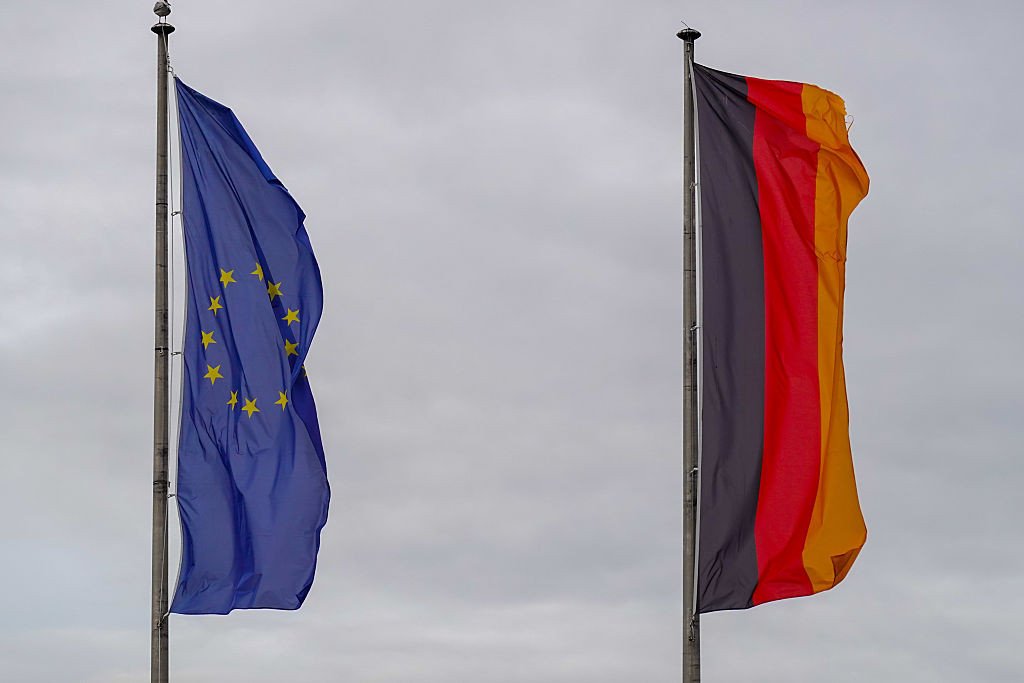
A window for dialogue between Europe and Russia regarding the war in Ukraine is slowly opening, an anonymous German government official told Reuters during a briefing on June 3.
However, he stated that actual negotiations are unlikely to commence for several months.
We bring you stories from the ground. Your support keeps our team in the field.
Speaking on the condition of anonymity, the official said that the necessity of establishing a legitimate and highly coordinated diplomatic framework that European nations perceive as legitimate before any formal engagement can begin. While the definitive leadership structure of future talks remains unconfirmed, strong indicators point to the E3 Group—comprising Germany, France, and Great Britain—maintaining a central role in anchoring European diplomacy, Reuters wrote.
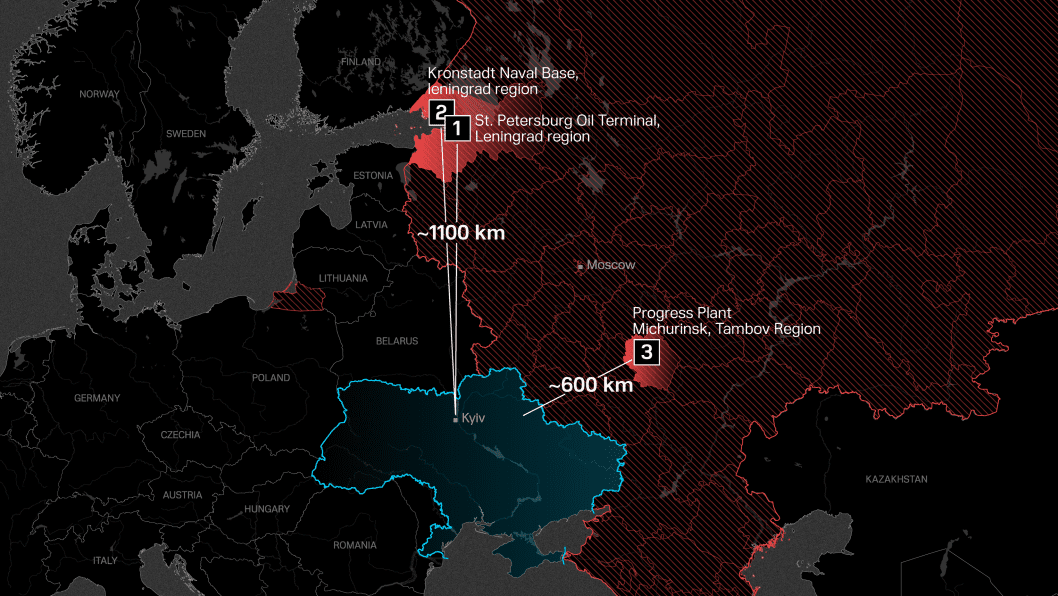
The shifting timeline for potential talks stems from an evolving security environment. Reuters reports that the German official noted that the advance of Russian forces has slowed significantly this year, while Ukrainian troops have simultaneously increased pressure on the ground and through an intensified campaign of long-range aerial strikes inside Russian territory. This includes a major drone strike targeting infrastructure in St. Petersburg on June 3, executing a high-profile hit right before President Vladimir Putin’s annual St. Petersburg International Economic Forum.
While Ukrainian leadership has indicated that securing an agreement to conclude the war by winter remains a realistic objective, Berlin reportedly emphasizes that recent fighting suggests reaching a viable diplomatic threshold will require months of sustained preparation. An anonymous official stressed that a foundational principle for any future framework is that negotiations must be conducted in absolute agreement with Kyiv.
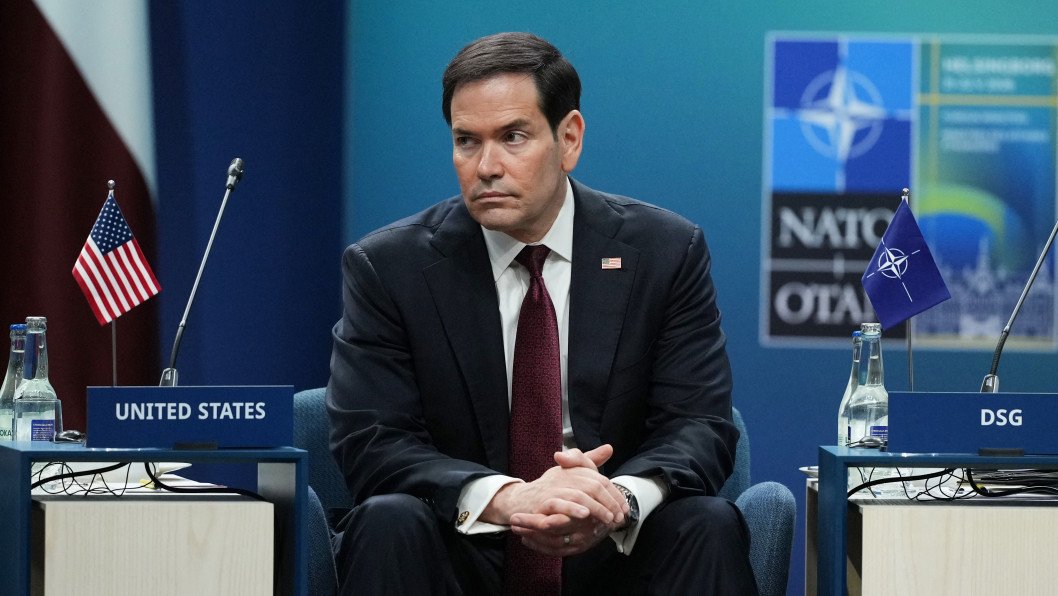
The official highlighted that unified coordination with the United States must remain a guiding parameter to prevent diplomatic fragmentation or competition among allies. This requirement coincides with the fact that direct US-brokered channels have slowed, with Washington’s primary focus shifting toward security crises involving Iran, according to Reuters.
Furthermore, Germany and other European governments have firmly dismissed recent suggestions by Russian leader Vladimir Putin that former German Chancellor Gerhard Schröder could serve as a European representative in future discussions with Moscow. The rejection reinforces a unified Western stance against utilizing unaligned or highly controversial intermediaries to dictate the terms of European security, Reuters reported.
This diplomatic framework aligns with the institutional position previously outlined by the European Union. During an informal meeting of Foreign Affairs Ministers, EU High Representative Kaja Kallas had stated that member states should not allow Moscow to dictate negotiation terms or determine which representatives are deemed suitable for talks.
Kallas emphasized that any future peace process must prioritize comprehensive European security interests rather than localized compromises. According to this framework, any potential military limitations requested of Ukraine must be strictly mirrored by reciprocal restrictions on Russia, alongside the complete withdrawal of Russian forces from occupied regions in Georgia and Moldova to establish long-term regional stability.
Discuss this article: