- Category
- World
Orbán Reportedly Ordered Notorious Raid on Ukrainian Oschadbank Cash-and-Gold Convoy
 Prefer U24 Media on Google
- Authors

-111f0e5095e02c02446ffed57bfb0ab1.jpeg "Photo of Roman Kohanets")
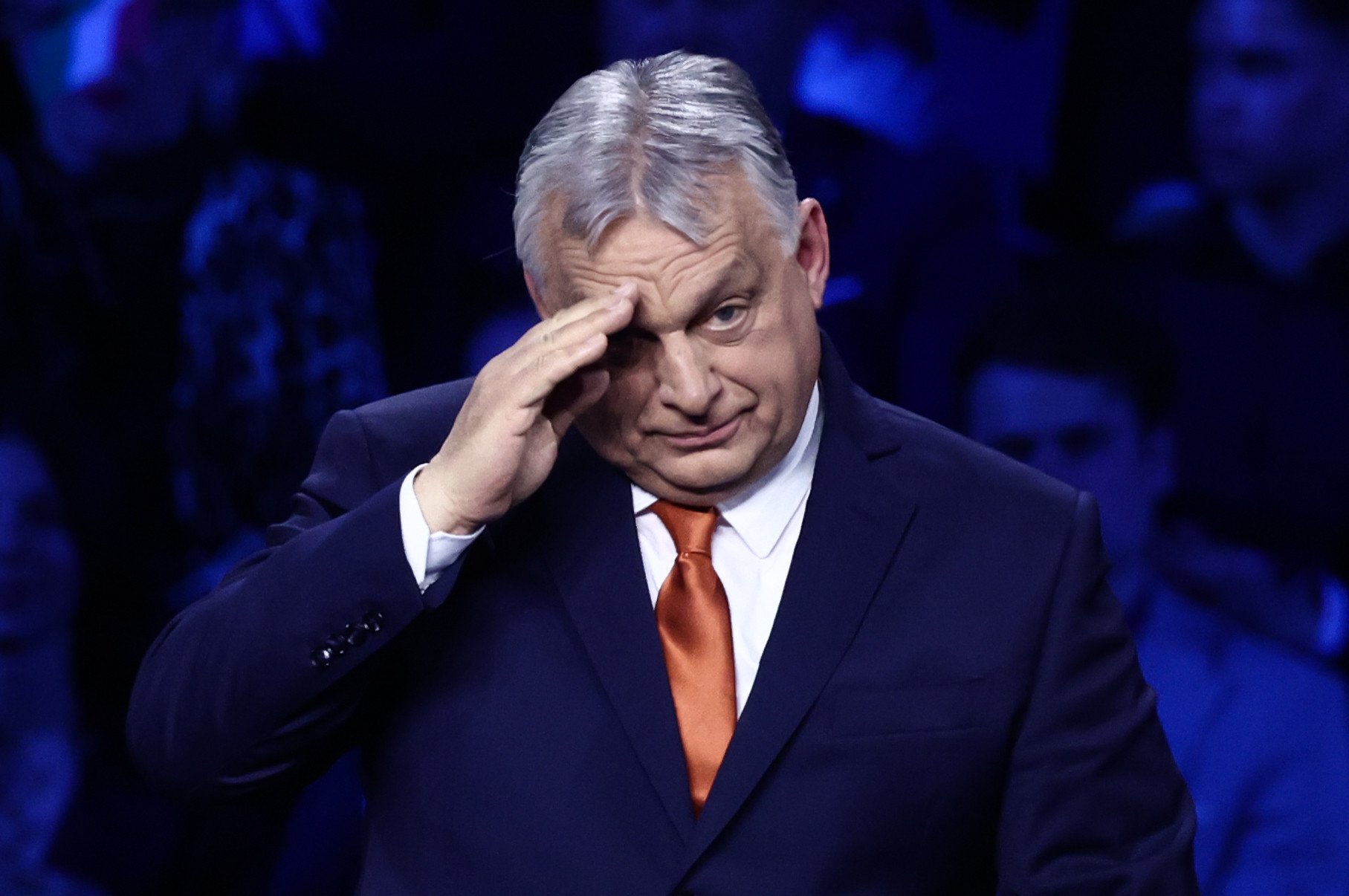
Hungary's March 5 raid on a Ukrainian cash-and-gold convoy was ordered personally by then-Prime Minister Viktor Orbán, who set the operation's date himself, even though nothing in the case professionally justified it.
Telex reported the account on June 3, citing weeks of background conversations with people directly involved in the operation or with close knowledge of the events that preceded it.
We bring you stories from the ground. Your support keeps our team in the field.
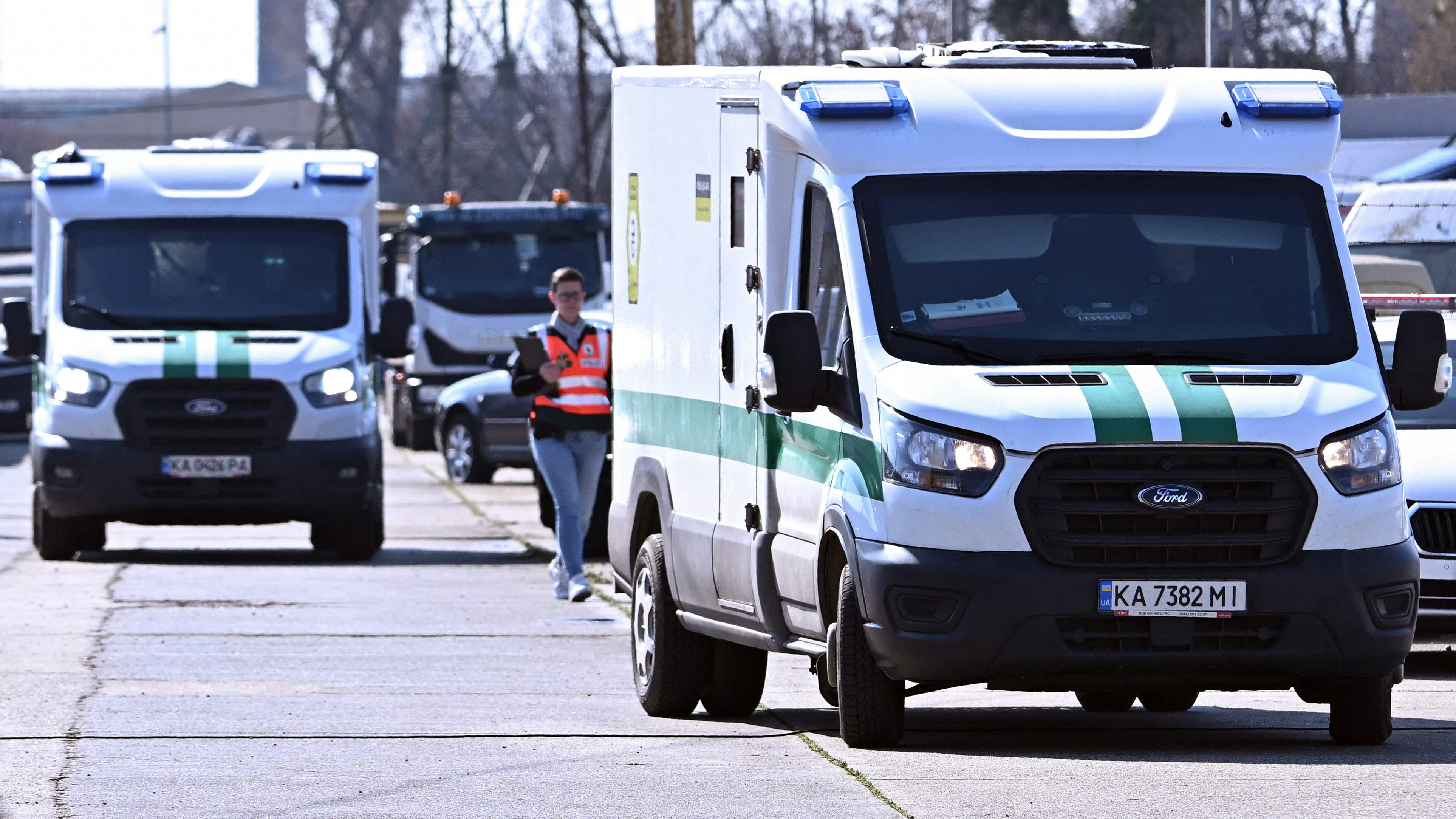
On March 5, two vans moving a shipment from Raiffeisen Bank in Austria toward the Ukrainian headquarters of the state-owned Oschadbank were forced off a known transit route at the Alacska rest area. Commandos from Hungary's counter-terrorism unit, the TEK, were waiting for them, armed.
The National Tax and Customs Administration (NAV) seized the cash and investment gold inside the vans, Telex wrote. The Ukrainian couriers were held for hours, released, and expelled, though they were never charged with any crime.
The case surfaced the next day and triggered sharp international criticism. The Orbán government celebrated the operation, posting the TEK footage to its official Facebook page and suggesting the Ukrainians had carried the money and gold illegally.
Kyiv rejected that version outright, casting the seizure as Hungary simply robbing Ukraine. The then-construction and transport minister, János Lázár, struck a defiant note in remarks cited by Telex, declaring, "We don't know who sent this cash or why, and we are not giving it back." Orbán had already issued a decree keeping the assets under Hungarian control for at least two months, until investigations concluded.
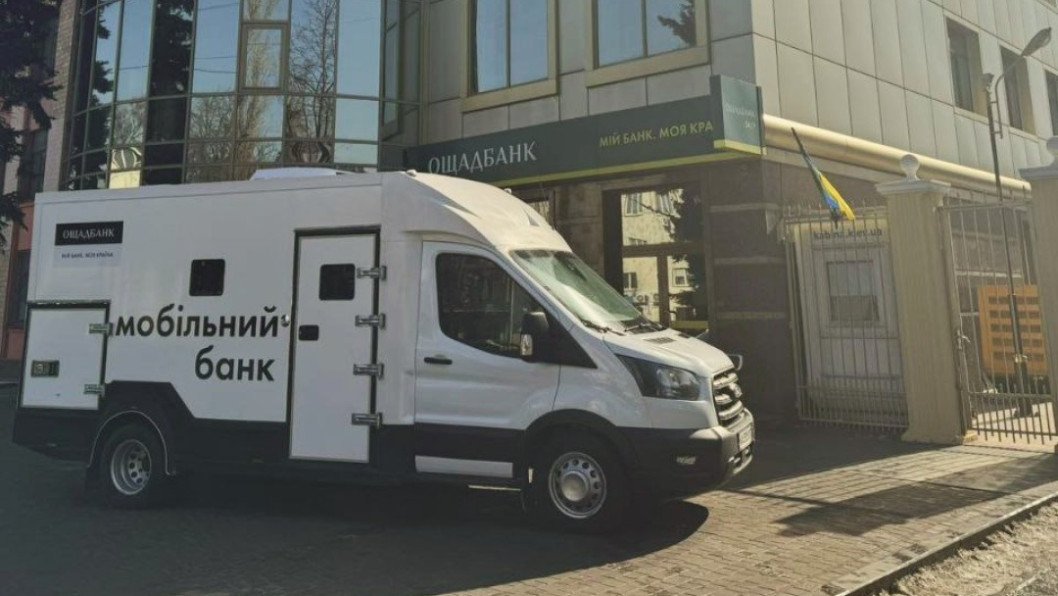
NAV opened proceedings on suspicion of money laundering, but the basis was thin. Austria's central bank reacted with bewilderment, noting that moving cash between countries is a routine, legal banking practice, and Austrian authorities found nothing irregular about either the transport or the funds. The shipments had run along the same route since 2022, and most of the cash bound for Ukraine had originated in the US, the report noted.
The outlet described the case as launched only on paper, with political calculation driving it from the top. The Constitutional Protection Office (AH) filed the criminal complaint the day before the raid, resting it on a weak money-laundering suspicion drawn from material gathered by Hungary's foreign-intelligence service.
In a written response to Telex, the AH confirmed that the directive had arrived in early March from a state secretariat in the Prime Minister's Cabinet Office that oversees the civilian intelligence services. The order was explicit, the agency stated: "The raid on the cash-transport vehicles had to take place on March 5." That state secretariat was executing Orbán's instruction, Telex noted, and the prime minister was kept informed throughout the day. Several independent sources said that Orbán had ordered the action and pushed it forward inside the government.
The motive, the sources indicated, was retaliation. Orbán was convinced that Ukraine had halted oil deliveries through the Russian-strike-damaged Druzhba pipeline for political reasons, not because the line could not be repaired, and wanted to respond to Kyiv with force.
-1a5fcbcc996c3558ed26e0f3739360a9.jpg)
At a business forum on March 5, before the operation became public, he had set the tone. "We will win, and we will win by force," Orbán declared. "There will be no compromise; we will break the oil blockade." Hungary would compel Ukraine to restart oil shipments, he added, demanding that the Druzhba line reopen "unconditionally and soon."
The government leaned on the episode to advance a second message, hinting that the Ukrainian funds were of unclear origin and were funding domestic opposition forces. Pro-government outlets amplified the story, using unmarked AI-generated images to portray the couriers as captured criminals.
The prosecution denied Telex that it had received any information from the government regarding the operation, maintaining that it acts independently of other branches during the investigative phase. The Budapest Investigative Prosecutor's Office separately opened a case over the unlawful detention of the couriers, who had been kept in handcuffs despite facing no charges, the report noted.
After Fidesz lost the election, the case unraveled. A prosecutor with access to the classified files concluded that the AH had never supported its national-security claims about the Ukrainians with adequate evidence.
The financial side of the affair had already been settled weeks earlier. The confiscated cash—about $40 million—and roughly 9 kilograms of gold were returned to Oschadbank in early May, a resolution that Kyiv welcomed as a constructive step toward repairing relations with Budapest.
The legal unwinding reached beyond the assets. Hungary canceled the deportation orders and three-year Schengen entry bans imposed on the seven Ukrainian handlers and ordered the related records erased. The crew had been held in handcuffs for more than a day, without consular access, before being expelled.
Discuss this article:
-4a56a6b482ec132402c16ef6fcabf9a2.png)