- Category
- Latest news
Hungary’s Illegal Seizure of Ukraine-Bound Cash Could Push Country Toward Soft Financial Isolation
 Prefer U24 Media on Google
- Authors


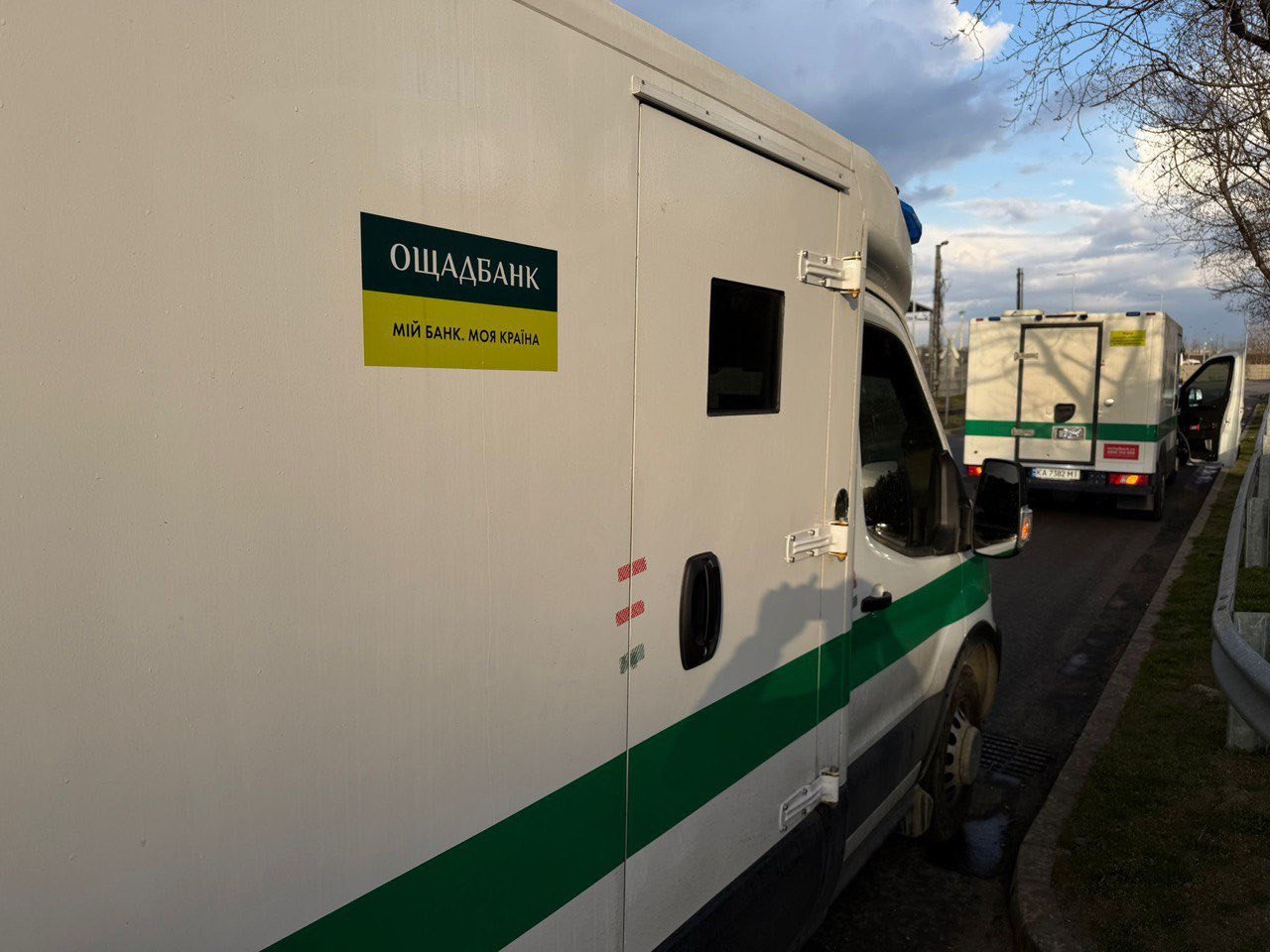
After Hungary detained Ukrainian cash couriers transporting funds from Austria’s Raiffeisen Bank to Ukraine, tensions with Brussels escalated. Meanwhile, banking lobbyists are calling to strip the government of Viktor Orban of the ability to cooperate with key EU financial institutions.
This was reported by Magyar Konzervatív on March 21.
We bring you stories from the ground. Your support keeps our team in the field.
Hungarian authorities intercepted on March 5 two armored vehicles carrying cash from Vienna to Ukraine as part of a routine cash supply operation organized with the involvement of Raiffeisen Bank. The vehicles were transporting approximately $80 million in various assets, including $40 million, €35 million, and 9 kilograms of gold.
While the shipment was conducted in accordance with international banking and customs procedures, Hungarian authorities seized the funds and initiated an investigation.
The incident has drawn attention within European financial circles. According to Magyar Konzervatív, banking representatives in Brussels are calling for restrictions on Hungary’s ability to cooperate with key EU financial institutions. Discussions are also underway regarding limiting purchases of Hungarian government bonds, reflecting growing concerns over political risk and potential conflict with EU institutions.
The developments could have broader implications for Hungary’s financial position. Analysts suggest that reduced access to European financial resources—central to Hungary’s economic model over the past decade—could increase borrowing costs and narrow the pool of potential creditors.
Hungary is already facing persistent budget deficits, and any disruption in financial cooperation with European partners could further strain its fiscal stability. In such a scenario, the government may be forced to rely on measures such as tax increases or spending cuts.
According to Magyar Konzervatív, even partial implementation of the proposed financial restrictions could lead to what some describe as a form of “soft financial isolation” within the European Union. While access to capital markets would formally remain, the cost of financing could rise significantly.
Apart from the seized funds, Ukrainian bank employees detained during the operation were reportedly subjected to coercive measures.
According to The Guardian, Hungarian security personnel allegedly administered a forced injection to one of the Oschadbank employees during questioning. Ukrainian officials said the individual, who has diabetes, was injected against his will, after which his condition deteriorated and required hospitalization.
Sources within Ukraine’s Security Service, cited by the outlet, believe the substance administered was a “relaxant” intended to make the detainee more talkative during interrogations, raising concerns about the methods used by Hungarian authorities.
Later, Ukrainian cash-in-transit employees detained earlier this month in Hungary have accused Hungarian security forces of subjecting them to torture and inhumane treatment, one of the detainees, Gennadiy Kuznetsov, said during a press briefing.
Kuznetsov stated that his condition worsened following the injections, after which he was taken to a hospital by Hungarian law enforcement. He remained hospitalized until his return to Ukraine.
Discuss this article: