- Category
- Latest news
Ukrainian Bank Staff Allegedly Given “Relaxant” Injection During Detention in Hungary
 Prefer U24 Media on Google
- Authors


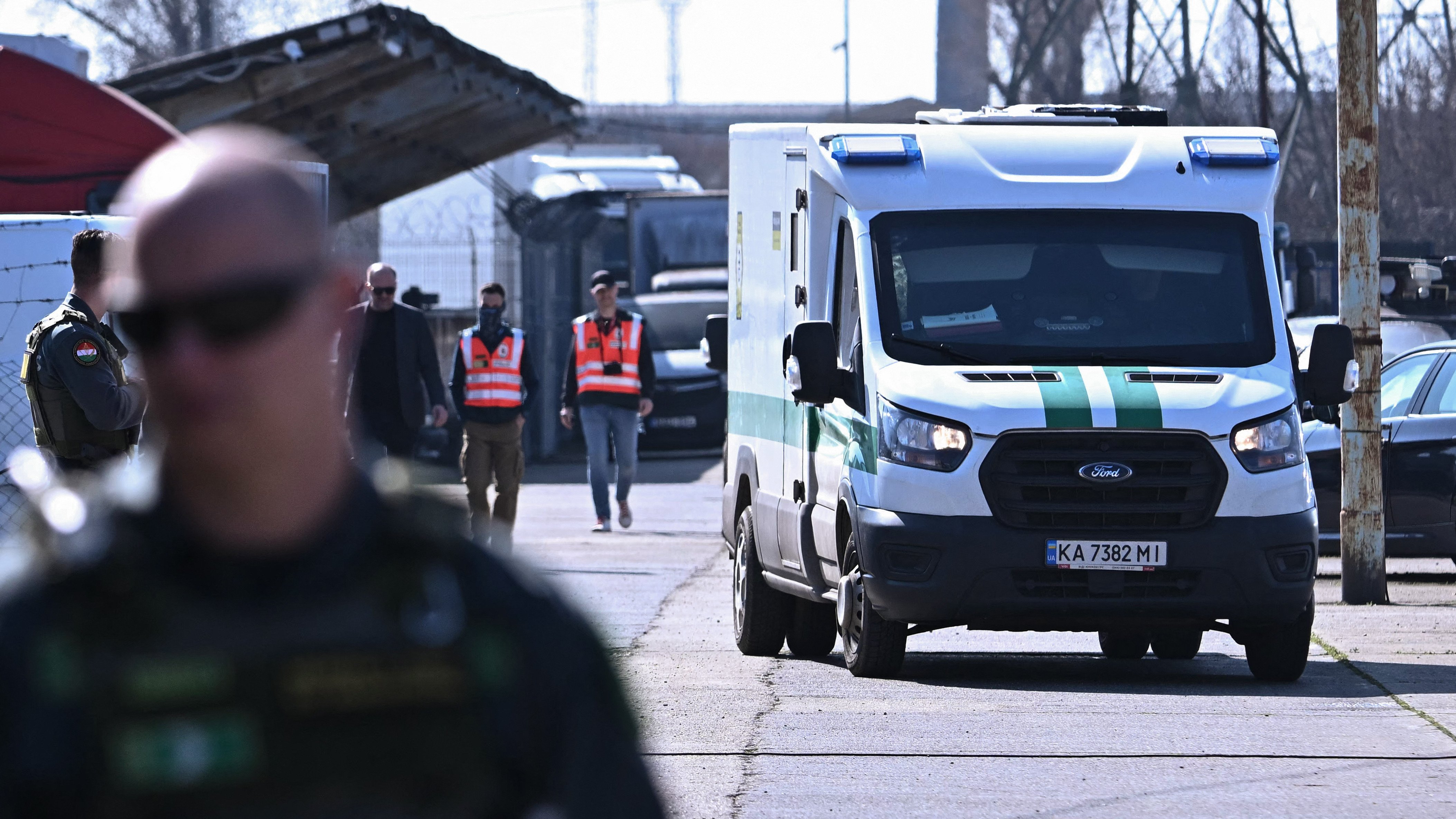
Hungarian security personnel allegedly administered a forced injection to one of several Ukrainian bank employees detained earlier this month during a high-profile seizure of armored cash vehicles in Hungary.
We bring you stories from the ground. Your support keeps our team in the field.
According to The Guardian on March 20, Ukrainian security sources claim the injection was given to a detained Oschadbank employee during questioning, raising concerns about the methods used during the operation.
Ukrainian officials previously stated that one of the detainees, who has diabetes, was injected against his will, after which his condition deteriorated and required hospitalization.
According to The Guardian, sources in Ukraine’s Security Service (SBU) believe the substance administered was a “relaxant” intended to make the individual more talkative during interrogations.
One Ukrainian source cited by the outlet described the method as a “Russian-style method” linked to practices associated with Soviet-era KGB interrogations. At the same time, The Guardian reports that it has not independently verified the medical findings. However, Hungarian lawyer Lóránt Horváth confirmed that “one individual received an injection of unknown contents despite his objections.”
A Hungarian police source also told The Guardian they had heard that an injection was administered, though they did not know what substance was used. Hungarian authorities have not publicly confirmed the details, and a spokesperson for Hungary’s Counter Terrorism Centre referred inquiries to the country’s tax and customs authority, which did not respond.
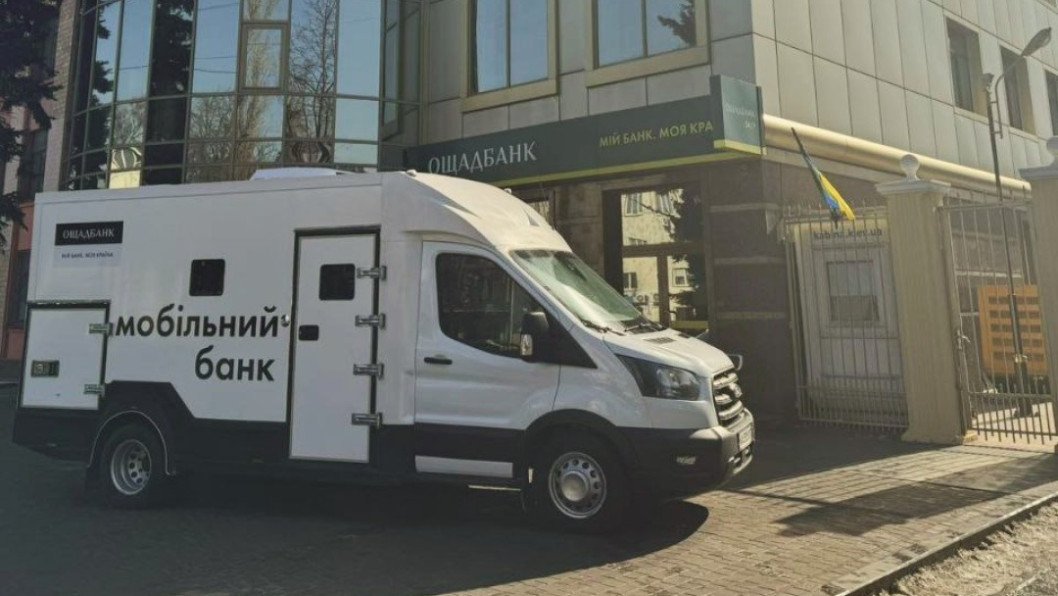
Seven Ukrainian nationals working for the state-owned Oschadbank were detained on March 5 by Hungarian TEK units while escorting two armored vehicles transporting large sums of cash and gold from Vienna to Ukraine.
The convoy reportedly carried approximately $40 million, €35 million, and 9 kilograms of gold, according to Ukrainian officials. The detainees were held for more than 24 hours, during which they were reportedly kept handcuffed and blindfolded for extended periods.
Ukrainian officials also stated that the detainees were denied communication in Ukrainian and were instead addressed in Russian.
Oschadbank confirmed that one of the detainees required specific medical care and that assistance was provided only after the individual lost consciousness. Following their release on March 6, all seven individuals were deported to Ukraine and banned from entering the Schengen area, while the transported funds and gold remain in Hungary.
Hungarian authorities have stated that the detention was linked to a money laundering investigation, alleging the funds were connected to what officials described as a “Ukrainian war mafia,” according to The Guardian, without publicly presenting detailed evidence.
Discuss this article:
-4a56a6b482ec132402c16ef6fcabf9a2.png)




-c439b7bd9030ecf9d5a4287dc361ba31.jpg "Photo of Katherina Popilnichenko")