- Category
- Latest news
Orbán May Lose The Vote—But Still Disrupt Power In Hungary, Politico Warns
 Prefer U24 Media on Google
- Authors


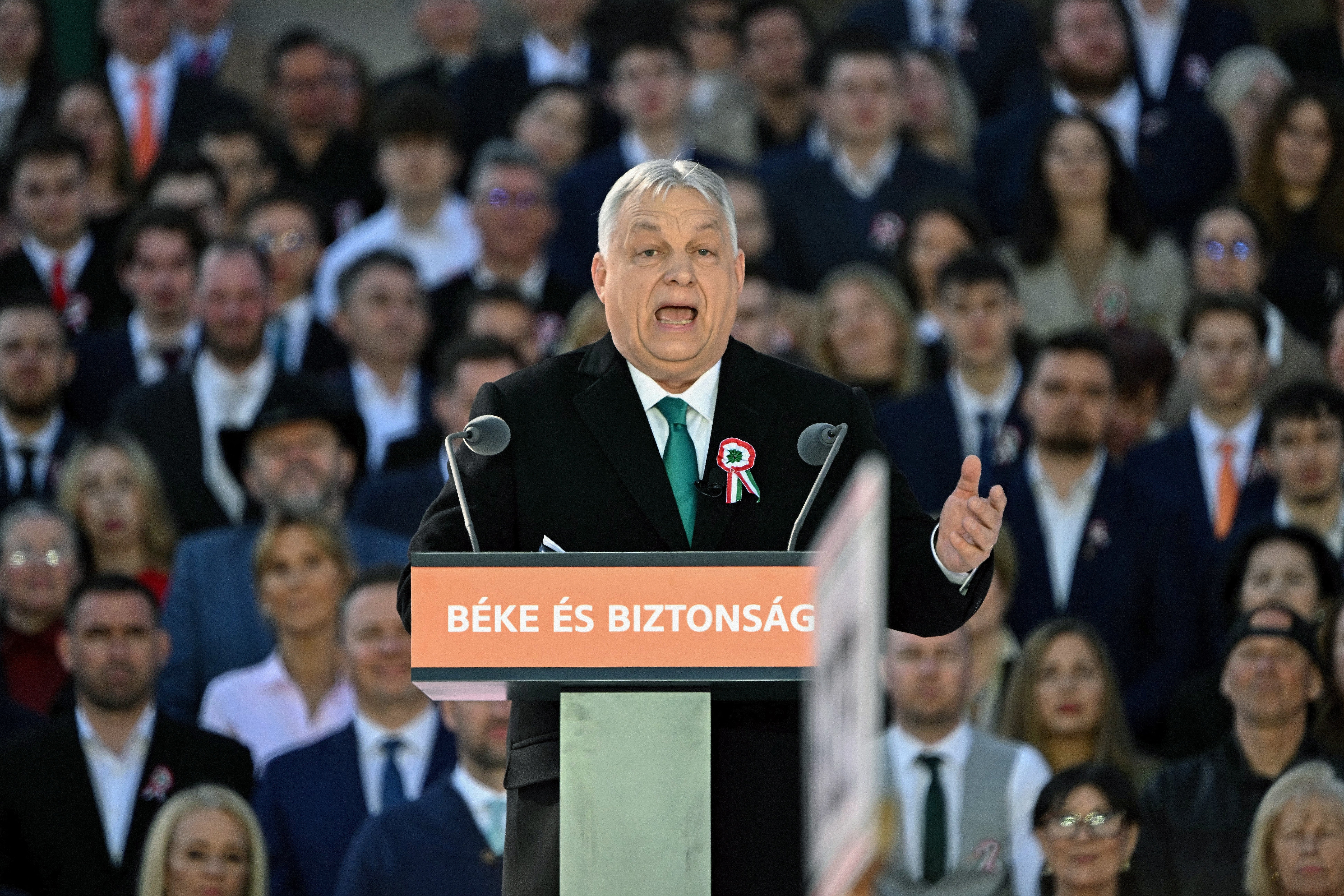
Hungary is preparing for a potentially contentious post-election period as concerns grow over how Prime Minister Viktor Orbán might respond if he loses power.
We bring you stories from the ground. Your support keeps our team in the field.
As the country approaches parliamentary elections, political debate in Budapest is increasingly focused not only on the vote itself but on the aftermath, including whether the losing side will accept the results, according to Politico on March 18.
Zsuzsanna Szelényi, a former lawmaker from Orbán’s ruling Fidesz party, told Politico that the prime minister could attempt to obstruct a transition of power in the event of defeat.
-278ccb44f31eada82b3fb30301b152e6.jpg)
“If the opposition wins just a simple majority, Orbán will have a lot of tools to make it almost impossible for a new government to be formed or even for a new parliament to be convened,” she said. “He could engineer a constitutional crisis and declare an emergency.”
According to Politico, the election campaign has already been marked by accusations of bias, manipulation, and competing claims about the legitimacy of polling data.
Surveys conducted by independent and opposition-aligned pollsters suggest that Péter Magyar’s Tisza party is leading by around 8 to 10 percentage points. However, polling organizations with ties to Fidesz report a comfortable lead for Orbán’s party.
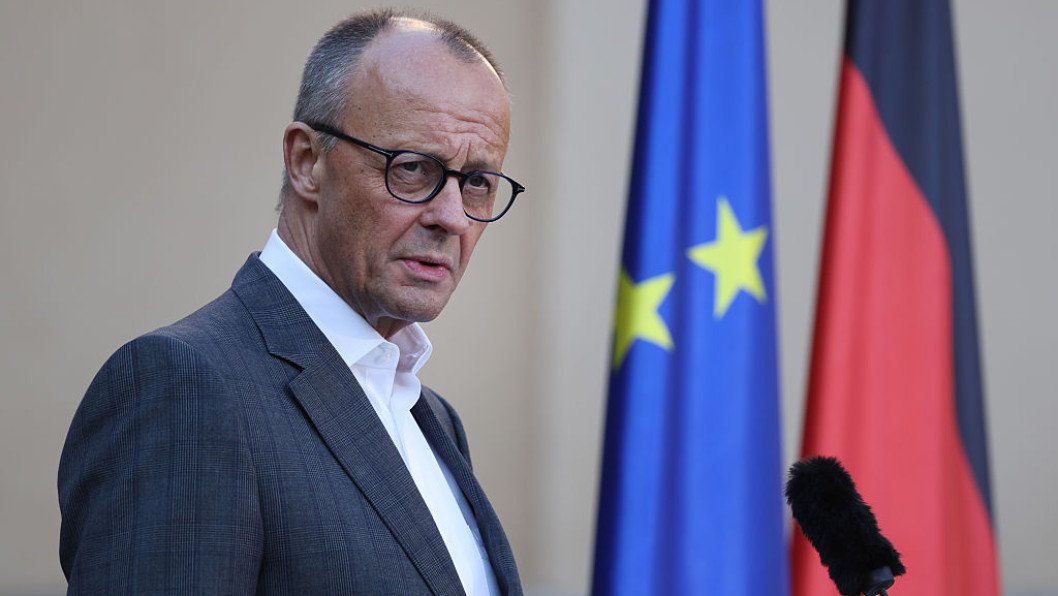
The divergence in polling has contributed to a broader narrative from both sides that the electoral process could be contested. Hungary’s EU minister János Bóka told Politico that opposition forces are “building the narrative that if they lose the election, then this is an illegitimate result.”
At the same time, analysts cited by Politico suggest that Orbán may be more likely to challenge unfavorable results than openly reject them. Political scientist Gábor Tóka told the outlet that the prime minister could contest outcomes at the district level and encourage public demonstrations.
“I think he will challenge the vote in the districts and may encourage street protests to frame the result as illegitimate,” he said.
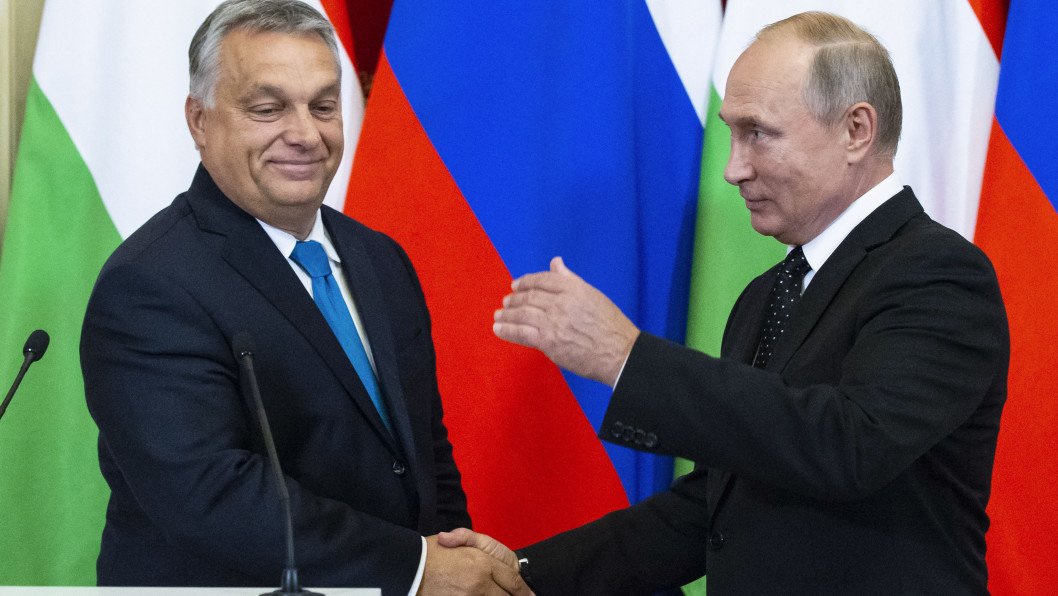
According to Politico, such actions would not necessarily aim to overturn the election outcome but could weaken a potential new government and improve Orbán’s chances of a political return.
The report notes that Hungary’s institutional framework could further complicate governance if the opposition secures only a simple majority. Without a two-thirds parliamentary majority, key reforms—including those required by the European Union to unlock approximately €18 billion in frozen funds—would remain difficult to implement.
Politico also highlights Orbán’s past political behavior following electoral defeat. After losing the 2006 election, Orbán initially acknowledged the result but later shifted strategy amid public protests triggered by a leaked speech from the ruling Socialist leadership.

According to Szelényi, Fidesz at the time “took politics to the streets and harried the government with highly obstructionist tactics in parliament.”
She told Politico that a similar approach could be repeated. “Orbán can make life very difficult subsequently for Tisza to govern,” she said.
Despite these concerns, some observers cited by Politico argue that Orbán is unlikely to explicitly claim election fraud, as doing so could undermine his prospects for a future political comeback. Instead, the focus may remain on legal challenges, political pressure, and public mobilization in the weeks following the vote.
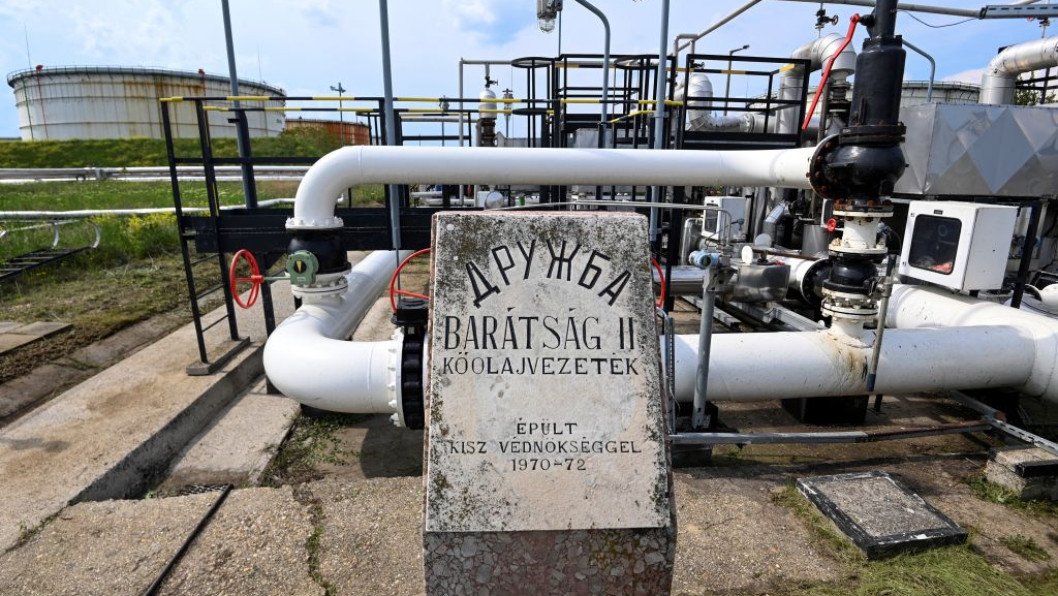
At the same time, tensions involving Hungary are already extending beyond its borders. According to the Security Service of Ukraine on March 18, Russian special services conducted an information and psychological operation targeting the Hungarian community in Ukraine’s Zakarpattia region.
The campaign used spoofed Ukrainian phone numbers to deliver threats while posing as nationalist groups or law enforcement, in an apparent attempt to incite fear and deepen friction between Kyiv and Budapest.
Discuss this article:
-4a56a6b482ec132402c16ef6fcabf9a2.png)



-c439b7bd9030ecf9d5a4287dc361ba31.jpg "Photo of Katherina Popilnichenko")