- Category
- World
New Swiss Sanctions Target Russian Military and Deportation of Ukrainian Children
 Prefer U24 Media on Google
- Authors

-72b63a4e0c8c475ad81fe3eed3f63729.jpeg "Photo of Cyril Barabaltchouk")
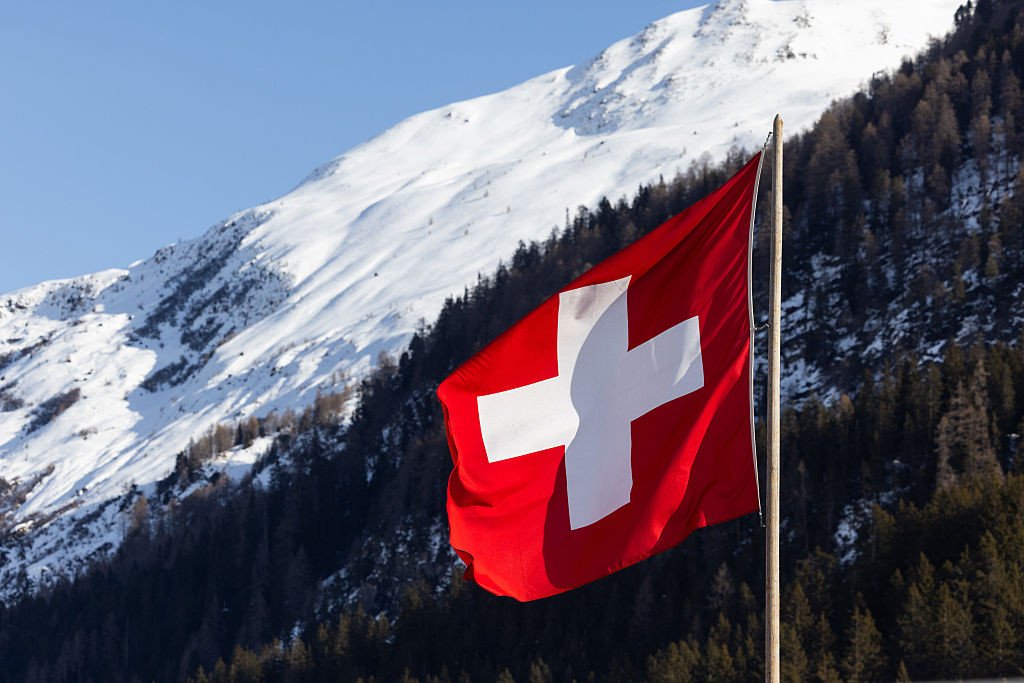
Switzerland expanded its sanctions against Russia and Belarus, adopting key components of the European Union’s latest punitive measures in response to Russia’s war against Ukraine, Reuters reported on May 22.
The Swiss Federal Department of Economic Affairs confirmed that the new restrictions take effect at 11 p.m. local time on May 22. Under the expanded framework, an additional 115 individuals and entities will be subject to strict asset freezes and bans on receiving funds.
We bring you stories from the ground. Your support keeps our team in the field.
Sanctioned individuals are also explicitly barred from entering or transiting through Swiss territory, Reuters wrote.
According to the department, the newly designated targets include figures and organizations tied to Russia’s military-industrial complex and energy sector. The sanctions also specifically penalize individuals involved in the forced deportation and ideological indoctrination of Ukrainian children.
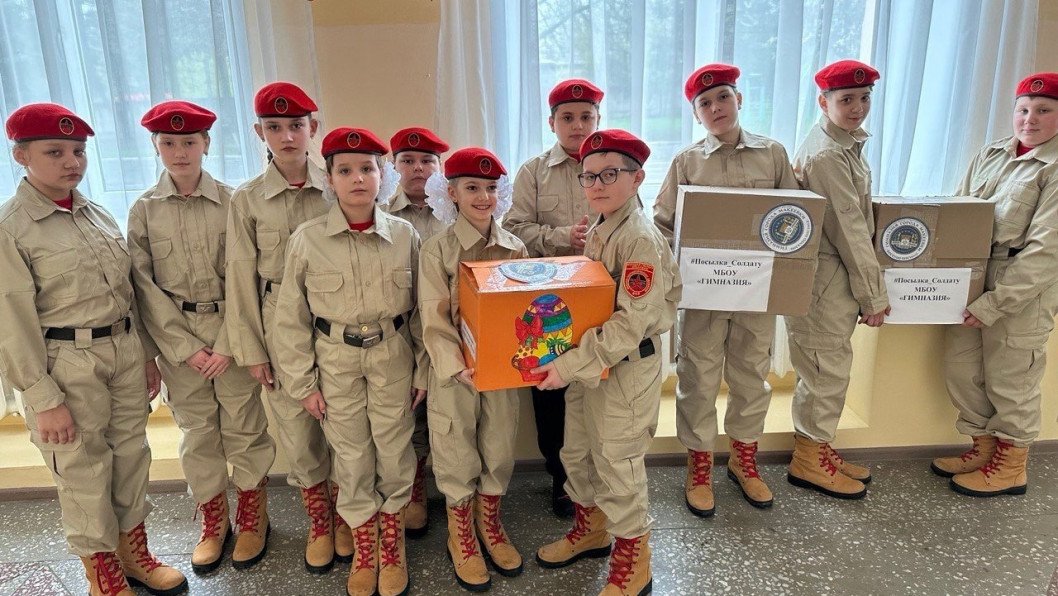
Since the beginning of the full-scale invasion of Ukraine, Russian authorities have illegally deported over 20,000 Ukrainian children, placing many into “re-education camps” across Russia and temporarily occupied territories.
In these facilities, minors are subjected to intense pro-Kremlin propaganda, cultural assimilation, and military indoctrination—actions that have already triggered International Criminal Court arrest warrants for Russian leader Vladimir Putin and his children’s rights commissioner, Maria Lvova-Belova.
Reuters reported that, to further clamp down on sanctions evasion, Switzerland is tightening its trade restrictions.
Sixty additional companies—including several operating out of third countries—will now face stringent export controls designed to block the flow of critical goods and technology to the Russian military apparatus.
These latest restrictions build upon a sanctions package enacted by Bern earlier this year. The Swiss federal government had previously announced a comprehensive ban on the purchase and import of Russian liquefied natural gas, alongside aligned financial and trade restrictions mirroring the EU’s 19th sanctions package.
Those earlier measures targeted cryptocurrency services, advanced technologies, and closed evasion loopholes through Belarus.
Discuss this article:

-c439b7bd9030ecf9d5a4287dc361ba31.jpg "Photo of Katherina Popilnichenko")