- Category
- Latest news
EU Adopts 20th Sanctions Package Targeting Russia’s Energy Sector and Shadow Fleet Network
 Prefer U24 Media on Google
- Authors

-c439b7bd9030ecf9d5a4287dc361ba31.jpg "Photo of Katherina Popilnichenko")
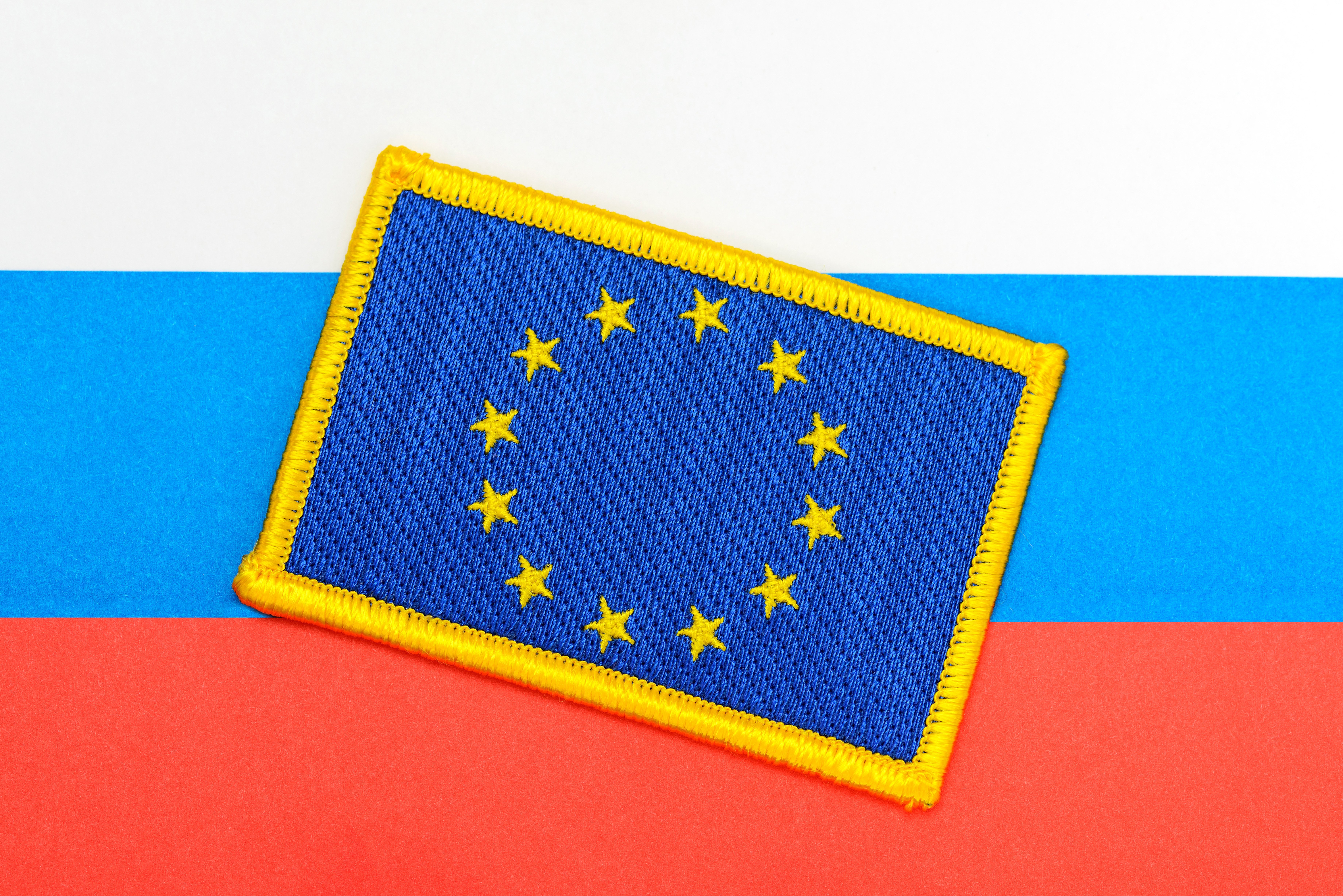
On April 23, the European Union officially approved its 20th package of sanctions against Russia. The new measures include over 100 individual restrictions and increase pressure on the energy sector and the "shadow fleet."
The package also introduces new actions against financial institutions in third countries and companies that support the Russian military-industrial complex, according to European Pravda.
We bring you stories from the ground. Your support keeps our team in the field.
The Council of the EU released an official statement confirming the adoption of the measures. The package includes 120 new individual sanctions and multi-level economic restrictions. These measures target key sectors that fund Russia’s full-scale invasion of Ukraine.
The new package establishes a framework for a future ban on the maritime transport of Russian crude oil and petroleum products. This process will be coordinated with the G7 and the international price cap coalition.
The sanctions also include a comprehensive list of 36 entities involved in the Russian energy sector, covering exploration, production, processing, and transportation.
"This package strategically targets new players who have recently increased their share in the export market. Revenues from the export of Russian oil are further limited through listings focused on the shadow fleet ecosystem, including entities operating in third countries, as well as a significant maritime insurer," the statement said.
An additional 46 vessels are now banned from accessing ports and receiving maritime services. This brings the total number of restricted vessels to 632. The measures also introduce mandatory due diligence checks for the sale of tankers and ban maintenance services for Russian liquefied natural gas (LNG) tankers and icebreakers.
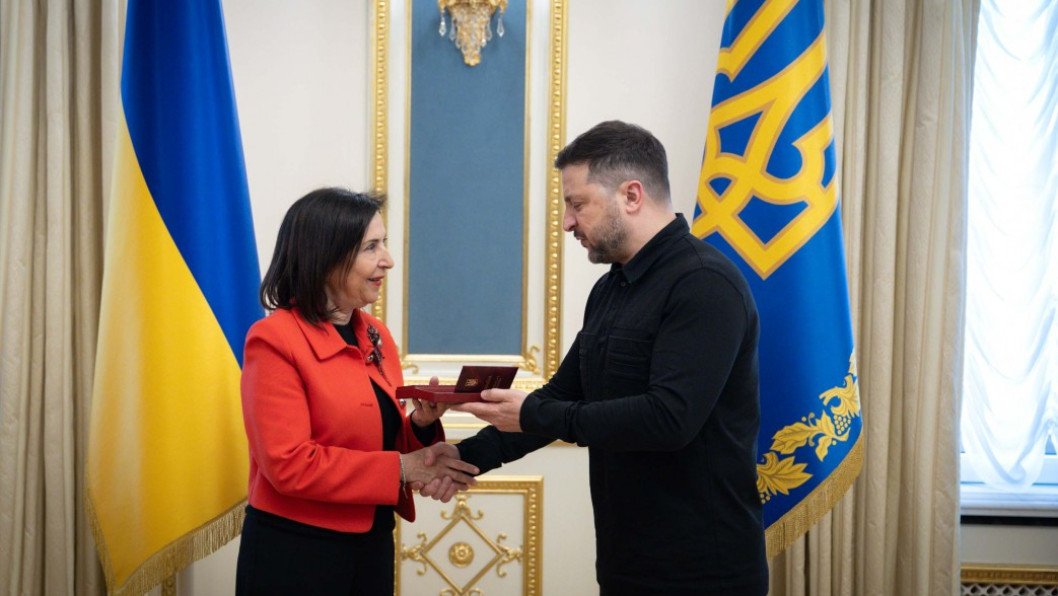
Starting in January 2027, it will be illegal to provide LNG terminal services to Russian entities or those controlled by Russian citizens.
The EU is also targeting financial transactions. Four financial institutions in third countries have been banned for bypassing EU sanctions or for connections to the Russian System for Transfer of Financial Messages.
Furthermore, the package restricts the Russian military-industrial complex by adding 58 companies and related individuals involved in the production of military goods like drones.
For the first time, the EU is using its anti-circumvention tool to ban the export of CNC machine tools and radio equipment to Kyrgyzstan due to a high risk of re-export to Russia.
A quota on ammonia imports was also introduced. Alongside the sanctions, the EU Council approved changes to the long-term budget to provide Ukraine with 90 billion euros in loans for 2026-27. Estonian Foreign Minister Margus Tsahkna stated that work on the next sanctions package has already begun.
Earlier, President Volodymyr Zelenskyy dismissed the concept of token EU membership for Ukraine, stating that the nation’s defense of Europe was a reality rather than a symbolic gesture. During a meeting with journalists, Zelenskyy emphasized that Ukraine deserved to become a full member of the European Union.
He expressed gratitude to EU nations seeking ways to speed up the process but made it clear that anything less than full membership was unacceptable. The President also warned Ukrainian institutions against pursuing symbolic membership, drawing parallels to past diplomatic agreements that failed to provide real protection.
Discuss this article:

-111f0e5095e02c02446ffed57bfb0ab1.jpeg "Photo of Roman Kohanets")

-7647a088f8ed2b81f52ab779f3a93cd0.png "Equipment and personal gear belonging to Ukrainian troops from the 425th Separate Assault Regiment “Skelya” are transported on a small wagon through an underground gas pipeline near Kupiansk. (Source: 425th Separate Assault Regiment “Skelya”)")
-72b63a4e0c8c475ad81fe3eed3f63729.jpeg "Photo of Cyril Barabaltchouk")