- Category
- War in Ukraine
Canada and EU Launch New Sanctions Blitz Over Russia’s Abduction of Ukrainian Children
 Prefer U24 Media on Google
- Authors


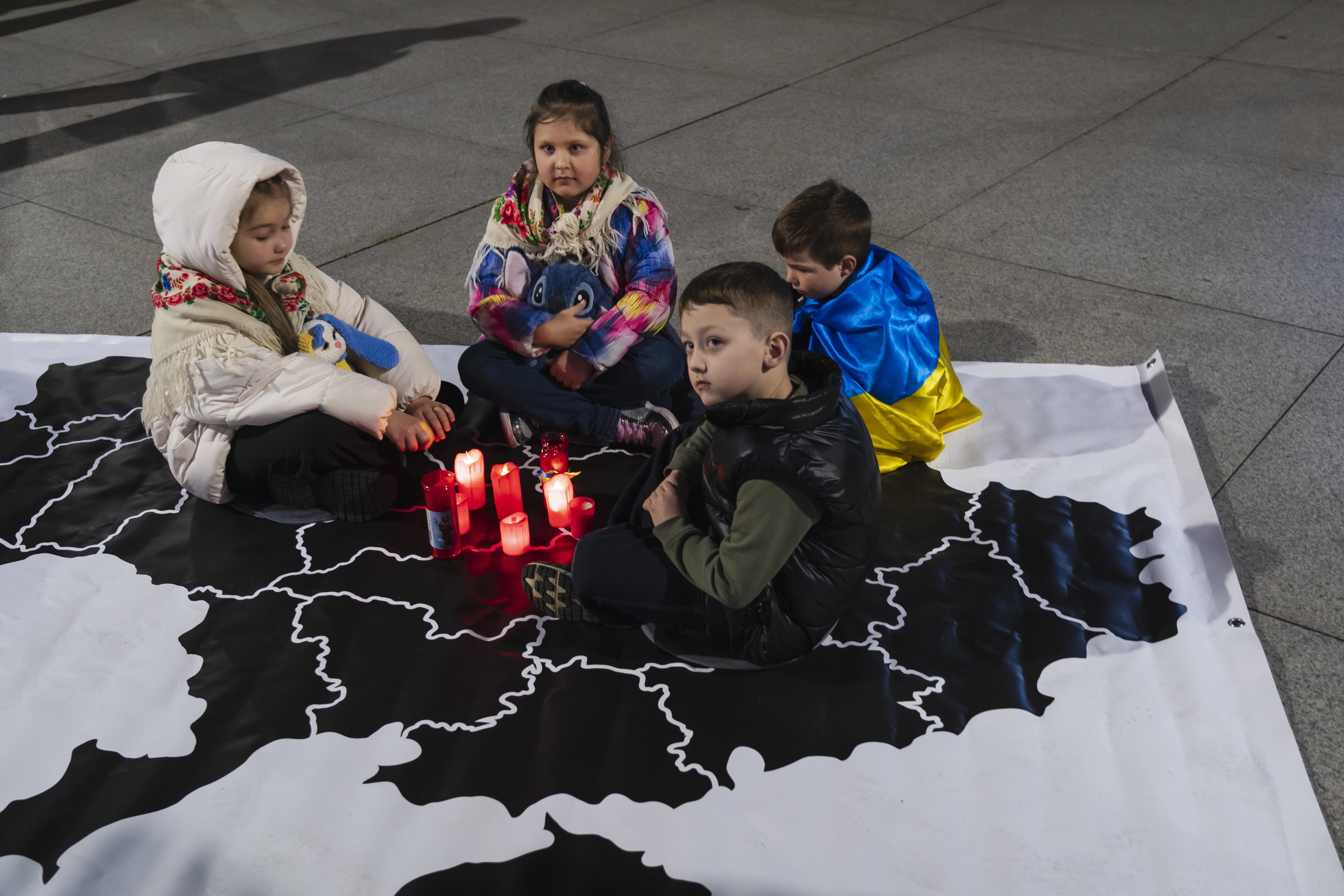
The European Union and Canada announced a new wave of sanctions targeting Russian officials, camps, and institutions accused of participating in the deportation, forced assimilation, and indoctrination of Ukrainian children taken from occupied territories since the start of Russia’s full-scale invasion.
The EU on May 11 imposed sanctions on 16 individuals and seven organizations allegedly involved in the transfer, re-education, and militarization of Ukrainian minors, while Canada introduced separate sanctions against 23 individuals and five entities tied to what Ottawa described as violations against Ukrainian children.
We bring you stories from the ground. Your support keeps our team in the field.
According to EU officials, the sanctions package includes travel bans and asset freezes against camp administrators, government representatives, and military officials accused of helping strip Ukrainian children of their national identity.
European authorities say more than 20,500 Ukrainian children have been unlawfully deported or forcibly transferred to Russia or Russian-occupied territories since 2022.
Officials warn that many of the children are issued Russian passports, placed in adoption systems, or sent to camps where they undergo political indoctrination and military-style training.
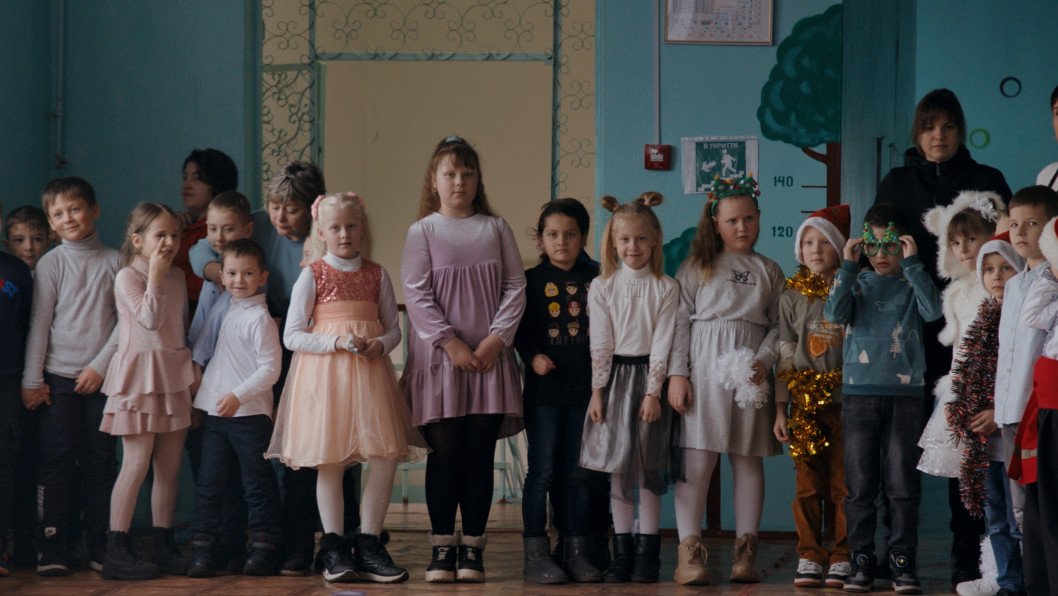
“Russia is trying to erase their identity,” Latvian Foreign Minister Baiba Braže said during a meeting of EU foreign ministers in Brussels.
“When you look at the Genocide Convention, it’s one of the features of the genocide crime. So, it’s very serious,” she added.
The sanctions also targeted facilities accused of preparing children for future service in either the Russian military or pro-Russian armed groups operating in occupied Ukrainian territory.
Among those sanctioned was Lilya Shvetsova, identified by the EU as the head of the “Red Carnation” camp in occupied Crimea. According to the bloc, she oversaw programs designed to shape the “political and ideological views” of children held at the facility, including Ukrainian minors.
The UK and the EU have expanded sanctions against the Russian system of kidnapping Ukrainian children.
— SPRAVDI — Stratcom Centre (@StratcomCentre) May 11, 2026
Under the UK's restrictions, 85 individuals and organizationsinvolved in the kidnapping and "re-education" of Ukrainian children have been targeted.
Separately, sanctions have… pic.twitter.com/xpIBcQQmOQ
The European Commission said the targeted individuals and organizations were involved in “supporting and implementing actions and policies contributing to the deportation, forced transfer, forced assimilation, including indoctrination, or militarized education of Ukrainian minors.”
The new measures bring the total number of people and entities sanctioned by the EU over the abduction of Ukrainian children to more than 130.
At the same time, Canada condemned what it described as Russia’s “illegal deportation and forced transfer” of Ukrainian children, calling the practice a serious violation of international law and human rights obligations.
“Canada calls on the Russian authorities to immediately return Ukrainian children home and comply with international obligations,” the Canadian government said in a statement.
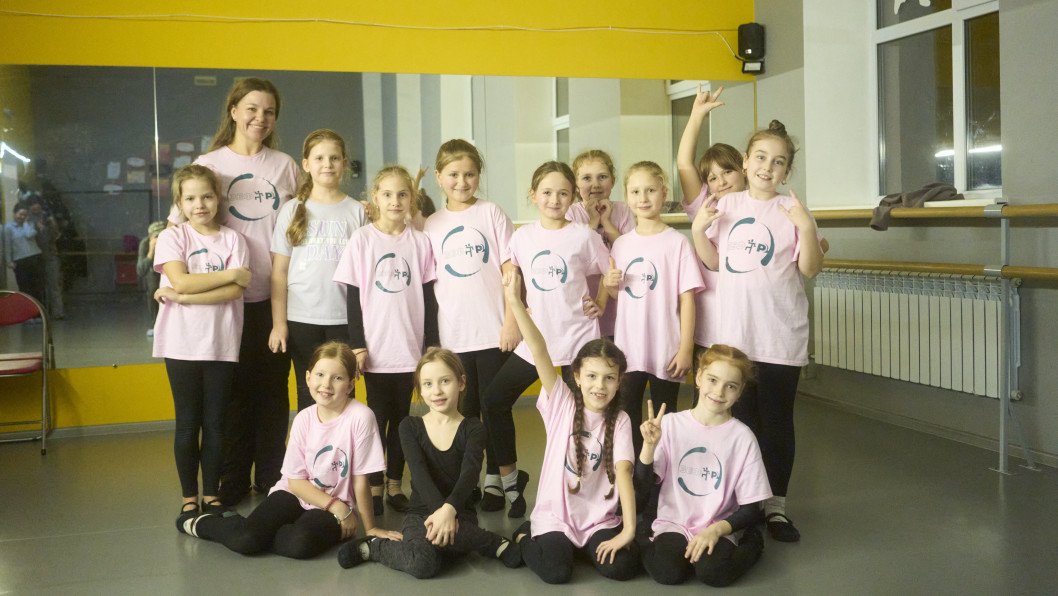
“The return of these children is important from a humanitarian point of view and key to establishing a just and lasting peace in Ukraine.”
Ottawa noted that it had already sanctioned more than 80 individuals and entities connected to abuses involving Ukrainian children before the latest round of restrictions.
The sanctions were announced as the EU and Canada jointly hosted a meeting of the 47-country International Coalition for the Return of Ukrainian Children, aimed at increasing diplomatic pressure on Moscow and coordinating efforts to identify and recover deported minors.
“War has really many faces, but stealing the children is really one of the most horrific,” said Marta Kos ahead of the gathering. “We should stop this, and Russia should pay.”
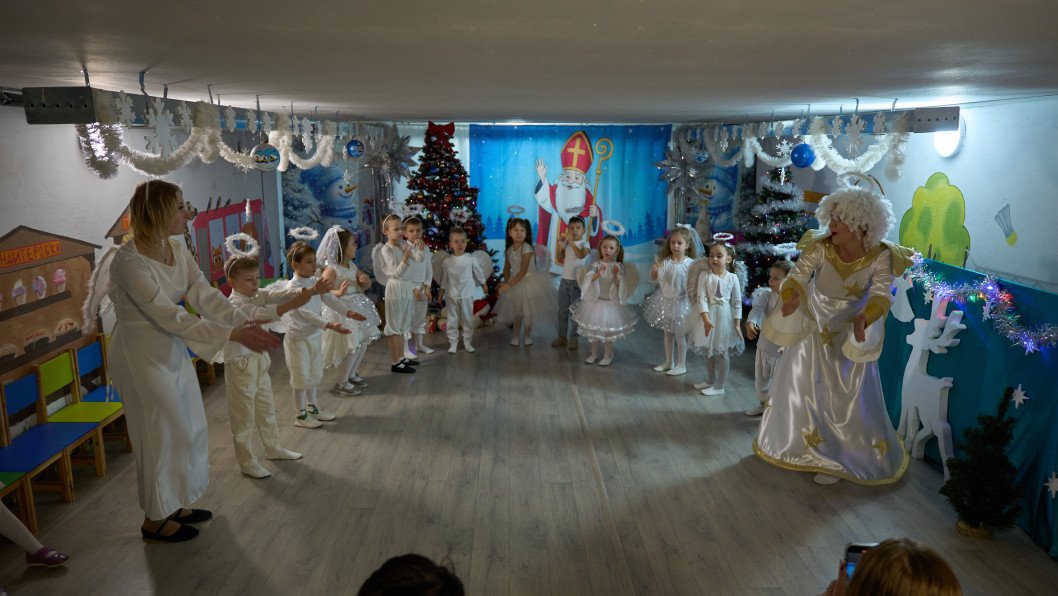
The issue has also drawn international legal scrutiny. The International Criminal Court previously issued an arrest warrant for Russian leader Vladimir Putin, accusing him of personal responsibility for the unlawful deportation of Ukrainian children.
Ukrainian and international officials say around 2,200 children have so far been returned, though tracing and identifying many of them remains difficult after years spent inside Russia or occupied territories.
Previously, twenty thousand teddy bears were placed on the National Mall near the US Congress in Washington, D.C., to represent each Ukrainian child abducted by Russia since the full-scale invasion of Ukraine began in 2022.
Discuss this article:
-4a56a6b482ec132402c16ef6fcabf9a2.png)

-c439b7bd9030ecf9d5a4287dc361ba31.jpg "Photo of Katherina Popilnichenko")
-29a1a43aba23f9bb779a1ac8b98d2121.jpeg "Photo of Illia Kabachynskyi")