- Category
- Latest news
Inside Russia’s $170 Million Push to Turn Kids Into Drone Operators
 Prefer U24 Media on Google
- Authors


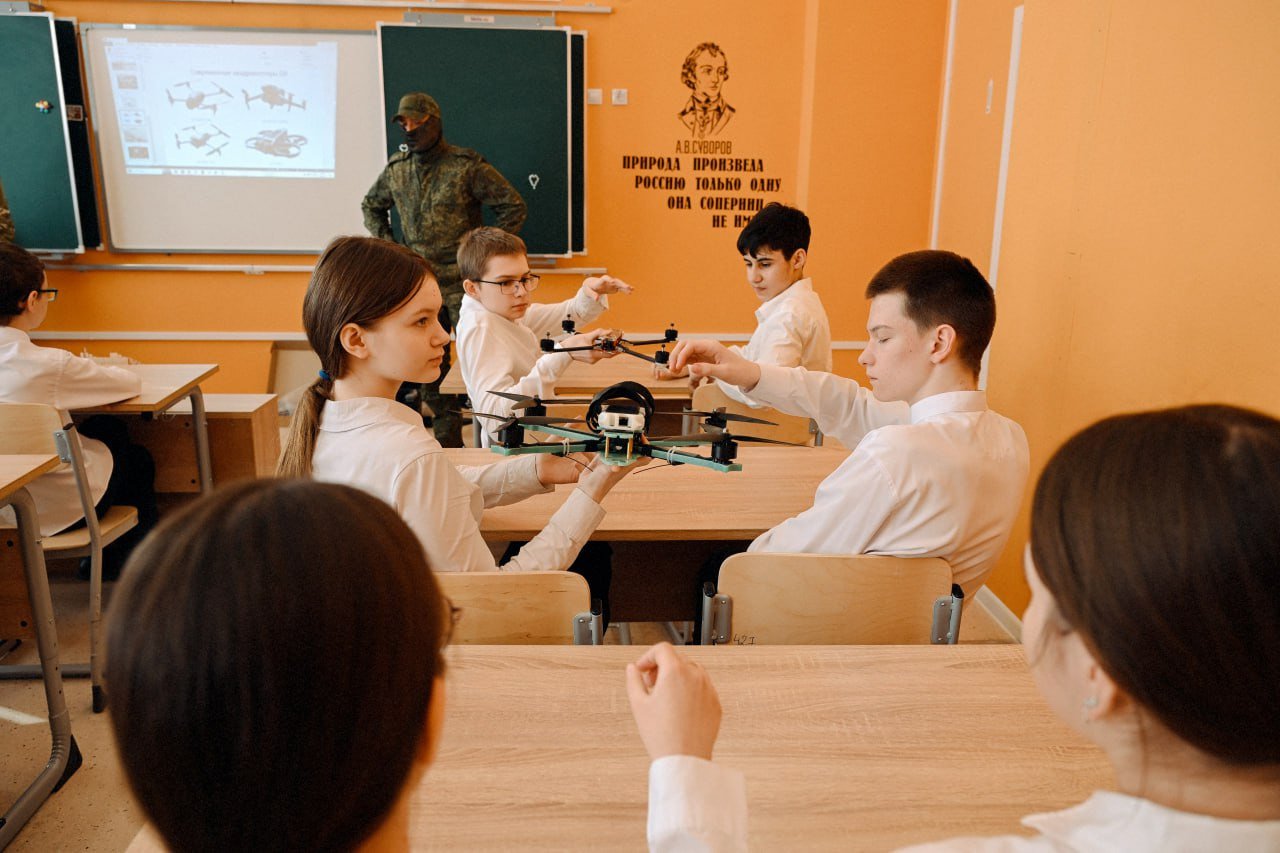
Russian educational institutions have sharply increased spending on drones and related training equipment since the start of the full-scale war against Ukraine, with total expenditures reaching nearly $170 million over four years.
We bring you stories from the ground. Your support keeps our team in the field.
According to Novaya Gazeta Europe on April 20, annual spending by schools, colleges, universities, and kindergartens rose from roughly $3.3–3.8 million before 2022 to billions in subsequent years.
Purchases doubled to around $6.5 million in 2022, then climbed to $28 million in 2023 and exceeded $105 million in 2024. In 2025, spending declined to approximately $30 million, likely reflecting previously signed long-term contracts.
Drone procurement has expanded beyond technical universities to include general education schools and even preschool institutions. The investigation identified purchases by kindergartens in regions such as Tyumen, Perm, and Sakhalin.
In some cases, children participate in drone-related activities or competitions. Moscow accounted for the largest contracts, totaling nearly $38 million, with regional education ministries also among the main buyers.
The report notes that before the war, drones were primarily used for civilian and technical training purposes, including mapping, agriculture, and logistics. However, their role has shifted alongside the broader militarization of drone use.
Both Ukraine and Russia have established dedicated unmanned systems forces, reflecting the growing role of drones in warfare. According to Latvian intelligence cited in the report, drones account for 70–80% of battlefield casualties.
-f4d5266315a9d50523f32c409d842773.png)
According to Novaya Gazeta Europe, Russia significantly increased drone production, with President Vladimir Putin stating that 140,000 drones were delivered to the military in 2023 and 1.4 million in 2024.
The report notes that operating these systems requires large numbers of trained personnel, contributing to the expansion of drone education programs. Since 2025, universities have also been involved in recruitment efforts for drone units, targeting students with financial incentives and other benefits.
The investigation highlights several major suppliers linked to state contracts. According to Novaya Gazeta Europe, the largest provider is Geoscan, a company partially backed by a foundation associated with Putin’s daughter, Katerina Tikhonova.
The outlet reports that Geoscan’s revenue increased significantly after 2023, supported by government procurement programs. Another key supplier is MT-Integration, which secured a large contract to deliver drone training kits to Moscow schools. A third major contractor, Prosveshcheniye-Region, is linked by investigators to businessman Arkady Rotenberg.
According to Novaya Gazeta Europe, drone-related topics were formally added to Russia’s school curriculum in 2024 as part of the subject “Technology,” with students learning assembly, programming, and piloting skills.
While official materials emphasize civilian applications, the report states that military-related instruction is included under separate courses focused on national security. Teachers involved in these programs are reportedly trained at centers with ties to military personnel.
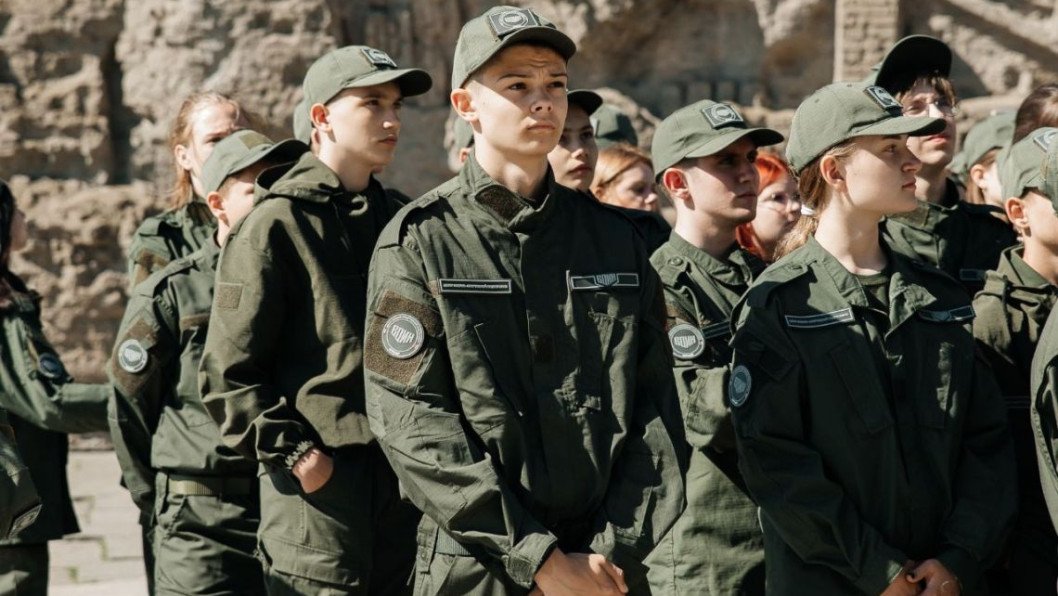
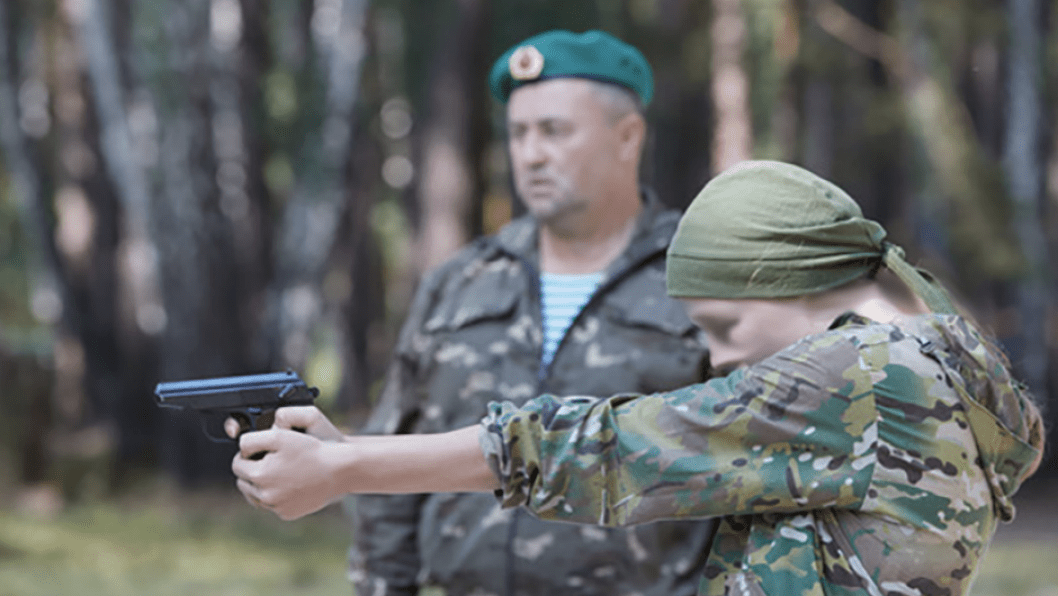
Earlier, Russian authorities introduced “stormtrooper” competitions for schoolchildren as part of the nationwide “Zarnitsa 2.0” military-patriotic games. The program assigns students combat-style roles—including drone operators and assault troops—and tasks them with simulated battlefield exercises such as throwing grenades, coordinating movements, and producing pro-government war coverage on social media.
Discuss this article:
-9a7b3a98ed5c506e0b77a6663f5727c5.png)

-c439b7bd9030ecf9d5a4287dc361ba31.jpg "Photo of Katherina Popilnichenko")