- Category
- War in Ukraine
How Russia Is Training a “Drone Generation” of Youth for Future Wars

Russia plans to train one million drone specialists by 2030—many of them are still children. Russian schools, youth organizations, and technical institutes are introducing drone assembly, piloting, and military training as part of a broader mobilization of young people for war.
 Prefer U24 Media on Google
- Authors

-24deccd511006ba79cfc4d798c6c2ef5.jpeg "Photo of Louis Beaudemont")
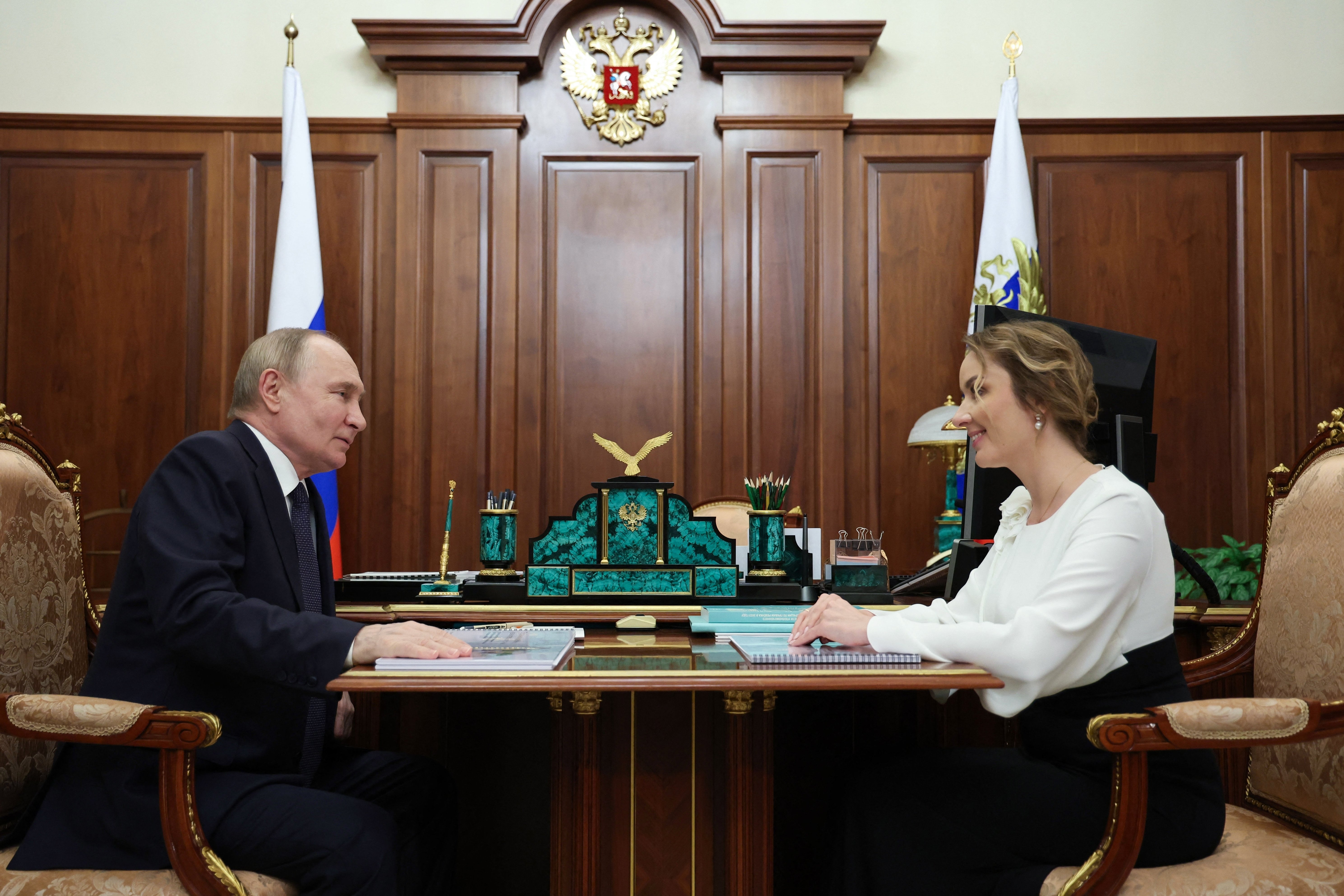
In May 2025, Geoscan, a Russian drone manufacturer under US sanctions in which Katerina Tikhonova—Vladimir Putin’s alleged daughter—is said to hold shares, published the first drone piloting textbook intended for schoolchildren aged 13–15, titled “Unmanned Aerial Vehicles: 8th and 9th Grades.”
Since the beginning of the full scale invasion, Russian authorities divert toys, school textbooks, cartoons, hobbies, and even video games to transform an entire generation into future military workers and drone soldiers loyal to the Kremlin, targeting Russian and kidnapped Ukrainian children from as young as four or five years old.
Russia is investing hundreds of millions of dollars to turn classrooms into training grounds.
We bring you stories from the ground. Your support keeps our team in the field.
Russia’s “drone generation” plan
One of the most striking developments in the nation’s militarization is Russia’s growing focus on unmanned aerial systems (UAVs). Russia’s Minister of Science and Higher Education, Valery Falkov, announced in May 2024 an ambitious plan to train one million drone specialists by 2030. And Moscow began preparing itself as early as 2023.
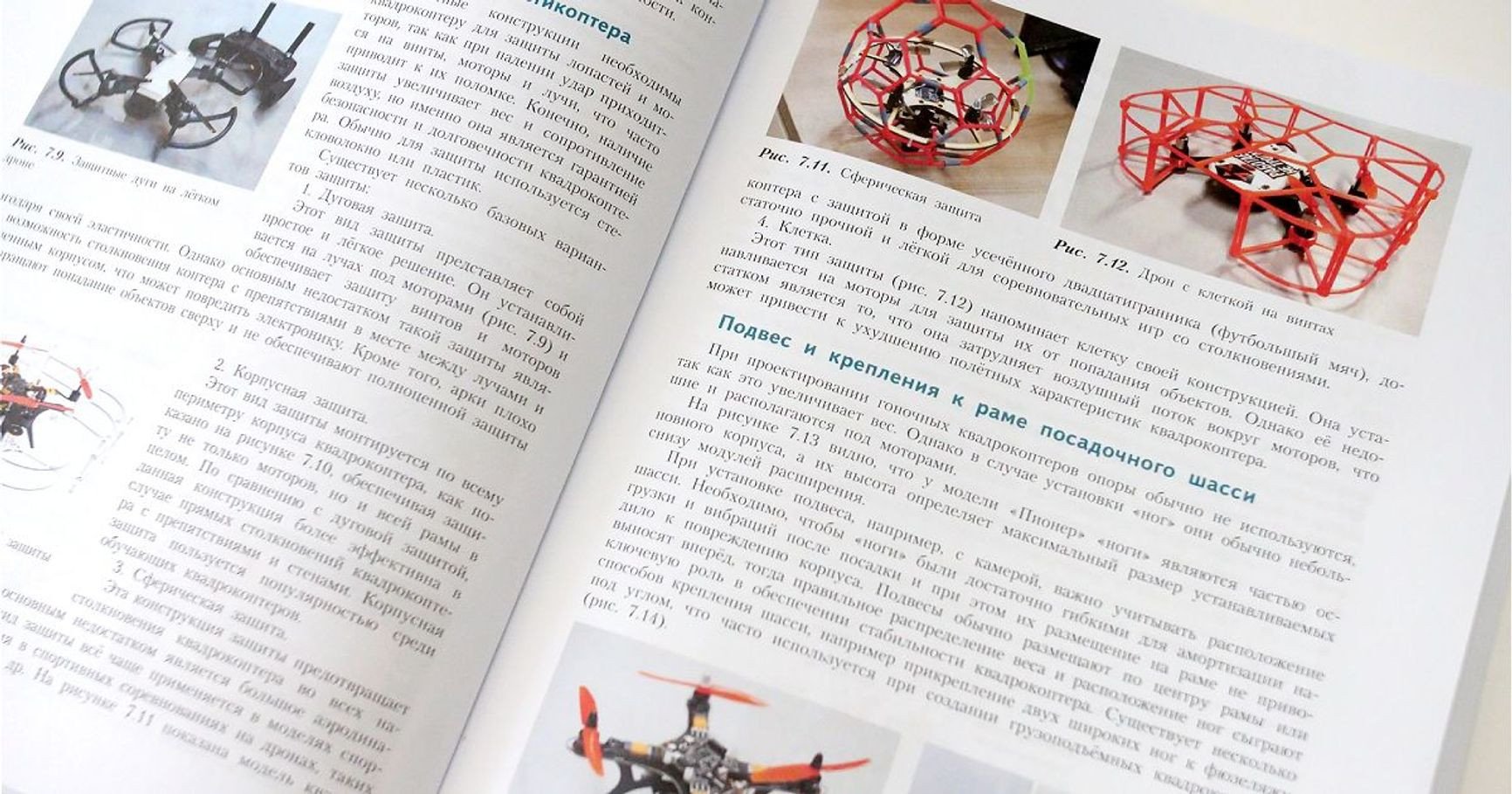
By August 2025, more than 500 schools and 30 colleges across Russia had integrated drone assembly and piloting into their official curricula. The government allocated significant budgets to equip schools with 3D printers, virtual reality headsets, flight simulators, and FPV (First-Person View) drones.
Russian schoolchildren are now taking drone piloting lessons taught by operators with combat experience, Ukraine’s Foreign Intelligence Service investigation revealed. In several regions—Kursk, Nizhny Novgorod, Vladivostok, and Vologda—these courses are expanding each year, with the goal of making them mandatory.
A brainwashing campaign targeting teenagers that is so massive and coordinated across the school curriculum clearly indicates the Kremlin’s strategy: to train a new generation of combat drone operators ready to take part in future wars.
Ukraine’s Foreign Intelligence Service
Following a directive from Russian leader Vladimir Putin to lower the age limit for drone competitions from 10 to 7, the city of Perm announced the creation of drone training centers within six kindergartens. Preschool children are being introduced to drone piloting.
Funded by the federal budget, Russia will launch the first national drone piloting championship in 2026 for children aged seven and above, titled “Pilots of the Future.” The tournament will be organized by the military-patriotic movement Dvizhenie Pervykh (Movement of the First) in collaboration with the state-accredited sports organization, the Russian Drone Racing Federation.
To attract teenagers, the Kremlin uses the strategy of “gamification.” Russian authorities use video-game-based training tools, such as a cyber-physical simulator called Berloga, to identify young prodigies, an investigation by the Russian outlet The Insider reveals.
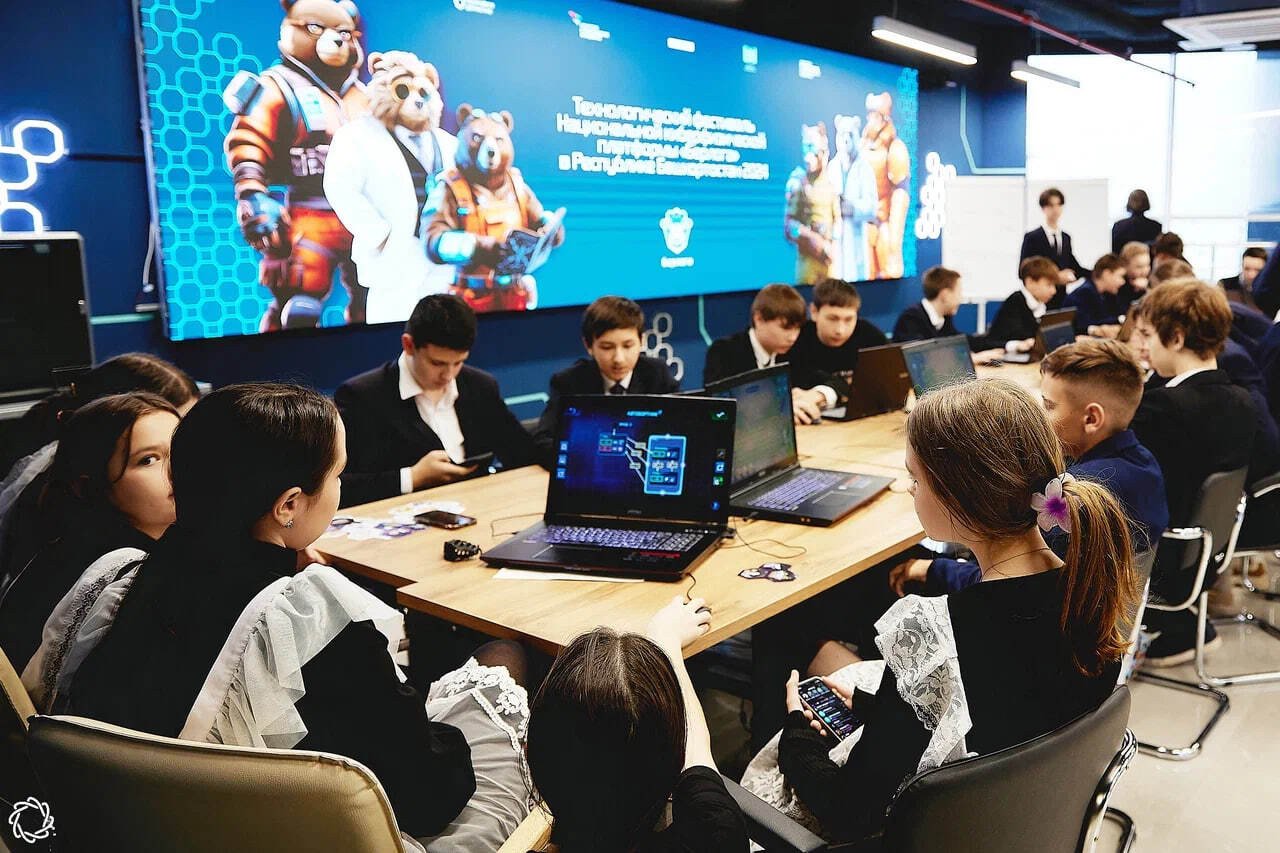
In this game, which reaches hundreds of thousands of young Russians, players must defend bears against swarms of bees using virtual drones. The most talented players are then recruited by the Sirius Educational Center, which is linked to the Kremlin, to work on real drone projects benefiting the defense industry.
At universities, recruitment has also taken on a massive scale. As Russian lawyer Artem Klyga says, Russia’s Defense Ministry is conducting direct wartime recruitment in all federal educational institutions under the cover of a “special contract.” Students sign up to become drone operators but may end up serving as ordinary soldiers on the front line in Ukraine.
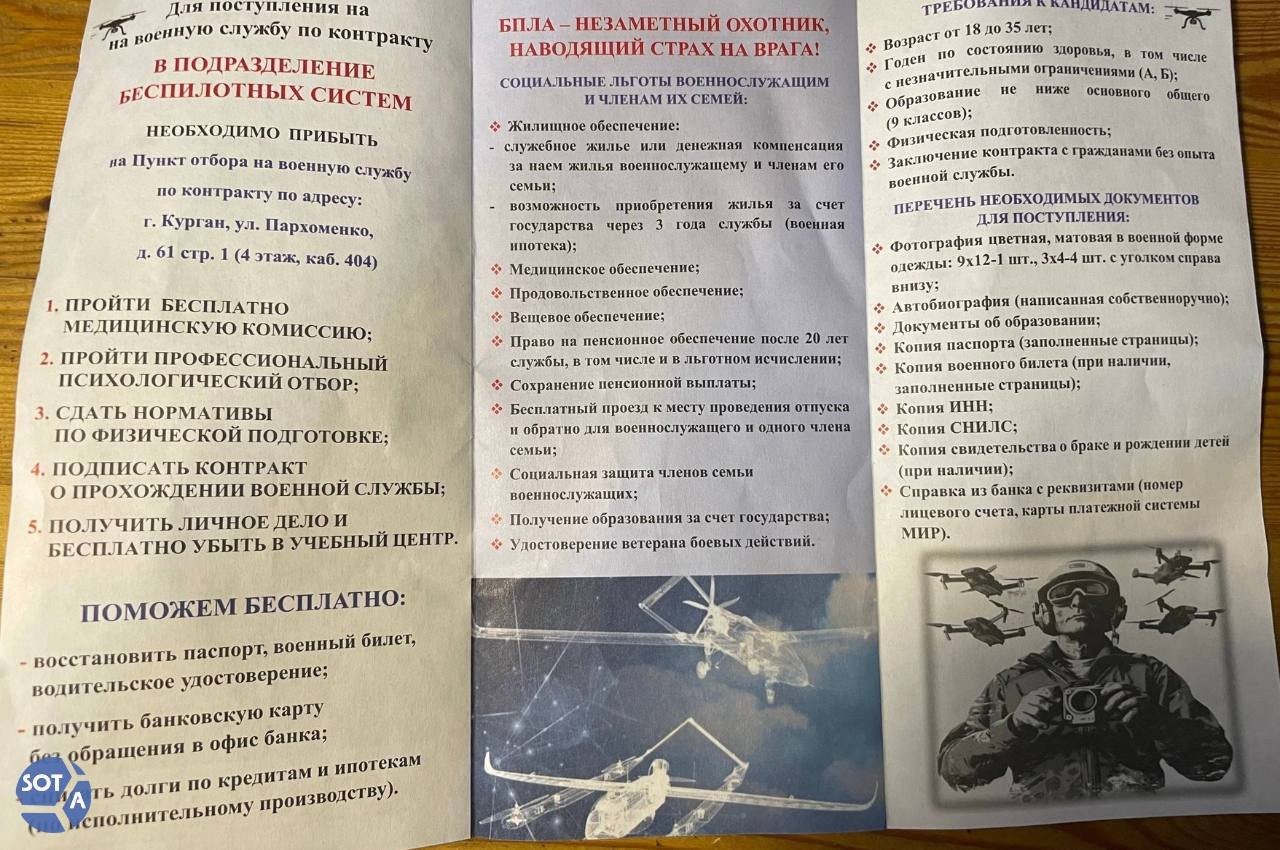
“It is a direct path to regular military service, from which it will be impossible to demobilize after the contract expires,” Klyga said.
Russian teenagers build Shahed drones that kill civilians in Ukraine
In addition to training on FPV drones, Russian authorities are using teenagers to manufacture the infamous Shaheds, long-range Iranian-designed attack drones that have terrorized Ukrainian cities since 2022 and are now also striking cities in Israel and across the Middle East.
In Tatarstan, far from Moscow, the Alabuga factory stretches across dozens of square kilometers, producing Shaheds—renamed Gerans in their Russian version—on an industrial scale.
Hundreds of drones leave the plant every day, operating around the clock, and are almost immediately launched against Ukrainian cities and civilian infrastructure.
Facing a labor shortage, in 2023, Russia began integrating students from local technical and polytechnic institutes into the factory’s assembly lines, as well as from foreign countries, including Russia's strategic ally, North Korea.
Students sometimes have to work directly after classes until midnight or two in the morning, reported Russian investigative media outlet Protokol in July 2023. On weekends, games—such as paintball matches—are organized for the student workers. Not to relax, but to ‘weed out the weakest.’”
Students must suffer, they must feel pain.
Sergei Alekseev
Top manager at Russian Alabuga Cluster
Those who fail to follow the rules—or simply lose one of the organized games—are forced to dig trenches around the factory or are “executed” (with paintball rounds, a painful and humiliating punishment). “Students say that sometimes they have to work for several days,” wrote Protokol, “without sleep and practically without food.”
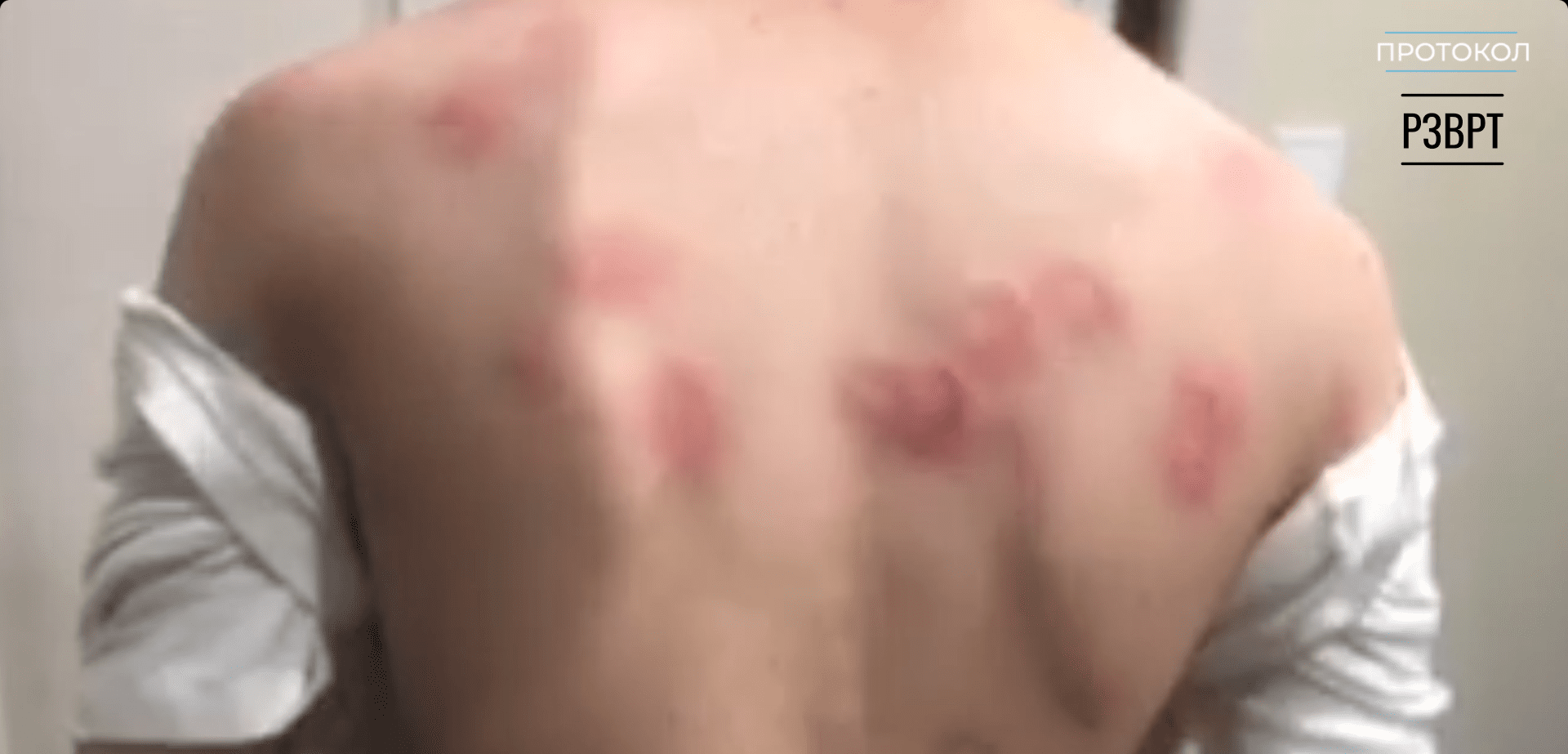
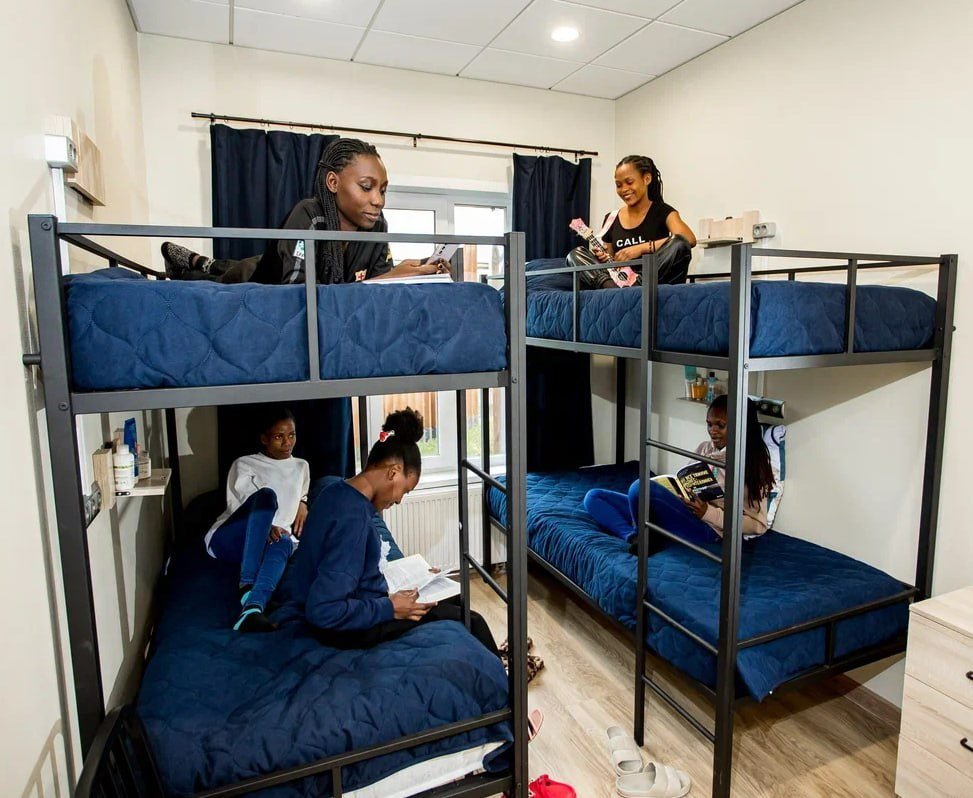
But this system does not stop with Russian students; the Protokol investigation continues. The factory has expanded its recruitment to Central Asian countries such as Kyrgyzstan and Kazakhstan, as well as to African countries. Recruiters even use dating apps such as Tinder and Badoo, as well as virtual games like “Business Cats,” to deceive and attract young foreign students to Russia.
The latest recruitment campaign at Alabuga, linked to the Special Economic Zone Polytechnic Institute program, illustrates this trend: under the promise of paid studies and a “professional future,” very young students aged 15–16 are recruited to assemble Shahed drones used to bomb Ukraine in an industrial zone in Tatarstan at the heart of Russia’s war economy.
Many students are occupied either with studies or work from eight in the morning until late in the evening, and they simply have no time left to cook food, do laundry, exercise, or even get basic rest.
Protokol
Russian investigative media outlet
Russia’s ideological control of children
This desire to create a generation of drone operators is part of an unprecedented, wider movement of youth militarization in Russia and in temporarily occupied Ukrainian territories.
Losing more soldiers than it can recruit, Moscow’s model has proven unsustainable in the long term. Russia’s bet on a long and expanded war now relies on the engagement of minors—nearly 17 million Russian citizens in 2023 were under 19.
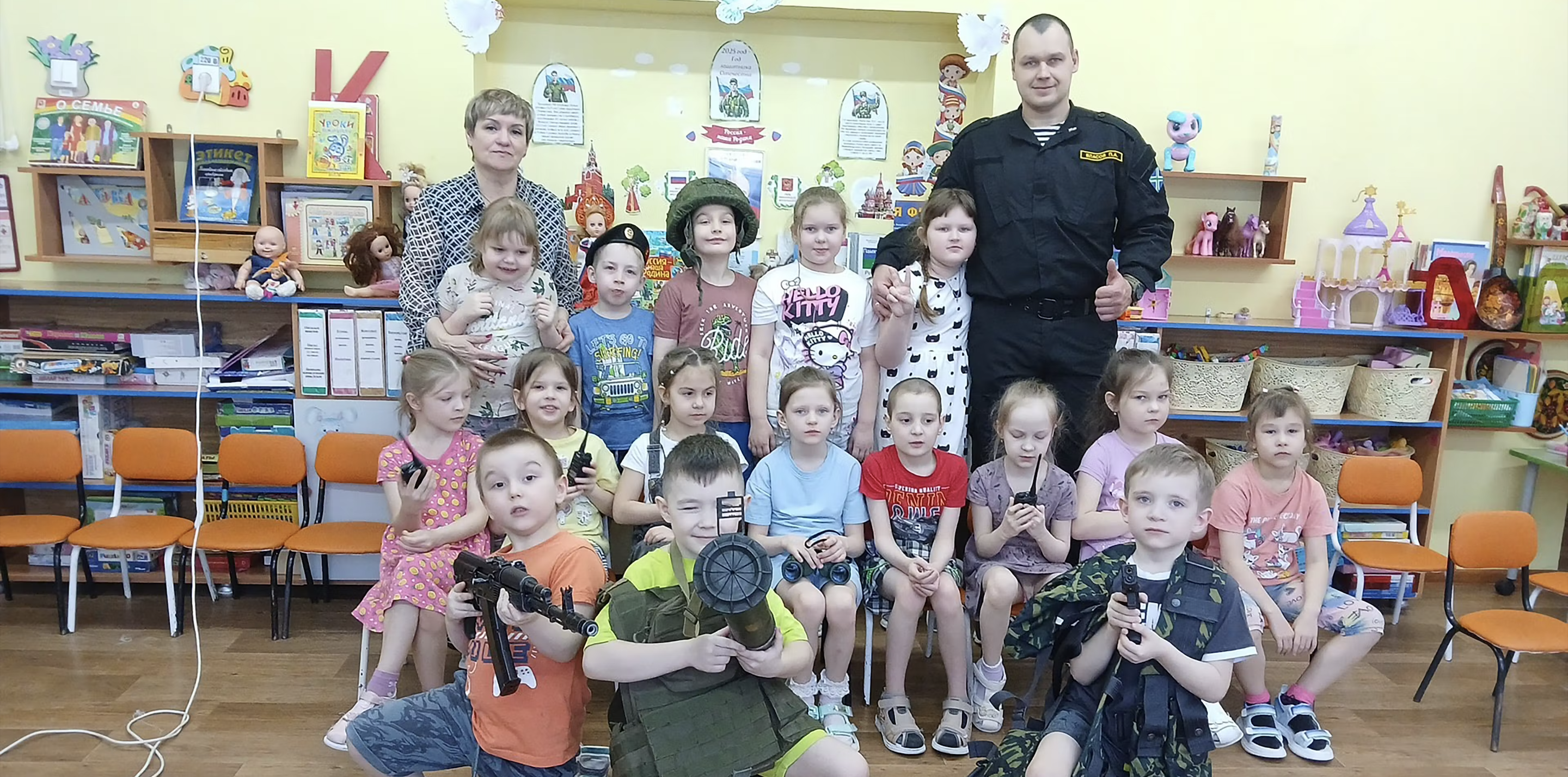
Since March 2022, a series of reforms has effectively turned schools into military training camps:
mandatory weekly flag-raising ceremonies;
a subject titled “Fundamentals of Homeland Security and Defense” (OBZR) replacing traditional health and safety classes;
“Conversations About Important Things,” aimed at instilling patriotism, glorifying Russian soldiers, and preparing kindergarten children for the idea of defending the motherland with weapons;
“Spiritual and Moral Culture of Russia,” promoting values such as patriotism, faith, family, respect for elders, and historical memory.
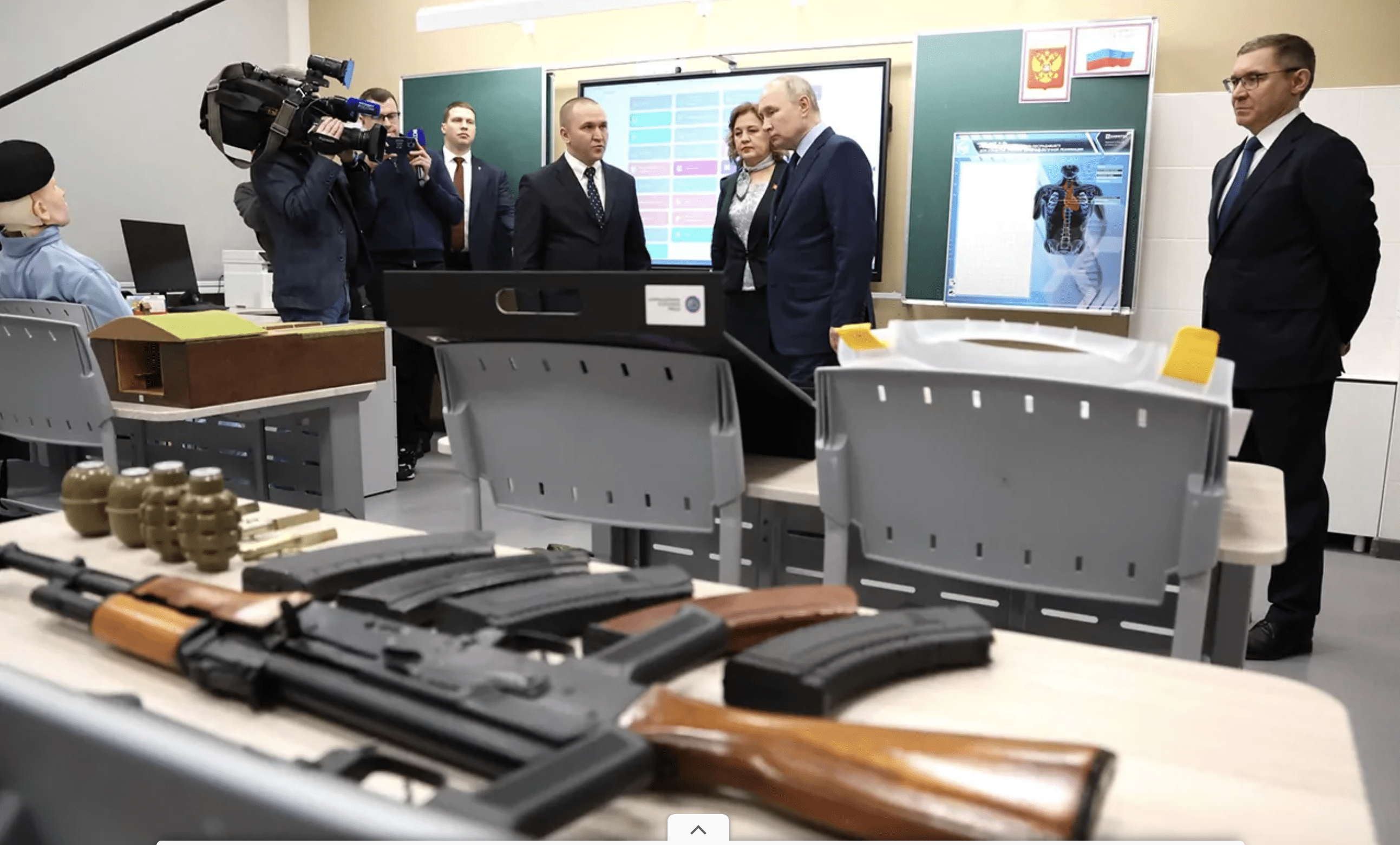
Schools were instructed to purchase military equipment, turning classrooms into virtual armories: students train with replicas of Kalashnikov assault rifles, Makarov pistols, trench shovels, night-vision devices, and training grenades.
This militarization is supervised by state-sponsored youth organizations, one of the largest of which is YunArmia (the Youth Army). According to The Moscow Times, this paramilitary organization—founded in 2016 by former Defense Minister Sergei Shoigu and now led by Vladislav Golovin, a veteran of the siege of Mariupol—has more than 1.8 million members, with children recruited from the age of eight. Children learn to assemble weapons, undergo physical combat training, and swear an oath of allegiance to the motherland. Its budget was doubled to reach 1 billion rubles (more than $11 million) for 2025.
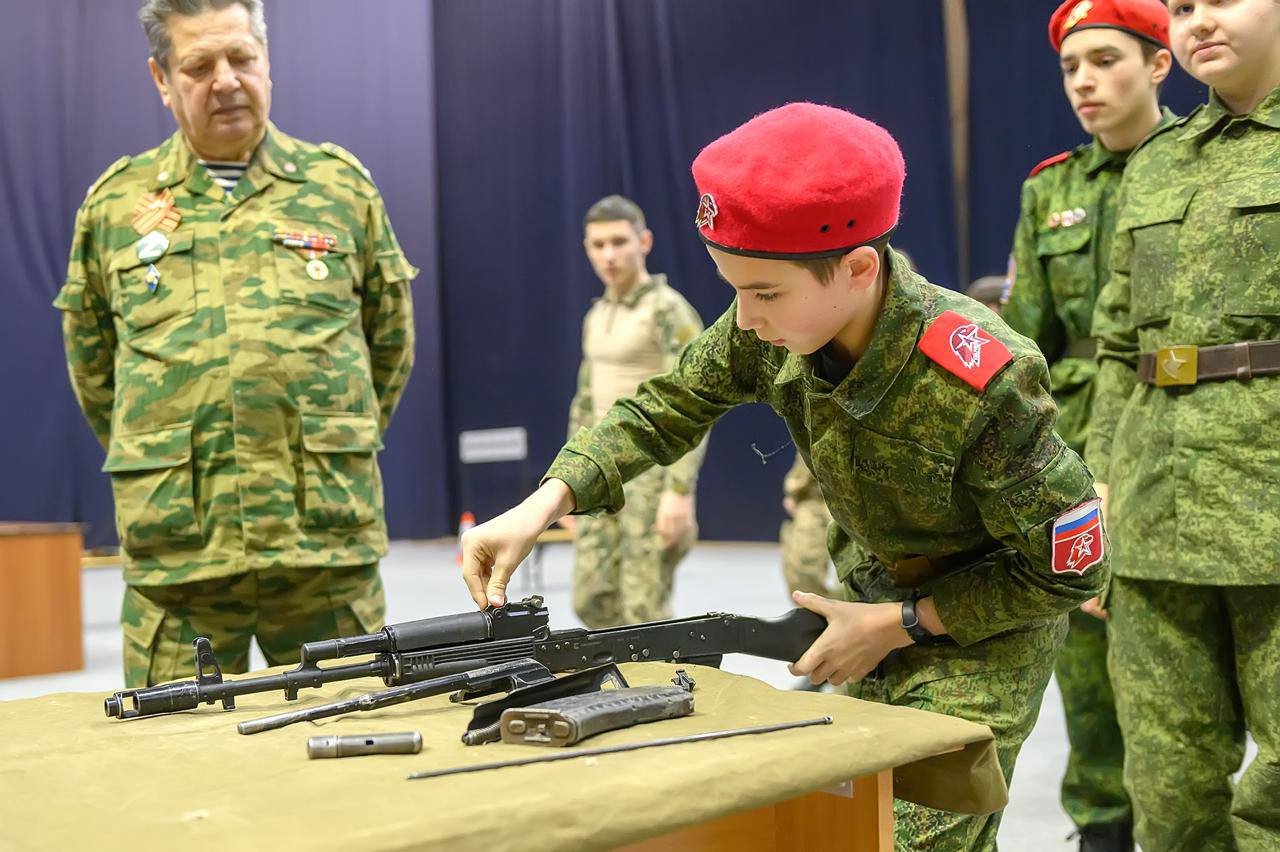
It is in the temporarily occupied Ukrainian territories that the consequences of Russia’s system are most tragic, resembling a process of cultural and ideological cleansing.
Ukrainian children are forced to sing the Russian anthem, take part in military marches, and handle firearms. These acts constitute clear violations of international law and the UN Convention on the Rights of the Child.
At least 210 facilities and camps in Russia and in occupied territories where Ukrainian children are subjected to “reeducation” programs and harsh military training were identified by the Humanitarian Research Lab at the Yale School of Public Health (Yale HRL).
The Russian program is the largest single kidnapping since World War II, when Nazi Germany moved children from occupied Poland to Germany for education in German.
Nathaniel Raymond
Senior researcher for the Yale HRL
The policy has a specific goal: to eradicate Ukrainian identity and prepare these youths to serve as a mobilization reserve for Russia’s future wars, reports the Ukrainian organization ZMINA and the Almenda Center. 43,000 Ukrainian children have already been enlisted, and training centers have even been opened at Melitopol University.
The tragic consequences of this policy are already visible. ZMINA and the Almenda Center report documenting numerous cases of 18-year-old Ukrainians from temporarily occupied territories killed on the battlefield after being forced by Russia to fight against their own country.
Discuss this article:
-4a56a6b482ec132402c16ef6fcabf9a2.png)

-c439b7bd9030ecf9d5a4287dc361ba31.jpg "Photo of Katherina Popilnichenko")
-111f0e5095e02c02446ffed57bfb0ab1.jpeg "Photo of Roman Kohanets")